Menü
Vorschau anzeigenVorschau anzeigen In AR erlebenIn AR erleben Druck bestellen Druck bestellenHandgemalte Reproduktion bestellen Handgemalte Reproduktion bestellen VersendenVersenden
Details anzeigenDetails anzeigen Zu Favoriten hinzufügen Zu Favoriten hinzufügen HerunterladenHerunterladen Ähnliche ObjekteÄhnliche Objekte RöntgenaufnahmeRöntgenaufnahme DiashowDiashow

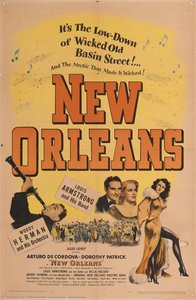
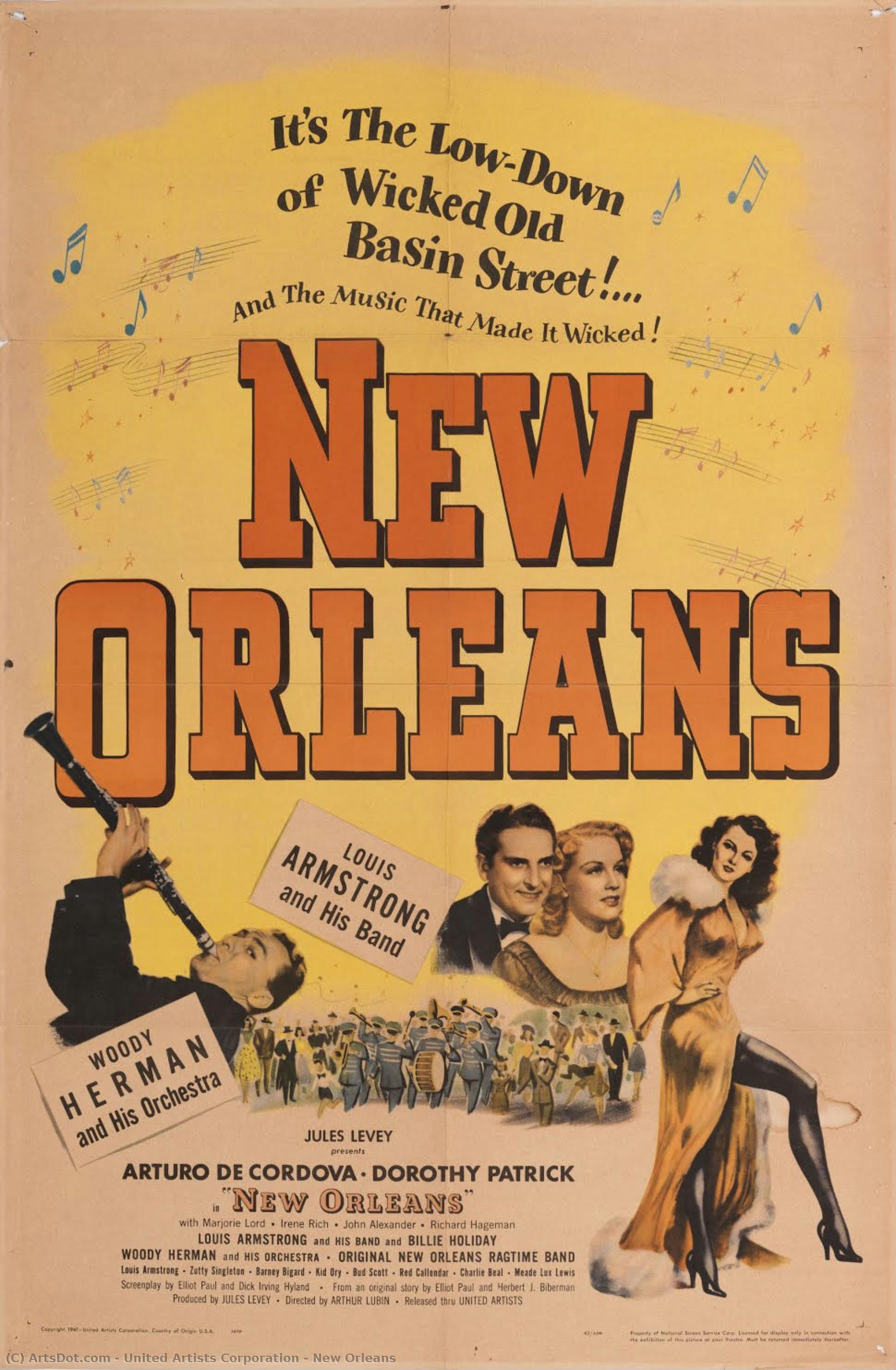
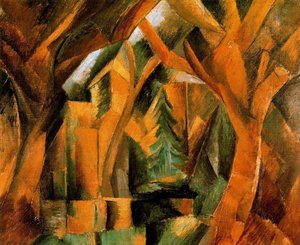
New Orleans

United Artists Corporation was a pioneering film studio known for its independent spirit and groundbreaking productions, shaping modern cinema with iconic works like *The Kid* and fostering creative freedom – discover their cinematic legacy today.

Erwerben Sie ein hochauflösendes, optimiertes digitales Bild, das der Online-Vorschau weit überlegen ist.

Jede Datei wird von unseren hauseigenen Spezialisten mit modernsten Werkzeugen und fachmännischer manueller Retusche sorgfältig vorbereitet. Wir stellen sicher, dass jedes Bild eine außergewöhnliche Klarheit, präzise Farbgenauigkeit und feinste Details aufweist.

Die endgültige Datei wird innerhalb von 72 Stunden per E-Mail zugestellt und ist für den sofortigen Einsatz in professionellen, redaktionellen und Druckumgebungen optimiert. Es handelt sich um dieselbe Qualität, der führende Designstudios, Verlage und Galerien vertrauen.

Digitales Bild

Laden Sie eine hochauflösende Datei für die persönliche Präsentation, den Druck und kreative Projekte herunter. (Druck bestellen Druck bestellenHandgemalte Reproduktion bestellen Handgemalte Reproduktion bestellen)

Endpreis

$ 24,00

In jeder Bestellung digitaler Bilder enthalten

Professionelle digitale Bereitstellung, garantiert

Wenn Sie sich für ArtsDot.com entscheiden, erhalten Sie nicht nur ein Bild – Sie erhalten ein professionell aufbereitetes digitales Kunstwerk, das mit höchster Präzision erstellt und durch eine Zufriedenheitsgarantie abgesichert wird. Hier ist alles, was automatisch mit Ihrer Bestellung geliefert wird:

shipping_icon
Schnelle E-Mail-Zustellung

Ihre hochauflösende digitale Bilddatei wird Ihnen innerhalb von 72 Stunden nach der Bestellung per E-Mail zugestellt – bereit zur sofortigen Verwendung.

canvas_icon
KI-optimierte digitale Datei

Ihre Kunstwerke werden professionell mithilfe fortschrittlicher KI-Tools und manueller Bearbeitung optimiert, um maximale Detailtreue, Klarheit und Farbgenauigkeit zu gewährleisten.

insurance_icon
Lebenslanger kostenloser Neudruckservice

Datei versehentlich gelöscht oder verloren? Keine Sorge – wir senden sie Ihnen jederzeit kostenlos erneut zu.

tax_icon
Keine Einfuhrgebühren – jemals

Genießen Sie Ihr Kunstwerk sofort ohne Zollgebühren, Einfuhrabgaben oder Versandkosten – digitale Downloads sind immer steuerfrei.

color_icon
Garantierte Farbtreue

Wir garantieren, dass Ihr digitales Bild mithilfe professioneller Werkzeuge und Farbmanagement die Originalfarben so präzise wie möglich wiedergibt.

return_icon
100-Tage-Zufriedenheitsgarantie

Wenn Sie mit Ihrem digitalen Bild nicht zufrieden sind, werden wir es überarbeiten oder 100% innerhalb von 100 Tagen erstatten – ohne Wenn und Aber.

guarantee_icon
100% Geld-zurück-Garantie

Nicht zufrieden? Erhalten Sie innerhalb von 100 Tagen nach Erhalt Ihrer digitalen Datei eine vollständige Rückerstattung – ohne Wenn und Aber.

discount_icon
Rabatte bei Großbestellungen

3 Bilder kaufen, 10% sparen – 5 Bilder kaufen, 15% sparen – Ab 10 Bildern 20% sparen. Ideal für kreative Projekte, Galerien und Agenturen.
Biografie des Künstlers

The Collective Vision of United Artists Corporation

United Artists Corporation, a name resonant with the spirit of independent filmmaking and artistic rebellion, wasn't born from the vision of a single auteur but rather as a collaborative defiance against the established Hollywood studio system. Founded in 1919 by Charlie Chaplin, Mary Pickford, Douglas Fairbanks, and D.W. Griffith – four of cinema’s most luminous stars – UA represented an unprecedented attempt to wrest control of production, distribution, and exhibition from the powerful moguls who dictated the industry's terms. Each founder, a titan in their own right, felt constrained by the creative limitations and financial inequities imposed by existing studios. They sought not merely greater profits but the autonomy to pursue projects aligned with their artistic sensibilities, free from external interference. This initial act of collective agency set UA apart, establishing it as a haven for filmmakers who prioritized vision over commercial expediency.

Early Years: A Bastion of Star Power and Artistic Freedom

The early decades of United Artists were defined by the star power of its founders and a commitment to diverse cinematic voices. Chaplin’s continued production of his iconic Tramp comedies, Pickford's charming portrayals of youthful innocence, and Fairbanks’ swashbuckling adventures formed the bedrock of UA’s initial success. However, the corporation quickly expanded beyond its founding quartet, embracing filmmakers like Buster Keaton, Erich von Stroheim, and F.W. Murnau. This willingness to champion unconventional talent distinguished UA from its competitors. While other studios focused on standardized genres and formulaic narratives, UA fostered a space where experimentation flourished. The company’s distribution model was also innovative; rather than building a vast network of owned theaters, UA primarily leased venues, allowing it greater flexibility in showcasing independent productions. This approach, while financially precarious at times, underscored its dedication to supporting a wider range of cinematic expression.

Challenges and Transformations: Navigating the Studio System

Despite its initial promise, United Artists faced significant challenges throughout the 1930s and 40s. The Great Depression severely impacted box office revenues, and internal disagreements among the founders regarding financial strategy and artistic direction threatened to fracture the corporation. D.W. Griffith departed early on due to creative differences, and Chaplin eventually withdrew from active participation. The rise of the fully integrated studio system – with its vertically controlled production, distribution, and exhibition networks – further marginalized UA’s independent model. In 1942, a significant restructuring saw control pass into the hands of new management, marking a shift away from the original artist-driven ethos. While UA continued to produce notable films during this period, including Alfred Hitchcock's *Rebecca* (1940) and Billy Wilder’s *The Big Picture* (1957), it increasingly resembled its more conventional rivals.

A Renaissance of New Wave Cinema

The 1960s and 70s witnessed a remarkable resurgence of UA's artistic reputation, fueled by a new generation of filmmakers who embraced countercultural themes and innovative techniques. Under the leadership of Robert Wise and later Richard D. Zanuck and David Brown, UA became synonymous with the New Wave movement in American cinema. Films like *Midnight Cowboy* (1969), directed by John Schlesinger, challenged societal norms and pushed boundaries of narrative form. Other groundbreaking productions included Milos Forman’s *One Flew Over the Cuckoo's Nest* (1975) and Martin Scorsese’s *Taxi Driver* (1976). This period solidified UA’s legacy as a champion of bold, provocative storytelling that resonated with a changing cultural landscape. These films weren’t simply commercially successful; they sparked critical debate and redefined the possibilities of cinematic expression.

Legacy and Historical Significance

Though United Artists underwent further ownership changes and ultimately became absorbed into larger media conglomerates, its impact on the film industry remains profound. The corporation's initial act of defiance against the studio system paved the way for independent filmmaking as a viable alternative to mainstream production. UA demonstrated that artistic vision could coexist with commercial success, inspiring countless filmmakers to pursue their own creative paths. The company’s willingness to take risks on unconventional talent fostered a climate of innovation and experimentation that continues to shape cinema today. From its origins as a collective of stars seeking autonomy to its later embrace of New Wave auteurs, United Artists Corporation stands as a testament to the enduring power of artistic freedom and the transformative potential of collaborative filmmaking. Its story serves as a potent reminder that true cinematic progress often arises from challenging established norms and prioritizing vision over convention.