 Vorschau anzeigen
 Versenden
 Teilen
 Details anzeigen

 Herunterladen
 Ähnliche Objekte
 Röntgenaufnahme
 Diashow
 Stats
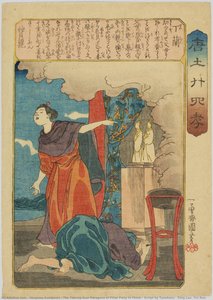
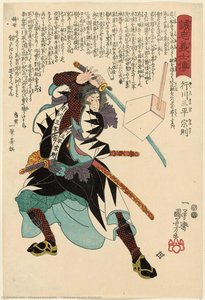
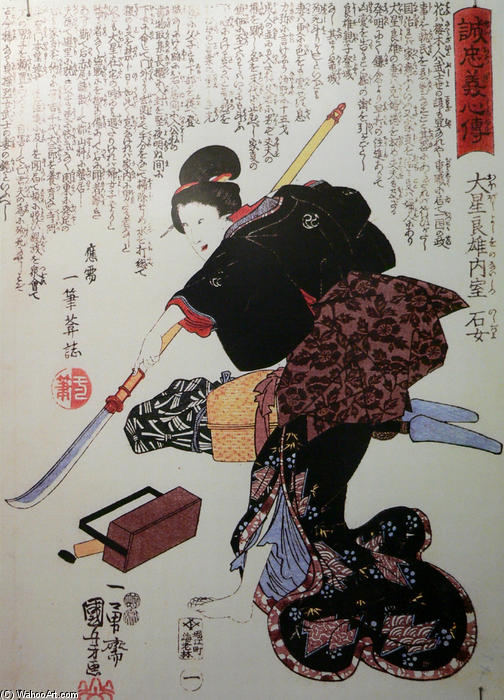
StatsIshi-jo, wife of Oboshi Yoshio, one of the loyal ronin


 Weiterlesen
Handgefertigte Ölreproduktion
Handgemaltes Ölgemälde auf Leinwand in Ihrer Wunschgröße und mit Rahmen, auf Bestellung von unseren Künstlern angefertigt. ( Switch to Print Switch to Digital Image)




P118B $10

P118H $10

P118W $10

P438Z $10

P508JH $12

P508YH $12

P805H $10

P805Z $10

P919BZ $10

P919G $10

P919XJ $10

P959ZH $10

P968JZ $12

W106C $8

W218G $10

W218JH $8

W218Y $10

W307PJ $10

W316G $10

W316PJ $8

W316Y $10

W398PJ $8

W4111J $10

W500HY $15

W500JH $15

W692G $12

W849H $8

W940BG $15

W953PJ $8




Wählen Sie aus unseren vordefinierten Formaten, die den ursprünglichen Proportionen des Kunstwerks entsprechen.

Sie können Ihre eigenen Maße eingeben, um einen bestimmten Rahmen oder Platz auszufüllen. Wenn die gewählte Größe nicht den Proportionen des Originalbildes entspricht, werden wir das Kunstwerk entweder beschneiden oder das Gemälde durch zusätzliche, handgemalte Elemente erweitern. Ein digitales Mockup wird Ihnen zur Genehmigung zugesandt, bevor die Produktion beginnt.
Bitte beachten Sie, dass die Bildschirmvorschau nicht die tatsächliche Beschneidung oder Erweiterung widerspiegelt. Nur das Mockup zeigt die endgültige Komposition exakt an.
Obwohl Sondermaße verfügbar sind, empfehlen wir, eine Größe aus der vordefinierten Liste zu wählen, um die ursprünglichen Proportionen beizubehalten.
Nach der Bestellung wird das ArtsDot.com-Team dem Kunden Anweisungen per E-Mail zusenden und eine Mockup-Vorschau bereitstellen.
Weltweiter Versand () in nur 3 bis 4 Wochen statt der üblichen 5 Wochen. (7 September). Keine Kompromisse bei der Qualität.

Kostenloser weltweiter Expressversand

Hochwertige Leinenleinwand

Umfassender Versicherungsschutz beim Versand

Zollgebühren-Rückerstattungsgarantie

Garantie für exakte Farbtreue

100-Tage-Rückgaberecht (nur bei Mängeln)

100% Geld-zurück-Garantie

Mengenrabatt verfügbar
 Die Glasoption ist nur für Größen unter 110 cm verfügbar.

Ishi-jo, wife of Oboshi Yoshio, one of the loyal ronin
Art der Reproduktion
Format der Reproduktion
-


Gesamtpreis
$ 263
Ishi-jo, Wife of Oboshi Yoshio: A Samurai’s Loyalty in Ink and Wood
Utagawa Kuniyoshi's Ishi-jo, wife of Oboshi Yoshio, one of the loyal ronin is more than a mere depiction of a woman holding a katana; it’s a potent distillation of late Edo period Japan – a world steeped in honor, tragedy, and unwavering loyalty. Executed around 1848, this Ukiyo-e woodblock print transports us to a moment frozen in time, capturing the stoic dignity of Ishi-jo as she embodies the tragic fate of the 47 Ronin, warriors who avenged their lord’s death after his assassination by rival clans. The image pulsates with the drama inherent in this legendary tale, offering a glimpse into a culture obsessed with duty and sacrifice.
Kuniyoshi, nearing the end of his career, masterfully employs the conventions of Ukiyo-e to create an arresting composition. The print’s vertical orientation immediately draws the eye upward, emphasizing Ishi-jo's posture – a deliberate stance reflecting her unwavering resolve. The dense arrangement of text and decorative elements, characteristic of the genre, isn’t merely ornamental; it serves as a narrative framework, subtly guiding the viewer through the story of betrayal and revenge. Bold outlines define the figures and objects with sharp precision, while flat planes of color – primarily deep blacks, muted blues, and subtle ochres – create a dramatic contrast that intensifies the scene's emotional impact. The meticulous attention to detail in rendering the kimono’s intricate patterns and the katana’s gleaming edge speaks to Kuniyoshi’s technical prowess and his dedication to capturing the textures of the world around him.
The Legacy of the 47 Ronin
The story behind this print is profoundly significant within Japanese history. The 47 Ronin, or *Saisho Gojū-nin*, were samurai who, after their lord, Mori Motoyoshi, was murdered by a rival clan, embarked on a years-long quest for vengeance. They meticulously plotted and executed the assassination of the men responsible, ultimately facing disgrace and execution themselves. Ishi-jo’s portrayal reflects this narrative – she represents not just a woman but a symbol of unwavering loyalty and courage in the face of overwhelming adversity. The inclusion of the katana is crucial; it's not simply a weapon, but a representation of the samurai code – *bushido* – which dictated honor, duty, and self-sacrifice.
Kuniyoshi’s choice to depict Ishi-jo in this manner aligns with the broader trend within Ukiyo-e prints during his time. He frequently depicted historical events and legendary figures, often drawing inspiration from classical literature and folklore. This print is part of the *Seichi Gishin Den* series (meaning “Record of the Great Disaster”), which explored themes of loyalty, betrayal, and heroism – subjects that resonated deeply with the Japanese public.
Technique and Materials: A Window into Ukiyo-e Production
The creation of this print is a testament to the skill and artistry involved in traditional Ukiyo-e woodblock printing. Kuniyoshi utilized *sumi* ink, meticulously applied by skilled artisans through multiple blocks – one for each color – to build up the image layer by layer. The slight roughness and grainy texture visible in the print are inherent characteristics of this technique; they’re not flaws but rather evidence of the process itself. The use of mica highlights adds a subtle shimmer to certain areas, enhancing the visual impact and creating an illusion of depth within the flat composition. It's important to note that Ukiyo-e prints were often intended for both aesthetic appreciation and storytelling, making them accessible to a broad audience – from wealthy patrons to commoners who enjoyed viewing these captivating images in public galleries.
Symbolism and Emotional Resonance
Beyond the literal depiction of Ishi-jo, the print is laden with symbolic meaning. The setting, though somewhat ambiguous, evokes a sense of solemnity and contemplation. The cushions and scrolls suggest a space for reflection – a place where one might contemplate the weighty consequences of loyalty and betrayal. Kuniyoshi’s masterful use of light and shadow further amplifies this emotional resonance, creating a dramatic atmosphere that draws the viewer into the scene. Ishi-jo, wife of Oboshi Yoshio remains a powerful testament to Japanese values – courage, honor, and the enduring legacy of the 47 Ronin, rendered with exquisite detail and imbued with a profound sense of human drama.
Ähnliche Kunstwerke
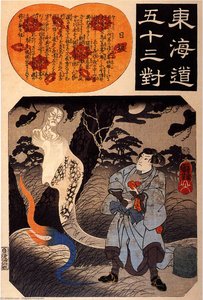
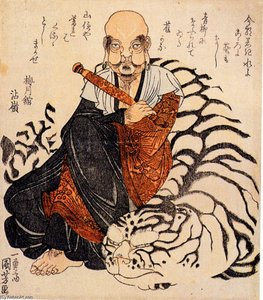
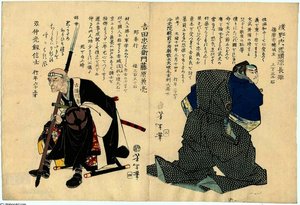
Über den Künstler
**biografie und künstlerische beiträge**
Utagawa Kuniyoshi, ein renommierter japanischer Künstler, wurde am 1. januar 1798 in Japan geboren und verstarb am 14. april 1861. Er war einer der letzten großen Meister des japanischen Ukiyo-e-Stils der Holzschnitte und Malerei und Mitglied der Utagawa-Schule.**frühes leben und ausbildung**
Kuniyoshis frühes Leben war geprägt von seiner Unterstützung im Seidenfärbebetrieb seines Vaters, wo er ein Auge für Farbe und Textilmuster entwickelte. Im Alter von sieben oder acht Jahren beeindruckten ihn ukiyo-e-Kriegerdrucke und Bilder von Handwerkern, die später seine eigene Arbeit beeinflussten.**künstlerische karriere**
Kuniyoshis künstlerisches Talent wurde mit 12 Jahren erkannt, was zu einer Lehrlingsausbildung unter dem berühmten Ukiyo-e-Druckmeister Utagawa Toyokuni führte. Er wurde zu einem der wichtigsten Schüler von Toyokuni und erhielt 1811 den Namen "Kuniyoshi". Seine erste veröffentlichte Arbeit, die Illustrationen für Kusazōshi Gōkan Gobuji Chūshingura, eine Parodie auf die ursprüngliche Chūshingura-Geschichte, markierte sein Debüt als unabhängiger Künstler.**bedeutende Werke und Beiträge**
- Einhundert acht Helden des beliebten Suikōden: Diese Reihe, basierend auf der chinesischen Erzählung Shuihu Zhuan, zeigte Kuniyoshis einzigartigen Stil und wurde in Edo äußerst beliebt.
- Der Geist von Taira no Tomomori in der Daimotsu-Bucht: Diese Arbeit demonstrierte Kuniyoshis Fähigkeit, eine wirkungsvolle Intensität des Kampfgeschehens hervorzurufen.
- Die Gōjō-Brücke: Dieses Triptych von 1839 zeigte Kuniyoshis thematischen Stil, der das öffentliche Interesse an dem Schrecklichen, Aufregenden und Bizarren befriedigte.
**einfluss und vermächtnis**
Kuniyoshis Kunstwerke integrierten Aspekte westlicher Darstellung in Landschaftsmalerei und Karikatur. Sein Einfluss auf die Ukiyo-e-Kunst ist in seiner einzigartigen Mischung aus traditionellen japanischen Elementen mit westlichen Techniken erkennbar.- Betrachten Sie Kuniyoshis Selbstporträt des Shunga-Albums (Ukiyo-e) auf ArtsDot.
- Erkunden Sie weitere Werke von Utagawa Kuniyoshi auf ArtsDot.
- Lesen Sie mehr über Utagawa Kuniyoshi auf Wikipedia.
**schlussfolgerung**
Utagawa Kuniyoshi bleibt eine bedeutende Figur in der japanischen Ukiyo-e-Kunst, bekannt für seine vielfältigen Themen und die innovative Mischung aus traditionellen und westlichen Techniken. Sein Vermächtnis inspiriert weiterhin Künstler und Kunstliebhaber gleichermaßen. **Wichtig:** Dieser Artikel basiert auf den bereitgestellten Informationen von ArtsDot.com und Wikipedia.org, wobei der Schwerpunkt auf Kuniyoshis Biografie, künstlerischer Karriere, bemerkenswerten Werken, Einfluss und Vermächtnis liegt.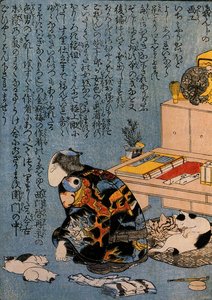
Utagawa Kuniyoshi
1797 - 1861 , Japan
Kurzinfos
- Bemerkenswerte Werke:
- Suikoden-Heldenreihe
- Geist von Taira no Tomomori
- Gōjō-Brücke
- Geburtsdatum: 1. Januar 1798
- Geburtsort (Stadt, Land): Tokio, Japan
- Künstler Oder Bewegungen, Die Von Diesem Künstler Beeinflusst Wurden: ['Tsukioka Yoshitoshi']
- Künstler, Die Diesen Künstler Beeinflussten: ['Utagawa Toyokuni']
- Künstlerische Bewegung/Stil: Ukiyo-e
- Nationalität: Japanisch
- Todatum: 14. April 1861
- Vollständiger Name: Utagawa Kuniyoshi
Ähnliche Artikel
Utagawa Kuniyoshi: Narrative Innovation und die Verschmelzung von Tradition mit Populärkultur – Eine Studie zum Meister des japanischen Ukiyo-e
Entdecken Sie Utagawa Kuniyoshi, den Meister des japanischen Ukiyo-e! Erfahren Sie mehr über seine narrative Innovation, die Verschmelzung von Tradition und Populärkultur sowie seine einzigartige Technik. Jetzt lesen!

Katsushika Hokusai: Die 25 Meisterwerke des Ukiyo-e – Kunst für Ihr Zuhause | ArtsDot
Entdecken Sie die 25 Meisterwerke von Katsushika Hokusai! Tauchen Sie ein in die Welt des Ukiyo-e, berühmte Holzschnitte wie 'Die große Welle' & Fuji-Ansichten. Hochwertige Kunstdrucke für Ihr Zuhause – jetzt auf ArtsDot.com!
Tsukioka Yoshitoshi: Der letzte Glanz des Ukiyo-e – Narrative, Innovation und der Wandel im Meiji-Zeitalter
Entdecken Sie das faszinierende Werk von Tsukioka Yoshitoshi, dem letzten Meister des Ukiyo-e. Erfahren Sie mehr über seine Innovationen, den Einfluss der Meiji-Zeit und die bleibende Bedeutung seiner Kunst.
Japonisme: How Japanese Woodblock Prints Revolutionized Western Art
Explore the profound impact of Japonisme on Western art. Discover how Japanese ukiyo-e woodblock prints revolutionized perspective, color, and composition for masters like Monet and Van Gogh, forever changing the course of modern art history.
The Enduring Legacy of Woodblock Printmaking: Technique, History & Artistic Expression
Explore the rich history of woodblock printmaking – from ancient techniques to Ukiyo-e masterpieces. Discover expert insights on collecting, preserving & appreciating this enduring art form.