 Vorschau anzeigen
 Versenden
 Teilen
 Details anzeigen

 Herunterladen
 Ähnliche Objekte
 Röntgenaufnahme
 Diashow
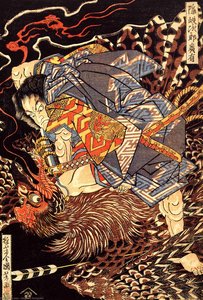
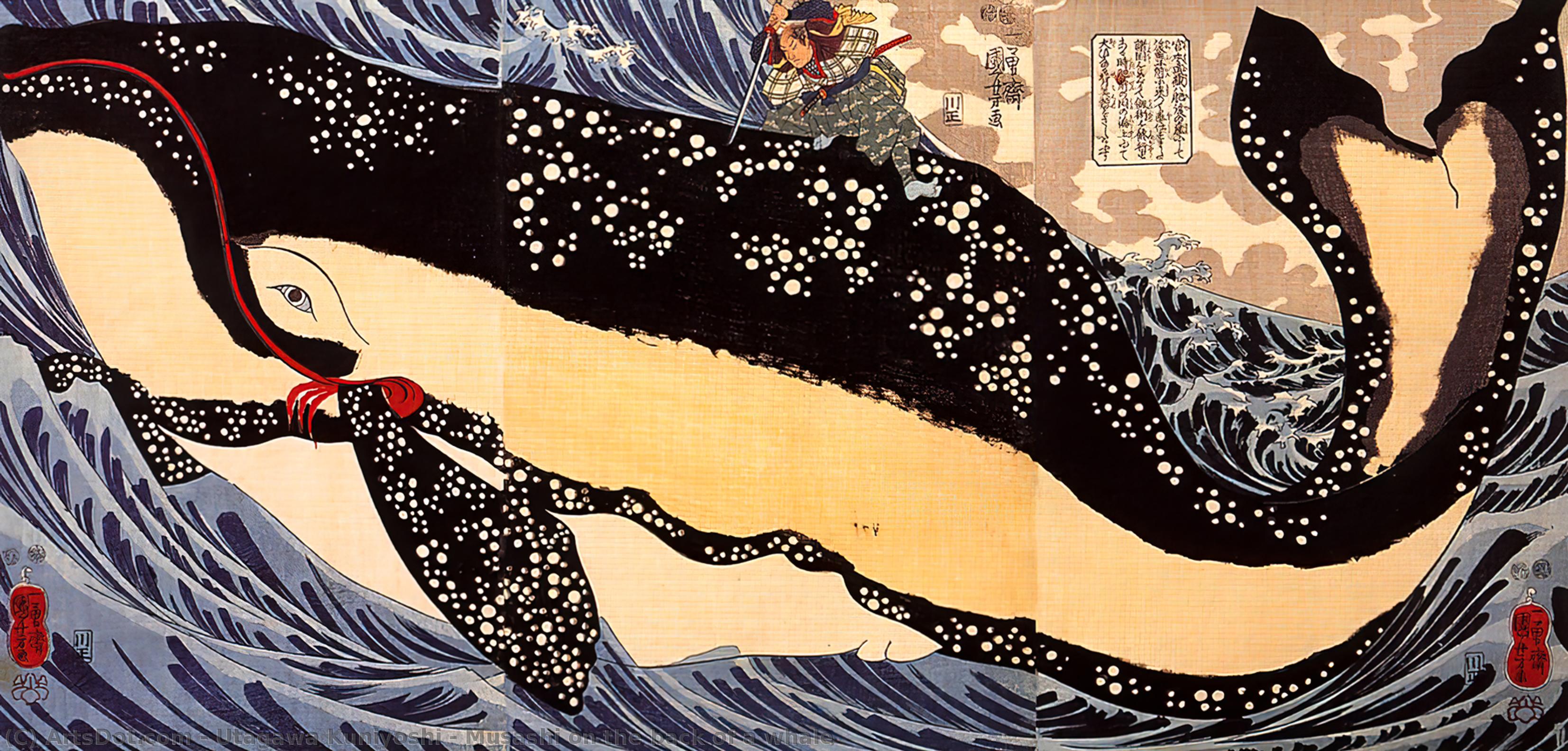
Musashi on the back of a whale


 Weiterlesen
Giclée / Kunstdruck
Giclée- oder Leinwanddruck in Museumsqualität mit schneller Produktion und flexiblen Veredelungsoptionen. ( Handgemalte Reproduktion bestellen Bild kaufen)




P118B $10

P118H $10

P118W $10

P438Z $10

P508JH $12

P508YH $12

P805H $10

P805Z $10

P919BZ $10

P919G $10

P919XJ $10

P959ZH $10

P968JZ $12

W106C $8

W218G $10

W218JH $8

W218Y $10

W307PJ $10

W316G $10

W316PJ $8

W316Y $10

W398PJ $8

W4111J $10

W500HY $15

W500JH $15

W692G $12

W849H $8

W940BG $15

W953PJ $8




Wählen Sie aus unseren vordefinierten Formaten, die den ursprünglichen Proportionen des Kunstwerks entsprechen.

Sie können Ihre eigenen Maße eingeben, um ein bestimmtes Format oder einen speziellen Platz einzupassen. Wenn das von Ihnen gewählte Format nicht den Proportionen des Originalbildes entspricht, werden wir das Kunstwerk entweder beschneiden oder das Bild mit einem gespiegelten oder einfarbigen Rand erweitern. Ein digitaler Entwurf wird Ihnen zur Genehmigung zugesandt, bevor die Produktion beginnt.
Bitte beachten Sie, dass die Vorschau auf dem Bildschirm nicht den tatsächlichen Zuschnitt oder die Erweiterung widerspiegelt. Nur der Entwurf zeigt die endgültige Komposition präzise an.
Obwohl Sondermaße verfügbar sind, empfehlen wir die Auswahl eines Maßes aus der vordefinierten Liste, um die ursprünglichen Proportionen zu bewahren.
Weltweiter Versand () innerhalb von 2 Wochen statt der üblichen 4/5 Wochen. (25 August)

Kostenloser weltweiter Expressversand

Hochwertige Leinenleinwand

Umfassender Versicherungsschutz beim Versand

Zollgebühren-Rückerstattungsgarantie

Garantie für exakte Farbtreue

60 Tage Rückgaberecht (nur bei Mängeln)

100% Geld-zurück-Garantie

Mengenrabatt verfügbar
 Die Glasoption ist nur für Größen unter 110 cm verfügbar.

Musashi on the back of a whale
Giclée / Kunstdruck
Format der Reproduktion
-


Gesamtpreis
$ 62
Sammlerstück-Beschreibung
Utagawa Kuniyoshi's Musashi on the Back of a Whale: A Vision of Samurai Power
This arresting image, a masterful execution of Ukiyo-e by the legendary artist Utagawa Kuniyoshi, transports us to 19th century Japan. Kuniyoshi, born Yoshisaburō in 1798 and tragically passing in 1861, was a pivotal figure at the close of the *ukiyo-e* movement – a vibrant artistic tradition that captured the essence of everyday life during the Edo period. This particular scene, depicting Musashi, the famed swordsman, astride a colossal whale, is not merely a depiction of a warrior; it’s a potent meditation on power, resilience, and the relationship between humanity and nature.
Kuniyoshi's skill lies in his ability to synthesize multiple influences. He was deeply rooted in the traditions of Japanese woodblock printing – meticulously carving blocks with incredible detail – yet he also absorbed elements of Western artistic techniques, particularly in his use of light and shadow and perspective. This is evident here in the whale’s form, rendered with a dynamic sense of movement and volume that transcends purely traditional Japanese aesthetics. The composition itself is carefully constructed; the two figures, one riding confidently, the other observing with quiet contemplation, create a visual dialogue that draws the viewer into the scene.
The Symbolism of Whale and Warrior
The choice of a whale as Musashi’s mount is profoundly symbolic. Whales in Japanese folklore represent immense power, both destructive and creative. They are associated with the ocean's depths – a realm of mystery, danger, and untold potential. Musashi, renowned for his unparalleled swordsmanship and unwavering resolve, is elevated to a position of dominance atop this formidable creature, suggesting mastery over not just battle but also the forces of nature itself. The whale’s size further emphasizes Musashi’s strength and authority.
The inclusion of the second figure, standing in observation, adds another layer of interpretation. Perhaps it represents a disciple learning from a master, or perhaps it symbolizes the wider world witnessing Musashi's extraordinary abilities. The boat floating nearby subtly reinforces the theme of journeying – both physical and spiritual – that permeates the artwork.
Technique and Artistic Process
Kuniyoshi’s mastery is immediately apparent in the exquisite detail of the print. Each scale on the whale, each strand of hair on Musashi's head, is rendered with painstaking precision. This level of detail was achieved through a complex multi-block printing process – typically involving at least six separate woodblocks: one for the main image, and additional blocks for the sky, water, and any details that needed to be printed in multiple colors. Kuniyoshi’s use of vibrant pigments, applied with meticulous care, adds to the print's visual impact and longevity.
The color palette – dominated by rich blues, greens, and browns – evokes a sense of both tranquility and power. The subtle gradations of tone create depth and atmosphere, drawing the viewer’s eye across the composition. This meticulous attention to detail is characteristic of Kuniyoshi's work and exemplifies the highest standards of Ukiyo-e artistry.
A Timeless Masterpiece – Reproduced for Today
ArtsDot offers a stunning hand-painted reproduction of this iconic artwork, capturing the essence of Kuniyoshi’s vision with unparalleled fidelity. Our skilled artisans meticulously recreate every detail of the original print, ensuring that you receive a piece of art that is both beautiful and authentic. This reproduction provides an exceptional opportunity to own a piece of Japanese artistic history – a testament to the enduring power of Ukiyo-e and the genius of Utagawa Kuniyoshi.
Ähnliche Kunstwerke
Über den Künstler
**biografie und künstlerische beiträge**
Utagawa Kuniyoshi, ein renommierter japanischer Künstler, wurde am 1. januar 1798 in Japan geboren und verstarb am 14. april 1861. Er war einer der letzten großen Meister des japanischen Ukiyo-e-Stils der Holzschnitte und Malerei und Mitglied der Utagawa-Schule.**frühes leben und ausbildung**
Kuniyoshis frühes Leben war geprägt von seiner Unterstützung im Seidenfärbebetrieb seines Vaters, wo er ein Auge für Farbe und Textilmuster entwickelte. Im Alter von sieben oder acht Jahren beeindruckten ihn ukiyo-e-Kriegerdrucke und Bilder von Handwerkern, die später seine eigene Arbeit beeinflussten.**künstlerische karriere**
Kuniyoshis künstlerisches Talent wurde mit 12 Jahren erkannt, was zu einer Lehrlingsausbildung unter dem berühmten Ukiyo-e-Druckmeister Utagawa Toyokuni führte. Er wurde zu einem der wichtigsten Schüler von Toyokuni und erhielt 1811 den Namen "Kuniyoshi". Seine erste veröffentlichte Arbeit, die Illustrationen für Kusazōshi Gōkan Gobuji Chūshingura, eine Parodie auf die ursprüngliche Chūshingura-Geschichte, markierte sein Debüt als unabhängiger Künstler.**bedeutende Werke und Beiträge**
- Einhundert acht Helden des beliebten Suikōden: Diese Reihe, basierend auf der chinesischen Erzählung Shuihu Zhuan, zeigte Kuniyoshis einzigartigen Stil und wurde in Edo äußerst beliebt.
- Der Geist von Taira no Tomomori in der Daimotsu-Bucht: Diese Arbeit demonstrierte Kuniyoshis Fähigkeit, eine wirkungsvolle Intensität des Kampfgeschehens hervorzurufen.
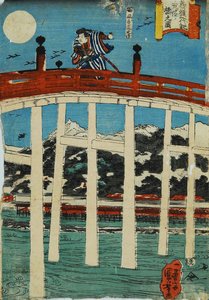
- Die Gōjō-Brücke: Dieses Triptych von 1839 zeigte Kuniyoshis thematischen Stil, der das öffentliche Interesse an dem Schrecklichen, Aufregenden und Bizarren befriedigte.
**einfluss und vermächtnis**
Kuniyoshis Kunstwerke integrierten Aspekte westlicher Darstellung in Landschaftsmalerei und Karikatur. Sein Einfluss auf die Ukiyo-e-Kunst ist in seiner einzigartigen Mischung aus traditionellen japanischen Elementen mit westlichen Techniken erkennbar.- Betrachten Sie Kuniyoshis Selbstporträt des Shunga-Albums (Ukiyo-e) auf ArtsDot.
- Erkunden Sie weitere Werke von Utagawa Kuniyoshi auf ArtsDot.
- Lesen Sie mehr über Utagawa Kuniyoshi auf Wikipedia.
**schlussfolgerung**
Utagawa Kuniyoshi bleibt eine bedeutende Figur in der japanischen Ukiyo-e-Kunst, bekannt für seine vielfältigen Themen und die innovative Mischung aus traditionellen und westlichen Techniken. Sein Vermächtnis inspiriert weiterhin Künstler und Kunstliebhaber gleichermaßen. **Wichtig:** Dieser Artikel basiert auf den bereitgestellten Informationen von ArtsDot.com und Wikipedia.org, wobei der Schwerpunkt auf Kuniyoshis Biografie, künstlerischer Karriere, bemerkenswerten Werken, Einfluss und Vermächtnis liegt.
Utagawa Kuniyoshi
1797 - 1861 , Japan
Kurzinfos
- Bemerkenswerte Werke:
- Suikoden-Heldenreihe
- Geist von Taira no Tomomori
- Gōjō-Brücke
- Geburtsdatum: 1. Januar 1798
- Geburtsort (Stadt, Land): Tokio, Japan
- Künstler Oder Bewegungen, Die Von Diesem Künstler Beeinflusst Wurden: ['Tsukioka Yoshitoshi']
- Künstler, Die Diesen Künstler Beeinflussten: ['Utagawa Toyokuni']
- Künstlerische Bewegung/Stil: Ukiyo-e
- Nationalität: Japanisch
- Todatum: 14. April 1861
- Vollständiger Name: Utagawa Kuniyoshi
Ähnliche Artikel
Utagawa Kuniyoshi: Narrative Innovation und die Verschmelzung von Tradition mit Populärkultur – Eine Studie zum Meister des japanischen Ukiyo-e
Entdecken Sie Utagawa Kuniyoshi, den Meister des japanischen Ukiyo-e! Erfahren Sie mehr über seine narrative Innovation, die Verschmelzung von Tradition und Populärkultur sowie seine einzigartige Technik. Jetzt lesen!

Katsushika Hokusai: Die 25 Meisterwerke des Ukiyo-e – Kunst für Ihr Zuhause | ArtsDot
Entdecken Sie die 25 Meisterwerke von Katsushika Hokusai! Tauchen Sie ein in die Welt des Ukiyo-e, berühmte Holzschnitte wie 'Die große Welle' & Fuji-Ansichten. Hochwertige Kunstdrucke für Ihr Zuhause – jetzt auf ArtsDot.com!
Ukiyo-e: Exploring Japan's Floating World & Enduring Artistic Legacy
Explore the captivating world of Ukiyo-e – Japan's iconic woodblock prints! Discover masters like Hokusai & Hiroshige, learn about Edo period culture, and find expert art collecting guidance at ArtsDot.
Tsukioka Yoshitoshi: Der letzte Glanz des Ukiyo-e – Narrative, Innovation und der Wandel im Meiji-Zeitalter
Entdecken Sie das faszinierende Werk von Tsukioka Yoshitoshi, dem letzten Meister des Ukiyo-e. Erfahren Sie mehr über seine Innovationen, den Einfluss der Meiji-Zeit und die bleibende Bedeutung seiner Kunst.
Suzuki Harunobu und die Vollendung des Ukiyo-e: Revolution der Farbgebung im Edo-Zeitalter
Entdecken Sie die Revolution der Farbgebung im Ukiyo-e mit Suzuki Harunobu! Erfahren Sie mehr über seine innovativen Drucktechniken, lyrischen Werke und seinen Einfluss auf den Japonismus. Expertenwissen & hochwertige Reproduktionen.