 Vorschau anzeigen
 Versenden
 Teilen
 Details anzeigen

 Herunterladen
 Ähnliche Objekte
 Röntgenaufnahme
 Diashow
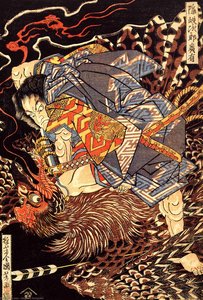
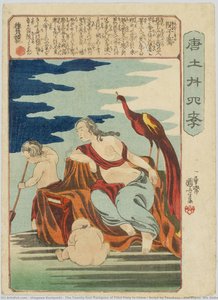
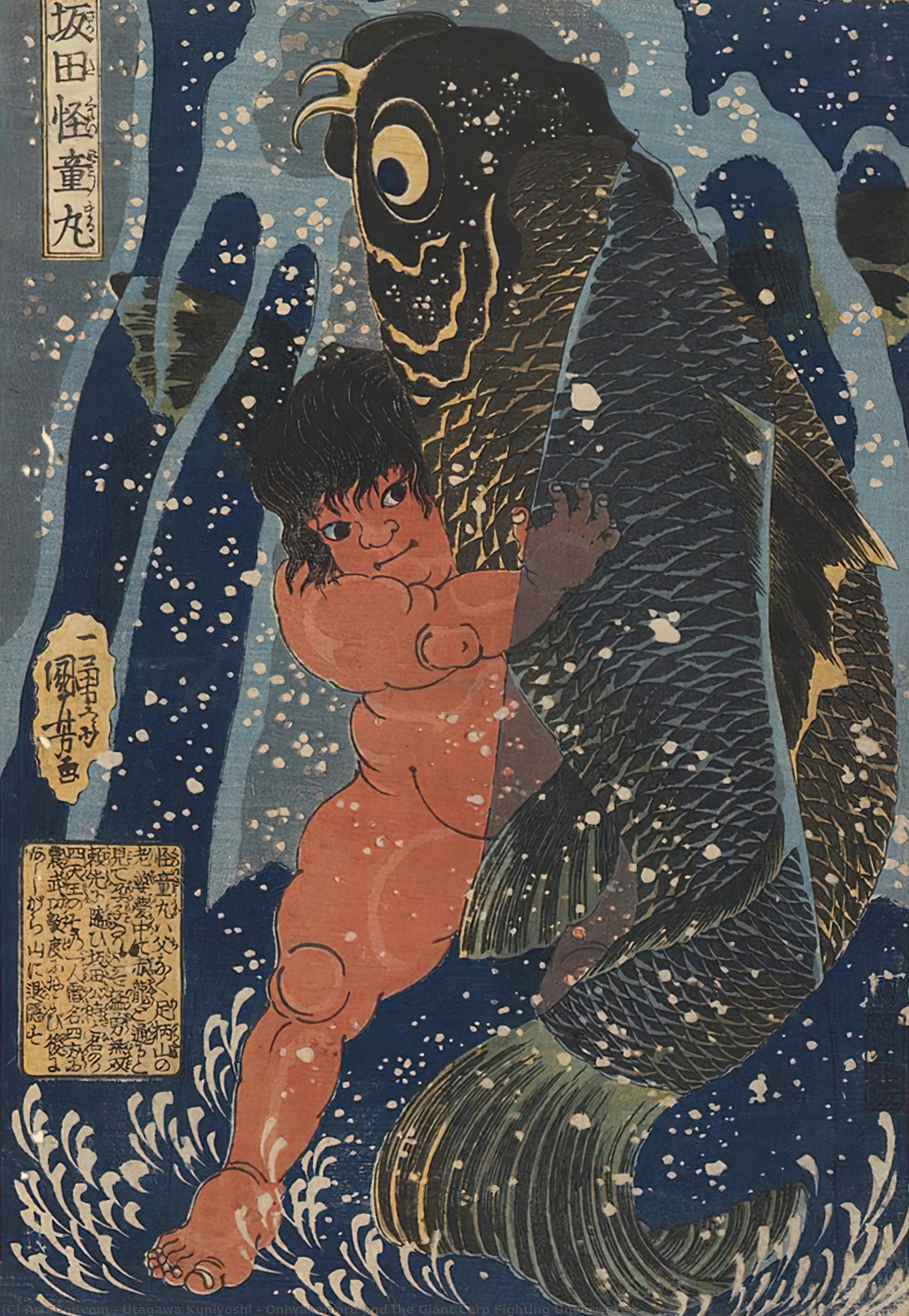
Oniwakamaru and the Giant Carp Fighting Underwater
 Woodblock Print
- Ukiyo-e
 1835
1835- 19th Century
 38.0 x 26.0 cm
 Weiterlesen
Giclée / Kunstdruck
Giclée- oder Leinwanddruck in Museumsqualität mit schneller Produktion und flexiblen Veredelungsoptionen. ( Handgemalte Reproduktion bestellen Bild kaufen)




P118B $10

P118H $10

P118W $10

P438Z $10

P508JH $12

P508YH $12

P805H $10

P805Z $10

P919BZ $10

P919G $10

P919XJ $10

P959ZH $10

P968JZ $12

W106C $8

W218G $10

W218JH $8

W218Y $10

W307PJ $10

W316G $10

W316PJ $8

W316Y $10

W398PJ $8

W4111J $10

W500HY $15

W500JH $15

W692G $12

W849H $8

W940BG $15

W953PJ $8




Wählen Sie aus unseren vordefinierten Formaten, die den ursprünglichen Proportionen des Kunstwerks entsprechen.

Sie können Ihre eigenen Maße eingeben, um ein bestimmtes Format oder einen speziellen Platz einzupassen. Wenn das von Ihnen gewählte Format nicht den Proportionen des Originalbildes entspricht, werden wir das Kunstwerk entweder beschneiden oder das Bild mit einem gespiegelten oder einfarbigen Rand erweitern. Ein digitaler Entwurf wird Ihnen zur Genehmigung zugesandt, bevor die Produktion beginnt.
Bitte beachten Sie, dass die Vorschau auf dem Bildschirm nicht den tatsächlichen Zuschnitt oder die Erweiterung widerspiegelt. Nur der Entwurf zeigt die endgültige Komposition präzise an.
Obwohl Sondermaße verfügbar sind, empfehlen wir die Auswahl eines Maßes aus der vordefinierten Liste, um die ursprünglichen Proportionen zu bewahren.
Weltweiter Versand () innerhalb von 2 Wochen statt der üblichen 4/5 Wochen. (24 August)

Kostenloser weltweiter Expressversand

Hochwertige Leinenleinwand

Umfassender Versicherungsschutz beim Versand

Zollgebühren-Rückerstattungsgarantie

Garantie für exakte Farbtreue

60 Tage Rückgaberecht (nur bei Mängeln)

100% Geld-zurück-Garantie

Mengenrabatt verfügbar
 Die Glasoption ist nur für Größen unter 110 cm verfügbar.

Oniwakamaru and the Giant Carp Fighting Underwater
Giclée / Kunstdruck
Format der Reproduktion
-


Gesamtpreis
$ 62
Sammlerstück-Beschreibung
Utagawa Kuniyoshi's "Oniwakamaru and the Giant Carp Fighting Underwater" – A Dance of Myth and Emotion
Utagawa Kuniyoshi’s “Oniwakamaru and the Giant Carp Fighting Underwater,” painted in 1835, is more than just a depiction of a fantastical scene; it's a vibrant testament to the enduring power of Japanese folklore and the masterful skill of one of its last great ukiyo-e masters. This captivating work transports us to a world where heroic figures confront mythical creatures within a swirling, dynamic underwater realm – a signature element of Kuniyoshi’s oeuvre. Measuring 38 x 26 cm, the painting immediately draws the eye with its bold color palette dominated by rich blues and punctuated by the striking red of the woman's dress, creating an immediate sense of drama and visual excitement.
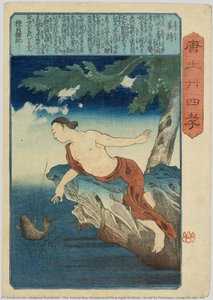
- Subject Matter: The scene depicts Oniwakamaru, a legendary warrior known for his bravery and skill, engaged in a perilous battle with a colossal carp. This isn’t simply a fight; it's a protective act – the woman is desperately shielding a baby held within the carp’s mouth, suggesting themes of guardianship, vulnerability, and perhaps even rebirth.
- Ukiyo-e Technique: Kuniyoshi employs the traditional ukiyo-e woodblock printing technique with remarkable precision. The layering of colors achieved through multiple blocks creates a luminous quality, particularly evident in the depiction of the water’s surface and the shimmering scales of the carp.
- Composition & Movement: The dynamic composition, characteristic of Kuniyoshi's style, captures a moment of intense action. The swirling currents, the outstretched limbs of the figures, and the aggressive posture of the fish all contribute to a palpable sense of movement and energy.
A Window into the "Floating World"
Created during the Edo period (1603-1868), “Oniwakamaru…” exemplifies the *ukiyo-e* genre – literally translated as “pictures of the floating world.” This artistic movement flourished by capturing the ephemeral pleasures and popular culture of the time. Ukiyo-e prints weren’t merely decorative; they reflected societal values, religious beliefs, and entertainment trends. Kuniyoshi's work frequently drew inspiration from historical narratives, Buddhist legends, and emerging literary themes, reflecting a broader cultural landscape obsessed with heroism, beauty, and the transient nature of existence.
The choice of subject matter – a warrior protecting an infant – speaks to the core values of Japanese society: loyalty, filial piety, and the preservation of life. The inclusion of fantastical elements like the giant carp further emphasizes the blending of reality and myth that was so central to ukiyo-e’s appeal.
Symbolism and Emotional Resonance
Beyond its narrative content, “Oniwakamaru…” is rich in symbolic meaning. The giant carp itself holds significant cultural weight in Japan, often associated with prosperity, longevity, and good fortune. Its role as a protector of a child adds another layer of symbolism – representing the nurturing power of nature and the safeguarding of future generations. Kuniyoshi’s masterful use of color—the vibrant red against the cool blues—heightens the emotional impact of the scene, evoking feelings of both danger and tenderness.
The two figures in the background, subtly integrated into the composition, add to the sense of depth and narrative complexity, suggesting a wider context for this extraordinary encounter.
Collecting a Masterpiece – A Reproduction Opportunity
ArtsDot.com is proud to offer meticulously crafted oil painting reproductions of “Oniwakamaru and the Giant Carp Fighting Underwater,” allowing art lovers worldwide to experience the brilliance of Utagawa Kuniyoshi’s vision. This hand-painted reproduction captures not only the visual details but also the emotional depth and artistic skill that defined Kuniyoshi's legacy. Perfect for interior design, art collectors, or anyone seeking a unique piece of Japanese art history, this reproduction provides an accessible way to own a truly remarkable artwork.
Ähnliche Kunstwerke
Über den Künstler
**biografie und künstlerische beiträge**
Utagawa Kuniyoshi, ein renommierter japanischer Künstler, wurde am 1. januar 1798 in Japan geboren und verstarb am 14. april 1861. Er war einer der letzten großen Meister des japanischen Ukiyo-e-Stils der Holzschnitte und Malerei und Mitglied der Utagawa-Schule.**frühes leben und ausbildung**
Kuniyoshis frühes Leben war geprägt von seiner Unterstützung im Seidenfärbebetrieb seines Vaters, wo er ein Auge für Farbe und Textilmuster entwickelte. Im Alter von sieben oder acht Jahren beeindruckten ihn ukiyo-e-Kriegerdrucke und Bilder von Handwerkern, die später seine eigene Arbeit beeinflussten.**künstlerische karriere**
Kuniyoshis künstlerisches Talent wurde mit 12 Jahren erkannt, was zu einer Lehrlingsausbildung unter dem berühmten Ukiyo-e-Druckmeister Utagawa Toyokuni führte. Er wurde zu einem der wichtigsten Schüler von Toyokuni und erhielt 1811 den Namen "Kuniyoshi". Seine erste veröffentlichte Arbeit, die Illustrationen für Kusazōshi Gōkan Gobuji Chūshingura, eine Parodie auf die ursprüngliche Chūshingura-Geschichte, markierte sein Debüt als unabhängiger Künstler.**bedeutende Werke und Beiträge**
- Einhundert acht Helden des beliebten Suikōden: Diese Reihe, basierend auf der chinesischen Erzählung Shuihu Zhuan, zeigte Kuniyoshis einzigartigen Stil und wurde in Edo äußerst beliebt.
- Der Geist von Taira no Tomomori in der Daimotsu-Bucht: Diese Arbeit demonstrierte Kuniyoshis Fähigkeit, eine wirkungsvolle Intensität des Kampfgeschehens hervorzurufen.
- Die Gōjō-Brücke: Dieses Triptych von 1839 zeigte Kuniyoshis thematischen Stil, der das öffentliche Interesse an dem Schrecklichen, Aufregenden und Bizarren befriedigte.
**einfluss und vermächtnis**
Kuniyoshis Kunstwerke integrierten Aspekte westlicher Darstellung in Landschaftsmalerei und Karikatur. Sein Einfluss auf die Ukiyo-e-Kunst ist in seiner einzigartigen Mischung aus traditionellen japanischen Elementen mit westlichen Techniken erkennbar.- Betrachten Sie Kuniyoshis Selbstporträt des Shunga-Albums (Ukiyo-e) auf ArtsDot.
- Erkunden Sie weitere Werke von Utagawa Kuniyoshi auf ArtsDot.
- Lesen Sie mehr über Utagawa Kuniyoshi auf Wikipedia.
**schlussfolgerung**
Utagawa Kuniyoshi bleibt eine bedeutende Figur in der japanischen Ukiyo-e-Kunst, bekannt für seine vielfältigen Themen und die innovative Mischung aus traditionellen und westlichen Techniken. Sein Vermächtnis inspiriert weiterhin Künstler und Kunstliebhaber gleichermaßen. **Wichtig:** Dieser Artikel basiert auf den bereitgestellten Informationen von ArtsDot.com und Wikipedia.org, wobei der Schwerpunkt auf Kuniyoshis Biografie, künstlerischer Karriere, bemerkenswerten Werken, Einfluss und Vermächtnis liegt.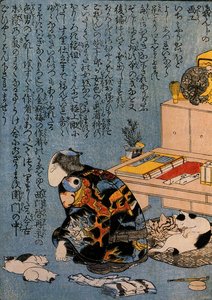
Utagawa Kuniyoshi
1797 - 1861 , Japan
Kurzinfos
- Bemerkenswerte Werke:
- Suikoden-Heldenreihe
- Geist von Taira no Tomomori
- Gōjō-Brücke
- Geburtsdatum: 1. Januar 1798
- Geburtsort (Stadt, Land): Tokio, Japan
- Künstler Oder Bewegungen, Die Von Diesem Künstler Beeinflusst Wurden: ['Tsukioka Yoshitoshi']
- Künstler, Die Diesen Künstler Beeinflussten: ['Utagawa Toyokuni']
- Künstlerische Bewegung/Stil: Ukiyo-e
- Nationalität: Japanisch
- Todatum: 14. April 1861
- Vollständiger Name: Utagawa Kuniyoshi
Ähnliche Artikel

Katsushika Hokusai: Die 25 Meisterwerke des Ukiyo-e – Kunst für Ihr Zuhause | ArtsDot
Entdecken Sie die 25 Meisterwerke von Katsushika Hokusai! Tauchen Sie ein in die Welt des Ukiyo-e, berühmte Holzschnitte wie 'Die große Welle' & Fuji-Ansichten. Hochwertige Kunstdrucke für Ihr Zuhause – jetzt auf ArtsDot.com!
Utagawa Kuniyoshi: Narrative Innovation und die Verschmelzung von Tradition mit Populärkultur – Eine Studie zum Meister des japanischen Ukiyo-e
Entdecken Sie Utagawa Kuniyoshi, den Meister des japanischen Ukiyo-e! Erfahren Sie mehr über seine narrative Innovation, die Verschmelzung von Tradition und Populärkultur sowie seine einzigartige Technik. Jetzt lesen!
Ukiyo-e: Exploring Japan's Floating World & Enduring Artistic Legacy
Explore the captivating world of Ukiyo-e – Japan's iconic woodblock prints! Discover masters like Hokusai & Hiroshige, learn about Edo period culture, and find expert art collecting guidance at ArtsDot.
Tsukioka Yoshitoshi: Der letzte Glanz des Ukiyo-e – Narrative, Innovation und der Wandel im Meiji-Zeitalter
Entdecken Sie das faszinierende Werk von Tsukioka Yoshitoshi, dem letzten Meister des Ukiyo-e. Erfahren Sie mehr über seine Innovationen, den Einfluss der Meiji-Zeit und die bleibende Bedeutung seiner Kunst.
Suzuki Harunobu und die Vollendung des Ukiyo-e: Revolution der Farbgebung im Edo-Zeitalter
Entdecken Sie die Revolution der Farbgebung im Ukiyo-e mit Suzuki Harunobu! Erfahren Sie mehr über seine innovativen Drucktechniken, lyrischen Werke und seinen Einfluss auf den Japonismus. Expertenwissen & hochwertige Reproduktionen.