 Vorschau anzeigen
 Versenden
 Teilen
 Details anzeigen

 Herunterladen
 Ähnliche Objekte
 Röntgenaufnahme
 Diashow
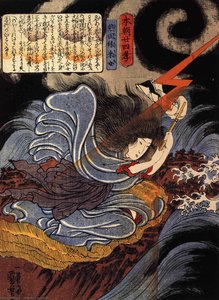
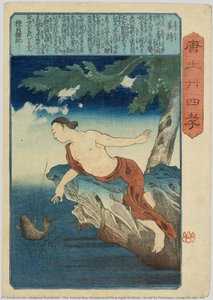
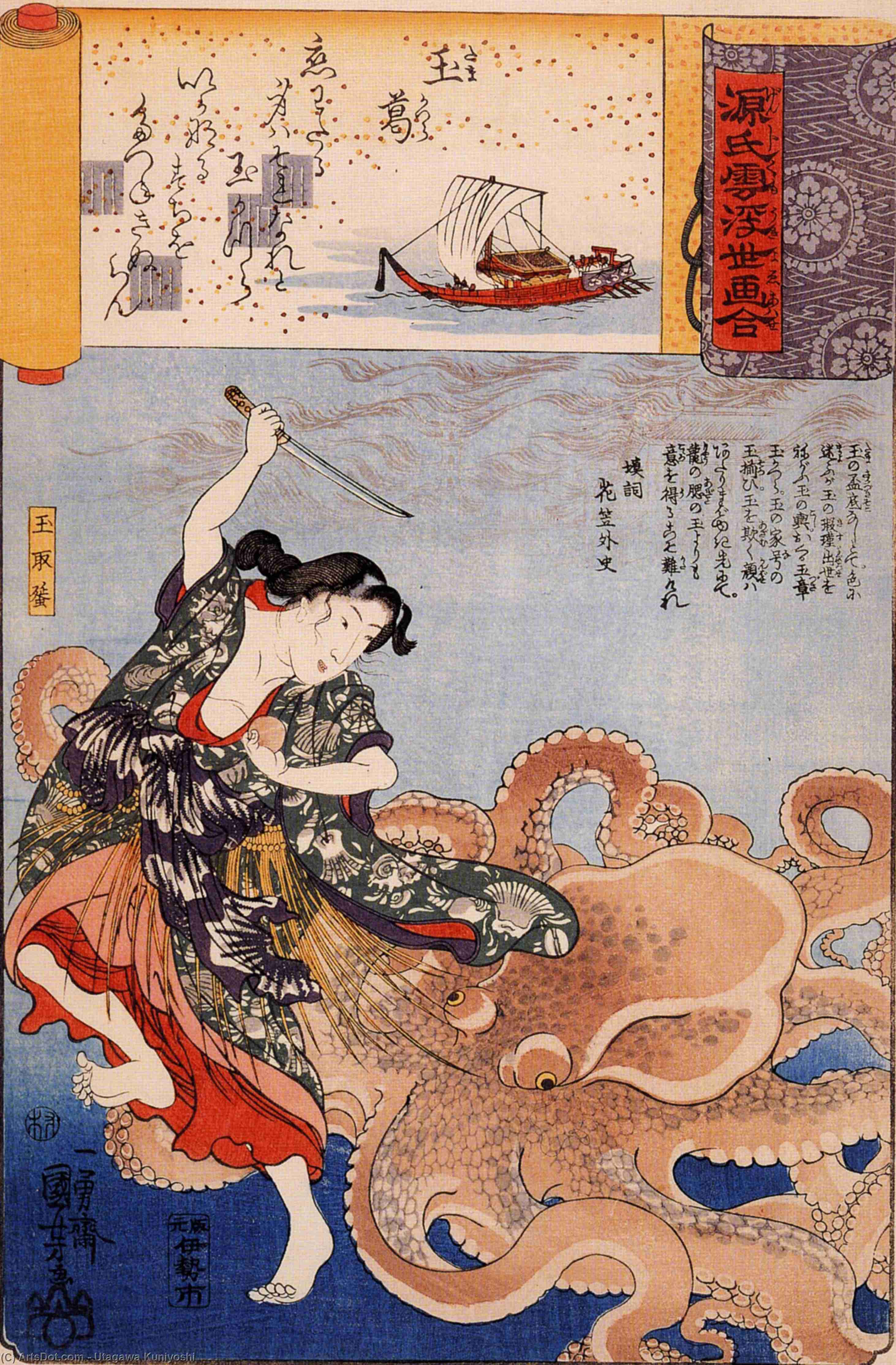
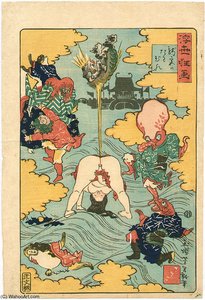
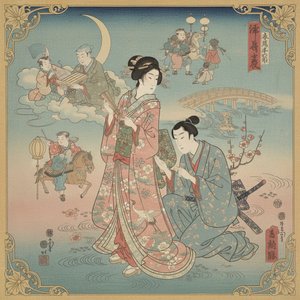
Tamakatzura Tamatori attacked by the octopus

 Weiterlesen
Handgefertigte Ölreproduktion
Handgemaltes Ölgemälde auf Leinwand in Ihrer Wunschgröße und mit Rahmen, auf Bestellung von unseren Künstlern angefertigt. ( Druck bestellen Bild kaufen)




P118B $10

P118H $10

P118W $10

P438Z $10

P508JH $12

P508YH $12

P805H $10

P805Z $10

P919BZ $10

P919G $10

P919XJ $10

P959ZH $10

P968JZ $12

W106C $8

W218G $10

W218JH $8

W218Y $10

W307PJ $10

W316G $10

W316PJ $8

W316Y $10

W398PJ $8

W4111J $10

W500HY $15

W500JH $15

W692G $12

W849H $8

W940BG $15

W953PJ $8




Wählen Sie aus unseren vordefinierten Formaten, die den ursprünglichen Proportionen des Kunstwerks entsprechen.

Sie können Ihre eigenen Maße eingeben, um einen bestimmten Rahmen oder Platz auszufüllen. Wenn die gewählte Größe nicht den Proportionen des Originalbildes entspricht, werden wir das Kunstwerk entweder beschneiden oder das Gemälde durch zusätzliche, handgemalte Elemente erweitern. Ein digitales Mockup wird Ihnen zur Genehmigung zugesandt, bevor die Produktion beginnt.
Bitte beachten Sie, dass die Bildschirmvorschau nicht die tatsächliche Beschneidung oder Erweiterung widerspiegelt. Nur das Mockup zeigt die endgültige Komposition exakt an.
Obwohl Sondermaße verfügbar sind, empfehlen wir, eine Größe aus der vordefinierten Liste zu wählen, um die ursprünglichen Proportionen beizubehalten.
Nach der Bestellung wird das ArtsDot.com-Team dem Kunden Anweisungen per E-Mail zusenden und eine Mockup-Vorschau bereitstellen.
Weltweiter Versand () in nur 3 bis 4 Wochen statt der üblichen 5 Wochen. (30 August). Keine Kompromisse bei der Qualität.

Kostenloser weltweiter Expressversand

Hochwertige Leinenleinwand

Umfassender Versicherungsschutz beim Versand

Zollgebühren-Rückerstattungsgarantie

Garantie für exakte Farbtreue

60 Tage Rückgaberecht (nur bei Mängeln)

100% Geld-zurück-Garantie

Mengenrabatt verfügbar
 Die Glasoption ist nur für Größen unter 110 cm verfügbar.

Tamakatzura Tamatori attacked by the octopus
Art der Reproduktion
Format der Reproduktion
-


Gesamtpreis
$ 263
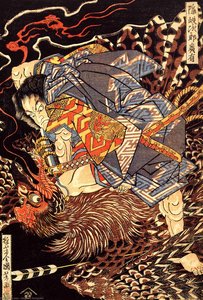
A Warrior Ascendant: Kuniyoshi’s Confrontation with Leviathan
The canvas breathes with an energy born of both martial prowess and primal terror – Utagawa Kuniyoshi's *Giant Squid Attack*, completed in 1853, stands as a testament to the artist’s mastery of *ukiyo-e* and his ability to distill complex narratives into breathtaking visual representations. This monumental print captures a pivotal moment from Japanese folklore: a valiant samurai battling a colossal squid that threatens to engulf his vessel. More than just a depiction of combat, it's an exploration of courage against overwhelming odds and a reflection on humanity’s precarious relationship with the forces of nature.Style and Composition – Dynamism Defined
Kuniyoshi’s signature style is characterized by its dramatic dynamism—a hallmark of the Edo period aesthetic. Unlike earlier prints that favored static poses, *Giant Squid Attack* explodes with movement. The swirling currents of the sea propel the samurai forward, while the squid itself writhes in a furious dance of tentacles and suction cups. Kuniyoshi employs a masterful use of perspective to heighten this sense of immediacy, drawing the viewer into the turbulent scene as if they were witnessing the battle firsthand. The composition is meticulously balanced—the samurai occupies the central axis, anchoring the image against the chaotic backdrop of the squid’s assault.Technique – Mastering Color and Line
Kuniyoshi's technique exemplifies the precision demanded by *ukiyo-e*. He utilizes a combination of woodblock printing and watercolor pigments to achieve unparalleled tonal range and luminosity. The artist painstakingly carved intricate linework onto wooden blocks, establishing the foundational structure of the print. These lines delineate the contours of the samurai’s body, the squid's tentacles, and the waves crashing against the boat—creating a detailed topographical map of the battlefield. Watercolor washes layered over the woodblocks infuse the image with vibrant hues—deep blues and greens representing the ocean depths, contrasted by flashes of scarlet highlighting the samurai’s sword and the squid’s menacing eyes.Historical Context – Echoes of Myth and Ritual
The print draws heavily upon Japanese mythology and ritual traditions surrounding giant squids (*kumomo*). These creatures were considered divine beings in ancient times, embodying both destructive power and benevolent protection. Samurai warriors often invoked mythical figures to bolster their resolve during perilous expeditions—a practice that underscores the significance of this particular episode within Edo society. The image reflects anxieties about maritime disasters prevalent during the mid-19th century, when Japan faced increasing pressure from Western powers seeking access to its resources. Kuniyoshi’s depiction serves as a powerful reminder of Japan's enduring connection to its folklore and its willingness to confront formidable challenges with unwavering determination.Symbolism – Courage Amidst Chaos
Beyond its narrative content, *Giant Squid Attack* is laden with symbolic meaning. The samurai embodies resilience—his steadfast gaze and resolute stance symbolize the triumph of spirit over circumstance. The squid represents chaos—its overwhelming size and aggressive behavior embody the destructive forces that threaten human existence. Yet, despite facing imminent peril, the samurai maintains his composure, demonstrating the importance of inner fortitude in overcoming adversity. The sword itself symbolizes protection—a weapon wielded with courage and conviction against an insurmountable foe.Emotional Impact – Inspiring Reverence for Strength
Ultimately, Kuniyoshi’s *Giant Squid Attack* transcends mere visual representation; it evokes a profound emotional response. The print inspires awe at the artist's technical skill and reverence for the samurai spirit—a celebration of courage, honor, and unwavering resolve. It serves as an enduring emblem of Japan’s cultural heritage—a reminder that even in the face of overwhelming odds, humanity can prevail through bravery and determination. Its dramatic composition and luminous color palette continue to captivate audiences today, cementing Kuniyoshi's legacy as one of the greatest masters of *ukiyo-e*.Ähnliche Kunstwerke
Über den Künstler
**biografie und künstlerische beiträge**
Utagawa Kuniyoshi, ein renommierter japanischer Künstler, wurde am 1. januar 1798 in Japan geboren und verstarb am 14. april 1861. Er war einer der letzten großen Meister des japanischen Ukiyo-e-Stils der Holzschnitte und Malerei und Mitglied der Utagawa-Schule.**frühes leben und ausbildung**
Kuniyoshis frühes Leben war geprägt von seiner Unterstützung im Seidenfärbebetrieb seines Vaters, wo er ein Auge für Farbe und Textilmuster entwickelte. Im Alter von sieben oder acht Jahren beeindruckten ihn ukiyo-e-Kriegerdrucke und Bilder von Handwerkern, die später seine eigene Arbeit beeinflussten.**künstlerische karriere**
Kuniyoshis künstlerisches Talent wurde mit 12 Jahren erkannt, was zu einer Lehrlingsausbildung unter dem berühmten Ukiyo-e-Druckmeister Utagawa Toyokuni führte. Er wurde zu einem der wichtigsten Schüler von Toyokuni und erhielt 1811 den Namen "Kuniyoshi". Seine erste veröffentlichte Arbeit, die Illustrationen für Kusazōshi Gōkan Gobuji Chūshingura, eine Parodie auf die ursprüngliche Chūshingura-Geschichte, markierte sein Debüt als unabhängiger Künstler.**bedeutende Werke und Beiträge**
- Einhundert acht Helden des beliebten Suikōden: Diese Reihe, basierend auf der chinesischen Erzählung Shuihu Zhuan, zeigte Kuniyoshis einzigartigen Stil und wurde in Edo äußerst beliebt.
- Der Geist von Taira no Tomomori in der Daimotsu-Bucht: Diese Arbeit demonstrierte Kuniyoshis Fähigkeit, eine wirkungsvolle Intensität des Kampfgeschehens hervorzurufen.
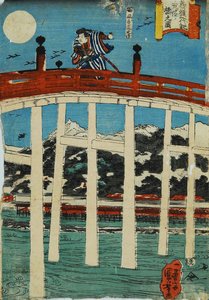
- Die Gōjō-Brücke: Dieses Triptych von 1839 zeigte Kuniyoshis thematischen Stil, der das öffentliche Interesse an dem Schrecklichen, Aufregenden und Bizarren befriedigte.
**einfluss und vermächtnis**
Kuniyoshis Kunstwerke integrierten Aspekte westlicher Darstellung in Landschaftsmalerei und Karikatur. Sein Einfluss auf die Ukiyo-e-Kunst ist in seiner einzigartigen Mischung aus traditionellen japanischen Elementen mit westlichen Techniken erkennbar.- Betrachten Sie Kuniyoshis Selbstporträt des Shunga-Albums (Ukiyo-e) auf ArtsDot.
- Erkunden Sie weitere Werke von Utagawa Kuniyoshi auf ArtsDot.
- Lesen Sie mehr über Utagawa Kuniyoshi auf Wikipedia.
**schlussfolgerung**
Utagawa Kuniyoshi bleibt eine bedeutende Figur in der japanischen Ukiyo-e-Kunst, bekannt für seine vielfältigen Themen und die innovative Mischung aus traditionellen und westlichen Techniken. Sein Vermächtnis inspiriert weiterhin Künstler und Kunstliebhaber gleichermaßen. **Wichtig:** Dieser Artikel basiert auf den bereitgestellten Informationen von ArtsDot.com und Wikipedia.org, wobei der Schwerpunkt auf Kuniyoshis Biografie, künstlerischer Karriere, bemerkenswerten Werken, Einfluss und Vermächtnis liegt.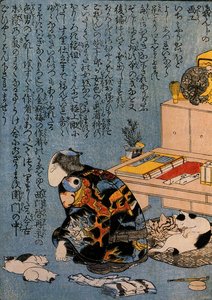
Utagawa Kuniyoshi
1797 - 1861 , Japan
Kurzinfos
- Bemerkenswerte Werke:
- Suikoden-Heldenreihe
- Geist von Taira no Tomomori
- Gōjō-Brücke
- Geburtsdatum: 1. Januar 1798
- Geburtsort (Stadt, Land): Tokio, Japan
- Künstler Oder Bewegungen, Die Von Diesem Künstler Beeinflusst Wurden: ['Tsukioka Yoshitoshi']
- Künstler, Die Diesen Künstler Beeinflussten: ['Utagawa Toyokuni']
- Künstlerische Bewegung/Stil: Ukiyo-e
- Nationalität: Japanisch
- Todatum: 14. April 1861
- Vollständiger Name: Utagawa Kuniyoshi
Ähnliche Artikel
Utagawa Kuniyoshi: Narrative Innovation und die Verschmelzung von Tradition mit Populärkultur – Eine Studie zum Meister des japanischen Ukiyo-e
Entdecken Sie Utagawa Kuniyoshi, den Meister des japanischen Ukiyo-e! Erfahren Sie mehr über seine narrative Innovation, die Verschmelzung von Tradition und Populärkultur sowie seine einzigartige Technik. Jetzt lesen!

Katsushika Hokusai: Die 25 Meisterwerke des Ukiyo-e – Kunst für Ihr Zuhause | ArtsDot
Entdecken Sie die 25 Meisterwerke von Katsushika Hokusai! Tauchen Sie ein in die Welt des Ukiyo-e, berühmte Holzschnitte wie 'Die große Welle' & Fuji-Ansichten. Hochwertige Kunstdrucke für Ihr Zuhause – jetzt auf ArtsDot.com!
Ukiyo-e: Exploring Japan's Floating World & Enduring Artistic Legacy
Explore the captivating world of Ukiyo-e – Japan's iconic woodblock prints! Discover masters like Hokusai & Hiroshige, learn about Edo period culture, and find expert art collecting guidance at ArtsDot.
Floating World: The Captivating Art and Legacy of Japanese Ukiyo-e
Explore the profound beauty of Japanese Ukiyo-e. Discover the history, masters like Hokusai, and the enduring legacy of the 'Floating World' through an expert art-historical lens.
Suzuki Harunobu und die Vollendung des Ukiyo-e: Revolution der Farbgebung im Edo-Zeitalter
Entdecken Sie die Revolution der Farbgebung im Ukiyo-e mit Suzuki Harunobu! Erfahren Sie mehr über seine innovativen Drucktechniken, lyrischen Werke und seinen Einfluss auf den Japonismus. Expertenwissen & hochwertige Reproduktionen.