 Vorschau anzeigen
 Versenden
 Teilen
 Details anzeigen

 Herunterladen
 Ähnliche Objekte
 Röntgenaufnahme
 Diashow
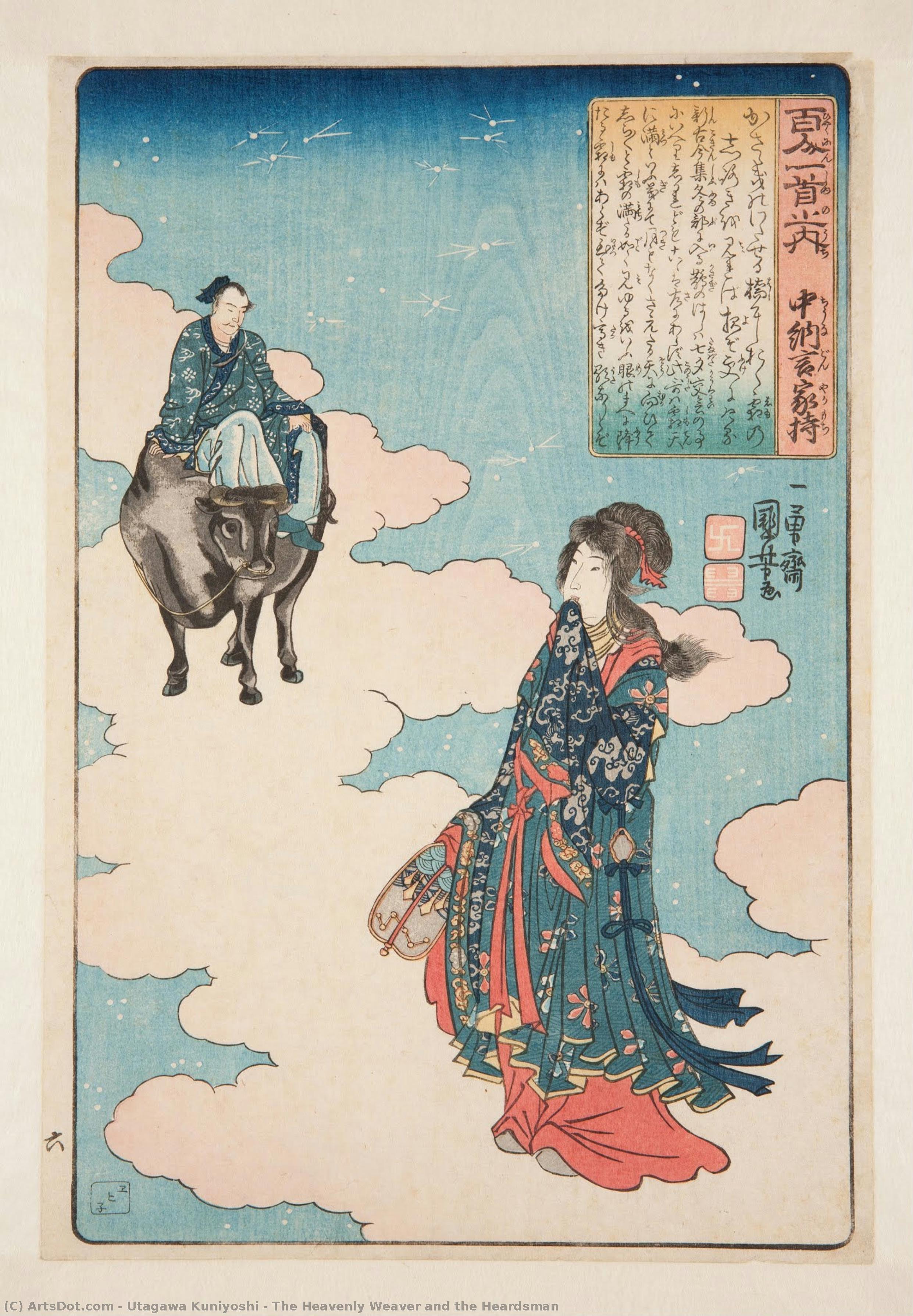
The Heavenly Weaver and the Heardsman


 Weiterlesen
Giclée / Kunstdruck
Giclée- oder Leinwanddruck in Museumsqualität mit schneller Produktion und flexiblen Veredelungsoptionen. ( Handgemalte Reproduktion bestellen Bild kaufen)




P118B $10

P118H $10

P118W $10

P438Z $10

P508JH $12

P508YH $12

P805H $10

P805Z $10

P919BZ $10

P919G $10

P919XJ $10

P959ZH $10

P968JZ $12

W106C $8

W218G $10

W218JH $8

W218Y $10

W307PJ $10

W316G $10

W316PJ $8

W316Y $10

W398PJ $8

W4111J $10

W500HY $15

W500JH $15

W692G $12

W849H $8

W940BG $15

W953PJ $8




Wählen Sie aus unseren vordefinierten Formaten, die den ursprünglichen Proportionen des Kunstwerks entsprechen.

Sie können Ihre eigenen Maße eingeben, um ein bestimmtes Format oder einen speziellen Platz einzupassen. Wenn das von Ihnen gewählte Format nicht den Proportionen des Originalbildes entspricht, werden wir das Kunstwerk entweder beschneiden oder das Bild mit einem gespiegelten oder einfarbigen Rand erweitern. Ein digitaler Entwurf wird Ihnen zur Genehmigung zugesandt, bevor die Produktion beginnt.
Bitte beachten Sie, dass die Vorschau auf dem Bildschirm nicht den tatsächlichen Zuschnitt oder die Erweiterung widerspiegelt. Nur der Entwurf zeigt die endgültige Komposition präzise an.
Obwohl Sondermaße verfügbar sind, empfehlen wir die Auswahl eines Maßes aus der vordefinierten Liste, um die ursprünglichen Proportionen zu bewahren.
Weltweiter Versand () innerhalb von 2 Wochen statt der üblichen 4/5 Wochen. (5 September)

Kostenloser weltweiter Expressversand

Hochwertige Leinenleinwand

Umfassender Versicherungsschutz beim Versand

Zollgebühren-Rückerstattungsgarantie

Garantie für exakte Farbtreue

60 Tage Rückgaberecht (nur bei Mängeln)

100% Geld-zurück-Garantie

Mengenrabatt verfügbar
 Die Glasoption ist nur für Größen unter 110 cm verfügbar.

The Heavenly Weaver and the Heardsman
Giclée / Kunstdruck
Format der Reproduktion
-


Gesamtpreis
$ 62
Utagawa Kuniyoshi: A Pioneer of Narrative Innovation in Japanese Woodblock Prints
Utagawa Kuniyoshi (1798-1861) stands as an undisputed titan amongst the luminaries of *ukiyo-e*, the “pictures of the floating world”—a visual chronicle of Edo Japan that continues to captivate audiences centuries later. Unlike many of his contemporaries who focused on static depictions of landscapes or portraits, Kuniyoshi revolutionized the genre by prioritizing storytelling and dramatic composition, cementing his place as a true innovator whose influence reverberates throughout Japanese art history. His formative years were spent assisting his father in the silk dyeing trade, an experience that instilled within him a profound appreciation for color and pattern—sensibilities he would skillfully translate into his monumental prints. From humble beginnings, Kuniyoshi ascended to become one of Japan’s most celebrated artists, earning acclaim for his masterful command of technique and his ability to convey complex narratives with breathtaking visual clarity.The Heavenly Weaver and the Heardsman: A Poem Illuminated
This striking woodblock print, titled “The Heavenly Weaver and the Heardsman,” exemplifies Kuniyoshi's signature style—a fusion of meticulous detail and dynamic movement that elevates a simple poem into a visually arresting experience. Drawn from Ōtomo no Yakamochi’s celebrated anthology, "One Hundred Poems by One Hundred Poets," the print captures the essence of Tanabata, Japan’s annual festival honoring the celestial lovers Hikari (the Heavenly Weaver) and Tatsuta Ryūjin (the Heardsman), who are separated by the Milky Way until their reunion on this auspicious date. Kuniyoshi's artistic vision brilliantly translates the poem’s melancholic beauty into a visual tapestry brimming with symbolic richness. The composition is dominated by two figures—a woman seated gracefully upon a horse and her companion standing beside her—each rendered with exquisite precision against a backdrop of towering mountains bathed in ethereal moonlight.Technique and Artistic Vision: Kuniyoshi's Legacy
Kuniyoshi’s mastery lay not merely in his technical prowess but also in his profound understanding of *ukiyo-e* conventions. He skillfully employed the techniques honed during his apprenticeship with Toyokuni I, utilizing a grain of woodblock that reveals subtle imperfections—a deliberate choice indicative of Kuniyoshi's belief that true artistry resided in embracing imperfection and conveying emotion authentically. The vibrant hues achieved through layering pigments onto the woodblock surface – primarily Prussian blue for the sky – demonstrate an unprecedented boldness compared to many of his predecessors, reflecting a growing fascination with Western artistic influences. Furthermore, Kuniyoshi’s masterful use of perspective and shading creates a palpable sense of depth and atmosphere, transporting viewers into the heart of the depicted scene.Symbolism and Emotional Resonance: Capturing the Spirit of Tanabata
Beyond its formal artistry, “The Heavenly Weaver and the Heardsman” resonates deeply with themes of longing, separation, and reconciliation—mirroring the core narrative of Tanabata itself. The woman on horseback embodies resilience and grace, while her companion represents steadfast devotion. Scattered birds throughout the print serve as visual metaphors for freedom and aspiration, symbolizing the desire to transcend earthly limitations and unite with loved ones. Kuniyoshi’s deliberate inclusion of these symbolic elements elevates the print beyond mere representation, transforming it into a powerful meditation on human emotion and spiritual yearning. The image evokes a poignant contemplation of enduring love and the bittersweet beauty of unattainable dreams—a timeless message that continues to inspire viewers today.A Timeless Masterpiece: Kuniyoshi's Enduring Influence
Utagawa Kuniyoshi’s contribution to *ukiyo-e* transcends stylistic trends; he fundamentally reshaped how artists approached storytelling and visual expression. His innovative compositions, coupled with his masterful command of color and technique, established him as a cornerstone of Japanese artistic heritage. Reproductions of “The Heavenly Weaver and the Heardsman,” alongside Kuniyoshi’s extensive oeuvre—including iconic series like *Suikoden*—remain treasured possessions for collectors and continue to inspire interior designers seeking to infuse their spaces with beauty and narrative depth. His legacy endures as a testament to the transformative power of art – a reminder that true artistry lies in capturing not just what is seen but also what is felt.Ähnliche Kunstwerke
Über den Künstler
**biografie und künstlerische beiträge**
Utagawa Kuniyoshi, ein renommierter japanischer Künstler, wurde am 1. januar 1798 in Japan geboren und verstarb am 14. april 1861. Er war einer der letzten großen Meister des japanischen Ukiyo-e-Stils der Holzschnitte und Malerei und Mitglied der Utagawa-Schule.**frühes leben und ausbildung**
Kuniyoshis frühes Leben war geprägt von seiner Unterstützung im Seidenfärbebetrieb seines Vaters, wo er ein Auge für Farbe und Textilmuster entwickelte. Im Alter von sieben oder acht Jahren beeindruckten ihn ukiyo-e-Kriegerdrucke und Bilder von Handwerkern, die später seine eigene Arbeit beeinflussten.**künstlerische karriere**
Kuniyoshis künstlerisches Talent wurde mit 12 Jahren erkannt, was zu einer Lehrlingsausbildung unter dem berühmten Ukiyo-e-Druckmeister Utagawa Toyokuni führte. Er wurde zu einem der wichtigsten Schüler von Toyokuni und erhielt 1811 den Namen "Kuniyoshi". Seine erste veröffentlichte Arbeit, die Illustrationen für Kusazōshi Gōkan Gobuji Chūshingura, eine Parodie auf die ursprüngliche Chūshingura-Geschichte, markierte sein Debüt als unabhängiger Künstler.**bedeutende Werke und Beiträge**
- Einhundert acht Helden des beliebten Suikōden: Diese Reihe, basierend auf der chinesischen Erzählung Shuihu Zhuan, zeigte Kuniyoshis einzigartigen Stil und wurde in Edo äußerst beliebt.
- Der Geist von Taira no Tomomori in der Daimotsu-Bucht: Diese Arbeit demonstrierte Kuniyoshis Fähigkeit, eine wirkungsvolle Intensität des Kampfgeschehens hervorzurufen.
- Die Gōjō-Brücke: Dieses Triptych von 1839 zeigte Kuniyoshis thematischen Stil, der das öffentliche Interesse an dem Schrecklichen, Aufregenden und Bizarren befriedigte.
**einfluss und vermächtnis**
Kuniyoshis Kunstwerke integrierten Aspekte westlicher Darstellung in Landschaftsmalerei und Karikatur. Sein Einfluss auf die Ukiyo-e-Kunst ist in seiner einzigartigen Mischung aus traditionellen japanischen Elementen mit westlichen Techniken erkennbar.- Betrachten Sie Kuniyoshis Selbstporträt des Shunga-Albums (Ukiyo-e) auf ArtsDot.
- Erkunden Sie weitere Werke von Utagawa Kuniyoshi auf ArtsDot.
- Lesen Sie mehr über Utagawa Kuniyoshi auf Wikipedia.
**schlussfolgerung**
Utagawa Kuniyoshi bleibt eine bedeutende Figur in der japanischen Ukiyo-e-Kunst, bekannt für seine vielfältigen Themen und die innovative Mischung aus traditionellen und westlichen Techniken. Sein Vermächtnis inspiriert weiterhin Künstler und Kunstliebhaber gleichermaßen. **Wichtig:** Dieser Artikel basiert auf den bereitgestellten Informationen von ArtsDot.com und Wikipedia.org, wobei der Schwerpunkt auf Kuniyoshis Biografie, künstlerischer Karriere, bemerkenswerten Werken, Einfluss und Vermächtnis liegt.
Utagawa Kuniyoshi
1797 - 1861 , Japan
Kurzinfos
- Bemerkenswerte Werke:
- Suikoden-Heldenreihe
- Geist von Taira no Tomomori
- Gōjō-Brücke
- Geburtsdatum: 1. Januar 1798
- Geburtsort (Stadt, Land): Tokio, Japan
- Künstler Oder Bewegungen, Die Von Diesem Künstler Beeinflusst Wurden: ['Tsukioka Yoshitoshi']
- Künstler, Die Diesen Künstler Beeinflussten: ['Utagawa Toyokuni']
- Künstlerische Bewegung/Stil: Ukiyo-e
- Nationalität: Japanisch
- Todatum: 14. April 1861
- Vollständiger Name: Utagawa Kuniyoshi
Ähnliche Artikel
Utagawa Kuniyoshi: Narrative Innovation und die Verschmelzung von Tradition mit Populärkultur – Eine Studie zum Meister des japanischen Ukiyo-e
Entdecken Sie Utagawa Kuniyoshi, den Meister des japanischen Ukiyo-e! Erfahren Sie mehr über seine narrative Innovation, die Verschmelzung von Tradition und Populärkultur sowie seine einzigartige Technik. Jetzt lesen!

Katsushika Hokusai: Die 25 Meisterwerke des Ukiyo-e – Kunst für Ihr Zuhause | ArtsDot
Entdecken Sie die 25 Meisterwerke von Katsushika Hokusai! Tauchen Sie ein in die Welt des Ukiyo-e, berühmte Holzschnitte wie 'Die große Welle' & Fuji-Ansichten. Hochwertige Kunstdrucke für Ihr Zuhause – jetzt auf ArtsDot.com!
Ukiyo-e: Exploring Japan's Floating World & Enduring Artistic Legacy
Explore the captivating world of Ukiyo-e – Japan's iconic woodblock prints! Discover masters like Hokusai & Hiroshige, learn about Edo period culture, and find expert art collecting guidance at ArtsDot.
Tsukioka Yoshitoshi: Der letzte Glanz des Ukiyo-e – Narrative, Innovation und der Wandel im Meiji-Zeitalter
Entdecken Sie das faszinierende Werk von Tsukioka Yoshitoshi, dem letzten Meister des Ukiyo-e. Erfahren Sie mehr über seine Innovationen, den Einfluss der Meiji-Zeit und die bleibende Bedeutung seiner Kunst.
Floating World: The Captivating Art and Legacy of Japanese Ukiyo-e
Explore the profound beauty of Japanese Ukiyo-e. Discover the history, masters like Hokusai, and the enduring legacy of the 'Floating World' through an expert art-historical lens.