

 Vorschau anzeigen
 Versenden
 Teilen
 Details anzeigen

 Herunterladen
 Ähnliche Objekte
 Röntgenaufnahme
 Diashow
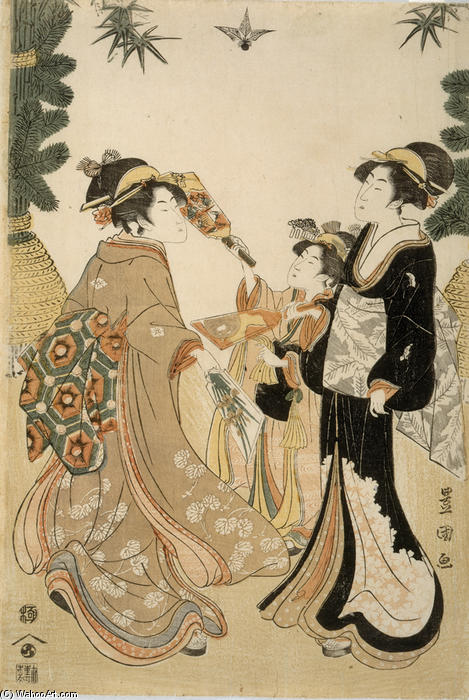
Three Beauties Playing Battledore and Shuttlecock


 Weiterlesen
Handgefertigte Ölreproduktion
Handgemaltes Ölgemälde auf Leinwand in Ihrer Wunschgröße und mit Rahmen, auf Bestellung von unseren Künstlern angefertigt. ( Druck bestellen Bild kaufen)




































Wählen Sie aus unseren vordefinierten Formaten, die den ursprünglichen Proportionen des Kunstwerks entsprechen.

Sie können Ihre eigenen Maße eingeben, um einen bestimmten Rahmen oder Platz auszufüllen. Wenn die gewählte Größe nicht den Proportionen des Originalbildes entspricht, werden wir das Kunstwerk entweder beschneiden oder das Gemälde durch zusätzliche, handgemalte Elemente erweitern. Ein digitales Mockup wird Ihnen zur Genehmigung zugesandt, bevor die Produktion beginnt.
Bitte beachten Sie, dass die Bildschirmvorschau nicht die tatsächliche Beschneidung oder Erweiterung widerspiegelt. Nur das Mockup zeigt die endgültige Komposition exakt an.
Obwohl Sondermaße verfügbar sind, empfehlen wir, eine Größe aus der vordefinierten Liste zu wählen, um die ursprünglichen Proportionen beizubehalten.
Nach der Bestellung wird das ArtsDot.com-Team dem Kunden Anweisungen per E-Mail zusenden und eine Mockup-Vorschau bereitstellen.
Weltweiter Versand () in nur 3 bis 4 Wochen statt der üblichen 5 Wochen. (1 September). Keine Kompromisse bei der Qualität.

Kostenloser weltweiter Expressversand

Hochwertige Leinenleinwand

Umfassender Versicherungsschutz beim Versand

Zollgebühren-Rückerstattungsgarantie

Garantie für exakte Farbtreue

60 Tage Rückgaberecht (nur bei Mängeln)

100% Geld-zurück-Garantie

Mengenrabatt verfügbar
 Die Glasoption ist nur für Größen unter 110 cm verfügbar.

Three Beauties Playing Battledore and Shuttlecock
Art der Reproduktion
Format der Reproduktion
-


Gesamtpreis
$ 263
Ähnliche Kunstwerke
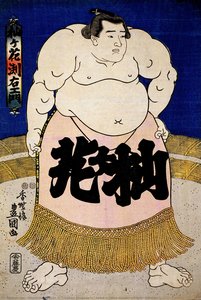
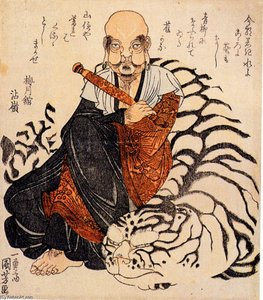
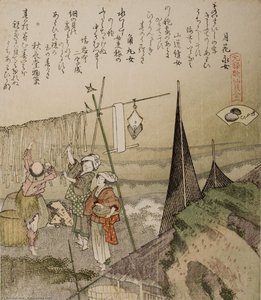
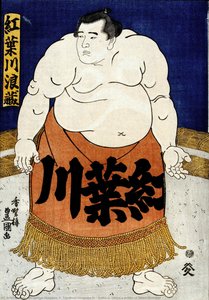
Über den Künstler
Utagawa Toyokuni: The Architect of Utagawa School’s Dominance
Utagawa Toyokuni (1769-1825) stands as a monumental figure in the history of Japanese art, specifically within the vibrant tapestry of ukiyo-e (“pictures of the floating world”). He wasn't merely an artist; he was arguably the catalyst for transforming the Utagawa school into the undisputed powerhouse it became throughout the nineteenth century—a legacy that continues to resonate today. Born in Edo (modern Tokyo), Toyokuni’s lineage traced back to Kurahashi Gorobei, a craftsman specializing in dollmaking and puppet artistry, including meticulously crafted replicas of kabuki actors. This early exposure to theatrical performance would profoundly shape his artistic vision. At around fourteen years old, he embarked on an apprenticeship with Utagawa Toyoharu, the first head of the esteemed Utagawa school, whose workshop was situated nearby. Among his fellow pupils was Toyohiro, whose protégé became Hiroshige, a landscape artist who established a distinct aesthetic that would influence generations to come. Recognizing Toyokuni’s exceptional talent, he adopted the name Utagawa Toyokuni—a customary practice wherein artists incorporated their master's surname—solidifying his position within the artistic hierarchy of the time. Contrary to popular perception as an instinctive genius, Toyokuni demonstrated a remarkable dedication to studying the works of his predecessors, particularly Chōbunsai Eishi and Hiroshige. Through tireless effort and meticulous observation, he synthesized their styles into a singular approach—a style characterized by unparalleled realism combined with artistic innovation. His fame primarily stemmed from his prolific output of kabuki actor prints, where he achieved unprecedented levels of detail and expressive dynamism. Unlike Sharaku, who exaggerated features to convey emotion, Toyokuni’s prints faithfully recreated the onstage experience, capturing actors in action rather than simply presenting portraits. This distinction cemented his reputation as a master storyteller within the theatrical realm. He meticulously captured the nuances of facial expressions and body posture, conveying not just likeness but also emotion and character—a feat that elevated yakusha-e to an art form. His influence extended beyond mere technique; Toyokuni’s artistic sensibilities mirrored those of Hiroshige, fostering a landscape aesthetic that would become synonymous with Japanese artistry. He absorbed the lessons of Chōbunsai Eishi, mastering the expressive power of color and composition—skills he skillfully blended into his own distinctive style. This synthesis ensured that the Utagawa school maintained its dominance in printmaking for decades after Toyokuni’s death.- Early Life & Apprenticeship: Toyokuni's formative years were spent under the tutelage of Toyoharu, honing his craft and absorbing the stylistic traditions of the time.
- The Hiroshige Influence: Toyokuni’s landscapes bear unmistakable traces of Hiroshige’s pioneering approach to capturing atmospheric perspective—a testament to his artistic erudition.
- Chōbunsai Eishi's Contribution: Like Hiroshige, Toyokuni embraced the expressive use of color and composition, reflecting the broader artistic currents of Edo period Japan.
- Yakusha-e Technique: Toyokuni perfected the yakusha-e technique, utilizing bold lines and vibrant colors to portray actors with remarkable accuracy and emotional intensity.
- Psychological Insight: His prints captured not merely physical likeness but also subtle psychological nuances—revealing character traits and conveying emotions through expressive gestures and facial expressions.
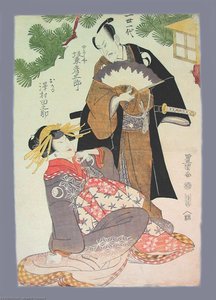
Utagawa Toyokuni
1769 - 1825 , Japan
Kurzinfos
- Artistic Movement Or Style: Ukiyo-e
- Artists Who Influenced This Artist:
- Utagawa Toyoharu
- Hiroshige
- Date Of Birth: 1769
- Date Of Death: 1825
- Full Name: Utagawa Toyokuni
- Nationality: Japanisch
- Notable Artworks: ['Nakasen Road, Kumagaya Station']
- Place Of Birth: Tokio, Japan

