

 Vorschau anzeigen
 Versenden
 Teilen
 Details anzeigen

 Herunterladen
 Ähnliche Objekte
 Röntgenaufnahme
 Diashow
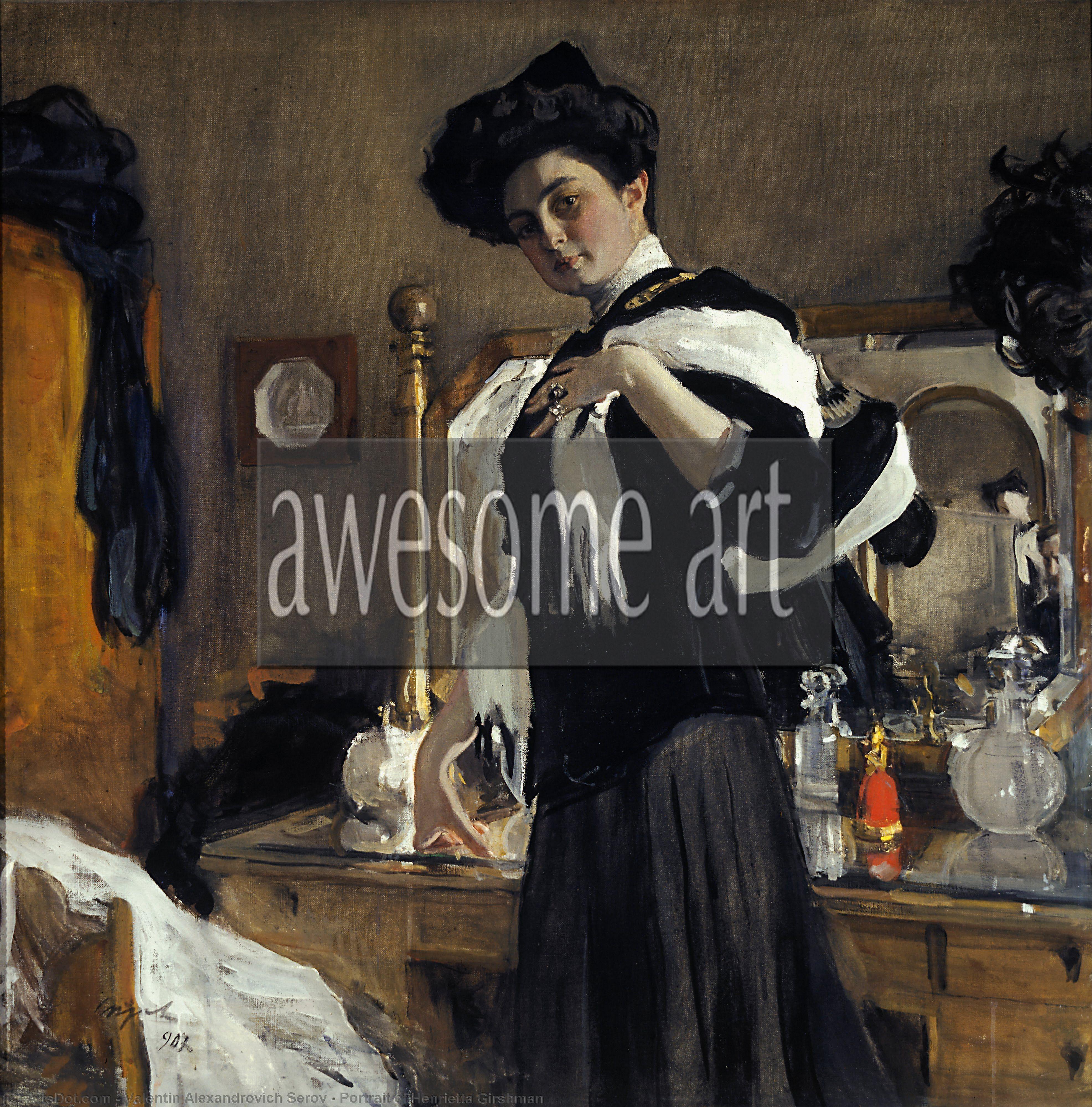
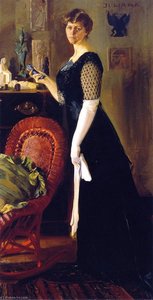
Portrait of Henrietta Girshman


 Weiterlesen
Giclée / Kunstdruck
Giclée- oder Leinwanddruck in Museumsqualität mit schneller Produktion und flexiblen Veredelungsoptionen. ( Handgemalte Reproduktion bestellen Bild kaufen)




P118B $10

P118H $10

P118W $10

P438Z $10

P508JH $12

P508YH $12

P805H $10

P805Z $10

P919BZ $10

P919G $10

P919XJ $10

P959ZH $10

P968JZ $12

W106C $8

W218G $10

W218JH $8

W218Y $10

W307PJ $10

W316G $10

W316PJ $8

W316Y $10

W398PJ $8

W4111J $10

W500HY $15

W500JH $15

W692G $12

W849H $8

W940BG $15

W953PJ $8




Wählen Sie aus unseren vordefinierten Formaten, die den ursprünglichen Proportionen des Kunstwerks entsprechen.

Sie können Ihre eigenen Maße eingeben, um ein bestimmtes Format oder einen speziellen Platz einzupassen. Wenn das von Ihnen gewählte Format nicht den Proportionen des Originalbildes entspricht, werden wir das Kunstwerk entweder beschneiden oder das Bild mit einem gespiegelten oder einfarbigen Rand erweitern. Ein digitaler Entwurf wird Ihnen zur Genehmigung zugesandt, bevor die Produktion beginnt.
Bitte beachten Sie, dass die Vorschau auf dem Bildschirm nicht den tatsächlichen Zuschnitt oder die Erweiterung widerspiegelt. Nur der Entwurf zeigt die endgültige Komposition präzise an.
Obwohl Sondermaße verfügbar sind, empfehlen wir die Auswahl eines Maßes aus der vordefinierten Liste, um die ursprünglichen Proportionen zu bewahren.
Weltweiter Versand () innerhalb von 2 Wochen statt der üblichen 4/5 Wochen. (30 August)

Kostenloser weltweiter Expressversand

Hochwertige Leinenleinwand

Umfassender Versicherungsschutz beim Versand

Zollgebühren-Rückerstattungsgarantie

Garantie für exakte Farbtreue

60 Tage Rückgaberecht (nur bei Mängeln)

100% Geld-zurück-Garantie

Mengenrabatt verfügbar
 Die Glasoption ist nur für Größen unter 110 cm verfügbar.

Portrait of Henrietta Girshman
Giclée / Kunstdruck
Format der Reproduktion
-


Gesamtpreis
$ 62
A Moment Frozen in Time: The Enigmatic Portrait of Henrietta Girshman
- The Artist's Vision
- Serov’s Impressionistic Realism
- Decoding the Composition and Color Palette
- A Window into Early 20th Century Russia
Valentin Serov’s “Portrait of Henrietta Girshman,” painted in 1907, is more than just a likeness; it's a carefully constructed tableau that invites the viewer to step into a private moment. Executed with a masterful blend of realism and impressionistic techniques, the painting captures the quiet intimacy of a woman preparing herself – perhaps for an evening out, or simply lost in contemplation – within the luxurious confines of her dressing room. Serov, a key figure in the Russian art scene of his time, was renowned for his ability to portray not just physical appearance but also the subtle nuances of character and emotion. This portrait exemplifies that skill perfectly.
Serov’s Impressionistic Realism
Serov's approach defies easy categorization. He wasn't a strict follower of any single artistic movement, instead synthesizing elements from realism, impressionism, and even touches of Symbolism. The loose brushwork, evident in the way light dances across Henrietta’s dress and the blurred edges of the furniture, speaks to his impressionistic leanings – he prioritized capturing the *feeling* of a scene rather than meticulously rendering every detail. Yet, beneath this atmospheric haze lies a profound understanding of form and structure, characteristic of realist painting. The careful placement of objects, the precise modeling of Henrietta’s face, and the subtle gradations in color demonstrate Serov's technical prowess.
Decoding the Composition and Color Palette
- Centered Focus: Henrietta dominates the frame, reflecting her importance within the scene.
- The Mirror’s Reflection: The mirror isn’t merely a decorative element; it creates depth, expands the space, and subtly introduces an element of self-awareness to the portrait.
- Dark and Light Contrasts: The predominantly dark color palette – blacks, browns, and deep greens – is dramatically offset by the creamy whites and subtle yellows used for Henrietta’s attire, drawing the eye to her figure.
The strategic use of light further enhances the painting's impact. It originates from an unseen source, bathing Henrietta in a warm glow that softens her features and creates a sense of tranquility. This diffused lighting, combined with the blurred lines and organic shapes, contributes to the overall dreamlike quality of the work.
A Window into Early 20th Century Russia
“Portrait of Henrietta Girshman” offers a fascinating glimpse into Russian aristocratic life at the turn of the century. The opulent setting – the luxurious furniture, the rich fabrics – speaks to the wealth and privilege enjoyed by a segment of society. While the painting lacks overt symbolism, it embodies the era’s fascination with beauty, refinement, and the exploration of individual identity. Serov's ability to capture this atmosphere, combined with his technical skill, makes this portrait a significant work in Russian art history. It represents a moment of quiet contemplation within a world undergoing rapid change.
Ähnliche Kunstwerke
Über den Künstler
Frühes Leben und Ausbildung
Valentin Alexandrowitsch Serow, ein renommierter russischer Maler, wurde am 19. Januar 1865 in St. Petersburg, Russland, geboren. Er war der Sohn von Alexander Serow, einem russischen Komponisten und Musikkritiker, und Valentina Serowa, ebenfalls einer Komponistin. Aufgewachsen in einem künstlerischen Umfeld, wurde Serows frühe Kreativität durch die realistische Kunst von Ilya Repin und das strenge pädagogische System von Pawel Tschiastjakow angeregt. Er studierte in Paris und Moskau unter diesen Einflüssen.Künstlerischer Stil und Einflüsse
Serows frühe Periode war geprägt von Porträts wie "Das Mädchen mit Pfirsichen" (1887) und "Das Mädchen in der Sonne" (1888), beide in der Tretyakow-Galerie. Diese Werke zeigten seinen Fokus auf Spontaneität der Wahrnehmung und die Natur. Mit seiner Entwicklung wurde sein Stil durch psychologisch prägnante Charakteristika seiner Motive gekennzeichnet, oft unter Verwendung einer dominanten Farbpalette aus Schwarz-, Grau- oder Brauntönen.Wichtige Werke und Assoziationen
- Porträt von Konstantin Korovin (1891), Isaak Lewitan (1893) und Nikolai Leskow (1894) in der Tretyakow-Galerie
- Großherzog Pawel Alexandrowitsch (1897), S.M. Botkin (1899) und Felix Jusupow (1903) im Russischen Museum in St. Petersburg
- Intime, herzliche Porträts von Kindern und Frauen, wie z.B. "Kinder" (1899) im Russischen Museum
Spätere Periode und Vermächtnis
Ab 1900 entwickelte sich Serows Stil in Richtung eines moderneren Ansatzes, wobei er seine wahrheitsgetreue und realistische Auffassung von der Natur beibehielt. Er wurde Mitglied der "Welt der Kunst", einer einflussreichen russischen Kunstvereinigung und Zeitschrift. Zu seinen späteren Werken gehören heroische Porträts wie "Maxim Gorki" (1904) in der Tretyakow-Galerie.- Weitere Werke von Valentin Alexandrowitsch Serow auf ArtsDot.com
- Erkunden Sie die Sammlung der Tretyakow-Galerie auf ArtsDot.com
- Erfahren Sie mehr über russische Kunst und ihre Geschichte auf Wikipedia
- 19. Januar 1865: Geburt in St. Petersburg, Russland
- 1880-1885: Studium an der Akademie der Künste St. Petersburg
- 1894: Beitritt zu den Peredwischniki (die Wanderer)
- 5. Dezember 1911: Versterben
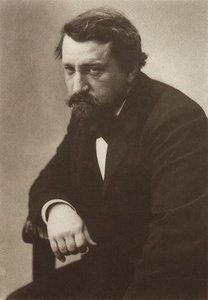
Valentin Alexandrovich Serov
1865 - 1911 , Russland
Kurzinfos
- Beeinflusste Künstler/Bewegungen: ['Welt der Kunst']
- Bemerkenswerte Werke:
- Das Mädchen mit Pfirsichen (1887)
- Das Mädchen in der Sonne (1888)
- Porträt von Konstantin Korovin (1891)
- Porträt von Maxim Gorki (1904)
- Einflussreiche Künstler:
- Ilja Repin
- Pawel Tsistjakow
- Geburtsdatum: 19. Januar 1865
- Geburtsort: Sankt Petersburg, Russland
- Künstlerische Richtung: Realismus, Impressionismus
- Nationalität: Russisch
- Sterbedatum: 5. Dezember 1911
- Vollständiger Name: Valentin Alexandrovich Serov
Ähnliche Artikel

Impressionismus Meisterwerke: Die Top 10 Kunstwerke für Ihr Zuhause | ArtsDot
Entdecken Sie die Top 10 Meisterwerke des Impressionismus! Von Monet bis Renoir – erfahren Sie die Geschichten hinter berühmten Gemälden, Techniken & Farben. Hochwertige Kunstdrucke auf ArtsDot.com.

Giclée Prints: Archival Quality & Aesthetic Nuances for the Discerning Collector
Explore the world of giclée prints with ArtsDot. Learn about archival quality, aesthetic nuances & investment potential. Expert guidance for discerning art collectors seeking museum-quality reproductions and lasting value.

Echoes of Time: Exploring the Enduring Appeal & Historical Context of Vintage Art Prints
Explore the captivating world of vintage art prints! Discover their history, collecting tips & enduring appeal. Expert insights on chromolithography and building a legacy collection with ArtsDot.
Transforming Spaces: A Comprehensive Exploration of Wall Decor Through Art History & Contemporary Practice
Explore the art of transforming spaces with our comprehensive guide to wall decor. From historical movements to contemporary trends, discover how to curate impactful interiors and commission bespoke artwork for a truly personalized aesthetic.
Meisterwerke in Grau: Die 10 berühmtesten Gemälde mit dunklen Farbtönen |
Entdecken Sie die 10 berühmtesten Gemälde, dominiert von dunklen Grautönen! Von expressionistischen Ikonen bis zu modernen Meisterwerken – erfahren Sie die Geschichten hinter den Künstlern und Techniken. Hochwertige Reproduktionen auf

