Menü
Vorschau anzeigenVorschau anzeigen In AR erlebenIn AR erleben Handgemalte Reproduktion bestellen Handgemalte Reproduktion bestellenSwitch to Digital Image Switch to Digital Image VersendenVersenden
Details anzeigenDetails anzeigen Zu Favoriten hinzufügen Zu Favoriten hinzufügen HerunterladenHerunterladen Ähnliche ObjekteÄhnliche Objekte RöntgenaufnahmeRöntgenaufnahme DiashowDiashow StatsStats

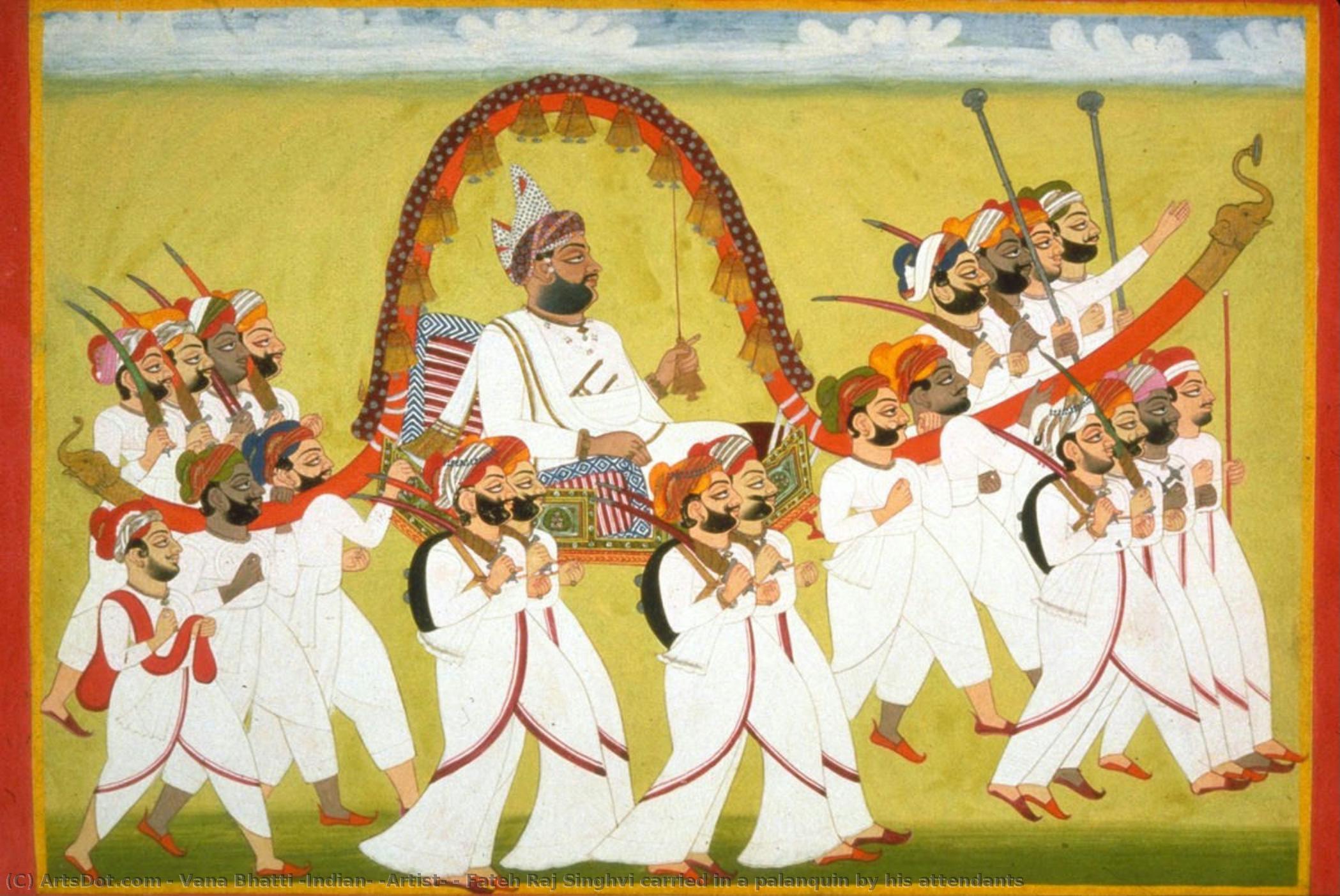
Fateh Raj Singhvi carried in a palanquin by his attendants

An Indian master of traditional portraiture known for capturing the grandeur of the Jodhpur court in works like Fateh Raj Singhvi carried in a palanquin by his attendants, inviting you to discover a lost era of royal splendor.

Giclée / Kunstdruck

Giclée- oder Leinwanddruck in Museumsqualität mit schneller Produktion und flexiblen Veredelungsoptionen. (Handgemalte Reproduktion bestellen Handgemalte Reproduktion bestellenSwitch to Digital Image Switch to Digital Image)

Standardformat
individuell anpassbar
CM
INCH

Wählen Sie aus unseren vordefinierten Formaten, die den ursprünglichen Proportionen des Kunstwerks entsprechen.

Breite
Höhe

Sie können Ihre eigenen Maße eingeben, um ein bestimmtes Format oder einen speziellen Platz einzupassen. Wenn das von Ihnen gewählte Format nicht den Proportionen des Originalbildes entspricht, werden wir das Kunstwerk entweder beschneiden oder das Bild mit einem gespiegelten oder einfarbigen Rand erweitern. Ein digitaler Entwurf wird Ihnen zur Genehmigung zugesandt, bevor die Produktion beginnt.
Bitte beachten Sie, dass die Vorschau auf dem Bildschirm nicht den tatsächlichen Zuschnitt oder die Erweiterung widerspiegelt. Nur der Entwurf zeigt die endgültige Komposition präzise an.
Obwohl Sondermaße verfügbar sind, empfehlen wir die Auswahl eines Maßes aus der vordefinierten Liste, um die ursprünglichen Proportionen zu bewahren.

Weltweiter Versand () innerhalb von 2 Wochen statt der üblichen 4/5 Wochen. (8 September)

why_choose_icon
Kostenloser weltweiter Expressversand
why_choose_icon
Hochwertige Leinenleinwand
why_choose_icon
Umfassender Versicherungsschutz beim Versand
why_choose_icon
Zollgebühren-Rückerstattungsgarantie
why_choose_icon
Garantie für exakte Farbtreue
why_choose_icon
100-Tage-Rückgaberecht (nur bei Mängeln)
why_choose_icon
100% Geld-zurück-Garantie
why_choose_icon
Mengenrabatt verfügbar

Gesamtpreis

$ 62

reproduction

Fateh Raj Singhvi carried in a palanquin by his attendants

Giclée / Kunstdruck

Format der Reproduktion

-

Gesamtpreis

$ 62

Before the Age of Profile Pictures: Indian Portraiture A portrait, typically an image of an individual showing a likeness, conveys information about who they are, or perhaps, how they want to be seen. Portraits combine aspects of the “real” and the observed with the idealized and the imaginary, to make for powerful messages about one’s identity and self-image. Before the twentieth century, portraits in India were mainly of kings, politicians, or important teachers—people whose skills, achievements, or contributions were considered worthy of memorializing. It was a high privilege to have one’s portrait made as it required resources to acquire the artistic talent and expensive materials. Numerous portraits of Indian rulers and noblemen survive from after the 1700s. They were included in dynastic or family histories, exchanged as personal and diplomatic gifts, and seen in public and private settings. Through an artist’s eye—and conveyed by clothing, accessories, and settings— portraits emphasized an individual’s character, abilities, status, and role in society. Today, with the easy access to smart phones and social media, portraits as selfies and profile pictures proliferate in ways not seen before. They have become democratized in many respects, as each person can independently control the message and circulate it widely and quickly without the mediation of an artist’s interpretation. Yet, like the paintings on view here, ideas about who we are and what we want others to see about us remain key features of the art of the selfie. , A high-ranking minister at the Jodhpur royal court, Fateh Raj Singhvi is seen here traveling with his impressive entourage. He is the unmistakable focus of the painting: his crowned and seated figure is the largest in size; it is positioned at the center of the image and framed by the palanquin canopy. He is well protected by his private army and his arrival is announced by standard-bearers. Such symbols and protocols are established conventions for Indian rulers. But here, a visual association is made between the power and privileges of royalty and Fateh Raj—who was a minister and not a king. An inscription on this painting’s reverse gives the name of Fateh Raj, and the rendering of his face, although stylized, suggests his distinctive features, giving the portrait a specificity.