

 Vorschau anzeigen
 Versenden
 Teilen
 Details anzeigen

 Herunterladen
 Ähnliche Objekte
 Röntgenaufnahme
 Diashow
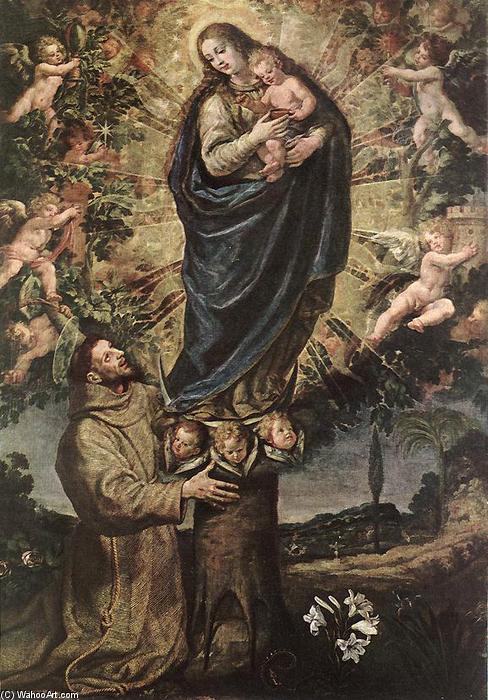
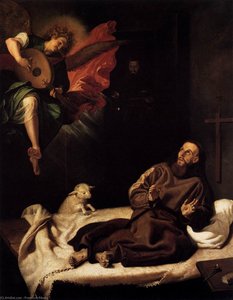
Vision of St Francis of Assisi
 Oil On Canvas
- WallArt
- Baroque
 1631
1631 246.0 x 173.0 cm
 Szépművészeti Múzeum
 Weiterlesen
Giclée / Kunstdruck
Giclée- oder Leinwanddruck in Museumsqualität mit schneller Produktion und flexiblen Veredelungsoptionen. ( Handgemalte Reproduktion bestellen Bild kaufen)




P118B $10

P118H $10

P118W $10

P438Z $10

P508JH $12

P508YH $12

P805H $10

P805Z $10

P919BZ $10

P919G $10

P919XJ $10

P959ZH $10

P968JZ $12

W106C $8

W218G $10

W218JH $8

W218Y $10

W307PJ $10

W316G $10

W316PJ $8

W316Y $10

W398PJ $8

W4111J $10

W500HY $15

W500JH $15

W692G $12

W849H $8

W940BG $15

W953PJ $8




Wählen Sie aus unseren vordefinierten Formaten, die den ursprünglichen Proportionen des Kunstwerks entsprechen.

Sie können Ihre eigenen Maße eingeben, um ein bestimmtes Format oder einen speziellen Platz einzupassen. Wenn das von Ihnen gewählte Format nicht den Proportionen des Originalbildes entspricht, werden wir das Kunstwerk entweder beschneiden oder das Bild mit einem gespiegelten oder einfarbigen Rand erweitern. Ein digitaler Entwurf wird Ihnen zur Genehmigung zugesandt, bevor die Produktion beginnt.
Bitte beachten Sie, dass die Vorschau auf dem Bildschirm nicht den tatsächlichen Zuschnitt oder die Erweiterung widerspiegelt. Nur der Entwurf zeigt die endgültige Komposition präzise an.
Obwohl Sondermaße verfügbar sind, empfehlen wir die Auswahl eines Maßes aus der vordefinierten Liste, um die ursprünglichen Proportionen zu bewahren.
Weltweiter Versand () innerhalb von 2 Wochen statt der üblichen 4/5 Wochen. (31 August)

Kostenloser weltweiter Expressversand

Hochwertige Leinenleinwand

Umfassender Versicherungsschutz beim Versand

Zollgebühren-Rückerstattungsgarantie

Garantie für exakte Farbtreue

60 Tage Rückgaberecht (nur bei Mängeln)

100% Geld-zurück-Garantie

Mengenrabatt verfügbar
 Die Glasoption ist nur für Größen unter 110 cm verfügbar.

Vision of St Francis of Assisi
Giclée / Kunstdruck
Format der Reproduktion
-


Gesamtpreis
$ 62
The Vision of St Francis – A Baroque Masterpiece
Vicente Carducho’s “Vision of St Francis of Assisi,” painted in 1631, is more than just a religious depiction; it's a profound exploration of faith, mortality, and the divine. Housed within the Szépmûvészeti Múzeum in Budapest, this oil on canvas transports the viewer to a moment of intense spiritual experience, capturing the essence of St Francis’s encounter with the Virgin Mary. Carducho, a leading figure of Spanish Baroque art, masterfully employs the dramatic techniques characteristic of the era – a potent blend of light and shadow, rich textures, and an emotionally charged composition – to create a work that resonates deeply with the viewer long after initial observation.
The painting’s genesis lies within the fervent religious atmosphere of 17th-century Spain. Following the Counter-Reformation, the Catholic Church sought powerful visual narratives to reaffirm its doctrines and inspire piety. Carducho, working in the tradition of Spanish Baroque, responded with works that were both technically brilliant and emotionally resonant. “Vision of St Francis” exemplifies this approach, serving as a testament to the period’s fascination with dramatic realism and spiritual intensity.
A Composition Steeped in Symbolism
At the heart of the composition stands St Francis himself, instantly recognizable by his simple brown habit – a deliberate choice signifying poverty and humility. He is not depicted in grand splendor but rather as a man consumed by contemplation, holding a skull before him—a stark reminder of human mortality. This isn’t presented as a morbid image, however; instead, it serves as a catalyst for spiritual reflection, prompting viewers to consider the brevity of earthly life and the importance of seeking salvation. His outstretched hand, raised towards the heavens, embodies a fervent prayer or an acknowledgement of divine grace.
Above Francis, bathed in ethereal light, appears the Virgin Mary. Carducho skillfully renders her as a luminous figure, radiating serenity and maternal compassion. The angels surrounding her—some holding musical instruments like lutes, others extending their wings in graceful motion—further amplify the sense of celestial harmony and divine intervention. The inclusion of these elements creates a layered narrative, suggesting not just a vision but an active dialogue between St Francis and the heavenly realm.
Baroque Technique and Dramatic Light
Carducho’s technical prowess is immediately evident in the painting's masterful use of chiaroscuro – the dramatic contrast between light and dark. This technique isn’t merely decorative; it serves to sculpt the figures, creating a sense of depth and volume that draws the viewer into the scene. The strong highlights accentuate St Francis’s face and hands, emphasizing his emotional state, while the shadows lend an air of mystery and reverence to the background.
The rich textures—the rough fabric of the robe, the smooth skin of the figures, the detailed foliage—are rendered with meticulous precision. Carducho's attention to detail elevates the painting beyond a simple depiction, transforming it into a tangible representation of faith and spirituality. The landscape in the background, subtly rendered, provides a grounding element while simultaneously contributing to the overall sense of depth and perspective.
A Legacy Enduring Through Reproduction
“Vision of St Francis of Assisi” remains a powerful testament to Carducho’s artistic genius and a cornerstone of Spanish Baroque art. Its enduring appeal lies in its ability to evoke profound emotions and stimulate contemplation about life, death, and the divine. Today, high-quality reproductions of this masterpiece are available through ArtsDot.com, allowing art enthusiasts worldwide to experience the beauty and spiritual depth of this iconic work firsthand. Whether viewed in person at the Szépmûvészeti Múzeum or enjoyed as a stunning addition to your home, “Vision of St Francis” continues to inspire awe and reverence.
Ähnliche Kunstwerke
![Legende Des Heiligen Franziskus – [24] – Krönung Des Heiligen Franziskus — Giotto Di Bondone, Gothic/proto-renaissance](/media/artworks/images-thumb/81/9b/819b5f0656848eb5cb3fcd40fd5756aa.jpg)
![Leben Des Heiligen Franziskus - [04] - Tod Und Himmelfahrt Des Hl. Franziskus — Giotto Di Bondone, Italienische Renaissance](/media/artworks/images-thumb/08/8b/088b102b13c1a379233690905590f156.jpg)



Über den Künstler
Vicente Carducho (1576-1638): Eine Schlüsselfigur des Spanischen Barock
Vincenzo Carducci, besser bekannt als Vicente Carducho, war ein bedeutender italienischer Maler, der die Landschaft der spanischen Kunst des 17. Jahrhunderts maßgeblich prägte. Geboren 1576 in Florenz, Italien, starb er 1638 in Madrid, Spanien. Seine Karriere umfasste sowohl Italien als auch Spanien und etablierte ihn schließlich als eine führende Figur innerhalb der spanischen Barockbewegung.
Frühes Leben und Ausbildung
- Ursprünge: Carducho wurde inmitten eines lebendigen künstlerischen Umfelds in Florenz, Italien, geboren.
- Familiärer Einfluss: Er erhielt seine anfängliche Ausbildung von seinem Bruder Bartolomeo Carduccio, ebenfalls Maler. Diese familiäre Verbindung erwies sich als entscheidend für seine frühe Entwicklung.
- Umzug nach Spanien: Im Anschluss an seinen Bruder zog Vicente als junger Mann nach Madrid und arbeitete zunächst in Valladolid, bevor er Aufträge am Escorial unter Philipp II. von Spanien erhielt.
- Frühe Aufträge: Er unterstützte seinen Bruder bei Malprojekten für Philipp II. und trug später zur Dekoration des neu erbauten Palacio del Pardo während der Herrschaft Philipps III. bei. Ein bemerkenswertes frühes Werk war eine Darstellung der Geschichte des Achilles, die er dort malte.
Entwicklung als Künstler & Bedeutende Errungenschaften
- Klosterfresken: Ein Wendepunkt in seiner Karriere kam mit einem vierjährigen Auftrag von den Mönchen der Chartreuse von El Paular, ihr Kloster zu dekorieren. Dies führte zu 54 großformatigen Leinwänden, die historische Figuren darstellen, aufgeteilt zwischen dem Leben des Heiligen Bruno (27) und Märtyrer (27).
- Königliche Förderung: Carducho genoss beträchtliche Förderung durch Philipp IV. und schuf einige seiner bekanntesten Werke für den Prado. Diese Gemälde zeigten seine Meisterschaft in dramatischen Kompositionen und religiösen Themen.
- Lehre & Einfluss: Viele Jahre lang unterrichtete Carducho in Madrid eine neue Generation spanischer Künstler. Zu seinen Schülern gehörten Giovanni Ricci, Pedro Obregon, Vela und Francisco Collantes – allesamt prominente Persönlichkeiten der spanischen Schule des 17. Jahrhunderts.
- Theoretische Schriften: Er verfasste "De las excelencias de la pintura" oder "Dialoge über Malerei", eine Abhandlung, die 1633 veröffentlicht wurde. Sie ist als Dialog zwischen einem Meister und seinem Lehrling geschrieben und spiegelt die Frömmigkeit des spanischen Reiches wider und bietet Einblicke in seine künstlerische Philosophie.
Künstlerischer Stil & Einflüsse
- Barocke Merkmale: Carduchos Stil ist fest in der Barockperiode verwurzelt, gekennzeichnet durch dramatische Beleuchtung, dynamische Kompositionen und einen Fokus auf emotionale Intensität.
- Klassische Tradition: Seine Abhandlung demonstriert eine Auseinandersetzung mit klassischer Kunsttheorie und Dialogform.
- Kritik am Caravaggio: Bemerkenswert ist, dass Carducho ein lautstarker Kritiker von Caravaggio und seinen Anhängern war, denen er mangelnde Disziplin und übermäßigen Gebrauch des Naturalismus ohne ausreichende Studien oder Vorbereitung vorwarf. Er betrachtete ihren Ansatz als potenziell schädlich für die Zukunft der Malerei. Seine Kritik erstreckte sich auch auf den Stil Michelangelos, den er als übermäßig abhängig von oberflächlichem Kopieren der Natur ansah.
- Einflüsse: Obwohl er Caravaggio kritisierte, spiegelt Carduchos Werk auch Einflüsse früherer italienischer Meister und eine unverwechselbare spanische Sensibilität wider.
Historische Bedeutung
Vicente Carducho nimmt einen bedeutenden Platz in der Geschichte der spanischen Kunst ein. Er war maßgeblich daran beteiligt, einen ausgeprägten spanischen Barockstil zu etablieren, italienische Techniken mit lokalen Traditionen zu verbinden. Seine Rolle als Lehrer sorgte dafür, dass seine künstlerischen Prinzipien an nachfolgende Generationen weitergegeben wurden. Obwohl seine Kritik am Caravaggio eine konservative Perspektive offenbart, liegen seine Beiträge zur religiösen Malerei und seine theoretischen Schriften in seinem Wert für wertvolle Einblicke in die künstlerischen Debatten seiner Zeit. Carduchos Vermächtnis liegt in seiner Fähigkeit, vielfältige Einflüsse zu einer einzigartigen spanischen Barockästhetik zu synthetisieren.
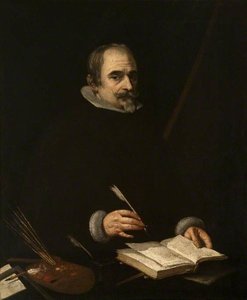
Vicente Carducho
1576 - 1638 , Italien
Kurzinfos
- Artistic Movement Or Style: Spanischer Barock
- Artists Or Movements Influenced By This Artist:
- Giovanni Ricci
- Pedro Obregon
- Artists Who Influenced This Artist:
- Michelangelo
- Caravaggio
- Date Of Birth: 1576
- Date Of Death: 1638
- Full Name: Vicente Carducho
- Nationality: Italienisch/Spanisch
- Notable Artworks:
- Achilles Geschichte
- Heilige Lucia
- St. Bruno Begegnung
- Place Of Birth: Florenz, Italien
Ähnliche Artikel
Francis Bacon: Die 25 Meisterwerke des existentiellen Schmerzes | ArtsDot
Entdecken Sie die 25 Meisterwerke von Francis Bacon! Erleben Sie existenzielle Schmerz, expressive Porträts & dunkle Farben. Kunstreproduktionen in Museumsqualiät auf ArtsDot.com – für Ihre Wanddekoration.

Barocke Pracht: Wie Sie Opulenz und Emotionen in zeitgenössische Innenräume bringen
Entdecken Sie die Pracht des Barock! Expertenratgeber für luxuriöse Innenräume mit barocken Elementen. Inspiration, Tipps & hochwertige Kunst bei .

The Enduring Power of Painting: A Historical & Contemporary Exploration of Form and Emotion
Explore the rich history & enduring techniques of oil painting with ArtsDot. Discover masterpieces, learn about art collecting, and find authentic handmade reproductions crafted by skilled artists.

The Enduring Legacy of Oil on Canvas: Technique, History & Aesthetic Impact
Explore the rich history & techniques of oil painting – from Renaissance masters to Impressionism. Discover pigments, layering methods, and why this timeless medium endures. Expert insights for artists & art enthusiasts.

The Dramatic Flourish: Exploring the Baroque Movement's Enduring Legacy in Art History
Explore the dramatic world of Baroque art! Discover iconic artists like Caravaggio & Rubens, defining techniques, and its lasting impact on art history. Expert insights for collectors & enthusiasts at ArtsDot.

