 Vorschau anzeigen
 Versenden
 Teilen
 Details anzeigen

 Herunterladen
 Ähnliche Objekte
 Röntgenaufnahme
 Diashow
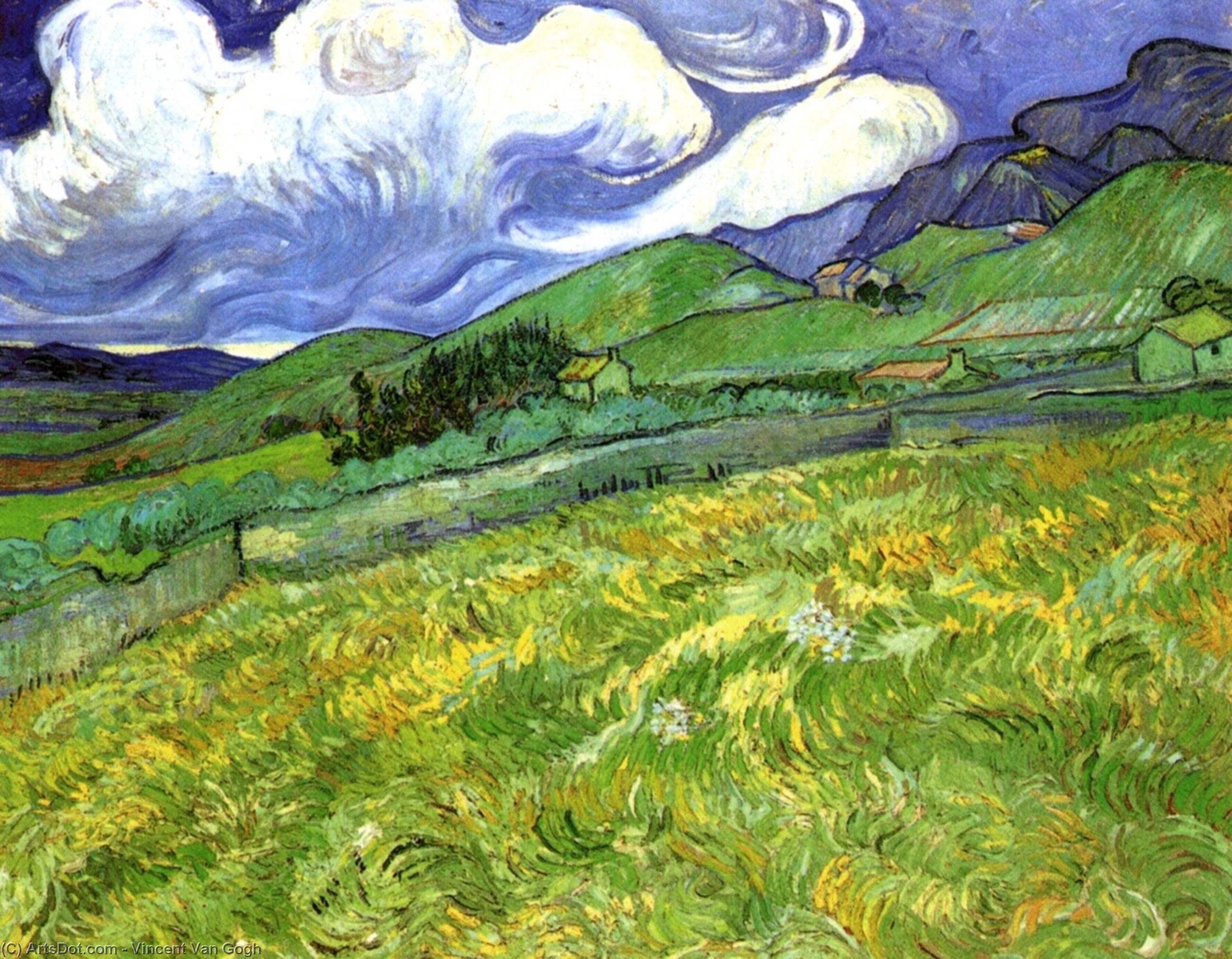
Berglandschaft hinter St.-Paulin-Krankenhaus


 Weiterlesen
Handgefertigte Ölreproduktion
Handgemaltes Ölgemälde auf Leinwand in Ihrer Wunschgröße und mit Rahmen, auf Bestellung von unseren Künstlern angefertigt. ( Druck bestellen Bild kaufen)




P118B $10

P118H $10

P118W $10

P438Z $10

P508JH $12

P508YH $12

P805H $10

P805Z $10

P919BZ $10

P919G $10

P919XJ $10

P959ZH $10

P968JZ $12

W106C $8

W218G $10

W218JH $8

W218Y $10

W307PJ $10

W316G $10

W316PJ $8

W316Y $10

W398PJ $8

W4111J $10

W500HY $15

W500JH $15

W692G $12

W849H $8

W940BG $15

W953PJ $8




Wählen Sie aus unseren vordefinierten Formaten, die den ursprünglichen Proportionen des Kunstwerks entsprechen.

Sie können Ihre eigenen Maße eingeben, um einen bestimmten Rahmen oder Platz auszufüllen. Wenn die gewählte Größe nicht den Proportionen des Originalbildes entspricht, werden wir das Kunstwerk entweder beschneiden oder das Gemälde durch zusätzliche, handgemalte Elemente erweitern. Ein digitales Mockup wird Ihnen zur Genehmigung zugesandt, bevor die Produktion beginnt.
Bitte beachten Sie, dass die Bildschirmvorschau nicht die tatsächliche Beschneidung oder Erweiterung widerspiegelt. Nur das Mockup zeigt die endgültige Komposition exakt an.
Obwohl Sondermaße verfügbar sind, empfehlen wir, eine Größe aus der vordefinierten Liste zu wählen, um die ursprünglichen Proportionen beizubehalten.
Nach der Bestellung wird das ArtsDot.com-Team dem Kunden Anweisungen per E-Mail zusenden und eine Mockup-Vorschau bereitstellen.
Weltweiter Versand () in nur 3 bis 4 Wochen statt der üblichen 5 Wochen. (21 August). Keine Kompromisse bei der Qualität.

Kostenloser weltweiter Expressversand

Hochwertige Leinenleinwand

Umfassender Versicherungsschutz beim Versand

Zollgebühren-Rückerstattungsgarantie

Garantie für exakte Farbtreue

60 Tage Rückgaberecht (nur bei Mängeln)

100% Geld-zurück-Garantie

Mengenrabatt verfügbar
 Die Glasoption ist nur für Größen unter 110 cm verfügbar.

Berglandschaft hinter St.-Paulin-Krankenhaus
Art der Reproduktion
Format der Reproduktion
-


Gesamtpreis
$ 263
Beschreibung des Kunstwerks
Mountain Landscape behind Saint-Paul Hospital by Vincent van Gogh
Vincent van Gogh’s Mountain Landscape behind Saint-Paul Hospital, painted in 1889, is a breathtaking oil on canvas work that showcases the artist’s unique perspective and skill. This painting is part of the esteemed collection at the Ny Carlsberg Glyptotek Museum in Copenhagen, Denmark. The painting depicts a serene mountainous landscape with lush green hills and a blue sky dotted with clouds. The scene is punctuated by several houses scattered throughout the valley, adding depth and dimension to the composition. Two figures are visible in the painting, one near the top left corner and another towards the center-right side, infusing life and human connection into the natural setting. Van Gogh’s use of vibrant colors and bold brushstrokes is characteristic of his Post-Impressionist style. The painting reflects his ability to capture the essence of nature while incorporating elements of human presence. This blend of natural beauty and human activity creates a sense of harmony and balance in the artwork. He sought inspiration from Japanese woodblock prints – Ukiyo-e – which sparked his interest in bold compositions and flattened perspectives. During his stay at Saint-Paul Hospital, Van Gogh was profoundly affected by the surrounding landscape, which he often depicted in his paintings. The hospital’s location provided him with a unique vantage point to observe and capture the beauty of the mountains and valleys. It served as a catalyst for his artistic creativity during a period marked by mental instability and intense emotional turmoil. The painting's composition is deliberately asymmetrical, emphasizing the grandeur of the mountain range against the tranquil expanse of the sky. The artist meticulously applied thick impasto—heavy brushstrokes of paint—creating textural surfaces that convey movement and energy. The dominant hues are emerald green and sapphire blue, complemented by touches of ochre and crimson, reflecting Van Gogh’s fascination with color theory and his desire to express profound feelings through visual imagery. ## Historical Context: Saint-Rémy and Artistic Inspiration Saint-Rémy served as a refuge for Vincent van Gogh during his voluntary confinement at the asylum in Provence. The landscape surrounding the hospital—particularly the Alpilles mountains—became an enduring subject of his artistic explorations. This period witnessed a significant shift in Van Gogh’s stylistic approach, marked by increased spontaneity and expressive intensity. He sought solace and inspiration in the natural world, transforming it into a vehicle for conveying his inner emotional state. The painting embodies this spirit of observation and transformation, capturing not merely what he saw but also how he felt. ## Artistic Significance: Post-Impressionism and Emotional Expression Mountain Landscape behind Saint-Paul Hospital stands as a cornerstone of Post-Impressionist art, demonstrating Van Gogh’s departure from Impressionistic realism toward subjective emotional expression. Unlike Impressionists who aimed to depict fleeting moments of light and color, Van Gogh prioritized conveying his psychological experience—his anxieties, hopes, and yearning for beauty—through bold brushstrokes and vibrant hues. This painting exemplifies the artist's commitment to capturing the essence of feeling rather than simply reproducing visual appearances. ## Symbolism: Cypress Trees and Eternity’s Gate The cypress trees dominating the upper left corner hold symbolic significance, representing death and remembrance. Their upward-reaching form symbolizes aspiration toward transcendence—a yearning for spiritual renewal amidst suffering. Adjacent to this is a depiction of “Eternity’s Gate,” which embodies Van Gogh's contemplation on mortality and his belief in an afterlife beyond earthly existence. The painting invites viewers to ponder these profound themes, prompting reflection on the human condition and the enduring power of artistic vision. ## Emotional Impact: Tranquility Amidst Turmoil Despite its depiction of a desolate landscape—a visual manifestation of Van Gogh’s inner turmoil—the painting exudes an aura of serene tranquility. The harmonious blend of colors and textures creates a sense of balance and composure, suggesting that beauty can emerge even from darkness. It serves as a testament to Van Gogh's ability to transform personal pain into artistic grandeur—a poignant reminder of the transformative potential inherent in confronting adversity with courage and creativity. ## Conclusion: A Legacy of Visionary Art Mountain Landscape behind Saint-Paul Hospital remains an indelible emblem of Vincent van Gogh’s artistic genius and his unwavering devotion to capturing the sublime beauty of nature—infused with profound emotional depth. This masterpiece, alongside countless other works by Van Gogh and Gauguin, continues to captivate audiences worldwide at the Ny Carlsberg Glyptotek Museum. For those seeking to immerse themselves in the legacy of visionary art—and for those desiring a stunning reproduction of this iconic painting—ArtsDot offers exceptional quality prints that bring Van Gogh’s breathtaking vision to life.Ähnliche Kunstwerke
Über den Künstler
Vincent van Gogh: Leben, Kunst und Vermächtnis
Frühes Leben und Einflüsse
- Geboren am 30. März 1853 in Groot-Zundert, Niederlande, war Vincent Willem van Gogh der älteste von sechs Kindern.
- Sein Vater, Theodorus van Gogh, war ein Protestantischer Pfarrer, und seine Erziehung wurde stark von Religion geprägt.
- Frühe Interessen umfassten Zeichnen, aber er verfolgte verschiedene Karrieren, bevor er sich dem Kunstschaffen widmete. Er arbeitete als Kunsthändler, Lehrer und Missionar.
- Wichtige Einflüsse: Zu den frühen Einflüssen gehörten niederländische Meister wie Rembrandt van Rijn und Frans Hals, sowie zeitgenössische französische Maler wie Jean-François Millet und Camille Corot.
Künstlerische Entwicklung & Stil
- Van Gogh begann 1880 ernsthaft zu malen, größtenteils autodidaktisch.
- Seine frühen Werke konzentrierten sich auf die Darstellung des Lebens von Bauern und Arbeitern und spiegelten seine Empathie für die Arbeiterklasse wider.
- Ein Umzug nach Paris im Jahr 1886 ermöglichte ihm den Kontakt mit Impressionismus und Post-Impressionismus, was zu einem helleren Farbstahl und Experimenten mit neuen Techniken führte.
- Besonderer Stil: Van Gogh entwickelte einen hochindividuellen Stil, der durch kräftige Farben, ausdrucksstarke Pinselstriche und emotionale Intensität gekennzeichnet ist. Er verwendete oft Impasto – dicke Farbschichten – um Textur zu erzeugen und Gefühle auszudrücken.
Wichtige Perioden & Werke
- Die niederländische Periode (1880-1886): Konzentrierte sich auf dunkle, erdige Töne und Darstellungen des ländlichen Lebens. Bedeutende Werke sind The Potato Eaters.
- Die Pariser Periode (1886-1888): Experimente mit impressionistischen Techniken und helleren Farben.
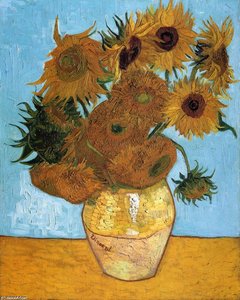
- Die Arleser Periode (1888-1889): Eine Periode intensiver Kreativität, die von lebendigen Landschaften, Porträts und Stillleben geprägt war. Wichtige Werke sind Sunflowers, The Night Café, und Starry Night Over the Rhône.
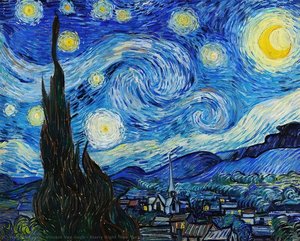
- Saint-Rémy & Auvers-sur-Oise (1889-1890): Nach einem Nervenzusammenbruch wurde Van Gogh freiwillig in eine Anstalt in Saint-Rémy eingeliefert. Seine letzten Jahre waren von fortgesetzter künstlerischer Produktion, aber auch zunehmender emotionaler Belastung geprägt. Bedeutende Werke sind The Starry Night und Porträts von Dr. Gachet.
Wichtige Errungenschaften & Anerkennung
- Trotz der Kämpfe mit psychischen Erkrankungen und der Ablehnung während seines Lebens schuf Van Gogh in über einem Jahrzehnt mehr als 2.100 Kunstwerke – etwa 860 Ölgemälde.
- Sein Werk hatte einen tiefgreifenden Einfluss auf die Entwicklung der modernen Kunst, insbesondere des Expressionismus und des Fauvismus.
- Posthume Ruhm: Die Anerkennung kam nach seinem Tod im Jahr 1890. Seine Werke erfreuten sich in den frühen 20er Jahren zunehmender Beliebtheit und wurden zu einigen der bekanntesten und wertvollsten Kunstwerke der Welt.
Historische Bedeutung & Vermächtnis
- Van Goghs Kunst berührt die Menschen bis heute aufgrund seiner emotionalen Ehrlichkeit, lebendigen Farben und der kraftvollen Darstellung menschlicher Erfahrungen.
- Er gilt als eine der wichtigsten Figuren in der Geschichte der westlichen Kunst und inspiriert seit Generationen Künstler.
- Seine Lebensgeschichte ist zu einem Symbol des “leidenden Künstlers” geworden, obwohl diese Erzählung oft seine Hingabe, Geschicklichkeit und künstlerische Vision überschattet.
- Museen auf der ganzen Welt, darunter das Van Gogh Museum in Amsterdam, zeigen sein Werk und feiern sein bleibendes Vermächtnis.
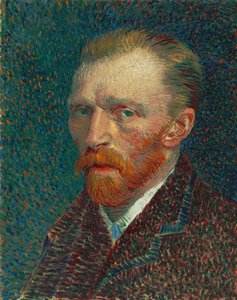
vincent willem van gogh
1853 - 1890 , Niederlande
Kurzinfos
- Artistic Movement Or Style: Post-Impressionismus
- Artists Or Movements Influenced By This Artist:
- Expressionismus
- Fauvismus
- Artists Who Influenced This Artist:
- Rembrandt
- Millet
- Date Of Birth: 30. März 1853
- Date Of Death: 29. Juli 1890
- Full Name: Vincent Willem van Gogh
- Nationality: Niederländer
- Notable Artworks:
- Sternennacht
- Sonnenblumen
- Place Of Birth: Zundert, Niederlande
Ähnliche Artikel
Postimpressionismus: Die 10 Meisterwerke, die eine Ära prägten –
Entdecken Sie die 10 Meisterwerke des Postimpressionismus! Van Gogh, Cézanne & Co. – ihre Geschichten, Techniken und zeitlose Schönheit. Kunstdrucke in Museumsqualiät auf . Jetzt entdecken!
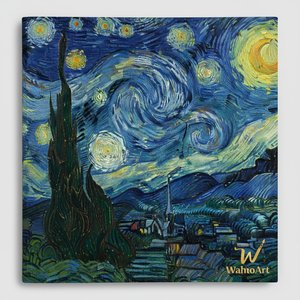
Die emotionale Tiefe Van Goghs entschlüsseln: Meisterhafte Reproduktionen und künstlerische Analyse
Entdecken Sie die emotionale Tiefe von Vincent van Gogh! Hochwertige Reproduktionen & fundierte Analysen seiner Meisterwerke. Für Kunstsammler und Liebhaber.

Rembrandts Meisterwerke: Die Top 25 Kunstwerke für Ihr Zuhause | ArtsDot
Entdecken Sie Rembrandts 25 berühmteste Kunstwerke! Tauchen Sie ein in die Welt des Barock, Licht und Schatten & historischer Porträts. Hochwertige Reproduktionen für Ihr Zuhause – jetzt auf ArtsDot.com!
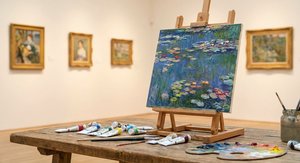
Impressionismus Meisterwerke: Die Top 10 Kunstwerke für Ihr Zuhause | ArtsDot
Entdecken Sie die Top 10 Meisterwerke des Impressionismus! Von Monet bis Renoir – erfahren Sie die Geschichten hinter berühmten Gemälden, Techniken & Farben. Hochwertige Kunstdrucke auf ArtsDot.com.
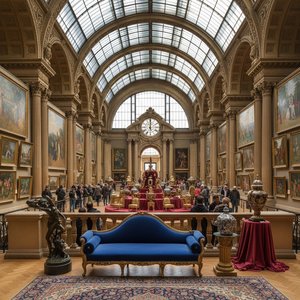
Top 25 Musée d'Orsay Meisterwerke: Kunst für Ihr Zuhause | ArtsDot
Entdecken Sie die 25 Meisterwerke des Musée d'Orsay! Von Monet bis Van Gogh – erleben Sie Impressionismus & Postimpressionismus. Hochwertige Kunstdrucke für Ihr Zuhause bei ArtsDot.com.