 Vorschau anzeigen
 Versenden
 Teilen
 Details anzeigen

 Herunterladen
 Ähnliche Objekte
 Röntgenaufnahme
 Diashow
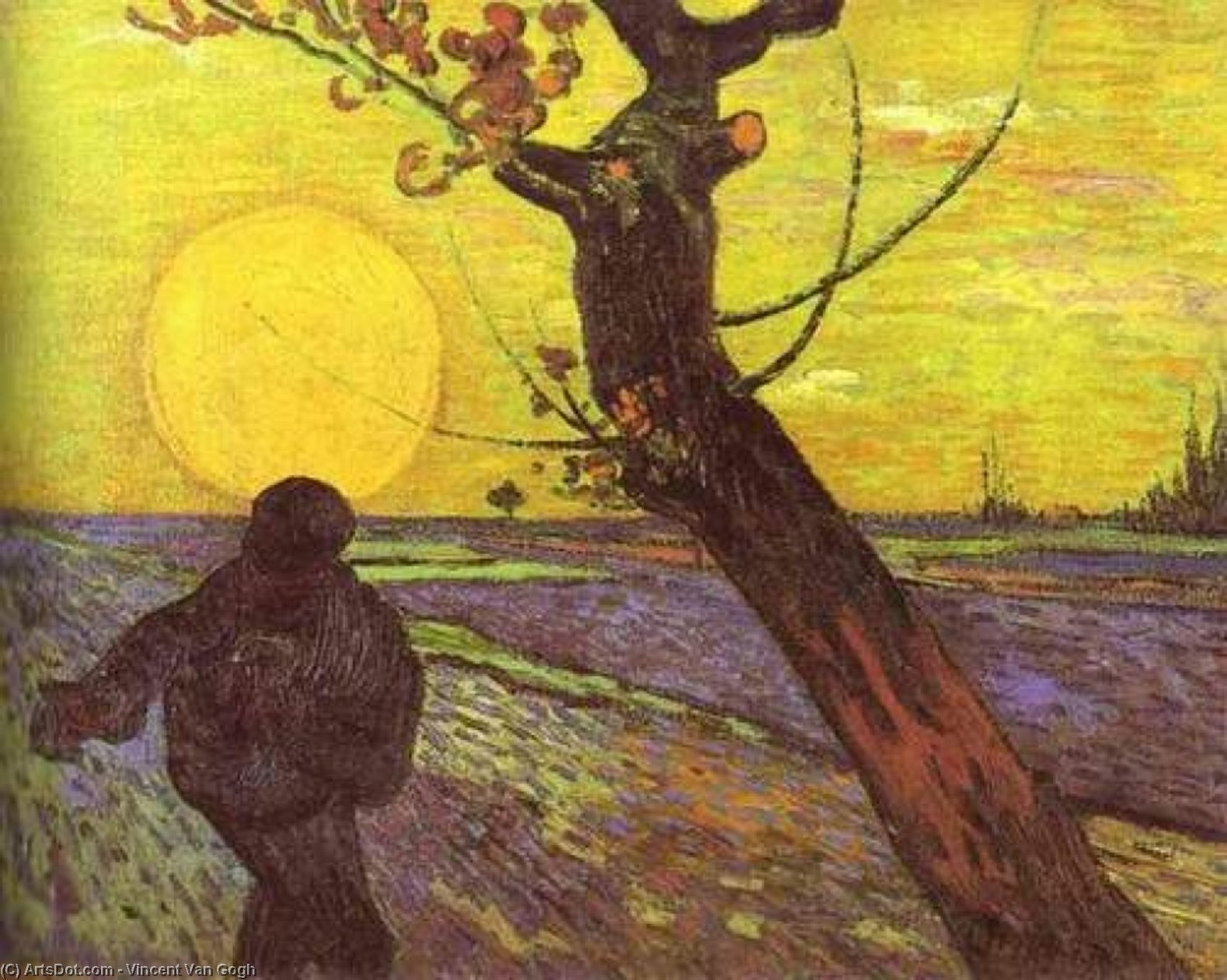
Der Sämann mit untergehender Sonne (nach Millet)


 Weiterlesen
Giclée / Kunstdruck
Giclée- oder Leinwanddruck in Museumsqualität mit schneller Produktion und flexiblen Veredelungsoptionen. ( Handgemalte Reproduktion bestellen Bild kaufen)




P118B $10

P118H $10

P118W $10

P438Z $10

P508JH $12

P508YH $12

P805H $10

P805Z $10

P919BZ $10

P919G $10

P919XJ $10

P959ZH $10

P968JZ $12

W106C $8

W218G $10

W218JH $8

W218Y $10

W307PJ $10

W316G $10

W316PJ $8

W316Y $10

W398PJ $8

W4111J $10

W500HY $15

W500JH $15

W692G $12

W849H $8

W940BG $15

W953PJ $8




Wählen Sie aus unseren vordefinierten Formaten, die den ursprünglichen Proportionen des Kunstwerks entsprechen.

Sie können Ihre eigenen Maße eingeben, um ein bestimmtes Format oder einen speziellen Platz einzupassen. Wenn das von Ihnen gewählte Format nicht den Proportionen des Originalbildes entspricht, werden wir das Kunstwerk entweder beschneiden oder das Bild mit einem gespiegelten oder einfarbigen Rand erweitern. Ein digitaler Entwurf wird Ihnen zur Genehmigung zugesandt, bevor die Produktion beginnt.
Bitte beachten Sie, dass die Vorschau auf dem Bildschirm nicht den tatsächlichen Zuschnitt oder die Erweiterung widerspiegelt. Nur der Entwurf zeigt die endgültige Komposition präzise an.
Obwohl Sondermaße verfügbar sind, empfehlen wir die Auswahl eines Maßes aus der vordefinierten Liste, um die ursprünglichen Proportionen zu bewahren.
Weltweiter Versand () innerhalb von 2 Wochen statt der üblichen 4/5 Wochen. (22 August)

Kostenloser weltweiter Expressversand

Hochwertige Leinenleinwand

Umfassender Versicherungsschutz beim Versand

Zollgebühren-Rückerstattungsgarantie

Garantie für exakte Farbtreue

60 Tage Rückgaberecht (nur bei Mängeln)

100% Geld-zurück-Garantie

Mengenrabatt verfügbar
 Die Glasoption ist nur für Größen unter 110 cm verfügbar.

Der Sämann mit untergehender Sonne (nach Millet)
Giclée / Kunstdruck
Format der Reproduktion
-


Gesamtpreis
$ 62
Sammlerstück-Beschreibung
Vincent van Gogh’s “Sower with Setting Sun” – A Testament to Rural Reverie
“Sower with Setting Sun (After Millet),” painted in 1888, isn't merely a depiction of a farmer sowing seeds; it’s a profound meditation on labor, the passage of time, and the quiet beauty of the French countryside. Vincent van Gogh, grappling with his own internal struggles yet possessed of an unparalleled sensitivity to light and color, undertook this work as a direct homage to Jean-François Millet's seminal “The Sower.” However, Van Gogh didn’t simply replicate; he imbued the scene with his signature emotional intensity and groundbreaking technique, transforming a traditional genre painting into a vibrant expression of personal feeling.
Millet’s original focused on the stoic dignity of rural life, capturing the arduous work of the peasant farmer. Van Gogh, deeply moved by Millet's composition, adopted it as a foundation but immediately began to infuse it with his own distinctive vision. The most striking difference lies in the sky – a tumultuous swirl of oranges, reds, and purples that dominates the upper portion of the canvas. This isn’t a literal representation of a sunset; rather, it’s an outpouring of Van Gogh's emotional state, reflecting both the beauty and the melancholy he often experienced. The warm hues contrast sharply with the cooler tones of the field and the figure, creating a dynamic tension that draws the viewer into the scene.
A Symphony of Color and Impasto
Van Gogh’s technique is immediately recognizable – bold, expressive brushstrokes layered upon each other to create a thick, textured surface known as impasto. This isn't applied lightly; it’s deliberately sculpted onto the canvas, adding a tactile quality to the painting that invites close examination. Notice how he uses short, choppy strokes to define the contours of the figure and the field, while employing broader, more fluid strokes for the sky. The color is not blended smoothly but rather juxtaposed, creating vibrant areas of intense hue alongside muted passages. This technique wasn’t just about visual impact; it was a way for Van Gogh to translate his internal experience onto the canvas – each stroke a physical manifestation of his thoughts and emotions.
The use of color is particularly significant. The dominant yellows and oranges evoke warmth, fertility, and the promise of harvest. Yet, these bright colors are tempered by the deep blues and purples of the twilight sky, hinting at the fleeting nature of beauty and the inevitability of change. He masterfully uses complementary colors – orange and blue, red and green – to heighten the visual impact and create a sense of dynamism within the composition.
Symbolism and Emotional Resonance
Beyond its immediate depiction of rural labor, “Sower with Setting Sun” is rich in symbolic meaning. The sower himself represents not just agricultural work but also the cycle of life, death, and rebirth. As he scatters his seeds across the field, he’s planting the future – a poignant reminder of humanity's connection to the land and its rhythms. The setting sun symbolizes the end of one day and the beginning of another, suggesting both closure and anticipation.
Furthermore, the painting reflects Van Gogh’s own struggles with mental health. The turbulent sky can be interpreted as an externalization of his inner turmoil – a visual representation of his anxieties and feelings of isolation. Despite this underlying melancholy, there's also a sense of quiet dignity and resilience in the figure of the sower, embodying the enduring spirit of humanity in the face of adversity.
Bringing Van Gogh Home: High-Quality Reproductions
At ArtsDot, we are proud to offer meticulously crafted reproductions of “Sower with Setting Sun,” allowing you to experience the power and beauty of this iconic masterpiece in your own home or office. Our skilled artisans painstakingly recreate every detail – from the impasto texture to the nuanced color palette – ensuring that each reproduction captures the essence and emotional depth of Van Gogh’s original vision. These reproductions are not mere copies; they are faithful interpretations, designed to evoke the same sense of wonder and contemplation as the original painting.
Explore our collection of Vincent van Gogh reproductions today and bring a touch of artistic brilliance into your space. Learn more about Vincent Van Gogh and his works at ArtsDot’s Vincent Van Gogh page. Discover the Post-Impressionist movement on Wikipedia's Post-Impressionism page. Browse our collection of handmade oil painting reproductions at ArtsDot’s Buy page.
Ähnliche Kunstwerke
Über den Künstler
Vincent van Gogh: Leben, Kunst und Vermächtnis
Frühes Leben und Einflüsse
- Geboren am 30. März 1853 in Groot-Zundert, Niederlande, war Vincent Willem van Gogh der älteste von sechs Kindern.
- Sein Vater, Theodorus van Gogh, war ein Protestantischer Pfarrer, und seine Erziehung wurde stark von Religion geprägt.
- Frühe Interessen umfassten Zeichnen, aber er verfolgte verschiedene Karrieren, bevor er sich dem Kunstschaffen widmete. Er arbeitete als Kunsthändler, Lehrer und Missionar.
- Wichtige Einflüsse: Zu den frühen Einflüssen gehörten niederländische Meister wie Rembrandt van Rijn und Frans Hals, sowie zeitgenössische französische Maler wie Jean-François Millet und Camille Corot.
Künstlerische Entwicklung & Stil
- Van Gogh begann 1880 ernsthaft zu malen, größtenteils autodidaktisch.
- Seine frühen Werke konzentrierten sich auf die Darstellung des Lebens von Bauern und Arbeitern und spiegelten seine Empathie für die Arbeiterklasse wider.
- Ein Umzug nach Paris im Jahr 1886 ermöglichte ihm den Kontakt mit Impressionismus und Post-Impressionismus, was zu einem helleren Farbstahl und Experimenten mit neuen Techniken führte.
- Besonderer Stil: Van Gogh entwickelte einen hochindividuellen Stil, der durch kräftige Farben, ausdrucksstarke Pinselstriche und emotionale Intensität gekennzeichnet ist. Er verwendete oft Impasto – dicke Farbschichten – um Textur zu erzeugen und Gefühle auszudrücken.
Wichtige Perioden & Werke
- Die niederländische Periode (1880-1886): Konzentrierte sich auf dunkle, erdige Töne und Darstellungen des ländlichen Lebens. Bedeutende Werke sind The Potato Eaters.
- Die Pariser Periode (1886-1888): Experimente mit impressionistischen Techniken und helleren Farben.
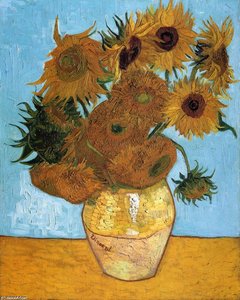
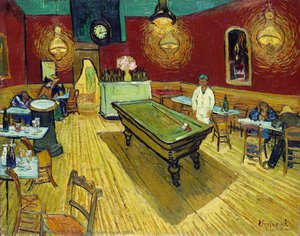
- Die Arleser Periode (1888-1889): Eine Periode intensiver Kreativität, die von lebendigen Landschaften, Porträts und Stillleben geprägt war. Wichtige Werke sind Sunflowers, The Night Café, und Starry Night Over the Rhône.
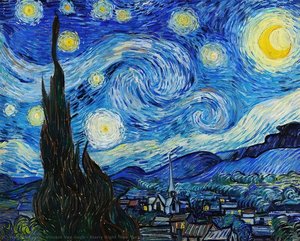
- Saint-Rémy & Auvers-sur-Oise (1889-1890): Nach einem Nervenzusammenbruch wurde Van Gogh freiwillig in eine Anstalt in Saint-Rémy eingeliefert. Seine letzten Jahre waren von fortgesetzter künstlerischer Produktion, aber auch zunehmender emotionaler Belastung geprägt. Bedeutende Werke sind The Starry Night und Porträts von Dr. Gachet.
Wichtige Errungenschaften & Anerkennung
- Trotz der Kämpfe mit psychischen Erkrankungen und der Ablehnung während seines Lebens schuf Van Gogh in über einem Jahrzehnt mehr als 2.100 Kunstwerke – etwa 860 Ölgemälde.
- Sein Werk hatte einen tiefgreifenden Einfluss auf die Entwicklung der modernen Kunst, insbesondere des Expressionismus und des Fauvismus.
- Posthume Ruhm: Die Anerkennung kam nach seinem Tod im Jahr 1890. Seine Werke erfreuten sich in den frühen 20er Jahren zunehmender Beliebtheit und wurden zu einigen der bekanntesten und wertvollsten Kunstwerke der Welt.
Historische Bedeutung & Vermächtnis
- Van Goghs Kunst berührt die Menschen bis heute aufgrund seiner emotionalen Ehrlichkeit, lebendigen Farben und der kraftvollen Darstellung menschlicher Erfahrungen.
- Er gilt als eine der wichtigsten Figuren in der Geschichte der westlichen Kunst und inspiriert seit Generationen Künstler.
- Seine Lebensgeschichte ist zu einem Symbol des “leidenden Künstlers” geworden, obwohl diese Erzählung oft seine Hingabe, Geschicklichkeit und künstlerische Vision überschattet.
- Museen auf der ganzen Welt, darunter das Van Gogh Museum in Amsterdam, zeigen sein Werk und feiern sein bleibendes Vermächtnis.
vincent willem van gogh
1853 - 1890 , Niederlande
Kurzinfos
- Artistic Movement Or Style: Post-Impressionismus
- Artists Or Movements Influenced By This Artist:
- Expressionismus
- Fauvismus
- Artists Who Influenced This Artist:
- Rembrandt
- Millet
- Date Of Birth: 30. März 1853
- Date Of Death: 29. Juli 1890
- Full Name: Vincent Willem van Gogh
- Nationality: Niederländer
- Notable Artworks:
- Sternennacht
- Sonnenblumen
- Place Of Birth: Zundert, Niederlande
Ähnliche Artikel
Postimpressionismus: Die 10 Meisterwerke, die eine Ära prägten –
Entdecken Sie die 10 Meisterwerke des Postimpressionismus! Van Gogh, Cézanne & Co. – ihre Geschichten, Techniken und zeitlose Schönheit. Kunstdrucke in Museumsqualiät auf . Jetzt entdecken!
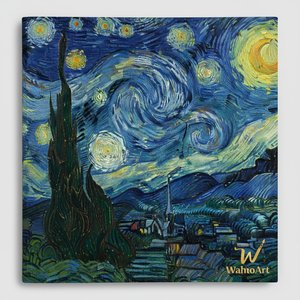
Die emotionale Tiefe Van Goghs entschlüsseln: Meisterhafte Reproduktionen und künstlerische Analyse
Entdecken Sie die emotionale Tiefe von Vincent van Gogh! Hochwertige Reproduktionen & fundierte Analysen seiner Meisterwerke. Für Kunstsammler und Liebhaber.
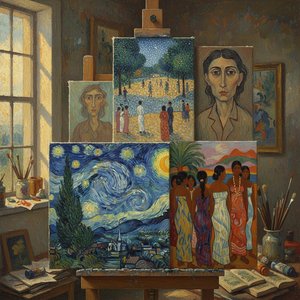
Jenseits des Impressionismus: Die emotionale Tiefe der postimpressionistischen Malerei
Entdecken Sie die emotionale Tiefe des Postimpressionismus! Analysieren Sie Cézanne, van Gogh, Gauguin & Seurat. Expertenwissen über Kunstgeschichte und Einfluss auf die Moderne.
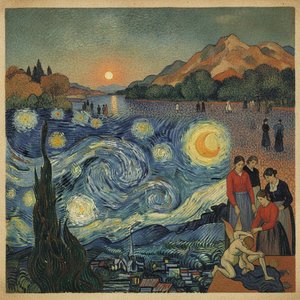
Beyond the Brush: A Visual Journey Through the Emotional Brilliance of Post-Impressionism
Embark on a visual journey through Post-Impressionism. Discover the emotional depth of Van Gogh and Cézanne, explore the tactile beauty of impasto, and learn how to bring these vibrant, soulful masterpieces into your home with expert art curation and custom hand-painted reproductions.
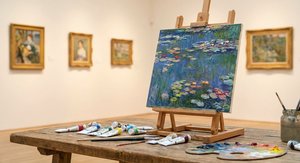
Impressionismus Meisterwerke: Die Top 10 Kunstwerke für Ihr Zuhause | ArtsDot
Entdecken Sie die Top 10 Meisterwerke des Impressionismus! Von Monet bis Renoir – erfahren Sie die Geschichten hinter berühmten Gemälden, Techniken & Farben. Hochwertige Kunstdrucke auf ArtsDot.com.
![Irisen [1889]](/media/artworks/images-thumb/ca/85/ca85582a4fd1dc392efef83ec4dc3124.jpg)