 Vorschau anzeigen
 Versenden
 Teilen
 Details anzeigen

 Herunterladen
 Ähnliche Objekte
 Röntgenaufnahme
 Diashow
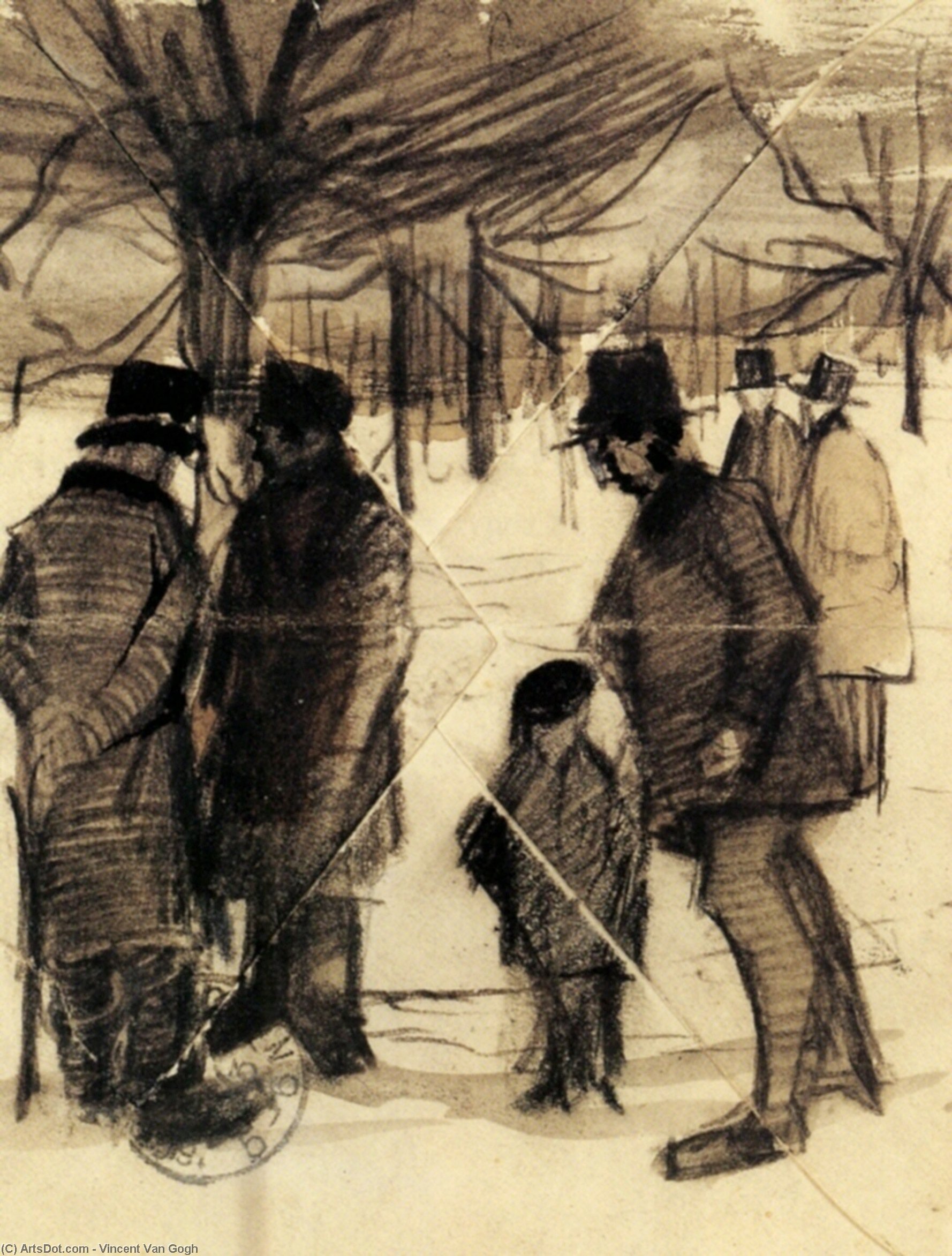
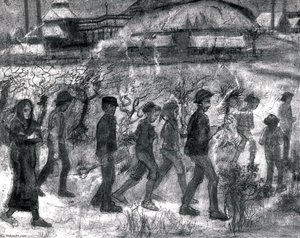
Five Men and a Child in the Snow


 Weiterlesen
Giclée / Kunstdruck
Giclée- oder Leinwanddruck in Museumsqualität mit schneller Produktion und flexiblen Veredelungsoptionen. ( Handgemalte Reproduktion bestellen Bild kaufen)




P118B $10

P118H $10

P118W $10

P438Z $10

P508JH $12

P508YH $12

P805H $10

P805Z $10

P919BZ $10

P919G $10

P919XJ $10

P959ZH $10

P968JZ $12

W106C $8

W218G $10

W218JH $8

W218Y $10

W307PJ $10

W316G $10

W316PJ $8

W316Y $10

W398PJ $8

W4111J $10

W500HY $15

W500JH $15

W692G $12

W849H $8

W940BG $15

W953PJ $8




Wählen Sie aus unseren vordefinierten Formaten, die den ursprünglichen Proportionen des Kunstwerks entsprechen.

Sie können Ihre eigenen Maße eingeben, um ein bestimmtes Format oder einen speziellen Platz einzupassen. Wenn das von Ihnen gewählte Format nicht den Proportionen des Originalbildes entspricht, werden wir das Kunstwerk entweder beschneiden oder das Bild mit einem gespiegelten oder einfarbigen Rand erweitern. Ein digitaler Entwurf wird Ihnen zur Genehmigung zugesandt, bevor die Produktion beginnt.
Bitte beachten Sie, dass die Vorschau auf dem Bildschirm nicht den tatsächlichen Zuschnitt oder die Erweiterung widerspiegelt. Nur der Entwurf zeigt die endgültige Komposition präzise an.
Obwohl Sondermaße verfügbar sind, empfehlen wir die Auswahl eines Maßes aus der vordefinierten Liste, um die ursprünglichen Proportionen zu bewahren.
Weltweiter Versand () innerhalb von 2 Wochen statt der üblichen 4/5 Wochen. (24 August)

Kostenloser weltweiter Expressversand

Hochwertige Leinenleinwand

Umfassender Versicherungsschutz beim Versand

Zollgebühren-Rückerstattungsgarantie

Garantie für exakte Farbtreue

60 Tage Rückgaberecht (nur bei Mängeln)

100% Geld-zurück-Garantie

Mengenrabatt verfügbar
 Die Glasoption ist nur für Größen unter 110 cm verfügbar.

Five Men and a Child in the Snow
Giclée / Kunstdruck
Format der Reproduktion
-


Gesamtpreis
$ 62
Sammlerstück-Beschreibung
A Winter’s Embrace: Five Men and a Child in the Snow
Vincent van Gogh's "Five Men and a Child in the Snow," painted in 1883 during his formative years in The Hague, offers a poignant glimpse into the everyday lives of ordinary people amidst the stark beauty of a Dutch winter. More than just a landscape, this unassuming pencil drawing is a study in human connection, quiet contemplation, and the subtle poetry of rural existence – a testament to Van Gogh’s burgeoning ability to capture not just what he saw, but also the feeling of a scene.
The composition itself is deceptively simple. Five men, rendered with a remarkable attention to detail for such an early work, stand clustered together against a backdrop of bare trees and a swirling snowscape. A single child, clearly a member of this group, adds a touch of innocence and vulnerability to the scene. The figures are not dramatically posed; instead, they seem absorbed in conversation or simply enjoying the bracing cold, their postures relaxed and natural. Van Gogh’s masterful use of pencil creates a remarkable sense of texture – the rough bark of the trees, the crispness of the snow, and the subtle variations in the men's clothing are all rendered with meticulous precision.
Realism and Early Technique
This drawing exemplifies Van Gogh’s early artistic explorations, firmly rooted in Realism. Unlike the vibrant colors that would later characterize his mature style, here he employs a restrained palette of graphite tones, skillfully layering lines to build depth and volume. The lack of color forces the viewer to focus on form, texture, and the subtle interplay of light and shadow. Notice how Van Gogh uses hatching – closely spaced parallel lines – to create the illusion of fabric and the suggestion of movement in the snow. This technique demonstrates his early understanding of how to represent three-dimensional space on a two-dimensional surface.
The drawing’s simplicity belies its emotional resonance. Van Gogh wasn't merely documenting a winter scene; he was attempting to capture the essence of human interaction and the quiet dignity of rural life. The figures, anonymous yet relatable, evoke a sense of warmth and camaraderie despite the harshness of the weather. It is a moment frozen in time – a shared experience of simple pleasure amidst the beauty of nature.
Historical Context and Van Gogh’s Journey
"Five Men and a Child in the Snow" was created during a pivotal period in Van Gogh's artistic development. Following his unsuccessful attempts at art dealing, he turned to painting as a means of self-expression. This drawing reflects his early experimentation with various mediums and techniques, laying the groundwork for his later, more expressive works. It’s important to remember that this was a time when Van Gogh was still grappling with his artistic identity, seeking to find his own voice amidst the established conventions of the art world.
The drawing's setting in The Hague is significant. It represents a return to his roots and a connection to the Dutch landscape – a subject that would continue to fascinate him throughout his career. This period marked a shift from his earlier, more commercially-oriented work towards a deeper exploration of personal themes and emotional expression.
Symbolism and Enduring Appeal
While seemingly straightforward, “Five Men and a Child in the Snow” is rich with subtle symbolism. The group of men represents community and connection – a shared experience of warmth and companionship against the backdrop of winter’s isolation. The child embodies innocence and vulnerability, reminding us of the simple joys of childhood. The snow itself can be interpreted as a metaphor for hardship or adversity, but also for purity and renewal.
Ultimately, the enduring appeal of this drawing lies in its ability to evoke a sense of nostalgia and quiet contemplation. It’s a reminder that beauty can be found in the most ordinary moments – in the shared warmth of human connection and the simple pleasures of life. Today, reproductions of “Five Men and a Child in the Snow” continue to resonate with art lovers and collectors alike, offering a glimpse into the early genius of one of history’s greatest artists.
Ähnliche Kunstwerke
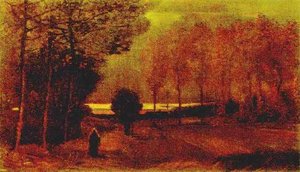
Über den Künstler
Vincent van Gogh: Leben, Kunst und Vermächtnis
Frühes Leben und Einflüsse
- Geboren am 30. März 1853 in Groot-Zundert, Niederlande, war Vincent Willem van Gogh der älteste von sechs Kindern.
- Sein Vater, Theodorus van Gogh, war ein Protestantischer Pfarrer, und seine Erziehung wurde stark von Religion geprägt.
- Frühe Interessen umfassten Zeichnen, aber er verfolgte verschiedene Karrieren, bevor er sich dem Kunstschaffen widmete. Er arbeitete als Kunsthändler, Lehrer und Missionar.
- Wichtige Einflüsse: Zu den frühen Einflüssen gehörten niederländische Meister wie Rembrandt van Rijn und Frans Hals, sowie zeitgenössische französische Maler wie Jean-François Millet und Camille Corot.
Künstlerische Entwicklung & Stil
- Van Gogh begann 1880 ernsthaft zu malen, größtenteils autodidaktisch.
- Seine frühen Werke konzentrierten sich auf die Darstellung des Lebens von Bauern und Arbeitern und spiegelten seine Empathie für die Arbeiterklasse wider.
- Ein Umzug nach Paris im Jahr 1886 ermöglichte ihm den Kontakt mit Impressionismus und Post-Impressionismus, was zu einem helleren Farbstahl und Experimenten mit neuen Techniken führte.
- Besonderer Stil: Van Gogh entwickelte einen hochindividuellen Stil, der durch kräftige Farben, ausdrucksstarke Pinselstriche und emotionale Intensität gekennzeichnet ist. Er verwendete oft Impasto – dicke Farbschichten – um Textur zu erzeugen und Gefühle auszudrücken.
Wichtige Perioden & Werke
- Die niederländische Periode (1880-1886): Konzentrierte sich auf dunkle, erdige Töne und Darstellungen des ländlichen Lebens. Bedeutende Werke sind The Potato Eaters.
- Die Pariser Periode (1886-1888): Experimente mit impressionistischen Techniken und helleren Farben.
- Die Arleser Periode (1888-1889): Eine Periode intensiver Kreativität, die von lebendigen Landschaften, Porträts und Stillleben geprägt war. Wichtige Werke sind Sunflowers, The Night Café, und Starry Night Over the Rhône.
- Saint-Rémy & Auvers-sur-Oise (1889-1890): Nach einem Nervenzusammenbruch wurde Van Gogh freiwillig in eine Anstalt in Saint-Rémy eingeliefert. Seine letzten Jahre waren von fortgesetzter künstlerischer Produktion, aber auch zunehmender emotionaler Belastung geprägt. Bedeutende Werke sind The Starry Night und Porträts von Dr. Gachet.
Wichtige Errungenschaften & Anerkennung
- Trotz der Kämpfe mit psychischen Erkrankungen und der Ablehnung während seines Lebens schuf Van Gogh in über einem Jahrzehnt mehr als 2.100 Kunstwerke – etwa 860 Ölgemälde.
- Sein Werk hatte einen tiefgreifenden Einfluss auf die Entwicklung der modernen Kunst, insbesondere des Expressionismus und des Fauvismus.
- Posthume Ruhm: Die Anerkennung kam nach seinem Tod im Jahr 1890. Seine Werke erfreuten sich in den frühen 20er Jahren zunehmender Beliebtheit und wurden zu einigen der bekanntesten und wertvollsten Kunstwerke der Welt.
Historische Bedeutung & Vermächtnis
- Van Goghs Kunst berührt die Menschen bis heute aufgrund seiner emotionalen Ehrlichkeit, lebendigen Farben und der kraftvollen Darstellung menschlicher Erfahrungen.
- Er gilt als eine der wichtigsten Figuren in der Geschichte der westlichen Kunst und inspiriert seit Generationen Künstler.
- Seine Lebensgeschichte ist zu einem Symbol des “leidenden Künstlers” geworden, obwohl diese Erzählung oft seine Hingabe, Geschicklichkeit und künstlerische Vision überschattet.
- Museen auf der ganzen Welt, darunter das Van Gogh Museum in Amsterdam, zeigen sein Werk und feiern sein bleibendes Vermächtnis.
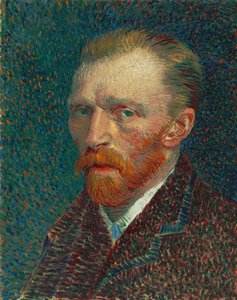
vincent willem van gogh
1853 - 1890 , Niederlande
Kurzinfos
- Artistic Movement Or Style: Post-Impressionismus
- Artists Or Movements Influenced By This Artist:
- Expressionismus
- Fauvismus
- Artists Who Influenced This Artist:
- Rembrandt
- Millet
- Date Of Birth: 30. März 1853
- Date Of Death: 29. Juli 1890
- Full Name: Vincent Willem van Gogh
- Nationality: Niederländer
- Notable Artworks:
- Sternennacht
- Sonnenblumen
- Place Of Birth: Zundert, Niederlande
Ähnliche Artikel
The Nuances of Graphite: Exploring Emotional Depth & Technical Mastery in Pencil Drawing
Explore the captivating world of graphite drawing! Discover its rich history, master essential techniques like chiaroscuro, and learn how artists evoke emotion through this timeless medium. Expert insights for art enthusiasts.

Rembrandts Meisterwerke: Die Top 25 Kunstwerke für Ihr Zuhause | ArtsDot
Entdecken Sie Rembrandts 25 berühmteste Kunstwerke! Tauchen Sie ein in die Welt des Barock, Licht und Schatten & historischer Porträts. Hochwertige Reproduktionen für Ihr Zuhause – jetzt auf ArtsDot.com!
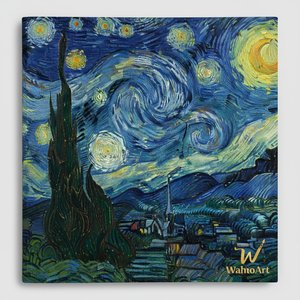
Die emotionale Tiefe Van Goghs entschlüsseln: Meisterhafte Reproduktionen und künstlerische Analyse
Entdecken Sie die emotionale Tiefe von Vincent van Gogh! Hochwertige Reproduktionen & fundierte Analysen seiner Meisterwerke. Für Kunstsammler und Liebhaber.
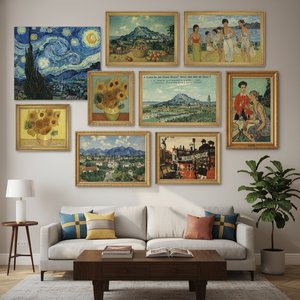
Postimpressionismus: Die 10 Meisterwerke, die eine Ära prägten –
Entdecken Sie die 10 Meisterwerke des Postimpressionismus! Van Gogh, Cézanne & Co. – ihre Geschichten, Techniken und zeitlose Schönheit. Kunstdrucke in Museumsqualiät auf . Jetzt entdecken!
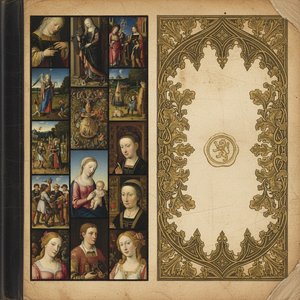
Frühniederländische Meisterwerke: 10 Gemälde, die eine Epoche prägten | ArtsDot
Entdecken Sie die 10 prägendsten Meisterwerke der Frühniederländischen Malerei! Von Jan van Eyck bis Rogier van der Weyden – erleben Sie Kunstgeschichte hautnah. Hochwertige Reproduktionen & Inspiration für Ihr Interieur auf ArtsDot.com.