Vorschau anzeigen
 Versenden
 Teilen
 Details anzeigen

 Herunterladen
 Ähnliche Objekte
 Röntgenaufnahme
 Diashow
Madonna and Child with Saints and the Donor
 Oil On Canvas
- WallArt
- Venetian Renaissance
 1504
1504 74.0 x 109.0 cm
 Eremitage Museum
 Weiterlesen
Giclée / Kunstdruck
Giclée- oder Leinwanddruck in Museumsqualität mit schneller Produktion und flexiblen Veredelungsoptionen. ( Handgemalte Reproduktion bestellen Bild kaufen)




P118B $10

P118H $10

P118W $10

P438Z $10

P508JH $12

P508YH $12

P805H $10

P805Z $10

P919BZ $10

P919G $10

P919XJ $10

P959ZH $10

P968JZ $12

W106C $8

W218G $10

W218JH $8

W218Y $10

W307PJ $10

W316G $10

W316PJ $8

W316Y $10

W398PJ $8

W4111J $10

W500HY $15

W500JH $15

W692G $12

W849H $8

W940BG $15

W953PJ $8




Wählen Sie aus unseren vordefinierten Formaten, die den ursprünglichen Proportionen des Kunstwerks entsprechen.

Sie können Ihre eigenen Maße eingeben, um ein bestimmtes Format oder einen speziellen Platz einzupassen. Wenn das von Ihnen gewählte Format nicht den Proportionen des Originalbildes entspricht, werden wir das Kunstwerk entweder beschneiden oder das Bild mit einem gespiegelten oder einfarbigen Rand erweitern. Ein digitaler Entwurf wird Ihnen zur Genehmigung zugesandt, bevor die Produktion beginnt.
Bitte beachten Sie, dass die Vorschau auf dem Bildschirm nicht den tatsächlichen Zuschnitt oder die Erweiterung widerspiegelt. Nur der Entwurf zeigt die endgültige Komposition präzise an.
Obwohl Sondermaße verfügbar sind, empfehlen wir die Auswahl eines Maßes aus der vordefinierten Liste, um die ursprünglichen Proportionen zu bewahren.
Weltweiter Versand () innerhalb von 2 Wochen statt der üblichen 4/5 Wochen. (30 August)

Kostenloser weltweiter Expressversand

Hochwertige Leinenleinwand

Umfassender Versicherungsschutz beim Versand

Zollgebühren-Rückerstattungsgarantie

Garantie für exakte Farbtreue

60 Tage Rückgaberecht (nur bei Mängeln)

100% Geld-zurück-Garantie

Mengenrabatt verfügbar
 Die Glasoption ist nur für Größen unter 110 cm verfügbar.

Madonna and Child with Saints and the Donor
Giclée / Kunstdruck
Format der Reproduktion
-


Gesamtpreis
$ 62
A Venetian Masterpiece: The Madonna and Child with Saints and the Donor by Vincenzo Catena
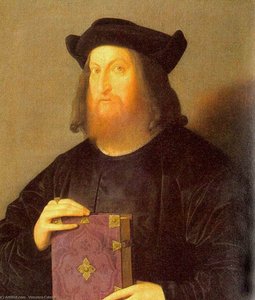
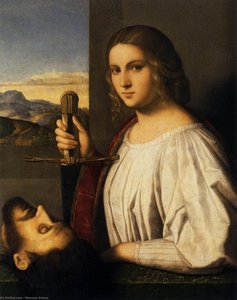
The year is 1504, and within the bustling heart of Venice, Vincenzo Catena, a painter deeply influenced by the serene elegance of Giovanni Bellini yet forging his own distinctive path, brought to life “Madonna and Child with Saints and the Donor.” This captivating painting isn’t merely a devotional image; it's a window into the artistic sensibilities of the High Renaissance, brimming with symbolic richness and technical mastery. The scene unfolds within a carefully constructed space – a modest interior bathed in diffused light, suggesting both earthly intimacy and spiritual transcendence. At its core is Mary, radiating maternal grace as she holds her infant son Jesus, his gaze direct and inviting. Flanking them are two figures representing donors, individuals who have generously supported the church or religious cause depicted; their presence underscores the importance of patronage within Venetian society.
Catena’s technique reveals a sophisticated understanding of color and form. He employs a layered glazing method, characteristic of Venetian painting at the time, building up translucent layers of pigment to achieve luminous effects and subtle gradations of tone. Note the delicate modeling of Mary's robes, the soft folds of her garments conveying both volume and texture. The use of gold leaf accents – particularly in the halos surrounding the figures – adds a touch of opulence and emphasizes their sacred status. The background is rendered with atmospheric perspective, creating a sense of depth and receding space that draws the viewer’s eye towards the central figures.
A Tapestry of Saints and Symbolism
Beyond the immediate depiction of Mary and Jesus, the painting is populated by a carefully chosen array of saints and biblical figures. To the left stands Saint Francis of Assisi, known for his humble devotion and commitment to poverty – a potent symbol of Christian virtue. Beside him is Bernardino of Siena, another prominent saint associated with piety and missionary work. These figures aren’t simply decorative; they serve as visual reminders of the broader theological context of the image, reinforcing its message of faith, charity, and divine grace. The inclusion of these saints elevates the scene beyond a simple portrait of motherhood, transforming it into a complex meditation on Christian ideals.
The presence of the donor figures is particularly significant. Their identities remain somewhat enigmatic, adding an element of mystery to the composition. They represent the vital role of benefactors in supporting religious institutions and artistic endeavors – a key aspect of Venetian society during this period. The fact that they are depicted kneeling before the Virgin Mary underscores her position as the ultimate source of grace and salvation.
The Legacy of Vincenzo Catena
Vincenzo Catena’s life was relatively short, spanning from 1470 to 1531 in Venice. Despite his modest output, he left behind a body of work that reflects the evolving artistic landscape of the Venetian Renaissance. Initially apprenticed to Giovanni Bellini, Catena quickly developed his own unique style, characterized by a harmonious blend of classical influences and Venetian tradition. His paintings often feature serene Madonnas, vibrant colors, and a masterful use of light and shadow – qualities that resonate deeply with viewers even today.
While not as widely celebrated as some of his contemporaries like Titian or Bellini, Catena’s “Madonna and Child” offers a valuable glimpse into the artistic practices of 16th-century Venice. It stands as a testament to the enduring power of religious art to inspire contemplation, evoke emotion, and connect us to centuries of human creativity.
A Timeless Masterpiece for Your Collection
Reproductions of “Madonna and Child with Saints and the Donor” by Vincenzo Catena capture the essence of this remarkable painting. Whether adorning a grand salon or a more intimate space, its serene beauty and rich symbolism will undoubtedly enhance any environment. The meticulous attention to detail in the reproduction faithfully recreates the luminosity of Catena’s original brushstrokes, allowing you to experience the depth and emotion of this timeless masterpiece. Consider commissioning a hand-painted replica – a unique addition to your art collection that celebrates the legacy of Venetian Renaissance artistry.
Ähnliche Kunstwerke
Über den Künstler
Vincenzo Catena: Ein venezianischer Maler der Renaissance
Vincenzo Catena war ein italienischer Maler der venezianischen Renaissance, geboren um 1470 in Venedig und gestorben im Jahr 1531. Über sein frühes Leben und seine Ausbildung ist wenig bekannt; die Aufzeichnungen über seine Kindheit und seinen ersten künstlerischen Werdegang sind spärlich. Er wurde manchmal auch Vincenzo de Biagio genannt. Trotz seiner geringen öffentlichen Anerkennung hinterließ Catena ein bedeutendes Werk, das einen wichtigen Beitrag zur Kunstgeschichte des 16. Jahrhunderts darstellt.Leben und Hintergrund
Die genauen Umstände seiner Geburt und seine frühe künstlerische Entwicklung sind schwer zu rekonstruieren. Dokumente über sein Leben vor seinem ersten Kontakt mit der Kunstwelt sind äußerst selten. Es wird vermutet, dass er eine Ausbildung erhielt, wahrscheinlich unter Anleitung eines erfahrenen Künstlers seiner Zeit, obwohl konkrete Informationen dazu fehlen. Seine soziale Stellung lässt sich anhand von Testamenten erschließen: Catena war ein wohlhabender Mann und Mitglied bedeutender humanistischer Kreise in Venedig – eine ungewöhnliche Kombination für einen Künstler dieser Epoche.Künstlerische Entwicklung und Einflüsse
Catena fand seinen ersten künstlerischen Einfluss im Stil von Giovanni Bellini, einem Meister der venezianischen Malerei, dessen Werke für ihre ruhige Schönheit und ihre außergewöhnliche Technik bekannt sind. Besonders beeindruckt war Catena von Giorgione, dessen atmosphärische Darstellungskraft und sein Umgang mit Licht und Farbe ihn nachhaltig prägten. Eine Inschrift auf der Rückseite von Giorgonos Gemälde *La Laura* bestätigte diese Zusammenarbeit und unterstreicht die Bedeutung dieser frühen Begegnung für seine künstlerische Entwicklung. Auch Titian beeinflusste Catena durch seinen innovativen Stil und seine Verwendung von Farbe und Komposition, insbesondere in späteren Arbeiten. Diese Einflüsse führten zu einer einzigartigen Synthese verschiedener künstlerischer Traditionen.Wichtige Werke und Stil
Ungefähr eine Dutzend Gemälde werden aufgrund von Signaturen mit Sicherheit Catena zugeschrieben. Das Werk *Die Märtyrergottschaft St. Christina* (1520), das sich in der Kirche Santa Maria Mater Domini befindet, ist sein am besten datiertes Gemälde und wurde dank einer Inschrift auf seinem Marmorsockel umfassend untersucht. Weitere bedeutende Werke sind *Die Verehrung der Hirten*, zahlreiche Darstellungen der Jungfrau mit dem Kind sowie verschiedene religiöse Szenen und Porträts. Catena zeichnete sich durch eine hohe Detailtreue aus und verwendete warme Farbpaletten, um eine besondere Atmosphäre zu schaffen. Seine Gemälde verkörpern die Essenz der venezianischen Renaissance und zeigen eine Mischung aus Bellinis Präzision und Giorgonos atmosphärischer Sensibilität. Er gilt als einer der wichtigsten Vertreter dieser Kunstrichtung und wird für seine außergewöhnliche technische Virtuosität und sein tiefes Verständnis für religiöse Symbolik geschätzt.Historische Bedeutung und Vermächtnis
Vincenzo Catena lebte in einer Zeit großer künstlerischer Veränderungen und spielte eine entscheidende Rolle bei der Weiterentwicklung des venezianischen Kunstschaffens. Seine Werke dokumentieren den Übergang vom Stil der Hochrenaissance zum aufkommenden Manierismus und tragen dazu bei, ein umfassendes Bild dieser Epoche zu zeichnen. Catena wird heute für sein außergewöhnliches Talent und seine Fähigkeit gewürdigt, die künstlerischen Herausforderungen seiner Zeit zu meistern und gleichzeitig eine eigene künstlerische Stimme zu entwickeln. Seine Gemälde sind weiterhin Gegenstand wissenschaftlicher Forschung und werden als wertvolle Quelle für das Verständnis der Kunstgeschichte des 16. Jahrhunderts angesehen.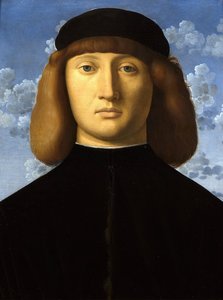
Vincenzo Catena
1470 - 1531 , Italien
Kurzinfos
- Artistic Movement Or Style: Venezianische Schule
- Artists Who Influenced This Artist:
- Giovanni Bellini
- Giorgione
- Date Of Birth: ca. 1470
- Date Of Death: 1531
- Full Name: Vincenzo Catena
- Nationality: Italienisch
- Notable Artworks:
- Santa Cristina Altarpiece
- Die Verehrung der Hirten
- Place Of Birth: Venedig, Italien
Ähnliche Artikel

Jacopo Tintoretto: Die 25 Meisterwerke des venezianischen Dramatikers | ArtsDot
Entdecken Sie die 25 Meisterwerke von Jacopo Tintoretto! Tauchen Sie ein in die dramatische Welt der venezianischen Renaissance. Hochwertige Kunst-Reproduktionen & Inspiration für Ihr Zuhause – jetzt auf ArtsDot.com.
Raphael: Die 25 Meisterwerke des Renaissance-Genies – Kunst für Ihr Zuhause
Entdecken Sie die 25 schönsten Meisterwerke von Raphael! Tauchen Sie ein in die Welt der Renaissance-Kunst, erfahren Sie faszinierende Geschichten und lassen Sie sich von den Farben und Kompositionen inspirieren. Hochwertige Reproduktionen auf ArtsDot.com.
Jacopo Palma il Giovane: A Venetian Master's Poetic Evolution
Explore the captivating world of Jacopo Palma il Giovane, a pivotal Venetian Renaissance master. Discover his unique style, influenced by Titian & Tintoretto, and learn about key works perfect for discerning collectors.
The Golden Light of Innovation: Exploring the Venetian Renaissance Art Movement (1430–1580)
Explore the Golden Age of Venetian art (1430–1580). Discover Giorgione, Titian & Tintoretto's techniques, the 'colorito' revolution, and lasting influence. Expert insights for collectors & enthusiasts.
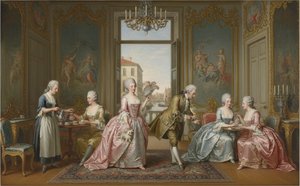
Pietro Longhi's Venetian Scenes: A Study of Rococo Society & Domestic Life
Explore the captivating world of Pietro Longhi's Venetian scenes! Discover insightful analysis of his Rococo masterpieces & social commentary on 18th-century life. Learn about this 'Venetian Hogarth' and his lasting artistic legacy.