 Vorschau anzeigen
 Versenden
 Teilen
 Details anzeigen

 Herunterladen
 Ähnliche Objekte
 Röntgenaufnahme
 Diashow
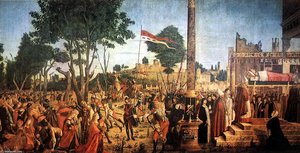
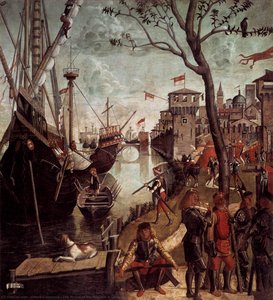
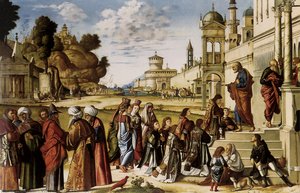
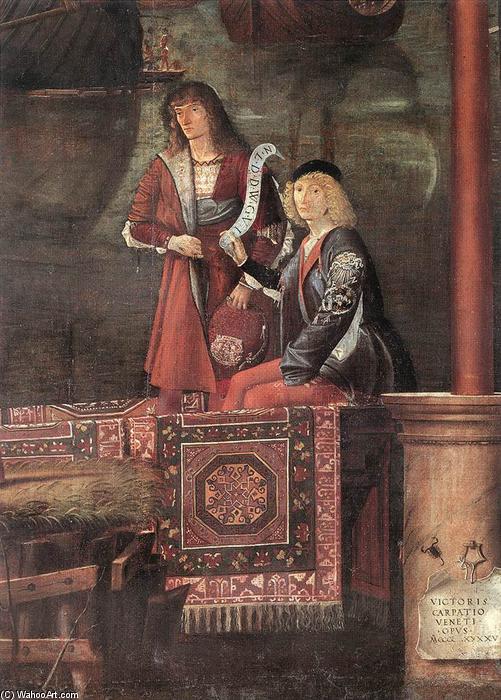
Departure of the Pilgrims (detail)


 Weiterlesen
Handgefertigte Ölreproduktion
Handgemaltes Ölgemälde auf Leinwand in Ihrer Wunschgröße und mit Rahmen, auf Bestellung von unseren Künstlern angefertigt. ( Druck bestellen Bild kaufen)




P118B $10

P118H $10

P118W $10

P438Z $10

P508JH $12

P508YH $12

P805H $10

P805Z $10

P919BZ $10

P919G $10

P919XJ $10

P959ZH $10

P968JZ $12

W106C $8

W218G $10

W218JH $8

W218Y $10

W307PJ $10

W316G $10

W316PJ $8

W316Y $10

W398PJ $8

W4111J $10

W500HY $15

W500JH $15

W692G $12

W849H $8

W940BG $15

W953PJ $8




Wählen Sie aus unseren vordefinierten Formaten, die den ursprünglichen Proportionen des Kunstwerks entsprechen.

Sie können Ihre eigenen Maße eingeben, um einen bestimmten Rahmen oder Platz auszufüllen. Wenn die gewählte Größe nicht den Proportionen des Originalbildes entspricht, werden wir das Kunstwerk entweder beschneiden oder das Gemälde durch zusätzliche, handgemalte Elemente erweitern. Ein digitales Mockup wird Ihnen zur Genehmigung zugesandt, bevor die Produktion beginnt.
Bitte beachten Sie, dass die Bildschirmvorschau nicht die tatsächliche Beschneidung oder Erweiterung widerspiegelt. Nur das Mockup zeigt die endgültige Komposition exakt an.
Obwohl Sondermaße verfügbar sind, empfehlen wir, eine Größe aus der vordefinierten Liste zu wählen, um die ursprünglichen Proportionen beizubehalten.
Nach der Bestellung wird das ArtsDot.com-Team dem Kunden Anweisungen per E-Mail zusenden und eine Mockup-Vorschau bereitstellen.
Weltweiter Versand () in nur 3 bis 4 Wochen statt der üblichen 5 Wochen. (1 September). Keine Kompromisse bei der Qualität.

Kostenloser weltweiter Expressversand

Hochwertige Leinenleinwand

Umfassender Versicherungsschutz beim Versand

Zollgebühren-Rückerstattungsgarantie

Garantie für exakte Farbtreue

60 Tage Rückgaberecht (nur bei Mängeln)

100% Geld-zurück-Garantie

Mengenrabatt verfügbar
 Die Glasoption ist nur für Größen unter 110 cm verfügbar.

Departure of the Pilgrims (detail)
Art der Reproduktion
Format der Reproduktion
-


Gesamtpreis
$ 263
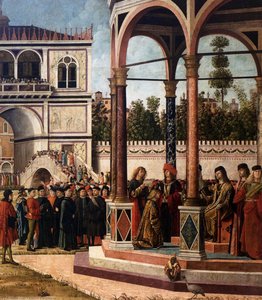
A Window into Venetian Life: The Intricate World of Vittore Carpaccio’s “Departure of the Pilgrims”
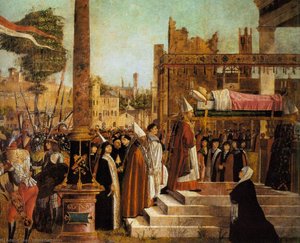
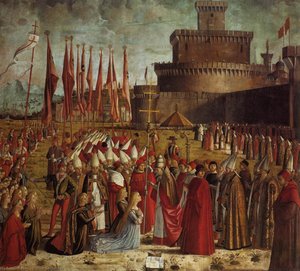
Vittore Carpaccio, a pivotal figure in the late 15th and early 16th centuries Venetian school of painting, offers us not merely a depiction of a scene, but a meticulously crafted window into the vibrant world of his time. His “Departure of the Pilgrims (Detail),” a fragment from his monumental cycle depicting the legend of Saint Ursula, is a testament to his unique artistic vision – a blend of early Netherlandish precision and Venetian warmth, imbued with a profound sense of narrative depth. Far removed from the bold, humanist styles that dominated Florentine painting during this period, Carpaccio’s work possesses a quiet dignity and an almost obsessive attention to detail, drawing viewers into a world of intricate social interactions and symbolic resonance.
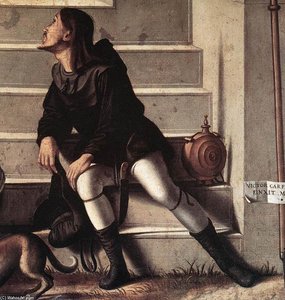
The scene itself is deceptively simple: a bustling departure point for a pilgrimage. Yet, within this seemingly straightforward composition lies a wealth of observation and storytelling. Two men, rendered with remarkable realism – one seated in contemplative repose, the other standing with an air of urgency – dominate the foreground. Their opulent attire, rich fabrics, and carefully arranged accessories immediately establish their status as members of Venetian society’s elite. The backdrop is equally compelling; a richly decorated chamber, likely a throne room or study, hints at royal patronage or significant historical importance, evidenced by the fragment of a crown and the inscription “VICTORIS CARPATIO VENETI OPVS” – "Let us be brave for the victory of Venice." This detail underscores Carpaccio’s deep connection to his city and its history.
The Language of Detail: Technique and Composition
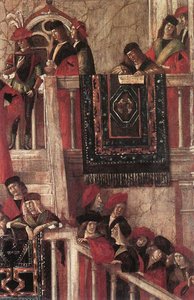
Carpaccio's mastery lies in his painstaking technique. He employed a layered approach, building up surfaces with numerous thin brushstrokes – a characteristic often referred to as “impasto” – creating textures that are both tactile and visually arresting. The carpet beneath the figures is rendered with astonishing detail, showcasing intricate patterns and vibrant colors, reflecting the wealth and status of those depicted. The architectural elements—columns, arches, and decorative moldings—are equally precise, demonstrating Carpaccio’s keen eye for perspective and his ability to create a convincing illusion of depth. Notice how he utilizes lines – primarily geometric, defining the structure of the room and the folds of clothing – to establish a sense of order and control within the composition.
The color palette is dominated by reds and browns, lending the scene a warm, almost somber atmosphere. This choice of hues, combined with the careful use of light and shadow, contributes to the painting’s overall mood of formality and authority. The figures are bathed in soft illumination, casting subtle shadows that define their forms and textures, adding to the sense of realism and immediacy. The flattened perspective, a convention common in Renaissance portraiture, is skillfully employed to emphasize the importance of the central figures and create a harmonious balance within the composition.
Symbolism and Context: A Venetian Tapestry
Beyond its surface beauty, “Departure of the Pilgrims” is rich in symbolism. The pilgrimage itself represents a journey of faith and devotion, but also a microcosm of Venetian society – a place where power, wealth, and social status intersect. The figures’ gestures and expressions convey a range of emotions—contemplation, urgency, and perhaps even anxiety—offering glimpses into the inner lives of these individuals. The inclusion of architectural details, such as the crown fragment and the inscription, further reinforces the painting's connection to Venetian history and its aspirations for power and prestige.
Carpaccio’s work is deeply rooted in the artistic traditions of his time. He was heavily influenced by Antonello da Messina, a pioneer of oil painting in Venice, as well as Early Netherlandish artists known for their meticulous detail and narrative storytelling. However, Carpaccio developed his own distinctive style—one characterized by its conservative nature, minimal influence from humanist trends, and a unique blend of orientalist flair. His “Legend of Saint Ursula” cycle is considered one of the most important achievements of the Venetian Renaissance, offering a valuable insight into the social, cultural, and artistic life of 15th-century Venice.
Bringing Carpaccio to Your Space: Reproductions and Artistic Inspiration
ArtsDot offers high-quality reproductions of Vittore Carpaccio’s “Departure of the Pilgrims (Detail),” allowing you to experience the beauty and complexity of this remarkable painting in your own home or office. These meticulously crafted prints capture the essence of Carpaccio's original work, faithfully reproducing his intricate details, rich colors, and evocative atmosphere. Whether you are an art enthusiast, a collector, or simply seeking inspiration for interior design, our reproductions provide a stunning way to bring this masterpiece into your life. Explore the full artwork at here.
Ähnliche Kunstwerke


Über den Künstler
Frühes Leben und Ausbildung
Vittore Carpaccio, ein bedeutender italienischer Maler, wurde um 1465 in Venedig geboren. Er studierte unter der Anleitung von Gentile Bellini, einem renommierten Künstler der venezianischen Schule. Diese Lehrzeit legte den Grundstein für Carpaccis späteren Erfolg.Künstlerischer Stil und Einflüsse
Carpaccis Stil war durch seine konservative Natur gekennzeichnet, wobei er minimale Einflüsse von den Humanisten-Trends zeigte, die die italienische Renaissance-Malerei zu seiner Lebzeiten veränderten. Seine Arbeit wurde von Antonello da Messinas Stil und der frühen niederländischen Kunst beeinflusst. Diese einzigartige Mischung aus Stilen führte zu einem unverwechselbaren Ansatz für die venezianische Malerei.Bemerkenswerte Werke
- Die Legende vom Heiligen Ursula, ein Zyklus von neun Gemälden, ist Carpaccis berühmtestes Werk. Diese Serie, die sich heute in der Gallerie dell'Accademia befindet, zeigt seine Meisterschaft in der Erzählmalerei.
- Das Altarbild zur Herrlichkeit des Heiligen Ursula (1491) demonstriert Carpaccis Geschick darin, Licht und Farbe einzufangen, was an den Stil von Giovanni Bellini erinnert.
- Das Wunder der Reliquie des Kreuzes an der Rialtobrücke (1494) unterstreicht Carpaccis Fähigkeit, Komposition und Erzählung in Einklang zu bringen.
Karrierehöhepunkte und Vermächtnis
- Carpaccis Hauptwerke wurden zwischen 1490 und 1519 geschaffen, was ihn zu einem der frühen Meister der venezianischen Renaissance zählt.
- Sein orientalistischer Stil, wie in St. Georg taufte die Seleniten zu sehen ist, spiegelt eine neue Faszination für den Levante wider.
- Carpaccis Werk wurde im Vergleich zu seinen Zeitgenossen wie Giovanni Bellini oder Giorgione etwas übersehen.
Referenzen und weiterführende Informationen
Entdecken Sie mehr über Vittore Carpaccio und die venezianische Schule auf ArtsDot.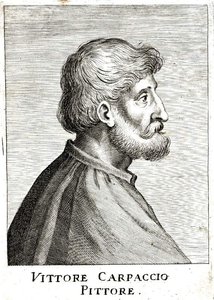
Vittore Carpaccio
1465 - 1526 , Italien
Kurzinfos
- Bemerkenswerte Werke:
- Die Legende vom Heiligen Ursula
- Gloria des Hl. Ursula Altarpiece
- Wunder der Kreuzreliquie am Rialto
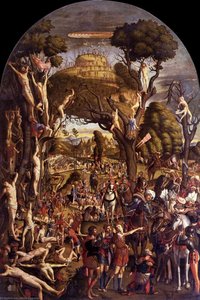
- Christus mit den Symbolen der Kreuzigung
- Geburtsdatum: ca. 1465
- Geburtsort (Stadt, Land): Venedig, Italien
- Künstler Oder Bewegungen, Die Von Diesem Künstler Beeinflusst Wurden:
- Giovanni Bellini
- Giorgione
- Künstler, Die Diesen Künstler Beeinflussten:
- Gentile Bellini
- Antonello da Messina
- Künstlerische Bewegung/Stil: Venezianische Renaissance
- Nationalität: Italienisch
- Todatum: 1526
- Vollständiger Name: Vittore Carpaccio
Ähnliche Artikel
Vittore Carpaccio: Venezianische Renaissance und die Poetik des Details
Entdecken Sie die faszinierende Welt Vittore Carpaccios! Analysieren Sie mit uns seine einzigartige venezianische Renaissance-Malerei, den St.-Georgs-Zyklus und seinen Einfluss auf die Kunstgeschichte. Expertenwissen & Detailreichtum.

Jacopo Tintoretto: Die 25 Meisterwerke des venezianischen Dramatikers | ArtsDot
Entdecken Sie die 25 Meisterwerke von Jacopo Tintoretto! Tauchen Sie ein in die dramatische Welt der venezianischen Renaissance. Hochwertige Kunst-Reproduktionen & Inspiration für Ihr Zuhause – jetzt auf ArtsDot.com.
The Enduring Legacy of Formal Portraiture: Power, Identity & Artistic Exploration
Explore the rich history of formal portraiture & its enduring power to capture identity and shape perception. Discover investment-worthy artworks, expert appraisals, and custom reproduction services at ArtsDot.
Sebastiano del Piombo: Bridging Venetian Colorism & Roman Grand Manner Portraiture
Explore the captivating art of Sebastiano del Piombo, a Renaissance master bridging Venetian colorism & Roman grandeur. Discover his iconic portraits and lasting influence on art history. Learn more at ArtsDot.
The Golden Light of Innovation: Exploring the Venetian Renaissance Art Movement (1430–1580)
Explore the Golden Age of Venetian art (1430–1580). Discover Giorgione, Titian & Tintoretto's techniques, the 'colorito' revolution, and lasting influence. Expert insights for collectors & enthusiasts.