 Vorschau anzeigen
 Versenden
 Teilen
 Details anzeigen

 Herunterladen
 Ähnliche Objekte
 Röntgenaufnahme
 Diashow
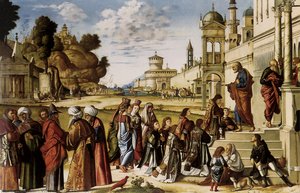
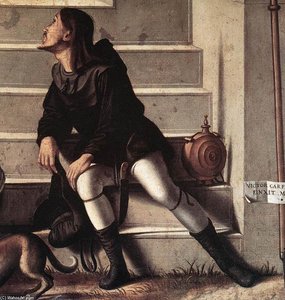
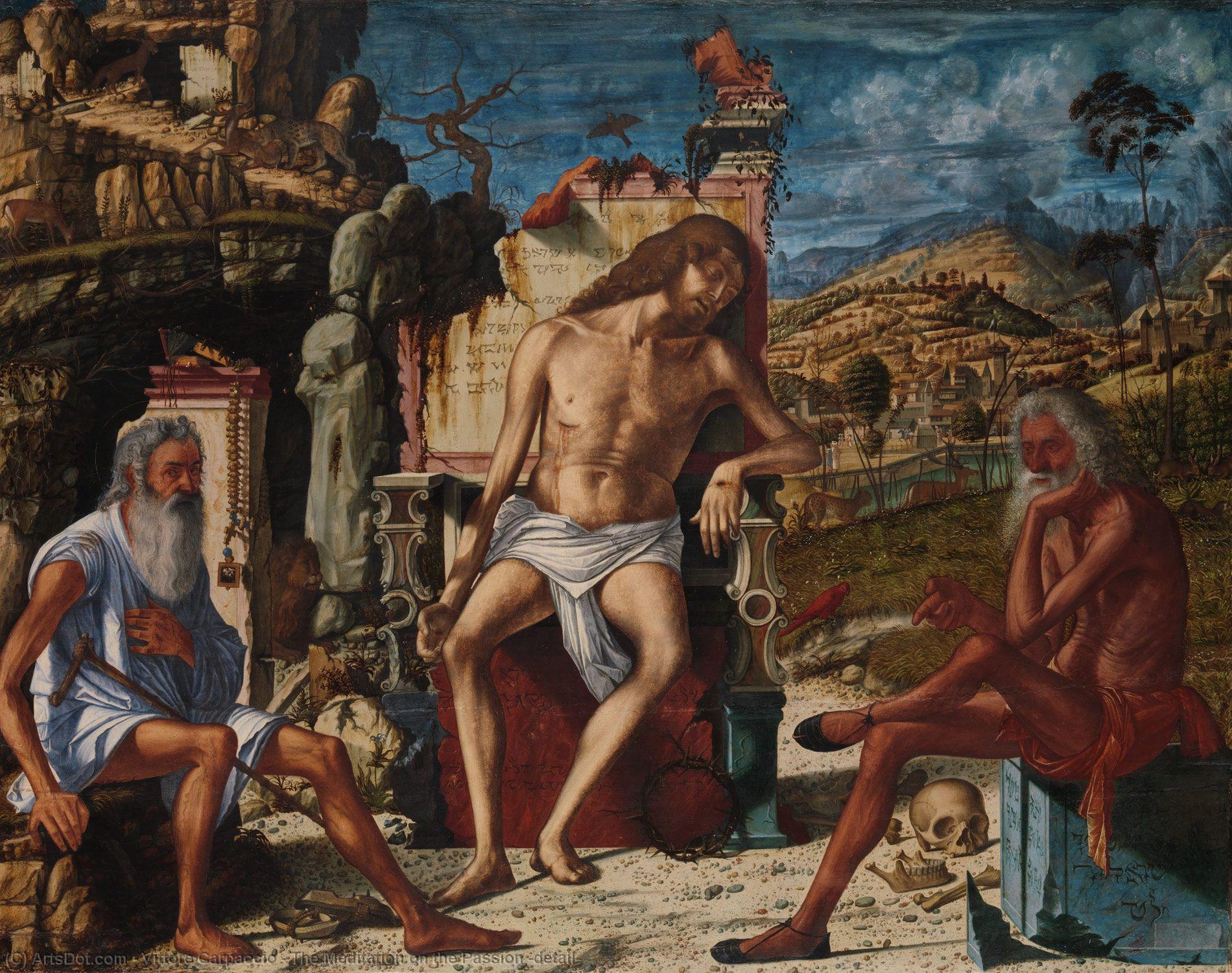
The Meditation on the Passion (detail)


 Weiterlesen
Handgefertigte Ölreproduktion
Handgemaltes Ölgemälde auf Leinwand in Ihrer Wunschgröße und mit Rahmen, auf Bestellung von unseren Künstlern angefertigt. ( Druck bestellen Bild kaufen)




P118B $10

P118H $10

P118W $10

P438Z $10

P508JH $12

P508YH $12

P805H $10

P805Z $10

P919BZ $10

P919G $10

P919XJ $10

P959ZH $10

P968JZ $12

W106C $8

W218G $10

W218JH $8

W218Y $10

W307PJ $10

W316G $10

W316PJ $8

W316Y $10

W398PJ $8

W4111J $10

W500HY $15

W500JH $15

W692G $12

W849H $8

W940BG $15

W953PJ $8




Wählen Sie aus unseren vordefinierten Formaten, die den ursprünglichen Proportionen des Kunstwerks entsprechen.

Sie können Ihre eigenen Maße eingeben, um einen bestimmten Rahmen oder Platz auszufüllen. Wenn die gewählte Größe nicht den Proportionen des Originalbildes entspricht, werden wir das Kunstwerk entweder beschneiden oder das Gemälde durch zusätzliche, handgemalte Elemente erweitern. Ein digitales Mockup wird Ihnen zur Genehmigung zugesandt, bevor die Produktion beginnt.
Bitte beachten Sie, dass die Bildschirmvorschau nicht die tatsächliche Beschneidung oder Erweiterung widerspiegelt. Nur das Mockup zeigt die endgültige Komposition exakt an.
Obwohl Sondermaße verfügbar sind, empfehlen wir, eine Größe aus der vordefinierten Liste zu wählen, um die ursprünglichen Proportionen beizubehalten.
Nach der Bestellung wird das ArtsDot.com-Team dem Kunden Anweisungen per E-Mail zusenden und eine Mockup-Vorschau bereitstellen.
Weltweiter Versand () in nur 3 bis 4 Wochen statt der üblichen 5 Wochen. (23 August). Keine Kompromisse bei der Qualität.

Kostenloser weltweiter Expressversand

Hochwertige Leinenleinwand

Umfassender Versicherungsschutz beim Versand

Zollgebühren-Rückerstattungsgarantie

Garantie für exakte Farbtreue

60 Tage Rückgaberecht (nur bei Mängeln)

100% Geld-zurück-Garantie

Mengenrabatt verfügbar
 Die Glasoption ist nur für Größen unter 110 cm verfügbar.

The Meditation on the Passion (detail)
Art der Reproduktion
Format der Reproduktion
-


Gesamtpreis
$ 263
Beschreibung des Kunstwerks
A Meditation on Suffering and Hope: Carpaccio’s “The Meditation on the Passion”
Vittore Carpaccio's "The Meditation on the Passion," painted around 1490, is not merely a depiction of Christ’s death; it’s a profound exploration of mortality, faith, and the enduring promise of resurrection. This remarkable work, housed within the walls of the Metropolitan Museum of Art, offers a rare glimpse into the Venetian painter's distinctive style – a blend of early Netherlandish precision, Italian Renaissance color palettes, and a deeply humanistic sensibility that sets him apart from his contemporaries.
Carpaccio’s artistic approach diverges significantly from the prevailing humanist trends sweeping through Italy at the time. He eschewed the idealized forms and classical references favored by many of his peers, instead opting for a more restrained and narrative-driven style. His work is characterized by meticulous detail, particularly in architectural renderings and the rendering of fabrics – hallmarks inherited from his apprenticeship under Gentile Bellini. Yet, unlike Bellini’s often opulent displays, Carpaccio imbues his scenes with a palpable sense of solemnity and introspection, drawing heavily on the emotional intensity found in Early Netherlandish painting, notably Antonello da Messina.
The Composition: A Landscape of Loss and Longing
The scene unfolds against a dramatic backdrop of rugged mountains, their peaks shrouded in mist – a visual metaphor for the uncertainties and challenges of life. Below this imposing landscape sits a starkly barren terrain, punctuated by the broken remains of a throne upon which Christ’s lifeless body rests. This fragmented throne, inscribed with pseudo-Hebrew text referencing Job's faith (“I know that my redeemer liveth”), immediately establishes the central theme: the acceptance of suffering and the unwavering belief in divine redemption. The inscription itself is a powerful statement – echoing the biblical narrative of Job’s endurance through unimaginable hardship.
Carpaccio masterfully employs contrasting elements to heighten the emotional impact. To Christ's still form, we are presented with a vibrant, almost overwhelming landscape teeming with life—a stark juxtaposition that underscores the tragedy of death while simultaneously hinting at the promise of eternal life. The inclusion of several figures – including Saint Jerome meditating on the scene and Job contemplating the events – invites contemplation and adds layers of theological significance. The turbaned figures in the background, likely representing merchants from the East, speak to Venice’s thriving trade routes and its engagement with diverse cultures, further enriching the painting's narrative complexity.
Symbolism and Spiritual Depth
The painting is replete with symbolic details that deepen its meaning. The presence of a single bird, soaring upwards towards Christ’s head, represents the soul ascending to God – a potent image of resurrection and spiritual liberation. The scattered bones near Job's figure serve as a poignant reminder of mortality and the transience of earthly existence. Even the carefully chosen colors contribute to the overall mood: somber blues and browns dominate the scene, punctuated by flashes of vibrant red in the drapery, symbolizing both Christ’s blood and the intensity of his sacrifice.
Carpaccio's "The Meditation on the Passion" is more than just a religious depiction; it’s a meditation on the human condition. It confronts viewers with the realities of suffering, loss, and mortality while simultaneously offering a message of hope and redemption. Its enduring power lies in its ability to evoke profound emotional responses – prompting reflection on faith, resilience, and the eternal promise of salvation. This work stands as a testament to Carpaccio’s unique artistic vision and his masterful command of narrative painting.
Ähnliche Kunstwerke



Über den Künstler
Frühes Leben und Ausbildung
Vittore Carpaccio, ein bedeutender italienischer Maler, wurde um 1465 in Venedig geboren. Er studierte unter der Anleitung von Gentile Bellini, einem renommierten Künstler der venezianischen Schule. Diese Lehrzeit legte den Grundstein für Carpaccis späteren Erfolg.Künstlerischer Stil und Einflüsse
Carpaccis Stil war durch seine konservative Natur gekennzeichnet, wobei er minimale Einflüsse von den Humanisten-Trends zeigte, die die italienische Renaissance-Malerei zu seiner Lebzeiten veränderten. Seine Arbeit wurde von Antonello da Messinas Stil und der frühen niederländischen Kunst beeinflusst. Diese einzigartige Mischung aus Stilen führte zu einem unverwechselbaren Ansatz für die venezianische Malerei.Bemerkenswerte Werke
- Die Legende vom Heiligen Ursula, ein Zyklus von neun Gemälden, ist Carpaccis berühmtestes Werk. Diese Serie, die sich heute in der Gallerie dell'Accademia befindet, zeigt seine Meisterschaft in der Erzählmalerei.
- Das Altarbild zur Herrlichkeit des Heiligen Ursula (1491) demonstriert Carpaccis Geschick darin, Licht und Farbe einzufangen, was an den Stil von Giovanni Bellini erinnert.
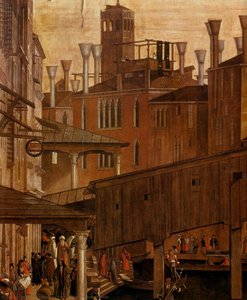
- Das Wunder der Reliquie des Kreuzes an der Rialtobrücke (1494) unterstreicht Carpaccis Fähigkeit, Komposition und Erzählung in Einklang zu bringen.
Karrierehöhepunkte und Vermächtnis
- Carpaccis Hauptwerke wurden zwischen 1490 und 1519 geschaffen, was ihn zu einem der frühen Meister der venezianischen Renaissance zählt.
- Sein orientalistischer Stil, wie in St. Georg taufte die Seleniten zu sehen ist, spiegelt eine neue Faszination für den Levante wider.
- Carpaccis Werk wurde im Vergleich zu seinen Zeitgenossen wie Giovanni Bellini oder Giorgione etwas übersehen.
Referenzen und weiterführende Informationen
Entdecken Sie mehr über Vittore Carpaccio und die venezianische Schule auf ArtsDot.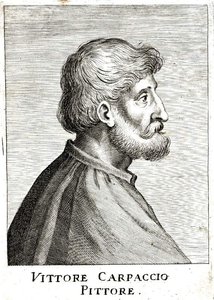
Vittore Carpaccio
1465 - 1526 , Italien
Kurzinfos
- Bemerkenswerte Werke:
- Die Legende vom Heiligen Ursula
- Gloria des Hl. Ursula Altarpiece
- Wunder der Kreuzreliquie am Rialto
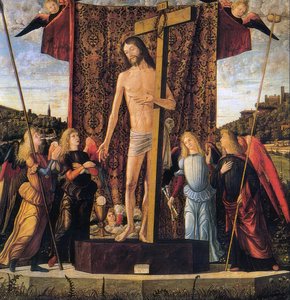
- Christus mit den Symbolen der Kreuzigung
- Geburtsdatum: ca. 1465
- Geburtsort (Stadt, Land): Venedig, Italien
- Künstler Oder Bewegungen, Die Von Diesem Künstler Beeinflusst Wurden:
- Giovanni Bellini
- Giorgione
- Künstler, Die Diesen Künstler Beeinflussten:
- Gentile Bellini
- Antonello da Messina
- Künstlerische Bewegung/Stil: Venezianische Renaissance
- Nationalität: Italienisch
- Todatum: 1526
- Vollständiger Name: Vittore Carpaccio
Ähnliche Artikel
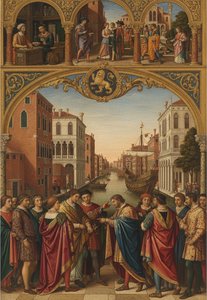
Vittore Carpaccio: Venezianische Renaissance und die Poetik des Details
Entdecken Sie die faszinierende Welt Vittore Carpaccios! Analysieren Sie mit uns seine einzigartige venezianische Renaissance-Malerei, den St.-Georgs-Zyklus und seinen Einfluss auf die Kunstgeschichte. Expertenwissen & Detailreichtum.

Fra Angelico: Die 25 Meisterwerke des italienischen Frührenaissance-Malers | ArtsDot
Entdecken Sie die 25 schönsten Meisterwerke von Fra Angelico! Erleben Sie religiöse Kunst der italienischen Renaissance, himmlische Fresken & Panelgemälde. Finden Sie hochwertige Kunstdrucke und Reproduktionen für Ihr Zuhause auf ArtsDot.com.

Jacopo Tintoretto: Die 25 Meisterwerke des venezianischen Dramatikers | ArtsDot
Entdecken Sie die 25 Meisterwerke von Jacopo Tintoretto! Tauchen Sie ein in die dramatische Welt der venezianischen Renaissance. Hochwertige Kunst-Reproduktionen & Inspiration für Ihr Zuhause – jetzt auf ArtsDot.com.

El Greco: Die 25 Meisterwerke – Kunst für Ihr Zuhause | ArtsDot
Entdecken Sie die 25 bedeutendsten Meisterwerke von El Greco! Erleben Sie die spirituelle Tiefe und den dramatischen Stil des griechischen Malers. Hochwertige Kunstdrucke & Inspiration für Ihr Zuhause auf ArtsDot.com.
Die 25 Meisterwerke des British Museum: Kunstgeschichte für Ihr Zuhause | ArtsDot
Entdecken Sie die 25 bedeutendsten Kunstwerke des British Museum! Von ägyptischen Schätzen bis zu Meisterwerken von Rembrandt & Van Gogh – erfahren Sie faszinierende Geschichten und finden Sie hochwertige Reproduktionen für Ihr Zuhause. Jetzt auf ArtsDot.com inspirieren lassen!