 Vorschau anzeigen
 Versenden
 Teilen
 Details anzeigen

 Herunterladen
 Ähnliche Objekte
 Röntgenaufnahme
 Diashow
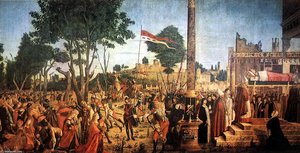
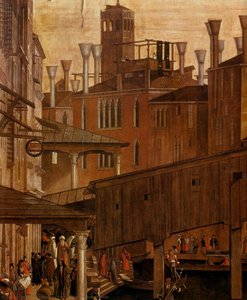
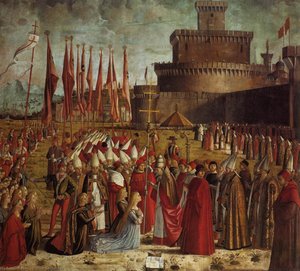
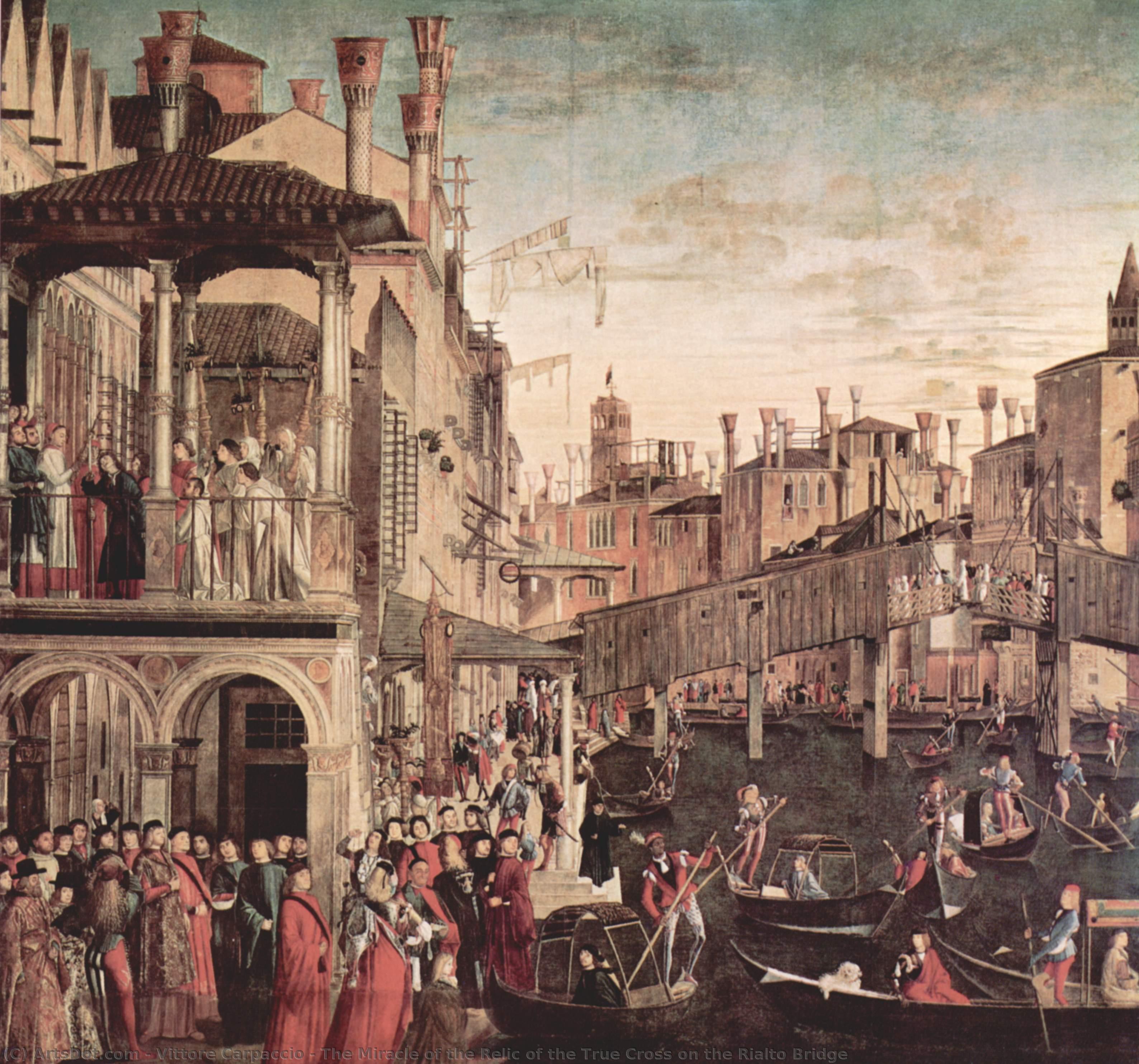
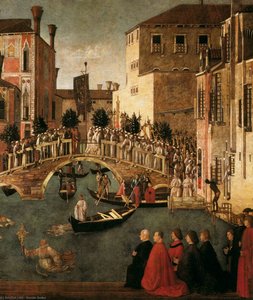
The Miracle of the Relic of the True Cross on the Rialto Bridge
 Acrylic On Canvas
- WallArt
- High Renaissance
 1494
1494 365.0 x 389.0 cm
 Gallerie dell’Accademia
 Weiterlesen
Handgefertigte Ölreproduktion
Handgemaltes Ölgemälde auf Leinwand in Ihrer Wunschgröße und mit Rahmen, auf Bestellung von unseren Künstlern angefertigt. ( Druck bestellen Bild kaufen)




P118B $10

P118H $10

P118W $10

P438Z $10

P508JH $12

P508YH $12

P805H $10

P805Z $10

P919BZ $10

P919G $10

P919XJ $10

P959ZH $10

P968JZ $12

W106C $8

W218G $10

W218JH $8

W218Y $10

W307PJ $10

W316G $10

W316PJ $8

W316Y $10

W398PJ $8

W4111J $10

W500HY $15

W500JH $15

W692G $12

W849H $8

W940BG $15

W953PJ $8




Wählen Sie aus unseren vordefinierten Formaten, die den ursprünglichen Proportionen des Kunstwerks entsprechen.

Sie können Ihre eigenen Maße eingeben, um einen bestimmten Rahmen oder Platz auszufüllen. Wenn die gewählte Größe nicht den Proportionen des Originalbildes entspricht, werden wir das Kunstwerk entweder beschneiden oder das Gemälde durch zusätzliche, handgemalte Elemente erweitern. Ein digitales Mockup wird Ihnen zur Genehmigung zugesandt, bevor die Produktion beginnt.
Bitte beachten Sie, dass die Bildschirmvorschau nicht die tatsächliche Beschneidung oder Erweiterung widerspiegelt. Nur das Mockup zeigt die endgültige Komposition exakt an.
Obwohl Sondermaße verfügbar sind, empfehlen wir, eine Größe aus der vordefinierten Liste zu wählen, um die ursprünglichen Proportionen beizubehalten.
Nach der Bestellung wird das ArtsDot.com-Team dem Kunden Anweisungen per E-Mail zusenden und eine Mockup-Vorschau bereitstellen.
Weltweiter Versand () in nur 3 bis 4 Wochen statt der üblichen 5 Wochen. (4 September). Keine Kompromisse bei der Qualität.

Kostenloser weltweiter Expressversand

Hochwertige Leinenleinwand

Umfassender Versicherungsschutz beim Versand

Zollgebühren-Rückerstattungsgarantie

Garantie für exakte Farbtreue

60 Tage Rückgaberecht (nur bei Mängeln)

100% Geld-zurück-Garantie

Mengenrabatt verfügbar
 Die Glasoption ist nur für Größen unter 110 cm verfügbar.

The Miracle of the Relic of the True Cross on the Rialto Bridge
Art der Reproduktion
Format der Reproduktion
-


Gesamtpreis
$ 263
The Miracle of the True Cross at Rialto’s Heart
Vittore Carpaccio's “Miracle of the Relic of the True Cross at the Ponte di Rialto,” painted in 1496, isn’t merely a depiction of a Venetian street scene; it’s a vibrant snapshot of a city pulsating with faith, commerce, and the everyday drama of life. The painting, now residing within the Gallerie dell'Accademia in Venice, immediately draws the eye into a bustling marketplace, dominated by the iconic Rialto Bridge – a symbol not just of Venetian engineering but also of its position as a crucial crossroads between East and West. Yet, amidst the lively activity—the merchants hawking their wares, the elegantly dressed patricians strolling along the canal, and the boisterous gondoliers navigating the waterways—a smaller, more intimate scene unfolds in the lower left corner: the miraculous healing of a possessed man through the touch of a splinter from the True Cross. This juxtaposition is key to understanding Carpaccio’s masterful storytelling – he seamlessly blends the sacred and secular, inviting us to contemplate the intersection of divine intervention and human experience within the fabric of daily life.
Carpaccio's style, deeply rooted in the early Renaissance, reveals a fascinating blend of influences. He was apprenticed to Gentile Bellini, a master known for his dramatic narratives and rich color palettes, but he also absorbed elements from the more restrained and precise techniques of Antonello da Messina, a pioneer of oil painting in Venice. This combination results in an image that is both emotionally charged and meticulously rendered. The figures are not idealized; they possess a palpable sense of realism, reflecting Carpaccio’s keen observation of Venetian society. His use of perspective, though not entirely groundbreaking for the time, creates a convincing illusion of depth, drawing us into the heart of the scene. The color scheme is dominated by warm reds and golds – colors associated with piety and wealth – contrasted against the cool blues and greens of the canal and surrounding buildings, further emphasizing the contrast between the earthly and the divine.
A Window into Renaissance Venice
To truly appreciate “Miracle of the True Cross,” it’s essential to understand the context in which it was created. Venice in 1496 was a city at the height of its power and prosperity, a global trading hub connecting Europe with Asia, Africa, and the Middle East. The Rialto Bridge itself was the center of this bustling commerce, a symbol of Venetian ingenuity and economic dominance. The presence of diverse populations – merchants from across Europe, Arab traders, African slaves, and even travelers from distant lands – created a remarkably cosmopolitan atmosphere. Carpaccio’s painting captures this vibrant diversity with remarkable detail, depicting individuals from various social classes and ethnicities interacting within the same scene. The inclusion of Black gondoliers, for example, highlights Venice's complex relationship with slavery—a dark undercurrent beneath the city’s glittering façade.
The miracle itself – the healing of a possessed man through the touch of a splinter from the True Cross – was a deeply significant event in Venetian religious life. The relic was venerated throughout the city, and its purported power to cure illness and exorcise demons fueled countless miracles and pilgrimages. Carpaccio’s painting isn't simply illustrating a biblical story; it’s reflecting the fervent piety of the Venetian people and their belief in the tangible presence of God in their daily lives. The scene is imbued with a sense of urgency and drama, as the possessed man writhes on the ground while the patriarch bestows the miraculous splinter. The expressions on the faces of the onlookers – ranging from awe to skepticism – reveal the diverse range of beliefs and attitudes within Venetian society.
Symbolism and Emotional Resonance
Beyond its historical context, “Miracle of the True Cross” is rich in symbolism. The True Cross itself represents sacrifice, redemption, and the triumph over death—central themes in Christian theology. The splinter, a small fragment of this sacred relic, embodies divine power and healing. The setting – the bustling Rialto Bridge – symbolizes the intersection of faith and commerce, highlighting the idea that God’s grace can be found even within the most earthly of circumstances. The painting's composition—with its dynamic movement and carefully arranged figures—creates a sense of visual excitement and invites the viewer to become an active participant in the scene.
The emotional impact of “Miracle of the True Cross” is profound. It’s not a sentimental or overly dramatic depiction of faith; rather, it captures the raw intensity of human experience – suffering, hope, and the possibility of redemption. The painting evokes a sense of wonder and mystery, prompting us to contemplate the nature of miracles and their place in our own lives. It's a testament to Carpaccio’s skill as a storyteller—his ability to capture not just the visual details of a scene but also its emotional essence. Reproductions of this masterpiece continue to resonate with viewers today, offering a glimpse into the vibrant and complex world of Renaissance Venice.
Ähnliche Kunstwerke
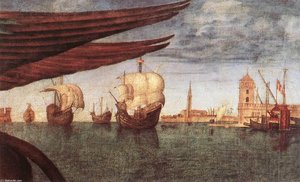
Über den Künstler
Frühes Leben und Ausbildung
Vittore Carpaccio, ein bedeutender italienischer Maler, wurde um 1465 in Venedig geboren. Er studierte unter der Anleitung von Gentile Bellini, einem renommierten Künstler der venezianischen Schule. Diese Lehrzeit legte den Grundstein für Carpaccis späteren Erfolg.Künstlerischer Stil und Einflüsse
Carpaccis Stil war durch seine konservative Natur gekennzeichnet, wobei er minimale Einflüsse von den Humanisten-Trends zeigte, die die italienische Renaissance-Malerei zu seiner Lebzeiten veränderten. Seine Arbeit wurde von Antonello da Messinas Stil und der frühen niederländischen Kunst beeinflusst. Diese einzigartige Mischung aus Stilen führte zu einem unverwechselbaren Ansatz für die venezianische Malerei.Bemerkenswerte Werke
- Die Legende vom Heiligen Ursula, ein Zyklus von neun Gemälden, ist Carpaccis berühmtestes Werk. Diese Serie, die sich heute in der Gallerie dell'Accademia befindet, zeigt seine Meisterschaft in der Erzählmalerei.
- Das Altarbild zur Herrlichkeit des Heiligen Ursula (1491) demonstriert Carpaccis Geschick darin, Licht und Farbe einzufangen, was an den Stil von Giovanni Bellini erinnert.
- Das Wunder der Reliquie des Kreuzes an der Rialtobrücke (1494) unterstreicht Carpaccis Fähigkeit, Komposition und Erzählung in Einklang zu bringen.
Karrierehöhepunkte und Vermächtnis
- Carpaccis Hauptwerke wurden zwischen 1490 und 1519 geschaffen, was ihn zu einem der frühen Meister der venezianischen Renaissance zählt.
- Sein orientalistischer Stil, wie in St. Georg taufte die Seleniten zu sehen ist, spiegelt eine neue Faszination für den Levante wider.
- Carpaccis Werk wurde im Vergleich zu seinen Zeitgenossen wie Giovanni Bellini oder Giorgione etwas übersehen.
Referenzen und weiterführende Informationen
Entdecken Sie mehr über Vittore Carpaccio und die venezianische Schule auf ArtsDot.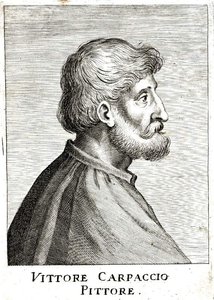
Vittore Carpaccio
1465 - 1526 , Italien
Kurzinfos
- Bemerkenswerte Werke:
- Die Legende vom Heiligen Ursula
- Gloria des Hl. Ursula Altarpiece
- Wunder der Kreuzreliquie am Rialto
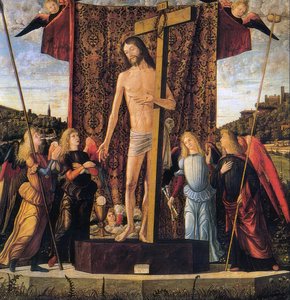
- Christus mit den Symbolen der Kreuzigung
- Geburtsdatum: ca. 1465
- Geburtsort (Stadt, Land): Venedig, Italien
- Künstler Oder Bewegungen, Die Von Diesem Künstler Beeinflusst Wurden:
- Giovanni Bellini
- Giorgione
- Künstler, Die Diesen Künstler Beeinflussten:
- Gentile Bellini
- Antonello da Messina
- Künstlerische Bewegung/Stil: Venezianische Renaissance
- Nationalität: Italienisch
- Todatum: 1526
- Vollständiger Name: Vittore Carpaccio
Ähnliche Artikel
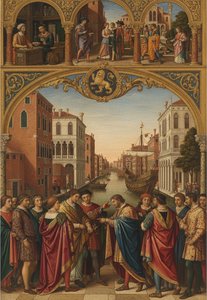
Vittore Carpaccio: Venezianische Renaissance und die Poetik des Details
Entdecken Sie die faszinierende Welt Vittore Carpaccios! Analysieren Sie mit uns seine einzigartige venezianische Renaissance-Malerei, den St.-Georgs-Zyklus und seinen Einfluss auf die Kunstgeschichte. Expertenwissen & Detailreichtum.
The Art of Italian Living: Transform Your Home with Timeless Landscapes and Renaissance Masterpieces
Elevate your home with the timeless romance of Italy. Discover expert-curated, hand-painted Italian landscapes and Renaissance-inspired masterpieces. From bespoke oil reproductions to custom portraits from photos, transform your space with elegance and artistic passion.
Bürgerliche Tugend und künstlerische Rivalität: Mäzenatentum und Innovation in den italienischen Renaissance-Republiken, 1400–1600
Entdecken Sie die faszinierende Welt des Renaissance-Mäzenatentums! Expertenwissen über Florenz, Venedig, Medici und den Einfluss von Kunst & Humanismus. Jetzt lesen!
Mario Sironi: Eine Poetik der modernen italienischen Identität zwischen Symbolismus und Gesellschaftskritik
Entdecken Sie Mario Sironis wegweisendes Werk und seine Auseinandersetzung mit der italienischen Identität. Analysen, Biografie, Novecento Italiano & die politische Dimension – Expertenwissen auf ArtsDot.
Giovanni Fattori: Realismus, Identität und die toskanische Landschaft – Ein Meister der Macchiaioli
Entdecken Sie Giovanni Fattori und die Macchiaioli! Erfahren Sie mehr über den italienischen Realismus, seine historischen Wurzeln und die einzigartige Darstellung der toskanischen Landschaft. Expertenwissen für Kunstliebhaber.