

 Vorschau anzeigen
 Versenden
 Teilen
 Details anzeigen

 Herunterladen
 Ähnliche Objekte
 Röntgenaufnahme
 Diashow
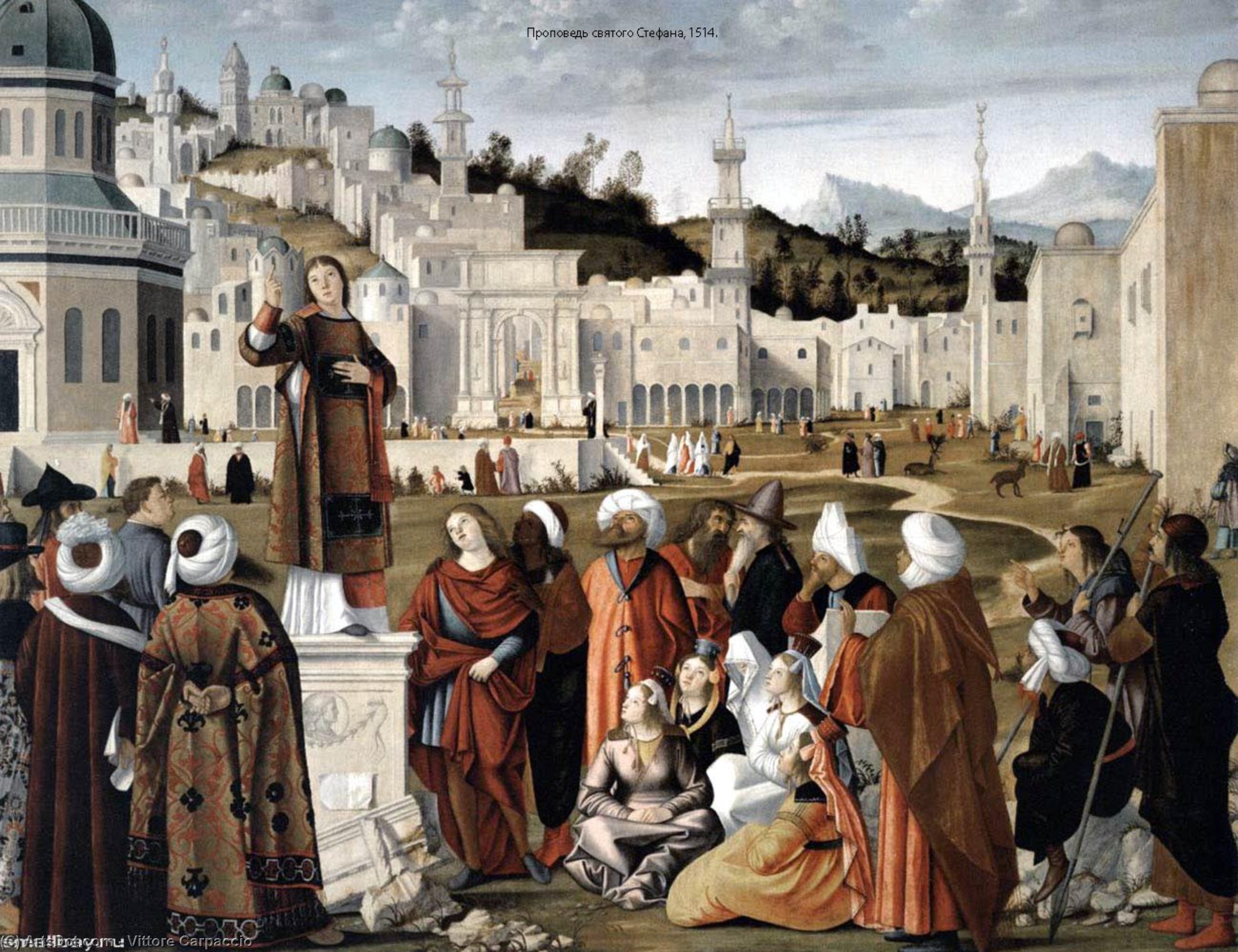
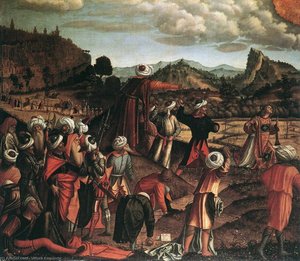
The Sermon of St Stephen
 Venetian Renaissance
 1514
1514 152.0 x 195.0 cm
 Louvre
 Weiterlesen
Erwerben Sie ein hochauflösendes, optimiertes digitales Bild, das der Online-Vorschau weit überlegen ist.
Jede Datei wird von unseren hauseigenen Spezialisten mit modernsten Werkzeugen und fachmännischer manueller Retusche sorgfältig vorbereitet. Wir stellen sicher, dass jedes Bild eine außergewöhnliche Klarheit, präzise Farbgenauigkeit und feinste Details aufweist.
Die endgültige Datei wird innerhalb von 72 Stunden per E-Mail zugestellt und ist für den sofortigen Einsatz in professionellen, redaktionellen und Druckumgebungen optimiert. Es handelt sich um dieselbe Qualität, der führende Designstudios, Verlage und Galerien vertrauen.
Digitales Bild
Laden Sie eine hochauflösende Datei für die persönliche Präsentation, den Druck und kreative Projekte herunter. ( Druck bestellen Handgemalte Reproduktion bestellen)
In jeder Bestellung digitaler Bilder enthalten
Professionelle digitale Bereitstellung, garantiert
Wenn Sie sich für ArtsDot.com entscheiden, erhalten Sie nicht nur ein Bild – Sie erhalten ein professionell aufbereitetes digitales Kunstwerk, das mit höchster Präzision erstellt und durch eine Zufriedenheitsgarantie abgesichert wird. Hier ist alles, was automatisch mit Ihrer Bestellung geliefert wird:

Schnelle E-Mail-Zustellung
Ihre hochauflösende digitale Bilddatei wird Ihnen innerhalb von 72 Stunden nach der Bestellung per E-Mail zugestellt – bereit zur sofortigen Verwendung.

KI-optimierte digitale Datei
Ihre Kunstwerke werden professionell mithilfe fortschrittlicher KI-Tools und manueller Bearbeitung optimiert, um maximale Detailtreue, Klarheit und Farbgenauigkeit zu gewährleisten.

Lebenslanger kostenloser Neudruckservice
Datei versehentlich gelöscht oder verloren? Keine Sorge – wir senden sie Ihnen jederzeit kostenlos erneut zu.

Keine Einfuhrgebühren – jemals
Genießen Sie Ihr Kunstwerk sofort ohne Zollgebühren, Einfuhrabgaben oder Versandkosten – digitale Downloads sind immer steuerfrei.

Garantierte Farbtreue
Wir garantieren, dass Ihr digitales Bild mithilfe professioneller Werkzeuge und Farbmanagement die Originalfarben so präzise wie möglich wiedergibt.

60-Tage-Zufriedenheitsgarantie
Sollten Sie mit Ihrem digitalen Bild nicht zufrieden sein, werden wir es überarbeiten oder Ihnen innerhalb von 60 Tagen 100% erstatten – ohne Wenn und Aber.

100% Geld-zurück-Garantie
Nicht zufrieden? Erhalten Sie innerhalb von 60 Tagen nach Erhalt Ihrer digitalen Datei eine vollständige Rückerstattung – ohne Angabe von Gründen.

Rabatte bei Großbestellungen
3 Bilder kaufen, 10% sparen – 5 Bilder kaufen, 15% sparen – Ab 10 Bildern 20% sparen. Ideal für kreative Projekte, Galerien und Agenturen.
The Sermon of St. Stephen: A Venetian Tapestry of Faith and Narrative
Vittore Carpaccio’s “The Sermon of St. Stephen,” painted in 1514, isn't merely a depiction of a biblical event; it’s a vibrant window into the heart of Renaissance Venice – a city brimming with cultural exchange, religious fervor, and burgeoning artistic innovation. This monumental oil-on-canvas work, now residing within the hallowed halls of the Louvre, transcends its historical subject matter to become a compelling study in human interaction, faith, and the intricate beauty of Venetian art. Carpaccio, deeply influenced by the early Italian Renaissance masters like Antonello da Messina and drawing inspiration from the meticulous detail of Early Netherlandish painting, masterfully weaves together elements of religious narrative with a distinctly Venetian sensibility.
The scene unfolds within a meticulously rendered landscape – a stylized vista reminiscent of Jerusalem, yet imbued with the recognizable architecture and bustling atmosphere of Venice. The composition is dominated by St. Stephen himself, standing on an elevated platform, his posture radiating authority and conviction as he delivers his sermon to a diverse crowd. Carpaccio’s genius lies not just in capturing the physical likeness of the figures but also in conveying their emotional states – the rapt attention of some, the skeptical questioning of others, and the palpable tension within the scene. The artist's use of *sfumato*, a technique perfected by Leonardo da Vinci, softens the edges and creates an atmospheric haze, lending the painting a dreamlike quality that invites prolonged contemplation.
A Mosaic of Cultures: Symbolism and Venetian Identity
Beyond its religious subject matter, “The Sermon of St. Stephen” is a rich tapestry of symbolic representation reflecting the cosmopolitan nature of Venice at the time. The crowd itself is a remarkable testament to this – a carefully assembled group comprised not only of Venetians but also individuals from diverse ethnic backgrounds: Syrians, Egyptians, Nubians, and even figures reminiscent of Turks, all gathered together as witnesses to St. Stephen’s powerful message. This deliberate inclusion speaks volumes about Venice's role as a crossroads of cultures, a vibrant hub where East met West, and where the exchange of ideas and traditions flourished. The presence of turbans and distinctive clothing styles underscores this multiculturalism, offering a rare glimpse into the social fabric of 16th-century Venice.
Furthermore, the architectural elements within the painting – the towering buildings, the intricate details of the cityscape – are not simply decorative; they serve as visual anchors, grounding the scene in a specific time and place. The inclusion of familiar Venetian landmarks, such as the Ponte di Rialto, subtly reinforces Carpaccio’s Venetian identity while simultaneously transporting the viewer to a distant land. The overall effect is one of immersive storytelling, inviting us to step into the heart of this pivotal religious event and witness it unfold within a dynamic and multifaceted setting.
Technique and Legacy: A Masterpiece of Narrative Painting
Carpaccio’s technical skill is evident in every brushstroke. His meticulous attention to detail – from the folds of the robes to the expressions on the faces – creates a remarkable sense of realism and immediacy. The use of color is particularly noteworthy, with Carpaccio employing a rich palette of reds, blues, and golds to create a visually arresting composition. He skillfully utilizes light and shadow to sculpt the figures and define their forms, adding depth and drama to the scene. This masterful control over technique, combined with his narrative prowess, firmly establishes “The Sermon of St. Stephen” as a cornerstone of Venetian Renaissance painting.
The work’s significance extends beyond its artistic merit; it represents one of Carpaccio's most celebrated cycles, alongside "The Legend of Saint Ursula." This series, originally intended for the Scuola dei Lanieri in Venice, demonstrates his ability to transform complex biblical narratives into compelling visual stories. “The Sermon of St. Stephen” stands as a testament to Carpaccio’s enduring legacy – a painter who seamlessly blended religious devotion with artistic innovation and captured the spirit of his time with unparalleled skill and sensitivity. Reproductions of this captivating artwork offer a remarkable opportunity to experience the richness and complexity of Venetian Renaissance art firsthand.
Ähnliche Kunstwerke

Biografie des Künstlers
Frühes Leben und Ausbildung
Vittore Carpaccio, ein bedeutender italienischer Maler, wurde um 1465 in Venedig geboren. Er studierte unter der Anleitung von Gentile Bellini, einem renommierten Künstler der venezianischen Schule. Diese Lehrzeit legte den Grundstein für Carpaccis späteren Erfolg.Künstlerischer Stil und Einflüsse
Carpaccis Stil war durch seine konservative Natur gekennzeichnet, wobei er minimale Einflüsse von den Humanisten-Trends zeigte, die die italienische Renaissance-Malerei zu seiner Lebzeiten veränderten. Seine Arbeit wurde von Antonello da Messinas Stil und der frühen niederländischen Kunst beeinflusst. Diese einzigartige Mischung aus Stilen führte zu einem unverwechselbaren Ansatz für die venezianische Malerei.Bemerkenswerte Werke
- Die Legende vom Heiligen Ursula, ein Zyklus von neun Gemälden, ist Carpaccis berühmtestes Werk. Diese Serie, die sich heute in der Gallerie dell'Accademia befindet, zeigt seine Meisterschaft in der Erzählmalerei.
- Das Altarbild zur Herrlichkeit des Heiligen Ursula (1491) demonstriert Carpaccis Geschick darin, Licht und Farbe einzufangen, was an den Stil von Giovanni Bellini erinnert.
- Das Wunder der Reliquie des Kreuzes an der Rialtobrücke (1494) unterstreicht Carpaccis Fähigkeit, Komposition und Erzählung in Einklang zu bringen.
Karrierehöhepunkte und Vermächtnis
- Carpaccis Hauptwerke wurden zwischen 1490 und 1519 geschaffen, was ihn zu einem der frühen Meister der venezianischen Renaissance zählt.
- Sein orientalistischer Stil, wie in St. Georg taufte die Seleniten zu sehen ist, spiegelt eine neue Faszination für den Levante wider.
- Carpaccis Werk wurde im Vergleich zu seinen Zeitgenossen wie Giovanni Bellini oder Giorgione etwas übersehen.
Referenzen und weiterführende Informationen
Entdecken Sie mehr über Vittore Carpaccio und die venezianische Schule auf ArtsDot.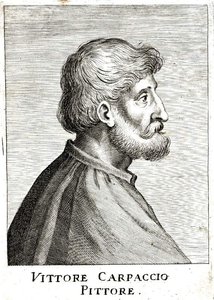
Vittore Carpaccio
1465 - 1526 , Italien
Kurzinfos
- Bemerkenswerte Werke:
- Die Legende vom Heiligen Ursula
- Gloria des Hl. Ursula Altarpiece
- Wunder der Kreuzreliquie am Rialto
- Christus mit den Symbolen der Kreuzigung
- Geburtsdatum: ca. 1465
- Geburtsort (Stadt, Land): Venedig, Italien
- Künstler Oder Bewegungen, Die Von Diesem Künstler Beeinflusst Wurden:
- Giovanni Bellini
- Giorgione
- Künstler, Die Diesen Künstler Beeinflussten:
- Gentile Bellini
- Antonello da Messina
- Künstlerische Bewegung/Stil: Venezianische Renaissance
- Nationalität: Italienisch
- Todatum: 1526
- Vollständiger Name: Vittore Carpaccio

