

 Vorschau anzeigen
 Versenden
 Teilen
 Details anzeigen

 Herunterladen
 Ähnliche Objekte
 Röntgenaufnahme
 Diashow
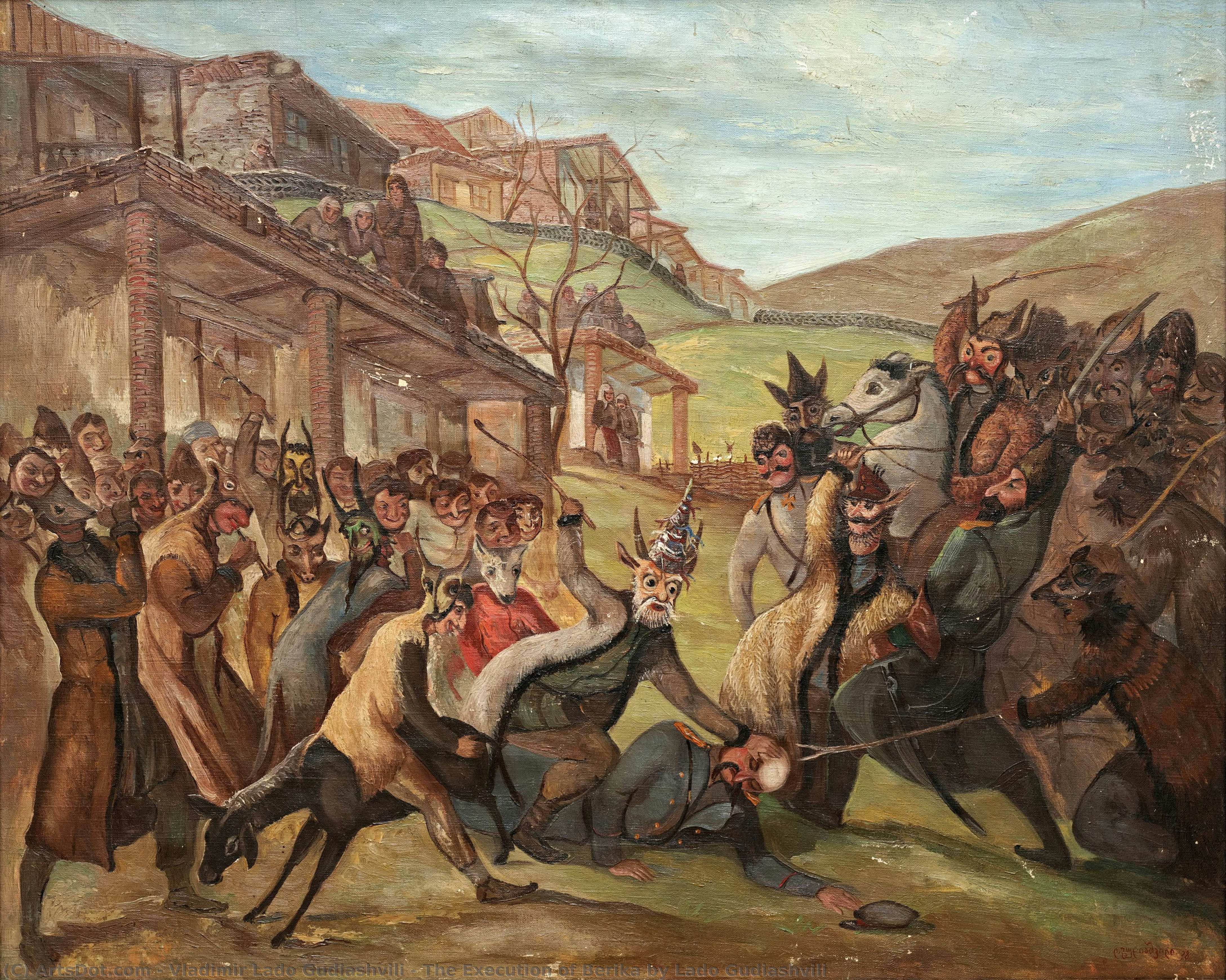
The Execution of Berika by Lado Gudiashvili
 Oil On Canvas
- WallArt
- Baroque Realism
 1938
1938- Modern
 72.0 x 29.0 cm
 Kunstpalast Georgiens – Museum für Kulturgeschichte
 Weiterlesen
Giclée / Kunstdruck
Giclée- oder Leinwanddruck in Museumsqualität mit schneller Produktion und flexiblen Veredelungsoptionen. ( Handgemalte Reproduktion bestellen Bild kaufen)




P118B $10

P118H $10

P118W $10

P438Z $10

P508JH $12

P508YH $12

P805H $10

P805Z $10

P919BZ $10

P919G $10

P919XJ $10

P959ZH $10

P968JZ $12

W106C $8

W218G $10

W218JH $8

W218Y $10

W307PJ $10

W316G $10

W316PJ $8

W316Y $10

W398PJ $8

W4111J $10

W500HY $15

W500JH $15

W692G $12

W849H $8

W940BG $15

W953PJ $8




Wählen Sie aus unseren vordefinierten Formaten, die den ursprünglichen Proportionen des Kunstwerks entsprechen.

Sie können Ihre eigenen Maße eingeben, um ein bestimmtes Format oder einen speziellen Platz einzupassen. Wenn das von Ihnen gewählte Format nicht den Proportionen des Originalbildes entspricht, werden wir das Kunstwerk entweder beschneiden oder das Bild mit einem gespiegelten oder einfarbigen Rand erweitern. Ein digitaler Entwurf wird Ihnen zur Genehmigung zugesandt, bevor die Produktion beginnt.
Bitte beachten Sie, dass die Vorschau auf dem Bildschirm nicht den tatsächlichen Zuschnitt oder die Erweiterung widerspiegelt. Nur der Entwurf zeigt die endgültige Komposition präzise an.
Obwohl Sondermaße verfügbar sind, empfehlen wir die Auswahl eines Maßes aus der vordefinierten Liste, um die ursprünglichen Proportionen zu bewahren.
Weltweiter Versand () innerhalb von 2 Wochen statt der üblichen 4/5 Wochen. (1 September)

Kostenloser weltweiter Expressversand

Hochwertige Leinenleinwand

Umfassender Versicherungsschutz beim Versand

Zollgebühren-Rückerstattungsgarantie

Garantie für exakte Farbtreue

60 Tage Rückgaberecht (nur bei Mängeln)

100% Geld-zurück-Garantie

Mengenrabatt verfügbar
 Die Glasoption ist nur für Größen unter 110 cm verfügbar.

The Execution of Berika by Lado Gudiashvili
Giclée / Kunstdruck
Format der Reproduktion
-


Gesamtpreis
$ 62
A Dramatic Encounter with Georgian Folklore
In the hauntingly evocative oil painting The Execution of Berika, created in 1938 by the master Georgian artist Vladimir Lado Gudiashvili, we are thrust into a world where folk tradition and political tragedy collide. The canvas serves as a window into the soul of Georgia, specifically capturing the essence of Berikaoba—a traditional, improvised masquerade theatre that transcends mere entertainment to become a vessel for social protest and satire. Through Gudi-ashvilli’s lens, the scene is not merely a historical depiction but a visceral exploration of the human spirit's struggle against oppression. The composition is dense and claustrophobic, pulling the viewer into a chaotic public square where the boundaries between the festive and the fatal are dangerously blurred.
The subject matter centers on a profound moment of injustice: the execution of a figure representing the common people, set against the backdrop of a crowd that is both witness and participant. Gudiashvili masterfully weaves together elements of the Berika—the masked performers often disguised as animals using hides, horns, and skulls—with the grim reality of state power. This juxtaposition creates a narrative tension that is palpable; the colorful, almost grotesque masks of the masquerade contrast sharply with the somber, brutal act of the executioner. It is a painting that speaks to the eternal cycle of resistance and authority, making it a profound choice for collectors who value art with deep socio-political resonance.
Mastery of Baroque Realism and Texture
Technically, the work is a triumph of Baroque realism, characterized by its intense emotionality and dynamic use of light and shadow. Gudiashvili employs an uneven, dramatic lighting scheme that casts strong highlights on key figures while plunging others into deep, mysterious shadows. This technique, reminiscent of the chiaroscuro masters, heightens the sense of drama and directs the eye through the swirling movement of robes, outstretched limbs, and the heavy presence of animals like horses and bears. The artist utilizes impasto in specific areas, adding a physical depth and rugged texture to the canvas that mirrors the raw, unpolished nature of the event itself.
The color palette is grounded in earthy, organic tones—rich ochres, deep browns, and muted greens—which anchor the scene in a sense of historical reality. However, these somber hues are punctuated by strategic flashes of red in the clothing and accessories, serving as visual anchors that draw attention to the most pivotal moments of the struggle. For interior designers and art enthusiasts, this painting offers a sophisticated interplay of texture and tone, making it a commanding centerpiece that brings both historical weight and a sense of textured luxury to any curated space.
A Symbol of Resilience and Artistic Legacy
Beyond its visual splendor, The Execution of Berika is a profound symbolic work. The Court Executive stands as a chilling emblem of systemic injustice, while the Berika figures represent the enduring resilience of the peasantry. Gudiashvili, heavily influenced by the primitive yet powerful style of Niko Pirosmani, manages to blend the grotesque with a poetic mystery that is uniquely Georgian. Every element, from the rhythmic lines of the crowd to the heavy, animalistic textures of the costumes, contributes to an atmosphere of shock and morbid curiosity.
Owning a high-quality reproduction of this masterpiece allows one to possess a fragment of 20th-century art history. It is more than a decoration; it is a conversation piece that invites contemplation on themes of freedom, power, and the enduring power of cultural identity. Whether displayed in a private gallery or a thoughtfully designed modern living space, Gudiashvili’s work continues to evoke a powerful emotional response, reminding us of the beauty found even in the most turbulent chapters of human history.
Ähnliche Kunstwerke




Über den Künstler
early life and education
Vladimir Lado Gudiashvili, a pivotal figure in Georgian art history, was born on March 30, 1896, in Tbilisi (then Tiflis), Georgia—a city brimming with artistic fervor during his formative years. His father, David Gudiashvili, served as a railway engineer, instilling in him an appreciation for precision and craftsmanship that would later permeate his artistic endeavors. Elizabeth Gudiashvili, his mother, nurtured his intellectual curiosity and fostered a love for literature and culture. From 1910 to 1914, Gudiashvili embarked on his formal artistic journey at the Tbilisi School of Sculpture and Fine Art, where he honed his skills under the tutelage of Alexander Bazhbeuk-Melikyan—a fellow Armenian artist whose teachings profoundly shaped his aesthetic sensibilities. This encounter marked the beginning of a lifelong collaboration with Bazhbeuk-Melikyan, fostering mutual respect for artistic innovation and tradition.artistic influences and style
Gudiashvili’s artistic vision was indelibly imprinted by Niko Pirosmani—a Georgian iconoclast celebrated for his groundbreaking blend of traditional folklore motifs and modernist techniques. Pirosmani's expressive brushstrokes and symbolic imagery served as a guiding light, inspiring Gudiashvili to explore the interplay between visual representation and emotional resonance. His distinctive style, characterized by grotesque realism combined with poetic mystery, encapsulates this influence—a deliberate departure from academic conventions that championed idealized beauty. This stylistic choice reflected a broader trend within Georgian art during the early 20th century, signaling a rejection of established norms in favor of experimentation and psychological depth. He attended Ronson’s Private Academy in Paris from 1919 to 1926, furthering his artistic horizons and immersing himself in the vibrant intellectual milieu of Parisian avant-garde circles.the parisian period
Gudiashvili's relocation to Paris proved transformative—a catalyst for artistic maturation and a crucible of creative experimentation. Surrounded by luminaries of European art and literature—including André Derain, Pablo Picasso, Fernand Léger, Henri Matisse, Tsuguharu Foujita, Ilya Ehrenburg, Maurice Raynal, Pierre Worms, and André Salmon—he engaged in spirited debates about artistic theory and practice. His studio became a hub for intellectual exchange, fostering collaborations with fellow artists and writers who challenged conventional ideas about art’s role in society. Notably, he befriended Sergei Sudeikin, a Russian poet and artist who championed the expressive power of color and form. Gudiashvili's Parisian years witnessed a prolific output of paintings—bold landscapes infused with symbolic imagery and portraits imbued with psychological nuance—establishing him as one of Georgia’s foremost modernist painters.major achievements
Among his most celebrated works is “The Execution of Berika”—a monumental fresco commissioned for the Tbilisi Opera House, which embodies Gudiashvili's mastery of mural painting technique and his commitment to conveying profound emotional narratives. This ambitious project cemented his reputation as a visionary artist capable of transforming architectural spaces into immersive artistic experiences—a testament to his technical prowess and conceptual daring. Furthermore, he contributed significantly to theater decoration, crafting evocative sets that enhanced the dramatic impact of theatrical productions. His involvement in film production underscored his versatility as an artist—demonstrating his ability to adapt his creative skills to diverse mediums.legacy
Vladimir Lado Gudiashvili passed away on July 20, 1980, in Tbilisi, leaving behind a legacy that continues to inspire Georgian artists and scholars alike. His oeuvre—characterized by its distinctive stylistic blend of grotesque realism and poetic mystery—remains an enduring emblem of Georgian modernist art. Today, his paintings reside prominently within the Tbilisi Fine Arts Museum’s collection—a tangible reminder of his artistic genius and his indelible contribution to Georgia's cultural heritage. Gudiashvili’s influence extends beyond his own artworks; he mentored younger artists, fostering a tradition of experimentation and innovation that persists to this day.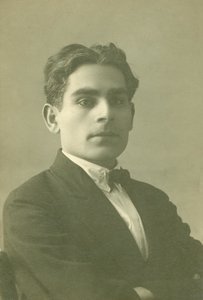
Vladimir Lado Gudiashvili
1896 - 1980 , Georgien
Kurzinfos
- Artistic Movement Or Style: Groteske Realismus; Barockrealismus
- Artists Or Movements Influenced By This Artist: ['St. Petersburg Imperial Akademie der Künste']
- Artists Who Influenced This Artist:
- Nikolai Kondratyuk
- Alexei Dmitrievich Vasiliev
- Niko Pirosmani
- Date Of Birth: 30 März 1896
- Date Of Death: 20 Juli 1980
- Full Name: Vladimir Lado Gudiashvili
- Nationality: Georgisch
- Notable Artworks: ['Die Eröffnung von Berika']
- Place Of Birth: Tbilisi, Georgien
Ähnliche Artikel

The Dramatic Flourish: Exploring the Baroque Movement's Enduring Legacy in Art History
Explore the dramatic world of Baroque art! Discover iconic artists like Caravaggio & Rubens, defining techniques, and its lasting impact on art history. Expert insights for collectors & enthusiasts at ArtsDot.

Barock Meisterwerke: Die 10 prägendsten Kunstwerke für Ihr Zuhause |
Entdecken Sie die 10 prägendsten Meisterwerke des Barock! Caravaggio, Rembrandt & Co. – Erfahren Sie die Geschichten hinter ikonischen Gemälde und finden Sie hochwertige Kunst Reproduktionen für Ihr Zuhause auf .

The Enduring Power of Painting: A Historical & Contemporary Exploration of Form and Emotion
Explore the rich history & enduring techniques of oil painting with ArtsDot. Discover masterpieces, learn about art collecting, and find authentic handmade reproductions crafted by skilled artists.
Romantic Realism's Finest: 10 Masterpieces for Your Home | ArtsDot
Explore 10 defining masterpieces of Romantic Realism! Discover Courbet, Millet & Daumier's powerful paintings—capturing emotion and social realities. Find museum-quality reproductions for your home at ArtsDot.com.

Öl auf Leinwand: Eine historische und technische Erkundung eines zeitlosen künstlerischen Mediums
Entdecken Sie die faszinierende Welt der Ölmalerei! Von historischen Techniken bis zur modernen Anwendung – wir bieten Expertenwissen, Restaurierungstipps und hochwertige Reproduktionen. Jetzt informieren!

