 Vorschau anzeigen
 Versenden
 Teilen
 Details anzeigen

 Herunterladen
 Ähnliche Objekte
 Röntgenaufnahme
 Diashow
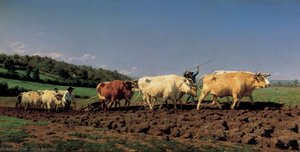
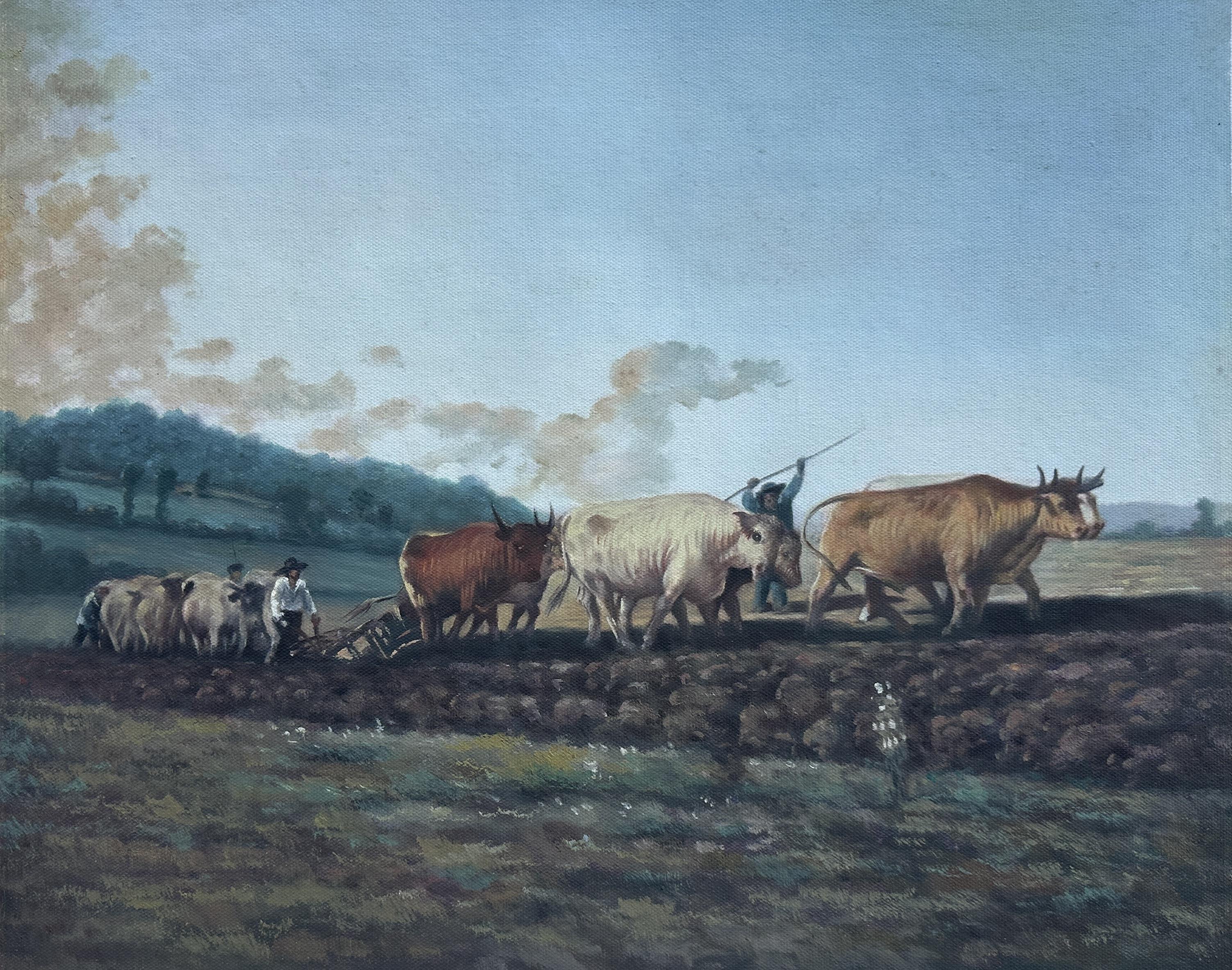
Ploughing in the Nivernais - Rosa Bonheur
 Acrylfarbe
- Wandkunst
- Realism Painting
 2026
2026- Studio Hand Painted Art Available Now
 41 x 51 cm
- Artwork Reference (Famous): Pflügen im Nivernais
 Weiterlesen
Ölgemälde mit Lager-Rabatt verfügbar
Handgemaltes Ölgemälde auf Lager und versandbereit; Rahmen können beim Checkout hinzugefügt werden. ()





































Kostenloser weltweiter Expressversand

Hochwertige Leinenleinwand

Umfassender Versicherungsschutz beim Versand

Zollgebühren-Rückerstattungsgarantie

Garantie für exakte Farbtreue

60 Tage Rückgaberecht (nur bei Mängeln)

100% Geld-zurück-Garantie

Mengenrabatt verfügbar
 Die Glasoption ist nur für Größen unter 110 cm verfügbar.

Ploughing in the Nivernais - Rosa Bonheur
Ölgemälde mit Lager-Rabatt verfügbar
Format der Reproduktion
-


Expressversand inklusive
Expressversand weltweit. Eine Woche. (4 August).
Inklusive
Gesamtpreis
$ 90
Beschreibung des Kunstwerks
A Glimpse into Rural Life: Echoes of Millet and Bonheur
Rosa Bonheur’s “Ploughing in the Nivernais” is not merely a depiction of agricultural labor; it's an immersive journey back to the heart of 19th-century French rural life. Painted in 1849, this work resonates with the spirit of Realism, echoing the profound social consciousness of artists like Jean-François Millet while establishing Bonheur as a singular voice within the movement. The scene unfolds before us – two teams of oxen powerfully navigating the rich soil of the Nivernais region, their muscular forms rendered with an astonishing degree of anatomical precision and respect.
Bonheur’s commitment to authenticity is palpable. She didn't simply observe these scenes; she *lived* them, spending countless hours studying animals in their natural habitat, even dissecting specimens to fully understand their form and movement. This dedication translates into a breathtaking realism that captures the sheer physicality of the work – the strain on the oxen’s necks, the subtle shifts in weight, the texture of the earth clinging to hooves and plowshares. The earthy palette—dominated by browns, ochres, and muted greens—further grounds the painting in its naturalistic setting, evoking a sense of both hardship and harmony.
The emotional impact is profound. While celebrating the dignity of manual labor, Bonheur doesn’t shy away from portraying its challenges. The farmers themselves are somewhat obscured by their work, emphasizing their connection to the land and the animals rather than individual heroism. This subtle narrative invites contemplation on themes of tradition, community, and the enduring relationship between humanity and nature.
This hand-painted acrylic reproduction faithfully captures the nuances of Bonheur’s original masterpiece. The skilled artisans at ArtsDot.com have meticulously recreated the brushstrokes, color variations, and overall texture, ensuring a stunning visual experience. Collectors will value this piece not only for its artistic merit but also as a testament to Bonheur's pioneering spirit – she was one of the first women to achieve widespread recognition in the art world—and her unwavering dedication to portraying the beauty and truth of the natural world.
Bring the French Countryside Home
At ArtsDot.com, we specialize in bringing iconic artworks like “Ploughing in the Nivernais” into your home. This exceptional reproduction is crafted with museum-quality acrylics on canvas, ensuring lasting vibrancy and detail. Framing options are available to complement your décor and enhance the painting’s impact. Don't miss this opportunity to own a piece of art history! Explore our collection today and discover the perfect addition to your space—limited quantities available. Contact us now for personalized assistance and secure your canvas print before it’s gone.
Ähnliche Kunstwerke

Über den Künstler
Rosa Bonheur: Ein Leben der Tierkunst
- Geboren: 16. März 1822, Bordeaux, Frankreich
- Gestorben: 25. Mai 1899
- Bekannt für: Malerei und Skulptur in einem realistischen Stil (Animalière)
Rosa Bonheur, geboren als Marie-Rosalie Bonheur, gilt als eine der berühmtesten weiblichen Künstlerinnen des neunzehnten Jahrhunderts. Ihre Hingabe zur Darstellung von Tieren mit bemerkenswerter Realitätstreue und Detailgenauigkeit sicherte ihr einen Platz in der Kunstgeschichte.
Frühes Leben und künstlerische Ausbildung
Oscar-Raymond Bonheur, Rosa's Vater, war ein Landschafts- und Porträtmaler, der die Begabung seiner Tochter aktiv förderte. Ihre Mutter, Sophie Bonheur (geborene Marquis), gab ihr Klavierunterricht, verstarb jedoch bereits im Alter von elf Jahren. Die Familie Bonheur befürwortete den Saint-Simonianismus, eine christlich-sozialistische Sekte, die die Bildung von Frauen neben Männern unterstützte. Diese fortschrittliche Erziehung beeinflusste Bonheurs künstlerische Entwicklung maßgeblich und vermittelte ihr ein Gefühl der Unabhängigkeit und Entschlossenheit.
Im Jahr 1828 zog die Familie nach Paris, wo Rosa ihre formelle Ausbildung begann. Zunächst kopierte sie Bilder aus Zeichenbüchern und skizzierte Stuckmodelle. Ihr Fokus verlagerte sich bald auf domestizierte Tiere – Pferde, Schafe, Kühe, Ziegen, Kaninchen –, die sie sorgfältig in der Umgebung von Paris beobachtete. Diese frühe Hingabe an die direkte Beobachtung sollte zu einem Kennzeichen ihres künstlerischen Stils werden.
Hauptwerke und künstlerischer Stil
Bonheur's Durchbruch gelang ihr mit Ploughing in the Nivernais (1848), das im Salon in Paris ausgestellt wurde und große Aufmerksamkeit erregte. Doch es war The Horse Fair (1853-1855), die ihren Ruhm international festigte. Dieses monumentale Gemälde, heute im Metropolitan Museum of Art in New York City untergebracht, zeigt einen belebten Pferdemarkt mit dynamischer Energie und anatomischer Genauigkeit. Queen Victoria selbst bewunderte das Werk.
- Bemerkenswerte Werke:
- Ploughing in the Nivernais (1848) – Musée d'Orsay, Paris
- The Horse Fair (1853-1855) – Metropolitan Museum of Art, New York City
- Kopf eines Esels - Auf ArtsDot.com erhältlich
Bonheur's künstlerischer Stil zeichnete sich durch sorgfältige Beobachtung und ein unerschütterliches Engagement für den Realismus aus. Sie arbeitete oft im Freien und studierte ihre Motive direkt in ihrer natürlichen Umgebung. Ihre Gemälde sind bekannt für ihre anatomische Präzision, dynamischen Kompositionen und die Fähigkeit, den individuellen Charakter jedes Tieres einzufangen.
Vermächtnis und historische Bedeutung
Rosa Bonheur's Vermächtnis geht weit über ihre künstlerischen Leistungen hinaus. Als erfolgreiche weibliche Künstlerin in einem von Männern dominierten Bereich diente sie als Inspiration für zukünftige Generationen von Künstlerinnen. Sie trug berühmt Männerkleidung, da sie diese bei der Arbeit mit Tieren praktischer fand – ein Beweis für ihren unabhängigen Geist und ihren unkonventionellen Ansatz.
Bonheur's Werk wird heute in wichtigen Museen auf der ganzen Welt gefeiert, darunter das Musée d'Orsay und das Metropolitan Museum of Art. Ihre Beiträge zum Realismus werden für ihre technische Fertigkeit und ihre tiefe Wertschätzung für die Natur anerkannt. Sie bleibt eine ikonische Figur, die künstlerisches Talent, Ausdauer und einen Pioniergeist symbolisiert.
Weitere Informationen
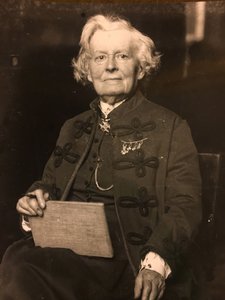
Rosa Bonheur
1822 - 1899 , Frankreich
Kurzinfos
- Bemerkenswerte Werke:
- Pflügen im Nivernais
- Der Pferdemarkt
- Geburtsdatum: 16. März 1822
- Geburtsort: Bordeaux, Frankreich
- Künstlerische Richtung: Realismus, Animalière
- Nationalität: Französisch
- Sterbedatum: 25. Mai 1899
- Vollständiger Name: Rosa Bonheur
Ähnliche Artikel
Die Top 10 berühmter Gemälde in Pilztönen – Kunst für Ihr Zuhause |
Entdecken Sie die Top 10 berühmter Gemälde in faszinierenden Pilztönen! Von Van Gogh bis Monet – erleben Sie Kunstgeschichte und lassen Sie sich von warmen Farben inspirieren. Hochwertige Kunstdrucke auf
Romantic Realism's Finest: 10 Masterpieces for Your Home | ArtsDot
Explore 10 defining masterpieces of Romantic Realism! Discover Courbet, Millet & Daumier's powerful paintings—capturing emotion and social realities. Find museum-quality reproductions for your home at ArtsDot.com.
Acryl auf Papier: Zeitgenössischer Ausdruck und die Renaissance einer modernen Leinwand
Entdecken Sie die faszinierende Welt der Acrylmalerei auf Papier! Expertenwissen über Techniken, Künstler und den wachsenden Wert zeitgenössischer Kunst. Jetzt informieren & sammeln.
Rosige Braun-Töne in der Meistermalerei: Die 10 berühmtesten Gemälde
Entdecken Sie die 10 berühmtesten Gemälde, die von warmen Rosatönen und Braunnuancen geprägt sind. Erfahren Sie mehr über Künstler wie Rembrandt & Caravaggio! Hochwertige Kunst-Reproduktionen für Ihr Zuhause auf
Die Top 10 berühmter Gemälde im Gelbocherton – Kunst für Ihr Zuhause |
Entdecken Sie die Top 10 berühmter Gemälde, dominiert von warmen Gelbochtönen! Von Van Gogh bis Monet – erfahren Sie die Geschichten hinter den Meisterwerken und lassen Sie sich für Ihre Wohnraumgestaltung inspirieren. Hochwertige Kunstdrucke auf