 Vorschau anzeigen
 Versenden
 Teilen
 Details anzeigen

 Herunterladen
 Ähnliche Objekte
 Röntgenaufnahme
 Diashow
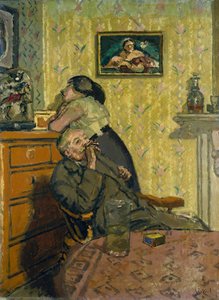
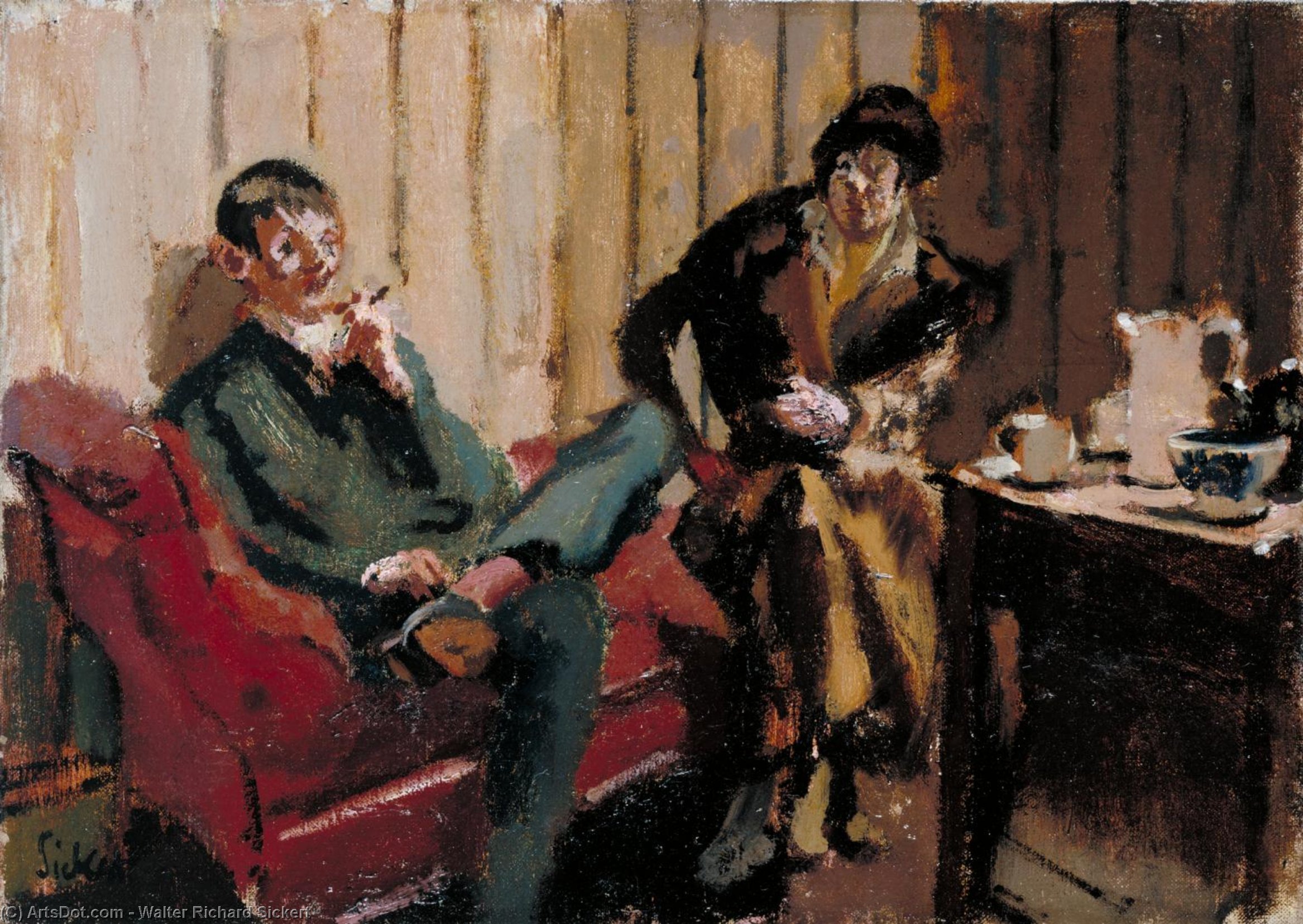
The Little Tea Party: Nina Hamnett and Roald Kristian


 Weiterlesen
Handgefertigte Ölreproduktion
Handgemaltes Ölgemälde auf Leinwand in Ihrer Wunschgröße und mit Rahmen, auf Bestellung von unseren Künstlern angefertigt. ( Druck bestellen Bild kaufen)




P118B $10

P118H $10

P118W $10

P438Z $10

P508JH $12

P508YH $12

P805H $10

P805Z $10

P919BZ $10

P919G $10

P919XJ $10

P959ZH $10

P968JZ $12

W106C $8

W218G $10

W218JH $8

W218Y $10

W307PJ $10

W316G $10

W316PJ $8

W316Y $10

W398PJ $8

W4111J $10

W500HY $15

W500JH $15

W692G $12

W849H $8

W940BG $15

W953PJ $8




Wählen Sie aus unseren vordefinierten Formaten, die den ursprünglichen Proportionen des Kunstwerks entsprechen.

Sie können Ihre eigenen Maße eingeben, um einen bestimmten Rahmen oder Platz auszufüllen. Wenn die gewählte Größe nicht den Proportionen des Originalbildes entspricht, werden wir das Kunstwerk entweder beschneiden oder das Gemälde durch zusätzliche, handgemalte Elemente erweitern. Ein digitales Mockup wird Ihnen zur Genehmigung zugesandt, bevor die Produktion beginnt.
Bitte beachten Sie, dass die Bildschirmvorschau nicht die tatsächliche Beschneidung oder Erweiterung widerspiegelt. Nur das Mockup zeigt die endgültige Komposition exakt an.
Obwohl Sondermaße verfügbar sind, empfehlen wir, eine Größe aus der vordefinierten Liste zu wählen, um die ursprünglichen Proportionen beizubehalten.
Nach der Bestellung wird das ArtsDot.com-Team dem Kunden Anweisungen per E-Mail zusenden und eine Mockup-Vorschau bereitstellen.
Weltweiter Versand () in nur 3 bis 4 Wochen statt der üblichen 5 Wochen. (30 August). Keine Kompromisse bei der Qualität.

Kostenloser weltweiter Expressversand

Hochwertige Leinenleinwand

Umfassender Versicherungsschutz beim Versand

Zollgebühren-Rückerstattungsgarantie

Garantie für exakte Farbtreue

60 Tage Rückgaberecht (nur bei Mängeln)

100% Geld-zurück-Garantie

Mengenrabatt verfügbar
 Die Glasoption ist nur für Größen unter 110 cm verfügbar.

The Little Tea Party: Nina Hamnett and Roald Kristian
Art der Reproduktion
Format der Reproduktion
-


Gesamtpreis
$ 263
A Quietude in Bohemia: The Soul of Sickert’s London
In the heart of 1915 London, amidst the encroaching shadows of a world at war, Walter Richard Sickert captured a moment that feels both profoundly intimate and hauntingly distant. The Little Tea Party: Nina Hamnett and Roald Kristian is far more than a mere portrait of two bohemian figures; it is a masterful distillation of atmosphere, a snapshot of the Camden Town Group’s unique ability to find the extraordinary within the mundane. As we gaze upon this oil on canvas, we are not simply observing a social gathering, but rather witnessing a quiet study in human connection and the heavy stillness that often accompanies it. The painting invites the viewer into a private sanctuary, where the outside world's chaos is muffled by the thick, textured walls of a London interior.
The composition is a triumph of restrained elegance. Sickert employs a deliberate, almost minimalist arrangement, centering our attention on Nina Hamnett—the legendary "Queen" of bohemian London—and Roald Kristian. By positioning them within a subtle visual triangle, the artist draws the eye inward, forcing a confrontation with their shared space. There is a rhythmic balance to the scene, from the placement of the dining table to the secondary, smaller table near the edge of the frame. This careful geometry creates a sense of stability that contrasts sharply with the psychological tension simmering beneath the surface. For the collector or designer, this piece offers a sophisticated focal point, bringing a sense of historical weight and intellectual depth to any curated space.
Technique and the Language of Light
Sickert’s technical prowess is evident in every deliberate brushstroke. Eschewing the flashy brilliance of high Impressionism, he instead embraces a subdued, earthy palette dominated by deep browns, creamy tones, and muted greens. This choice of color does not merely decorate the room; it builds its very atmosphere, lending a sense of warmth and solidity to the furniture while maintaining a certain coolness in the air. The application of paint is tactile and rich, with thick strokes providing a physical texture to the walls that makes the environment feel lived-in and authentic.
The lighting in this masterpiece is particularly evocative. Rather than employing dramatic, theatrical spotlights, Sickert favors a soft, diffused illumination. This gentle light casts subtle shadows that blur the edges of reality, imbuing the scene with a surreal, dreamlike quality. It is this very softness that allows the small details—the curl of smoke from a cigarette, the glint on a tea cup, or the placement of a vase—to emerge with such poignant clarity. This mastery of light and shadow makes the work an exceptional choice for interior settings that value nuance and understated luxury.
Symbolism and the Weight of the Moment
Beyond its aesthetic beauty, the painting serves as a profound psychological document. The presence of smoking cigarettes held by both Hamnett and Kristian acts as a subtle symbol of the era's anxieties; the rising plumes of smoke mirror the pervasive uncertainties of wartime Britain. There is an undeniable sense of ennui—a heavy, lingering boredom or melancholy—that permeates the figures' postures. Tate Gallery curators have famously described the scene as "the picture of gloom," yet there is a strange beauty in this shared discomfort. The characters seem caught in a state of suspended animation, isolated even in each other's company.
Every object within the room contributes to this narrative of quietude and isolation. The simple furnishings—the tables, the bowls, the bottles tucked into the corner—serve as anchors for the figures, grounding them in a domestic reality that feels both safe and suffocating. To possess a reproduction of this work is to hold a piece of history that speaks to the resilience of the human spirit amidst uncertainty. It is an evocative addition to any collection, offering not just a window into the past, but a timeless meditation on the beauty found in life's most fleeting, quietest moments.
Ähnliche Kunstwerke
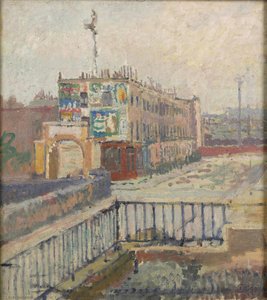
Über den Künstler
Frühes Leben und Ausbildung
Walter Richard Sickert, ein deutschamerikanischer britischer Maler, wurde am 31. Mai 1860 in München, Königreich Bayern, geboren. Seine Familie ließ sich 1868 in England nieder, nachdem das Herzogtum Schleswig-Holstein von Deutschland annektiert worden war. Sickerts frühe Ausbildung fand an der University College School und der King’s College School statt, wo er bis zum 18. Lebensjahr studierte.Künstlerische Entwicklung
Sickerts künstlerischer Weg begann mit einer kurzen Tätigkeit als Schauspieler, gefolgt von seiner Einschreibung an der Slade School im Jahr 1881. Später wurde er Schüler von James Abbott McNeill Whistler, der seine Arbeit maßgeblich beeinflusste. Sickerts früheste Gemälde waren kleine tonalistische Studien, die nach Whistlers Vorbild „alla prima“ aus der Natur gemalt wurden.Bemerkenswerte Werke und Kontroversen
Sickerts erste größere Werke, die in den späten 1880er Jahren entstanden, stellten Szenen aus Londoner Musikhall-Lokalen dar. Eines seiner bemerkenswertesten Gemälde, Katie Lawrence at Gatti’s, löste Kontroversen aus, da es eine bekannte Musikhall-Sängerin darstellte, die von Kritikern als „hässlich und vulgär“ bezeichnet wurde.Zusammenarbeit mit der Camden Town Group
Sickert war ein wichtiger Einfluss auf distinctiv britische Stile der Avantgarde-Kunst im 20. Jahrhundert. Er trat 1888 der New English Art Club bei, einer Gruppe von französisch beeinflussten realistischen Künstlern, und wurde später Mitglied der Camden Town Group.Vermächtnis
Sickerts Werk ist in verschiedenen Museen zu finden, darunter das Museum Kunstsalon Franke Schenk, das Werke aus dem 16. bis zum 20. Jahrhundert zeigt. Sein Vermächtnis geht über seine eigene Kunst hinaus und beeinflusst britische Stile der Avantgarde-Kunst in der Mitte und im späten 20. Jahrhundert.- Betrachten Sie Sickerts Gemälde auf ArtsDot: Walter Richard Sickert
- Erfahren Sie mehr über die Camden Town Group auf Wikipedia: Wyndham Lewis
- Entdecken Sie die Sammlung des Museum Kunstsalon Franke Schenk auf ArtsDot: Das Museum Kunstsalon Franke Schenk
- Erfahren Sie mehr über Sickerts Leben und Werk auf Wikipedia: Walter Sickert
- 31. Mai 1860: Geburt in München, Königreich Bayern
- 1888: Beitritt zum New English Art Club
- 1903-04: Entwicklung eines unverwechselbaren Ansatzes für mehrfigurige Tableaus während seiner letzten Malreise nach Venedig
Schlussfolgerung
Walter Richard Sickerts bahnbrechende Arbeit in der britischen Avantgarde-Kunst hat ihre Spuren in der Kunstwelt hinterlassen. Sein Vermächtnis inspiriert und beeinflusst weiterhin Künstler, was ihn zu einer entscheidenden Figur in der Geschichte der modernen Kunst macht.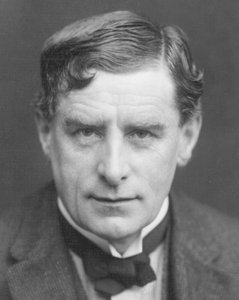
Walter Richard Sickert
1860 - 1942 , Deutschland
Kurzinfos
- Beeinflusste Künstler: ['James Abbott McNeill Whistler']
- Bemerkenswerte Werke:
- Katie Lawrence at Gatti’s
- Gaieté Montparnasse
- Geburtsdatum: 31. Mai 1860
- Geburtsort: München, Deutschland
- Künstlerische Richtung: Postimpressionismus
- Nationalität: Deutsch-Britisch
- Sterbedatum: 22. Januar 1942
- Vollständiger Name: Walter Richard Sickert
- Von Künstlern Beeinflusst: ['Degas']
Ähnliche Artikel
Robert Bevan: Pioneering British Post-Impressionism & the Camden Town Group's Intimate Vision
Explore the life & work of Robert Bevan, a pioneer of British Post-Impressionism and founding member of the Camden Town Group. Discover his vibrant landscapes and lasting impact on early 20th-century art.
Walter Sickert: A Shadowy Realism & the Modern British Canvas
Explore the life & work of Walter Sickert, a pivotal British painter bridging Impressionism to Modernism. Discover his evocative scenes of London life, controversial legacy, and lasting influence on 20th-century art.
Minimalistische Meisterwerke: Die Top 10 Kunstwerke für ein ruhiges Zuhause | ArtsDot
Entdecken Sie die Top 10 minimalistischer Kunstwerke von Rothko bis Mondrian! Erfahren Sie die Geschichten hinter diesen ikonischen Gemälden & finden Sie Inspiration für ruhige Interieurs. Museum-Qualität bei ArtsDot.
The Interior Gaze: Exploring Representations of Domestic Space in Art History
Explore the fascinating history of domestic interiors in art! From Dutch Masters to Impressionism, discover how artists captured home life & social meaning. Expert analysis and insights at ArtsDot.

Familienporträts im Großformat: Ein zeitloses Vermächtnis für Generationen
Erstellen Sie ein einzigartiges Großformat Familienporträt mit ArtsDot! Handgemalte Meisterwerke nach Ihren Fotos, von erfahrenen Künstlern. Transparenter Prozess & höchste Qualität – Ihr bleibendes Familienerinnerung.