

 Vorschau anzeigen
 Versenden
 Teilen
 Details anzeigen

 Herunterladen
 Ähnliche Objekte
 Röntgenaufnahme
 Diashow
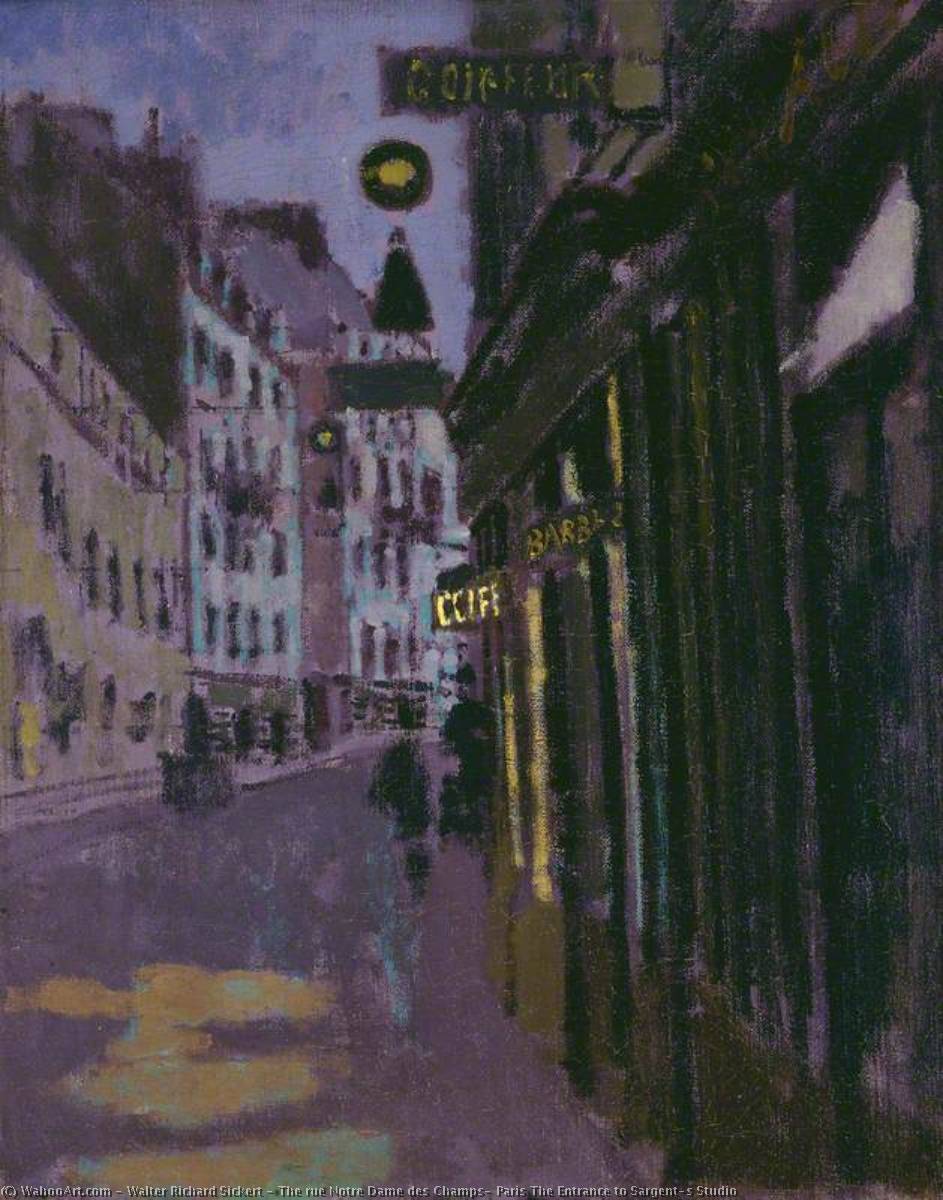
The rue Notre Dame des Champs, Paris The Entrance to Sargent's Studio
 Acrylic On Canvas
- WallArt
- Early Modernism
 1907
1907- 19th Century
 61.0 x 51.0 cm
 Ashmolean Museum of Art and Archaeology
 Weiterlesen
Erwerben Sie ein hochauflösendes, optimiertes digitales Bild, das der Online-Vorschau weit überlegen ist.
Jede Datei wird von unseren hauseigenen Spezialisten mit modernsten Werkzeugen und fachmännischer manueller Retusche sorgfältig vorbereitet. Wir stellen sicher, dass jedes Bild eine außergewöhnliche Klarheit, präzise Farbgenauigkeit und feinste Details aufweist.
Die endgültige Datei wird innerhalb von 72 Stunden per E-Mail zugestellt und ist für den sofortigen Einsatz in professionellen, redaktionellen und Druckumgebungen optimiert. Es handelt sich um dieselbe Qualität, der führende Designstudios, Verlage und Galerien vertrauen.
Digitales Bild
Laden Sie eine hochauflösende Datei für die persönliche Präsentation, den Druck und kreative Projekte herunter. ( Druck bestellen Handgemalte Reproduktion bestellen)
In jeder Bestellung digitaler Bilder enthalten
Professionelle digitale Bereitstellung, garantiert
Wenn Sie sich für ArtsDot.com entscheiden, erhalten Sie nicht nur ein Bild – Sie erhalten ein professionell aufbereitetes digitales Kunstwerk, das mit höchster Präzision erstellt und durch eine Zufriedenheitsgarantie abgesichert wird. Hier ist alles, was automatisch mit Ihrer Bestellung geliefert wird:

Schnelle E-Mail-Zustellung
Ihre hochauflösende digitale Bilddatei wird Ihnen innerhalb von 72 Stunden nach der Bestellung per E-Mail zugestellt – bereit zur sofortigen Verwendung.

KI-optimierte digitale Datei
Ihre Kunstwerke werden professionell mithilfe fortschrittlicher KI-Tools und manueller Bearbeitung optimiert, um maximale Detailtreue, Klarheit und Farbgenauigkeit zu gewährleisten.

Lebenslanger kostenloser Neudruckservice
Datei versehentlich gelöscht oder verloren? Keine Sorge – wir senden sie Ihnen jederzeit kostenlos erneut zu.

Keine Einfuhrgebühren – jemals
Genießen Sie Ihr Kunstwerk sofort ohne Zollgebühren, Einfuhrabgaben oder Versandkosten – digitale Downloads sind immer steuerfrei.

Garantierte Farbtreue
Wir garantieren, dass Ihr digitales Bild mithilfe professioneller Werkzeuge und Farbmanagement die Originalfarben so präzise wie möglich wiedergibt.

100-Tage-Zufriedenheitsgarantie
Wenn Sie mit Ihrem digitalen Bild nicht zufrieden sind, werden wir es überarbeiten oder 100% innerhalb von 100 Tagen erstatten – ohne Wenn und Aber.

100% Geld-zurück-Garantie
Nicht zufrieden? Erhalten Sie innerhalb von 100 Tagen nach Erhalt Ihrer digitalen Datei eine vollständige Rückerstattung – ohne Wenn und Aber.

Rabatte bei Großbestellungen
3 Bilder kaufen, 10% sparen – 5 Bilder kaufen, 15% sparen – Ab 10 Bildern 20% sparen. Ideal für kreative Projekte, Galerien und Agenturen.
A Parisian Nocturne: Sickert’s “The Rue Notre Dame des Champs”
Walter Richard Sickert's "The Rue Notre Dame des Champs, Paris – The Entrance to Sargent’s Studio" isn’t merely a depiction of a street scene; it’s a carefully constructed tableau vivant, a distillation of urban life captured with a distinctly melancholic and observant eye. Painted in 1907, the work transports us to a rain-slicked Parisian evening, a moment suspended between twilight and darkness where the familiar becomes subtly unsettling. The painting immediately draws the viewer into its shadowed depths – not through dramatic contrasts, but through a masterful manipulation of light and tone, creating an atmosphere thick with suggestion and quiet contemplation. Sickert’s signature style—a blend of Impressionism and Symbolism—is evident in his loose brushwork, muted palette dominated by blues, greys, and browns, and the deliberate blurring of edges that lends the scene a dreamlike quality. It's a world where reality is filtered through memory and emotion, mirroring Sickert’s own fascination with the hidden currents beneath the surface of everyday life.- Subject Matter: The painting focuses on a bustling street corner in Paris, specifically the entrance to Sargent’s studio. However, it's not the location itself that commands attention but rather the figures and details within the scene – a couple hurrying along the pavement, a solitary figure leaning against a building, and the subtle reflections shimmering on the wet cobblestones.
- Technique: Sickert employed an alla prima technique—painting directly onto the canvas without underdrawing—which contributes to the immediacy and spontaneity of the work. His brushstrokes are loose and expressive, conveying both texture and atmosphere with remarkable skill. The layering of paint creates a sense of depth and movement, while the subtle variations in tone suggest the play of light on wet surfaces.
- Color Palette: The dominant colors—deep blues, muted greys, and browns—evoke the mood of a rainy evening in Paris. These somber hues are punctuated by flashes of reflected light from gas lamps and shop windows, adding to the painting’s atmospheric effect.
Echoes of Whistler and the Camden Town Group
To fully appreciate "The Rue Notre Dame des Champs," it's crucial to understand Sickert’s artistic lineage. He was deeply influenced by James Abbott McNeill Whistler, particularly Whistler’s emphasis on tonal harmony and his rejection of academic painting conventions. This influence is evident in Sickert’s use of color and his interest in capturing the subtle nuances of light and shadow. Furthermore, Sickert was a key member of the Camden Town Group, a collective of artists who sought to create a distinctly British modernism, rejecting the prevailing artistic trends of the time. The group's focus on urban life, particularly London’s working-class districts, resonated with Sickert’s own fascination with marginalized figures and social realities. This interest is reflected in his choice of subject matter—ordinary people engaged in everyday activities—and his willingness to depict scenes that were often overlooked by mainstream artists. Historical Context:** The painting was created during a period of significant social and artistic change in Europe. The late 19th and early 20th centuries witnessed the rise of industrialization, urbanization, and new ideas about art and society. Sickert’s work reflects these changes, capturing the dynamism and complexity of modern life while also exploring themes of alienation, isolation, and the search for meaning. The painting's setting—a street corner in Paris—was a hub of activity during this period, attracting artists, writers, and intellectuals from around the world.Symbolism and Emotional Resonance
Beyond its technical merits, "The Rue Notre Dame des Champs" is rich in symbolism and emotional resonance. The rain-slicked streets, the shadowy figures, and the muted colors all contribute to a sense of melancholy and uncertainty. The painting’s title—“The Entrance to Sargent’s Studio”—suggests a connection to the world of art and creativity, but also hints at the potential for illusion and deception. Sickert's frequent depiction of women in ambiguous situations – often associated with nightlife or prostitution – adds another layer of complexity to the work, prompting viewers to consider themes of desire, vulnerability, and social marginalization. The painting doesn’t offer easy answers; instead, it invites us to contemplate the hidden meanings beneath the surface of everyday life. The overall effect is one of quiet introspection—a reminder that even in the midst of a bustling city, moments of solitude and reflection can be found.A Timeless Masterpiece for Reproduction
“The Rue Notre Dame des Champs” remains a captivating work of art, offering a glimpse into the soul of Paris at the turn of the 20th century. Its evocative atmosphere, masterful technique, and subtle symbolism have ensured its place as one of Sickert’s most celebrated paintings. A high-quality reproduction captures much of the original's power, allowing viewers to appreciate the nuances of Sickert’s brushwork and the depth of his artistic vision. Whether displayed in a private residence or a public space, this painting continues to resonate with audiences today, serving as a testament to the enduring appeal of art that explores the complexities of human experience.Ähnliche Kunstwerke

Biografie des Künstlers
Frühes Leben und Ausbildung
Walter Richard Sickert, ein deutschamerikanischer britischer Maler, wurde am 31. Mai 1860 in München, Königreich Bayern, geboren. Seine Familie ließ sich 1868 in England nieder, nachdem das Herzogtum Schleswig-Holstein von Deutschland annektiert worden war. Sickerts frühe Ausbildung fand an der University College School und der King’s College School statt, wo er bis zum 18. Lebensjahr studierte.Künstlerische Entwicklung
Sickerts künstlerischer Weg begann mit einer kurzen Tätigkeit als Schauspieler, gefolgt von seiner Einschreibung an der Slade School im Jahr 1881. Später wurde er Schüler von James Abbott McNeill Whistler, der seine Arbeit maßgeblich beeinflusste. Sickerts früheste Gemälde waren kleine tonalistische Studien, die nach Whistlers Vorbild „alla prima“ aus der Natur gemalt wurden.Bemerkenswerte Werke und Kontroversen
Sickerts erste größere Werke, die in den späten 1880er Jahren entstanden, stellten Szenen aus Londoner Musikhall-Lokalen dar. Eines seiner bemerkenswertesten Gemälde, Katie Lawrence at Gatti’s, löste Kontroversen aus, da es eine bekannte Musikhall-Sängerin darstellte, die von Kritikern als „hässlich und vulgär“ bezeichnet wurde.Zusammenarbeit mit der Camden Town Group
Sickert war ein wichtiger Einfluss auf distinctiv britische Stile der Avantgarde-Kunst im 20. Jahrhundert. Er trat 1888 der New English Art Club bei, einer Gruppe von französisch beeinflussten realistischen Künstlern, und wurde später Mitglied der Camden Town Group.Vermächtnis
Sickerts Werk ist in verschiedenen Museen zu finden, darunter das Museum Kunstsalon Franke Schenk, das Werke aus dem 16. bis zum 20. Jahrhundert zeigt. Sein Vermächtnis geht über seine eigene Kunst hinaus und beeinflusst britische Stile der Avantgarde-Kunst in der Mitte und im späten 20. Jahrhundert.- Betrachten Sie Sickerts Gemälde auf ArtsDot: Walter Richard Sickert
- Erfahren Sie mehr über die Camden Town Group auf Wikipedia: Wyndham Lewis
- Entdecken Sie die Sammlung des Museum Kunstsalon Franke Schenk auf ArtsDot: Das Museum Kunstsalon Franke Schenk
- Erfahren Sie mehr über Sickerts Leben und Werk auf Wikipedia: Walter Sickert
- 31. Mai 1860: Geburt in München, Königreich Bayern
- 1888: Beitritt zum New English Art Club
- 1903-04: Entwicklung eines unverwechselbaren Ansatzes für mehrfigurige Tableaus während seiner letzten Malreise nach Venedig
Schlussfolgerung
Walter Richard Sickerts bahnbrechende Arbeit in der britischen Avantgarde-Kunst hat ihre Spuren in der Kunstwelt hinterlassen. Sein Vermächtnis inspiriert und beeinflusst weiterhin Künstler, was ihn zu einer entscheidenden Figur in der Geschichte der modernen Kunst macht.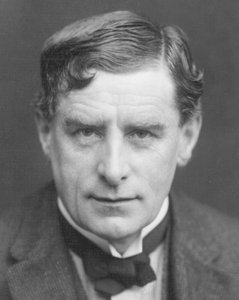
Walter Richard Sickert
1860 - 1942 , Deutschland
Kurzinfos
- Beeinflusste Künstler: ['James Abbott McNeill Whistler']
- Bemerkenswerte Werke:
- Katie Lawrence at Gatti’s
- Gaieté Montparnasse
- Geburtsdatum: 31. Mai 1860
- Geburtsort: München, Deutschland
- Künstlerische Richtung: Postimpressionismus
- Nationalität: Deutsch-Britisch
- Sterbedatum: 22. Januar 1942
- Vollständiger Name: Walter Richard Sickert
- Von Künstlern Beeinflusst: ['Degas']