 Vorschau anzeigen
 Versenden
 Teilen
 Details anzeigen

 Herunterladen
 Ähnliche Objekte
 Röntgenaufnahme
 Diashow
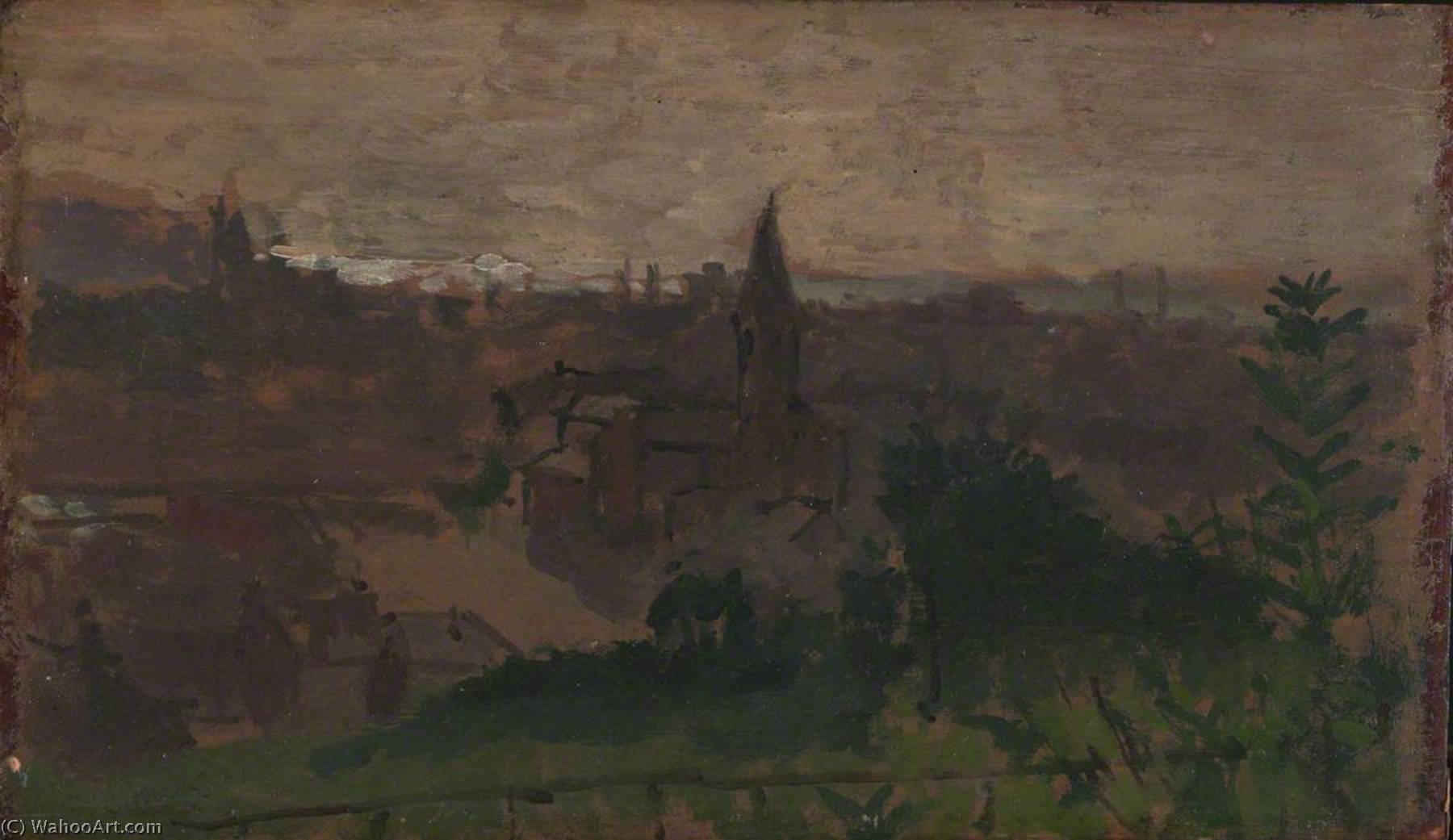
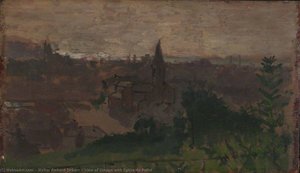
View of Dieppe with Eglise du Pollet
 Oil On Canvas
- WallArt
- Impressionism
 1890
1890 14.0 x 24.0 cm
 Courtauld-Galerie
 Weiterlesen
Giclée / Kunstdruck
Giclée- oder Leinwanddruck in Museumsqualität mit schneller Produktion und flexiblen Veredelungsoptionen. ( Handgemalte Reproduktion bestellen Bild kaufen)




P118B $10

P118H $10

P118W $10

P438Z $10

P508JH $12

P508YH $12

P805H $10

P805Z $10

P919BZ $10

P919G $10

P919XJ $10

P959ZH $10

P968JZ $12

W106C $8

W218G $10

W218JH $8

W218Y $10

W307PJ $10

W316G $10

W316PJ $8

W316Y $10

W398PJ $8

W4111J $10

W500HY $15

W500JH $15

W692G $12

W849H $8

W940BG $15

W953PJ $8




Wählen Sie aus unseren vordefinierten Formaten, die den ursprünglichen Proportionen des Kunstwerks entsprechen.

Sie können Ihre eigenen Maße eingeben, um ein bestimmtes Format oder einen speziellen Platz einzupassen. Wenn das von Ihnen gewählte Format nicht den Proportionen des Originalbildes entspricht, werden wir das Kunstwerk entweder beschneiden oder das Bild mit einem gespiegelten oder einfarbigen Rand erweitern. Ein digitaler Entwurf wird Ihnen zur Genehmigung zugesandt, bevor die Produktion beginnt.
Bitte beachten Sie, dass die Vorschau auf dem Bildschirm nicht den tatsächlichen Zuschnitt oder die Erweiterung widerspiegelt. Nur der Entwurf zeigt die endgültige Komposition präzise an.
Obwohl Sondermaße verfügbar sind, empfehlen wir die Auswahl eines Maßes aus der vordefinierten Liste, um die ursprünglichen Proportionen zu bewahren.
Weltweiter Versand () innerhalb von 2 Wochen statt der üblichen 4/5 Wochen. (25 August)

Kostenloser weltweiter Expressversand

Hochwertige Leinenleinwand

Umfassender Versicherungsschutz beim Versand

Zollgebühren-Rückerstattungsgarantie

Garantie für exakte Farbtreue

60 Tage Rückgaberecht (nur bei Mängeln)

100% Geld-zurück-Garantie

Mengenrabatt verfügbar
 Die Glasoption ist nur für Größen unter 110 cm verfügbar.

View of Dieppe with Eglise du Pollet
Giclée / Kunstdruck
Format der Reproduktion
-


Gesamtpreis
$ 62
Sammlerstück-Beschreibung
A Moment Frozen in Impressionistic Light: Walter Richard Sickert’s View of Dieppe
Walter Richard Sickert's "View of Dieppe with Eglise du Pollet," painted circa 1890, is more than just a picturesque landscape; it’s a carefully constructed tableau that embodies the spirit of Impressionism and captures a poignant glimpse into late Victorian Britain. Held by The Courtauld Gallery in London, this oil painting offers viewers an intimate encounter with Sickert's distinctive vision—one characterized by subtle tonal shifts and a masterful manipulation of light to convey mood rather than precise representation.The Landscape’s Quiet Drama
Dieppe, a coastal town renowned for its herring fishing industry and maritime heritage, served as a favored subject for Impressionist artists seeking inspiration from the natural world. Sickert eschewed the grand vistas championed by his contemporaries like Claude Monet or Jean-François Millet, opting instead for a composition that prioritizes atmosphere over topographical accuracy. The artist’s brushstrokes are loose and expressive, blending seamlessly into one another to create an illusion of shimmering light reflecting off the choppy waters of the English Channel. Lush greenery dominates the foreground—trees and shrubs rendered with meticulous detail—contrasting sharply with the hazy sky above. This deliberate juxtaposition serves not only to establish depth but also to heighten the painting’s emotional resonance, suggesting a sense of solitude and contemplation amidst the beauty of nature.Sickert's Impressionistic Technique: Texture and Color Harmony
Sickert’s technique is distinctly Impressionistic, prioritizing texture and color harmony over meticulous realism. He employs impasto—thickly applied paint—to build up surface irregularities that mimic the roughness of bark or foliage, adding a tactile dimension to the scene. The palette is restrained yet luminous, dominated by muted earth tones – ochres, browns, and greens – punctuated by splashes of cooler blues and violets in the sky and water. These colors aren’t blended conventionally; instead, Sickert allows them to merge visually on the canvas, creating a harmonious blend that evokes the ethereal quality of twilight. Careful observation of light—particularly its shifting patterns—is paramount to Sickert's artistic process. He captures fleeting moments of illumination, transforming ordinary landscapes into canvases brimming with emotion and suggestion.The Significance of Eglise du Pollet
Dominating the horizon is the Eglise du Pollet, Dieppe’s parish church, a spire reaching upwards towards the heavens. This architectural element isn't merely a decorative feature; it symbolizes faith and aspiration—a beacon of spiritual solace amidst the vastness of the sea. Sickert’s depiction of the church is softened by atmospheric haze, emphasizing its presence as an enduring landmark against the backdrop of the ephemeral landscape. The spire’s upward thrust reinforces the painting’s contemplative mood, inviting viewers to ponder themes of transcendence and permanence.A Portrait of Feeling: Emotional Impact
Ultimately, “View of Dieppe” transcends a simple depiction of scenery; it's a distillation of Sickert’s artistic sensibility—a testament to his ability to convey profound emotion through subtle visual cues. The painting exudes a palpable sense of melancholy, perhaps reflecting Sickert’s own preoccupation with themes of isolation and decay. Yet, alongside this sadness lies an undeniable beauty—the quiet grandeur of the landscape illuminated by diffused sunlight—creating a complex interplay of sensations that lingers in the viewer's mind long after encountering it. It stands as a poignant reminder that art can capture not just what we see but also what we feel.Ähnliche Kunstwerke
Über den Künstler
Frühes Leben und Ausbildung
Walter Richard Sickert, ein deutschamerikanischer britischer Maler, wurde am 31. Mai 1860 in München, Königreich Bayern, geboren. Seine Familie ließ sich 1868 in England nieder, nachdem das Herzogtum Schleswig-Holstein von Deutschland annektiert worden war. Sickerts frühe Ausbildung fand an der University College School und der King’s College School statt, wo er bis zum 18. Lebensjahr studierte.Künstlerische Entwicklung
Sickerts künstlerischer Weg begann mit einer kurzen Tätigkeit als Schauspieler, gefolgt von seiner Einschreibung an der Slade School im Jahr 1881. Später wurde er Schüler von James Abbott McNeill Whistler, der seine Arbeit maßgeblich beeinflusste. Sickerts früheste Gemälde waren kleine tonalistische Studien, die nach Whistlers Vorbild „alla prima“ aus der Natur gemalt wurden.Bemerkenswerte Werke und Kontroversen
Sickerts erste größere Werke, die in den späten 1880er Jahren entstanden, stellten Szenen aus Londoner Musikhall-Lokalen dar. Eines seiner bemerkenswertesten Gemälde, Katie Lawrence at Gatti’s, löste Kontroversen aus, da es eine bekannte Musikhall-Sängerin darstellte, die von Kritikern als „hässlich und vulgär“ bezeichnet wurde.Zusammenarbeit mit der Camden Town Group
Sickert war ein wichtiger Einfluss auf distinctiv britische Stile der Avantgarde-Kunst im 20. Jahrhundert. Er trat 1888 der New English Art Club bei, einer Gruppe von französisch beeinflussten realistischen Künstlern, und wurde später Mitglied der Camden Town Group.Vermächtnis
Sickerts Werk ist in verschiedenen Museen zu finden, darunter das Museum Kunstsalon Franke Schenk, das Werke aus dem 16. bis zum 20. Jahrhundert zeigt. Sein Vermächtnis geht über seine eigene Kunst hinaus und beeinflusst britische Stile der Avantgarde-Kunst in der Mitte und im späten 20. Jahrhundert.- Betrachten Sie Sickerts Gemälde auf ArtsDot: Walter Richard Sickert
- Erfahren Sie mehr über die Camden Town Group auf Wikipedia: Wyndham Lewis
- Entdecken Sie die Sammlung des Museum Kunstsalon Franke Schenk auf ArtsDot: Das Museum Kunstsalon Franke Schenk
- Erfahren Sie mehr über Sickerts Leben und Werk auf Wikipedia: Walter Sickert
- 31. Mai 1860: Geburt in München, Königreich Bayern
- 1888: Beitritt zum New English Art Club
- 1903-04: Entwicklung eines unverwechselbaren Ansatzes für mehrfigurige Tableaus während seiner letzten Malreise nach Venedig
Schlussfolgerung
Walter Richard Sickerts bahnbrechende Arbeit in der britischen Avantgarde-Kunst hat ihre Spuren in der Kunstwelt hinterlassen. Sein Vermächtnis inspiriert und beeinflusst weiterhin Künstler, was ihn zu einer entscheidenden Figur in der Geschichte der modernen Kunst macht.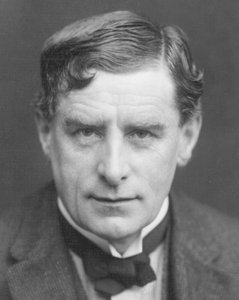
Walter Richard Sickert
1860 - 1942 , Deutschland
Kurzinfos
- Beeinflusste Künstler: ['James Abbott McNeill Whistler']
- Bemerkenswerte Werke:
- Katie Lawrence at Gatti’s
- Gaieté Montparnasse
- Geburtsdatum: 31. Mai 1860
- Geburtsort: München, Deutschland
- Künstlerische Richtung: Postimpressionismus
- Nationalität: Deutsch-Britisch
- Sterbedatum: 22. Januar 1942
- Vollständiger Name: Walter Richard Sickert
- Von Künstlern Beeinflusst: ['Degas']
Ähnliche Artikel

Impressionistische Landschaften: Die 10 Meisterwerke, die eine Epoche prägten | ArtsDot
Entdecken Sie die 10 Meisterwerke des Impressionismus! Von Monet bis Renoir – erleben Sie die Geschichte, Technik und zeitlose Schönheit ikonischer Landschaftsbilder. Hochwertige Kunstdrucke auf ArtsDot.com. Jetzt entdecken!

Impressionistische Landschaften: Die 10 Meisterwerke, die eine Kunstrichtung prägten | ArtsDot
Entdecken Sie die 10 Meisterwerke des Impressionismus! Von Monet bis Van Gogh – erleben Sie die Geschichten hinter berühmten Landschaftsbildern. Hochwertige Kunst Reproduktionen für Ihr Zuhause auf ArtsDot.com.

Paul Cézanne: Die 25 Meisterwerke des Impressionismus | ArtsDot
Entdecken Sie die 25 Meisterwerke von Paul Cézanne! Tauchen Sie ein in die Welt des Impressionismus und Postimpressionismus. Erfahren Sie mehr über seine Stillleben, Landschaften & berühmten Gemälde – jetzt hochwertige Kunstdrucke auf ArtsDot.com.
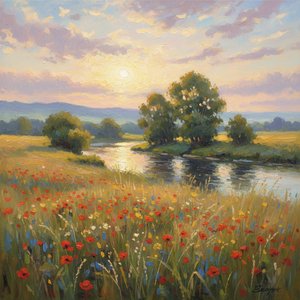
Capturing Fleeting Light: A Comprehensive Exploration of Impressionistic Landscape Painting
Explore the captivating world of Impressionistic landscape painting! Discover techniques, key artists like Monet & Renoir, and its lasting influence on art history. A comprehensive guide for enthusiasts.

Evocations of Place: A Historical Journey Through Landscape Art
Explore the rich history of landscape art with ArtsDot. Discover renowned artists, movements like Impressionism & Romanticism, and expert guidance for collecting timeless pieces. Find your perfect serene escape today!