 Vorschau anzeigen
 Versenden
 Teilen
 Details anzeigen

 Herunterladen
 Ähnliche Objekte
 Röntgenaufnahme
 Diashow
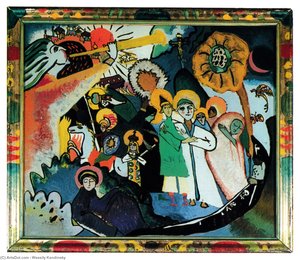
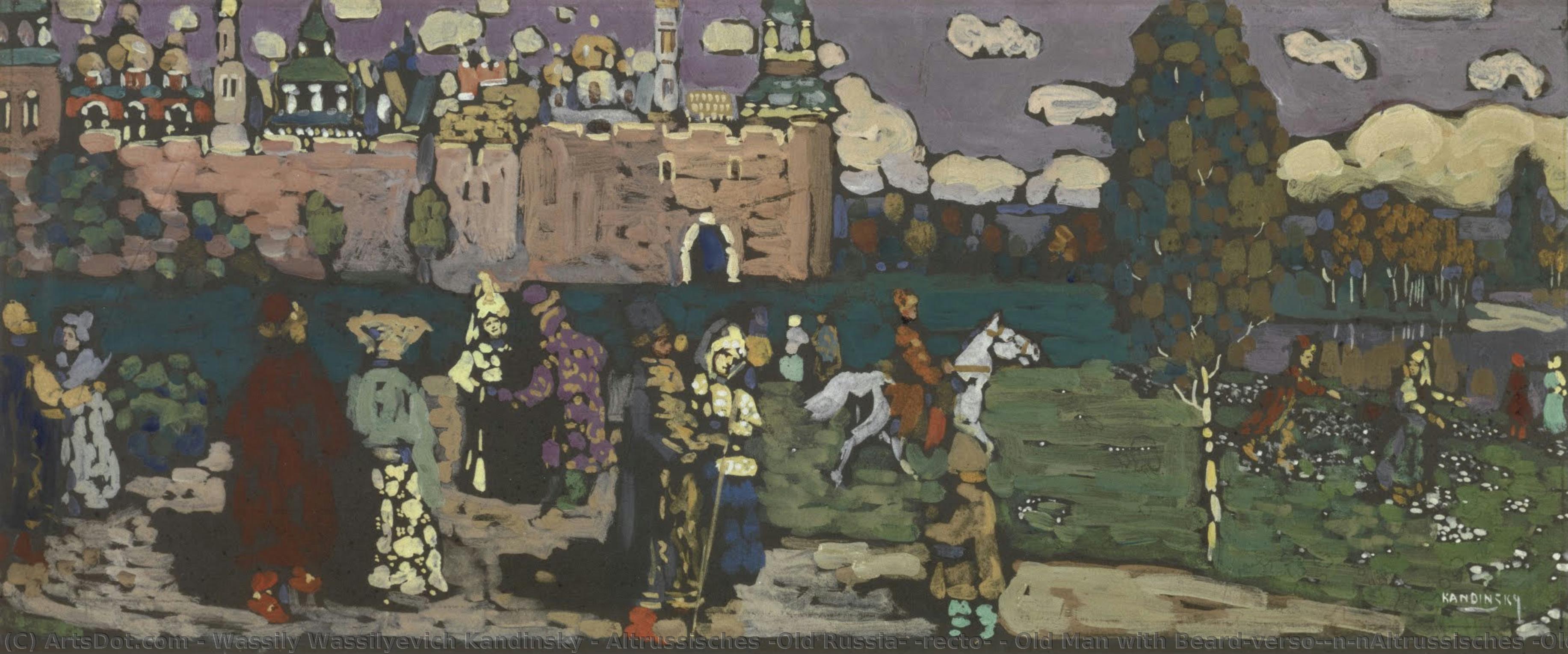
Altrussisches (Old Russia) (recto) - Old Man with Beard(verso)\n\nAltrussisches (Old Russia)


 Weiterlesen
Handgefertigte Ölreproduktion
Handgemaltes Ölgemälde auf Leinwand in Ihrer Wunschgröße und mit Rahmen, auf Bestellung von unseren Künstlern angefertigt. ( Druck bestellen Bild kaufen)




P118B $10

P118H $10

P118W $10

P438Z $10

P508JH $12

P508YH $12

P805H $10

P805Z $10

P919BZ $10

P919G $10

P919XJ $10

P959ZH $10

P968JZ $12

W106C $8

W218G $10

W218JH $8

W218Y $10

W307PJ $10

W316G $10

W316PJ $8

W316Y $10

W398PJ $8

W4111J $10

W500HY $15

W500JH $15

W692G $12

W849H $8

W940BG $15

W953PJ $8




Wählen Sie aus unseren vordefinierten Formaten, die den ursprünglichen Proportionen des Kunstwerks entsprechen.

Sie können Ihre eigenen Maße eingeben, um einen bestimmten Rahmen oder Platz auszufüllen. Wenn die gewählte Größe nicht den Proportionen des Originalbildes entspricht, werden wir das Kunstwerk entweder beschneiden oder das Gemälde durch zusätzliche, handgemalte Elemente erweitern. Ein digitales Mockup wird Ihnen zur Genehmigung zugesandt, bevor die Produktion beginnt.
Bitte beachten Sie, dass die Bildschirmvorschau nicht die tatsächliche Beschneidung oder Erweiterung widerspiegelt. Nur das Mockup zeigt die endgültige Komposition exakt an.
Obwohl Sondermaße verfügbar sind, empfehlen wir, eine Größe aus der vordefinierten Liste zu wählen, um die ursprünglichen Proportionen beizubehalten.
Nach der Bestellung wird das ArtsDot.com-Team dem Kunden Anweisungen per E-Mail zusenden und eine Mockup-Vorschau bereitstellen.
Weltweiter Versand () in nur 3 bis 4 Wochen statt der üblichen 5 Wochen. (25 August). Keine Kompromisse bei der Qualität.

Kostenloser weltweiter Expressversand

Hochwertige Leinenleinwand

Umfassender Versicherungsschutz beim Versand

Zollgebühren-Rückerstattungsgarantie

Garantie für exakte Farbtreue

60 Tage Rückgaberecht (nur bei Mängeln)

100% Geld-zurück-Garantie

Mengenrabatt verfügbar
 Die Glasoption ist nur für Größen unter 110 cm verfügbar.

Altrussisches (Old Russia) (recto) - Old Man with Beard(verso)\n\nAltrussisches (Old Russia)
Art der Reproduktion
Format der Reproduktion
-


Gesamtpreis
$ 263
Beschreibung des Kunstwerks
The Soul’s Palette: Kandinsky's “Ancient Russia” – A Journey Into Spiritual Abstraction
Wassily Wassilyevich Kandinsky’s “Ancient Russia,” painted in 1904, isn’t merely a depiction of a medieval procession; it’s a profound exploration of the Russian soul rendered through the nascent language of abstract art. Created during a pivotal period of artistic experimentation, this vibrant mural offers a glimpse into Kandinsky's evolving worldview – a world where color and form transcend representational reality to communicate directly with the viewer’s emotions and spiritual sensibilities.
The painting bursts forth with an audacious palette, dominated by deep blues, fiery reds, and earthy ochres. These aren’t colors used to mimic nature; they are instruments of feeling. Kandinsky, deeply influenced by his 1889 expedition to the Vologda region of Russia – a journey that unearthed the rich symbolism of Russian folk art – had begun to recognize the inherent psychological power of color. He believed each hue possessed an intrinsic resonance, capable of evoking specific moods and sensations. The blues evoke a sense of solemnity and contemplation, while the reds pulsate with energy and passion, mirroring the fervor of religious processions he witnessed during his travels.
A Fusion of Tradition and Inner Vision
“Ancient Russia” is rooted in Kandinsky’s fascination with Russian culture and spirituality. He was captivated by the vibrant traditions of the region – particularly the elaborate rituals and ceremonies associated with Orthodox Christianity. However, unlike traditional depictions that sought to faithfully reproduce these events, Kandinsky aimed to capture their *essence*, distilling them into a purely visual language. The figures within the painting are not rendered with meticulous detail; instead, they’re suggested through dynamic lines and bold color blocks, conveying movement and energy rather than precise likeness.
The scene itself depicts a procession of horsemen – a common sight in medieval Russia – winding their way through a village. Yet, Kandinsky strips away the specific details of the setting, reducing it to its fundamental elements: figures, horses, and the suggestion of buildings. This simplification allows the viewer’s imagination to fill in the gaps, creating a deeply personal connection with the artwork. The composition is deliberately unbalanced, reflecting the dynamism of the event and drawing the eye across the canvas.
The Language of Form and Color
Kandinsky's use of geometric forms – circles, triangles, and squares – further contributes to the painting’s abstract quality. These shapes aren’t simply decorative elements; they are imbued with symbolic meaning. Circles represent wholeness and unity, while triangles evoke a sense of dynamism and spiritual aspiration. Kandinsky believed that by arranging these forms in specific combinations, he could create visual equivalents of musical harmonies – compositions that resonated with the viewer on an emotional level.
This period marked a crucial transition in Kandinsky’s artistic development. He was moving away from representational art and toward a more subjective approach, where the artist's inner vision took precedence over external reality. “Ancient Russia” is a testament to this shift – a bold declaration of intent that paved the way for the emergence of abstract expressionism.
A Legacy of Emotional Resonance
“Ancient Russia” remains a powerful and evocative work, demonstrating Kandinsky’s pioneering exploration of abstraction. It's not just a painting; it’s an invitation to engage with the deeper layers of human experience – to tap into our emotions, connect with our spirituality, and discover the transformative power of art. Today, reproductions of this iconic piece continue to inspire artists and collectors alike, offering a window into the soul of a visionary artist and the enduring legacy of his groundbreaking work.
Ähnliche Kunstwerke
Über den Künstler
Wassily Wassilyevich Kandinsky: Ein Pionier der Abstraktion
- Geboren: 16. Dezember 1866, Moskau, Russland
- Gestorben: 13. Dezember 1944
- Nationalität: Russisch
Frühes Leben und künstlerische Entwicklung
- Kandinskys frühes Leben war von einer vielfältigen Ausbildung geprägt, zunächst studierte er Rechts- und Wirtschaftswissenschaften an der Universität Moskau.
- Mit 30 Jahren wandte er sich der Kunst zu und schrieb sich an der Münchner Akademie unter Franz von Stuck ein. Dieser Wechsel bedeutete ein tiefes Engagement für künstlerischen Ausdruck.
- Seine frühen Werke wurden von russischer Volkskunst beeinflusst, insbesondere durch seine ethnografische Forschungsreise in die Region Wologda im Jahr 1889.
- Er entwickelte ein Interesse an der Farbsymbolik und Psychologie, was grundlegende Elemente seiner späteren abstrakten Kompositionen wurde.
Wichtige künstlerische Perioden und Stile
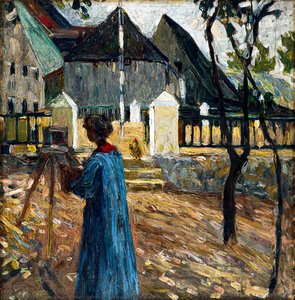
- Früh-Expressionismus: Gekennzeichnet durch lebendige Farben und emotionale Intensität, wie in "Papeln (Poplars)" (1902) zu sehen ist.
- Übergang zur Abstraktion: Kandinsky löste sich allmählich von der gegenständlichen Kunst und erforschte das Verhältnis zwischen Farbe, Form und Emotion.
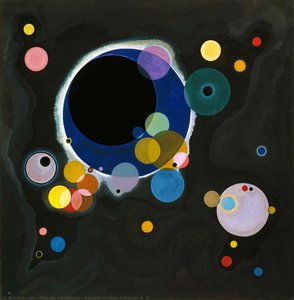
- Geometrische Abstraktion: Diese Periode sah einen Fokus auf geometrischen Formen und Kompositionen, wie in "Several Circles" (140 x 140 cm) dargestellt.
- Spirituelle Abstraktion: Kandinsky glaubte, dass die Kunst spirituelle Wahrheiten durch nicht-gegenständliche Formen ausdrücken konnte. Seine Werke zielten darauf ab, Emotionen und innere Erfahrungen hervorzurufen, anstatt externe Realität darzustellen.
Einfluss und Vermächtnis
- Bauhaus-Einfluss: Als Dozent an der Bauhausschule in Deutschland beeinflusste Kandinsky Generationen von Künstlern mit seinen Theorien über Farbe, Form und Abstraktion nachhaltig.
- Theoretische Schriften: Seine Schriften, insbesondere "Über das Geistige in der Kunst", artikulierten seine künstlerische Philosophie und trugen wesentlich zur Entwicklung der abstrakten Kunsttheorie bei.
- Einfluss auf die moderne Kunst: Kandinsky gilt weithin als Pionier der abstrakten Kunst und ebnete den Weg für zahlreiche nachfolgende Bewegungen und Künstler.
- Museumsbestände: Seine Werke befinden sich in wichtigen Museen weltweit, darunter die Tretjakow-Galerie in Moskau, die sein monumentales Werk "Komposition VII" beherbergt.
Bemerkenswerte Werke
- Komposition VII: Ein großformatiges abstraktes Werk, das als Höhepunkt von Kandinskys künstlerischer Entwicklung gilt.
- Schwarzes Quadrat (in Zusammenarbeit mit Kasimir Malewitsch): Ein bahnbrechendes Werk in der Geschichte der Abstraktion, das eine radikale Abkehr von traditionellen Kunstformen darstellt.
- Several Circles: Demonstriert seine innovative Verwendung geometrischer Formen und lebendiger Farben zur Schaffung dynamischer Kompositionen.
- Murnau mit einer Kirche: Balanciert abstrakte Elemente mit gegenständlicher Bildsprache und zeigt seinen sich entwickelnden Stil.
- Ein intimes Fest: Ein späteres Werk mit geometrischer Abstraktion und mehrschichtiger Impastopastechnik, die seine fortgesetzte Erforschung spiritueller Themen widerspiegelt.
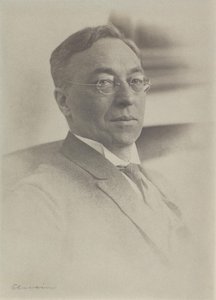
Wassily Wassilyevich Kandinsky
1866 - 1944 , Russland
Kurzinfos
- Artistic Movement Or Style: Abstrakter Expressionismus
- Date Of Birth: 16. Dezember 1866
- Date Of Death: 13. Dezember 1944
- Full Name: Wassily Wassilyevich Kandinsky
- Nationality: Russisch
- Notable Artworks:
- Komposition VII
- Schwarzes Quadrat
- Mehrere Kreise
- Murnau mit Kirche
- Ein Intimes Fest
- Place Of Birth: Moskau, Russland
Ähnliche Artikel

Kandinsky: Die 25 Meisterwerke des Abstrakten – Kunst für Ihr Zuhause | ArtsDot
Entdecken Sie die 25 bedeutendsten Gemälde von Wassily Kandinsky! Tauchen Sie ein in die Welt der abstrakten Kunst, des Expressionismus und der Farbkomposition. Hochwertige Kunstdrucke & Inspiration für Ihr Zuhause auf ArtsDot.com.

Designers lieben Wandgemälde: So verwandeln sie Räume in stilvolle Rückzugsorte
Entdecken Sie die Welt der Wandmalerei für Hotels & Design! Expertenratgeber zu Materialien, Stilen & individuellen Lösungen. Verwandeln Sie Räume in Kunstwerke – mit .
Von Dschungelmotiven zu Goldblattgeometrie: Die Top Wandmalereitrends für Hotels
Entdecken Sie die neuesten Wandmalereitrends für Hotels! Exklusive Designs, hochwertige Materialien & Expertenberatung von – Ihr Partner für einzigartige Raumgestaltung.
Wandmalereien als Gestaltungselement: Raumkonzepte durch Kunst und Stil definieren
Entdecken Sie die transformative Kraft von Wandmalereien! Expertenratgeber für Hotellerie & Innenarchitektur. Individuelle Kunstwerke für einzigartige Räume – jetzt informieren!
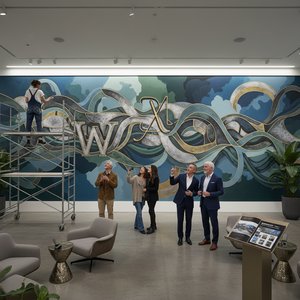
Maßgeschneiderte Wandmalerei: Wie sie Ihre Markenidentität visuell stärkt
Maßgeschneiderte Wandmalereien für Hotels & Gastronomie! Experten-Beratung, hochwertige Materialien & einzigartige Designs. Verleihen Sie Ihrem Raum Persönlichkeit – .