 Vorschau anzeigen
 Versenden
 Teilen
 Details anzeigen

 Herunterladen
 Ähnliche Objekte
 Röntgenaufnahme
 Diashow
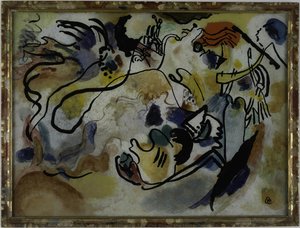
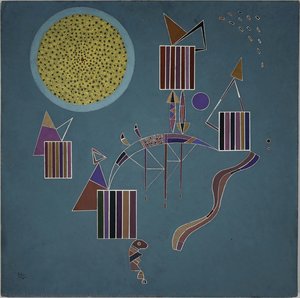
De las frías profundidades - Tiefen der Kälte


 Weiterlesen
Giclée / Kunstdruck
Giclée- oder Leinwanddruck in Museumsqualität mit schneller Produktion und flexiblen Veredelungsoptionen. ( Handgemalte Reproduktion bestellen Bild kaufen)




P118B $10

P118H $10

P118W $10

P438Z $10

P508JH $12

P508YH $12

P805H $10

P805Z $10

P919BZ $10

P919G $10

P919XJ $10

P959ZH $10

P968JZ $12

W106C $8

W218G $10

W218JH $8

W218Y $10

W307PJ $10

W316G $10

W316PJ $8

W316Y $10

W398PJ $8

W4111J $10

W500HY $15

W500JH $15

W692G $12

W849H $8

W940BG $15

W953PJ $8




Wählen Sie aus unseren vordefinierten Formaten, die den ursprünglichen Proportionen des Kunstwerks entsprechen.

Sie können Ihre eigenen Maße eingeben, um ein bestimmtes Format oder einen speziellen Platz einzupassen. Wenn das von Ihnen gewählte Format nicht den Proportionen des Originalbildes entspricht, werden wir das Kunstwerk entweder beschneiden oder das Bild mit einem gespiegelten oder einfarbigen Rand erweitern. Ein digitaler Entwurf wird Ihnen zur Genehmigung zugesandt, bevor die Produktion beginnt.
Bitte beachten Sie, dass die Vorschau auf dem Bildschirm nicht den tatsächlichen Zuschnitt oder die Erweiterung widerspiegelt. Nur der Entwurf zeigt die endgültige Komposition präzise an.
Obwohl Sondermaße verfügbar sind, empfehlen wir die Auswahl eines Maßes aus der vordefinierten Liste, um die ursprünglichen Proportionen zu bewahren.
Weltweiter Versand () innerhalb von 2 Wochen statt der üblichen 4/5 Wochen. (29 August)

Kostenloser weltweiter Expressversand

Hochwertige Leinenleinwand

Umfassender Versicherungsschutz beim Versand

Zollgebühren-Rückerstattungsgarantie

Garantie für exakte Farbtreue

60 Tage Rückgaberecht (nur bei Mängeln)

100% Geld-zurück-Garantie

Mengenrabatt verfügbar
 Die Glasoption ist nur für Größen unter 110 cm verfügbar.

De las frías profundidades - Tiefen der Kälte
Giclée / Kunstdruck
Format der Reproduktion
-


Gesamtpreis
$ 62
De las frías profundidades: Un viaje hacia la esencia del espíritu
Wassily Kandinsky’s “De las frías profundidades,” painted in 1913, stands as a cornerstone of abstract art—a bold declaration that transcends representational imagery and seeks to communicate directly with the viewer's soul. More than just pigment on canvas, it embodies Kandinsky’s profound belief that art could unlock hidden realms of consciousness and express universal truths beyond the confines of visual perception.
- Subject Matter: The painting depicts a horse—a symbol laden with primal energy and spiritual significance—fragmented into geometric forms. This deliberate abstraction wasn't intended to depict a literal animal but rather to convey its essence through simplified shapes and colors.
- Style & Technique: Kandinsky’s approach aligns perfectly with Expressionism, pushing beyond the movement’s initial focus on distorted figures toward pure abstraction. He utilized oil paints with vigorous brushstrokes, creating textured surfaces that pulsate with dynamism. The color palette is intensely saturated—dominating reds, oranges, yellows, blues, and greens—each chosen for its psychological resonance according to Kandinsky's meticulous observations of synesthesia.
- Historical Context: “De las frías profundidades” emerged during a transformative period in art history—the early 20th century—when artists actively challenged established conventions. Kandinsky was a founding member of Der Blaue Reiter (The Blue Rider), an Expressionist group that championed the exploration of spiritual and emotional realities through non-objective forms. This collective aimed to forge a new artistic language capable of capturing the anxieties and aspirations of modernity.
- Symbolism & Emotional Impact: Kandinsky’s deliberate use of geometric shapes—triangles, circles, squares, and irregular polygons—carried symbolic weight beyond mere visual aesthetics. The triangles represented direction and aspiration, while circles symbolized wholeness and harmony. Overall, the painting evokes a palpable sense of movement, tension, and ultimately, transcendence—a testament to Kandinsky’s conviction that art could elevate us toward higher levels of consciousness.
The painting's enduring legacy resides in its ability to provoke contemplation and inspire emotion without relying on recognizable subjects. Owning a meticulously crafted reproduction allows admirers of Kandinsky’s visionary style to immerse themselves in the profound beauty and intellectual depth of this seminal artwork.
El nacimiento de la abstracción: Una ruptura con el pasado
Kandinsky's artistic journey began with an encounter that fundamentally altered his perspective—a visit to Wagner’s opera Lohengrin. This experience ignited within him a fervent desire to liberate art from the constraints of representation, mirroring the broader cultural currents of the time. He recognized that traditional painting had become obsolete in conveying the complexities of human emotion and spiritual experience.
- Influencias Iniciales: Kandinsky’s formative years were marked by exposure to Impressionism—particularly Monet's Haystacks—which captivated him with its exploration of color as an independent expressive force. This observation fueled his conviction that color could communicate emotions and spiritual states directly, bypassing the need for narrative or visual depiction.
- La Teoría del Color: Kandinsky developed a comprehensive theory of color based on his synesthetic experiences—the ability to perceive sounds as colors and vice versa. He believed that certain hues possessed inherent vibrational qualities capable of influencing human consciousness and triggering emotional responses.
- El Grupo Blaue Reiter: Kandinsky joined Der Blaue Reiter alongside artists like Franz Marc and Alexej von Jawlensky, establishing a collective dedicated to pursuing spiritual truths through abstract art forms. This group challenged the prevailing artistic dogma of their time and championed experimentation with color and shape as instruments of creative expression.
“De las frías profundidades” exemplifies Kandinsky’s unwavering commitment to this revolutionary vision—a testament to his pioneering role in shaping the trajectory of modern art.
La técnica expresionista: Energía y movimiento en el lienzo
Kandinsky's technique was characterized by a forceful application of oil paints, resulting in textured surfaces that conveyed palpable energy and movement. He eschewed meticulous detail and instead prioritized capturing the essence of feeling through bold brushstrokes and vibrant color combinations.
- Aplicación de Pintura: Kandinsky employed a technique known as “alla prima,” which meant painting directly onto the canvas without underpainting—a practice that allowed him to achieve maximum spontaneity and immediacy.
- Texturas y Movimiento: He utilized impasto—thickly applied paint—to create tactile surfaces that responded to the viewer’s gaze, enhancing the visual impact of the artwork. Kandinsky's brushstrokes were dynamic and energetic, mirroring the rhythms and pulsations of musical composition.
- El Uso del Color: Kandinsky meticulously analyzed the psychological effects of color, employing a palette rich in hues chosen for their emotional resonance—red symbolizing passion and vitality, yellow representing optimism and enlightenment, blue conveying tranquility and contemplation.
This masterful technique underscores Kandinsky’s conviction that art could embody the very forces shaping human experience.
Un legado eterno: La influencia de Kandinsky en el arte contemporáneo
"De las frías profundidades" continues to inspire artists and captivate audiences worldwide—a symbol of artistic innovation and spiritual exploration. Its groundbreaking approach to abstraction paved the way for subsequent movements in art history, including Surrealism and Minimalism.
Ähnliche Kunstwerke

Über den Künstler
Wassily Wassilyevich Kandinsky: Ein Pionier der Abstraktion
- Geboren: 16. Dezember 1866, Moskau, Russland
- Gestorben: 13. Dezember 1944
- Nationalität: Russisch
Frühes Leben und künstlerische Entwicklung
- Kandinskys frühes Leben war von einer vielfältigen Ausbildung geprägt, zunächst studierte er Rechts- und Wirtschaftswissenschaften an der Universität Moskau.
- Mit 30 Jahren wandte er sich der Kunst zu und schrieb sich an der Münchner Akademie unter Franz von Stuck ein. Dieser Wechsel bedeutete ein tiefes Engagement für künstlerischen Ausdruck.
- Seine frühen Werke wurden von russischer Volkskunst beeinflusst, insbesondere durch seine ethnografische Forschungsreise in die Region Wologda im Jahr 1889.
- Er entwickelte ein Interesse an der Farbsymbolik und Psychologie, was grundlegende Elemente seiner späteren abstrakten Kompositionen wurde.
Wichtige künstlerische Perioden und Stile
- Früh-Expressionismus: Gekennzeichnet durch lebendige Farben und emotionale Intensität, wie in "Papeln (Poplars)" (1902) zu sehen ist.
- Übergang zur Abstraktion: Kandinsky löste sich allmählich von der gegenständlichen Kunst und erforschte das Verhältnis zwischen Farbe, Form und Emotion.
- Geometrische Abstraktion: Diese Periode sah einen Fokus auf geometrischen Formen und Kompositionen, wie in "Several Circles" (140 x 140 cm) dargestellt.
- Spirituelle Abstraktion: Kandinsky glaubte, dass die Kunst spirituelle Wahrheiten durch nicht-gegenständliche Formen ausdrücken konnte. Seine Werke zielten darauf ab, Emotionen und innere Erfahrungen hervorzurufen, anstatt externe Realität darzustellen.
Einfluss und Vermächtnis
- Bauhaus-Einfluss: Als Dozent an der Bauhausschule in Deutschland beeinflusste Kandinsky Generationen von Künstlern mit seinen Theorien über Farbe, Form und Abstraktion nachhaltig.
- Theoretische Schriften: Seine Schriften, insbesondere "Über das Geistige in der Kunst", artikulierten seine künstlerische Philosophie und trugen wesentlich zur Entwicklung der abstrakten Kunsttheorie bei.
- Einfluss auf die moderne Kunst: Kandinsky gilt weithin als Pionier der abstrakten Kunst und ebnete den Weg für zahlreiche nachfolgende Bewegungen und Künstler.
- Museumsbestände: Seine Werke befinden sich in wichtigen Museen weltweit, darunter die Tretjakow-Galerie in Moskau, die sein monumentales Werk "Komposition VII" beherbergt.
Bemerkenswerte Werke
- Komposition VII: Ein großformatiges abstraktes Werk, das als Höhepunkt von Kandinskys künstlerischer Entwicklung gilt.
- Schwarzes Quadrat (in Zusammenarbeit mit Kasimir Malewitsch): Ein bahnbrechendes Werk in der Geschichte der Abstraktion, das eine radikale Abkehr von traditionellen Kunstformen darstellt.
- Several Circles: Demonstriert seine innovative Verwendung geometrischer Formen und lebendiger Farben zur Schaffung dynamischer Kompositionen.
- Murnau mit einer Kirche: Balanciert abstrakte Elemente mit gegenständlicher Bildsprache und zeigt seinen sich entwickelnden Stil.
- Ein intimes Fest: Ein späteres Werk mit geometrischer Abstraktion und mehrschichtiger Impastopastechnik, die seine fortgesetzte Erforschung spiritueller Themen widerspiegelt.
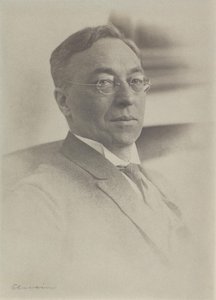
Wassily Wassilyevich Kandinsky
1866 - 1944 , Russland
Kurzinfos
- Artistic Movement Or Style: Abstrakter Expressionismus
- Date Of Birth: 16. Dezember 1866
- Date Of Death: 13. Dezember 1944
- Full Name: Wassily Wassilyevich Kandinsky
- Nationality: Russisch
- Notable Artworks:
- Komposition VII
- Schwarzes Quadrat
- Mehrere Kreise
- Murnau mit Kirche
- Ein Intimes Fest
- Place Of Birth: Moskau, Russland
Ähnliche Artikel

Kandinsky: Die 25 Meisterwerke des Abstrakten – Kunst für Ihr Zuhause | ArtsDot
Entdecken Sie die 25 bedeutendsten Gemälde von Wassily Kandinsky! Tauchen Sie ein in die Welt der abstrakten Kunst, des Expressionismus und der Farbkomposition. Hochwertige Kunstdrucke & Inspiration für Ihr Zuhause auf ArtsDot.com.

Geometrische Abstraktion: Die 10 Meisterwerke, die Kunstgeschichte prägten | ArtsDot.com
Entdecken Sie die 10 Meisterwerke der geometrischen Abstraktion! Von Kandinsky bis Mondrian – erleben Sie die Geschichte, Farben & Formen dieser revolutionären Kunstrichtung. Hochwertige Kunstreproduktionen auf ArtsDot.com
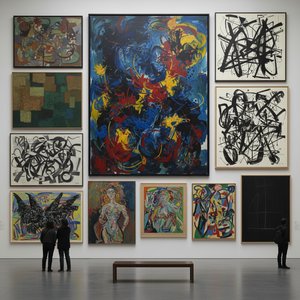
Abstrakter Expressionismus: Die 10 Meisterwerke, die eine Kunstbewegung prägten |
Entdecken Sie die 10 Meisterwerke des Abstrakten Expressionismus! Von Jackson Pollock bis Mark Rothko – erfahren Sie die Geschichten hinter ikonischen Gemälde und finden Sie hochwertige Reproduktionen für Ihr Zuhause. Jetzt bei entdecken!
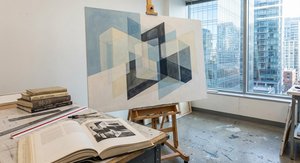
Beyond Form & Color: Geometric Abstraction's Enduring Legacy in Art History
Explore the captivating world of geometric abstraction! Discover its origins, key artists like Malevich & Mondrian, and why this movement remains highly valued by art collectors today. Expert insights at ArtsDot.
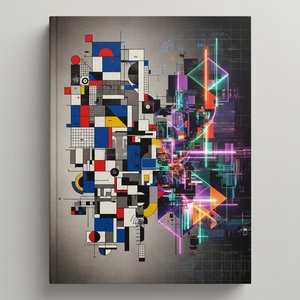
Beyond Form & Color: Geometric Abstraction's Evolution in 20th/21st Century Art
Explore the evolution of geometric abstraction from Cubism to contemporary art. Discover key artists like Malevich & Mondrian, investment insights, and expert collecting advice at ArtsDot.