 Vorschau anzeigen
 Versenden
 Teilen
 Details anzeigen

 Herunterladen
 Ähnliche Objekte
 Röntgenaufnahme
 Diashow
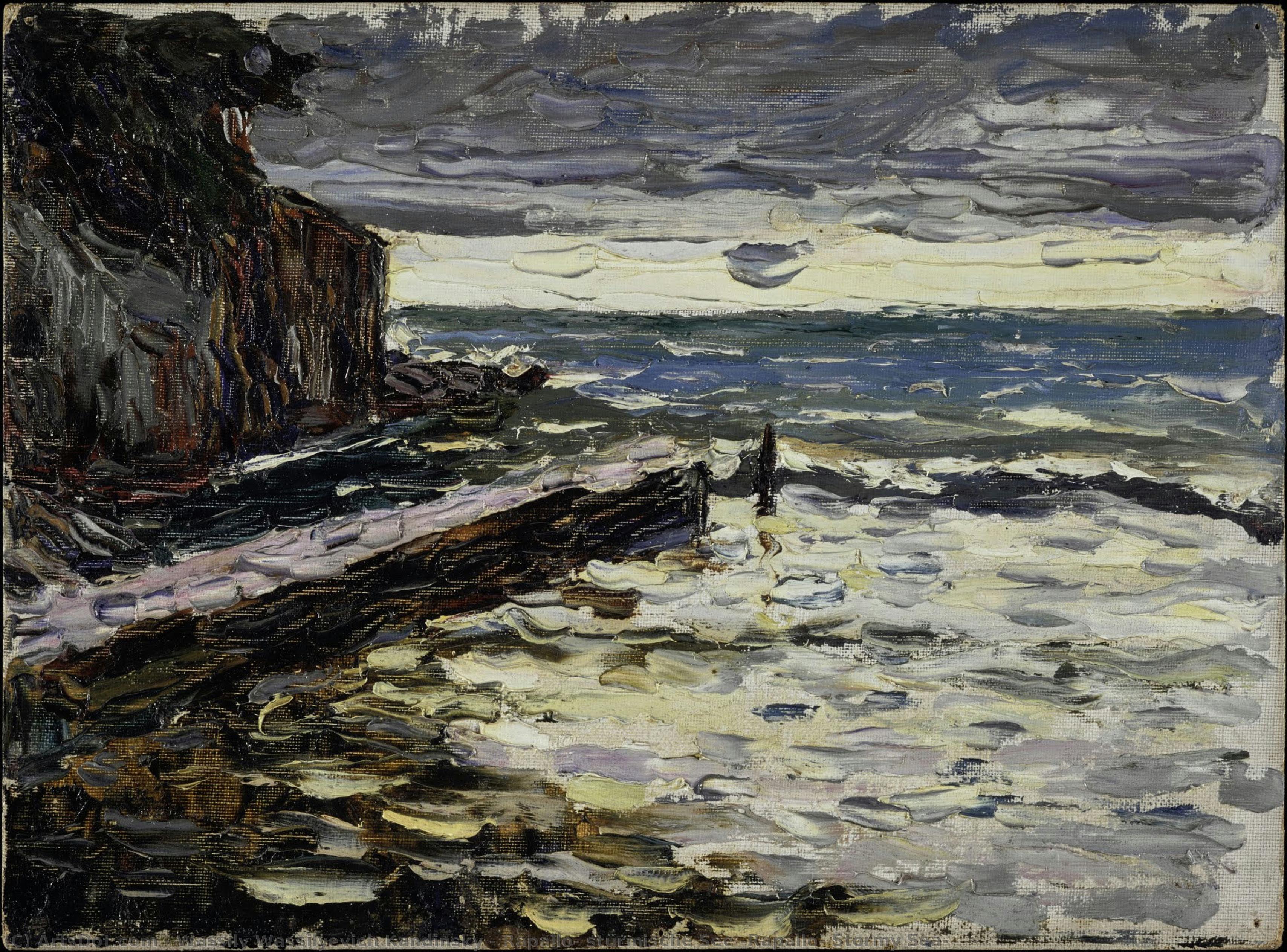
Rapallo, stürmische See (Rapallo, Stormy Sea)
 Early Expressionism
 1906
1906- Early Modern
 23.0 x 33.0 cm
 Centre Pompidou
 Weiterlesen
Giclée / Kunstdruck
Giclée- oder Leinwanddruck in Museumsqualität mit schneller Produktion und flexiblen Veredelungsoptionen. ( Handgemalte Reproduktion bestellen Bild kaufen)




P118B $10

P118H $10

P118W $10

P438Z $10

P508JH $12

P508YH $12

P805H $10

P805Z $10

P919BZ $10

P919G $10

P919XJ $10

P959ZH $10

P968JZ $12

W106C $8

W218G $10

W218JH $8

W218Y $10

W307PJ $10

W316G $10

W316PJ $8

W316Y $10

W398PJ $8

W4111J $10

W500HY $15

W500JH $15

W692G $12

W849H $8

W940BG $15

W953PJ $8




Wählen Sie aus unseren vordefinierten Formaten, die den ursprünglichen Proportionen des Kunstwerks entsprechen.

Sie können Ihre eigenen Maße eingeben, um ein bestimmtes Format oder einen speziellen Platz einzupassen. Wenn das von Ihnen gewählte Format nicht den Proportionen des Originalbildes entspricht, werden wir das Kunstwerk entweder beschneiden oder das Bild mit einem gespiegelten oder einfarbigen Rand erweitern. Ein digitaler Entwurf wird Ihnen zur Genehmigung zugesandt, bevor die Produktion beginnt.
Bitte beachten Sie, dass die Vorschau auf dem Bildschirm nicht den tatsächlichen Zuschnitt oder die Erweiterung widerspiegelt. Nur der Entwurf zeigt die endgültige Komposition präzise an.
Obwohl Sondermaße verfügbar sind, empfehlen wir die Auswahl eines Maßes aus der vordefinierten Liste, um die ursprünglichen Proportionen zu bewahren.
Weltweiter Versand () innerhalb von 2 Wochen statt der üblichen 4/5 Wochen. (25 August)

Kostenloser weltweiter Expressversand

Hochwertige Leinenleinwand

Umfassender Versicherungsschutz beim Versand

Zollgebühren-Rückerstattungsgarantie

Garantie für exakte Farbtreue

60 Tage Rückgaberecht (nur bei Mängeln)

100% Geld-zurück-Garantie

Mengenrabatt verfügbar
 Die Glasoption ist nur für Größen unter 110 cm verfügbar.

Rapallo, stürmische See (Rapallo, Stormy Sea)
Giclée / Kunstdruck
Format der Reproduktion
-


Gesamtpreis
$ 62
Sammlerstück-Beschreibung
Rapallo, Stürmische See (1906): A Window into Kandinsky’s Soul
Wassily Kandinsky's "Rapallo, stürmische See" is more than just a landscape painting; it’s a profound expression of the artist’s burgeoning abstraction and his deeply felt connection to nature. Completed in 1906, this work represents a pivotal moment in Kandinsky’s artistic evolution, bridging the gap between his Impressionistic roots and the radical experimentation that would define his later career. The painting depicts the rugged coastline of Rapallo, Italy, during a dramatic storm – a scene rendered not with photographic realism but with intense emotion and a nascent desire to capture the very essence of color and form.
The composition immediately draws the viewer into the heart of the tempest. A dynamic interplay of choppy brushstrokes dominates the foreground, conveying the raw power of crashing waves against a rocky cliff face. The middle ground dissolves into a turbulent sea, while the background is dominated by a brooding sky – a swirling vortex of blues and grays punctuated by fleeting glimpses of light. A solitary figure, almost lost in the scale of nature’s display, adds a poignant element of human vulnerability to this powerful scene.
Impasto and Emotional Resonance: A Technique Born of Feeling
Kandinsky's masterful use of impasto – applying thick layers of oil paint directly onto the canvas – is central to the painting’s impact. The visible brushstrokes aren’t merely a technical choice; they are imbued with emotion, creating a palpable sense of movement and texture. The rough surface invites close inspection, revealing the physicality of the paint itself and amplifying the feeling of turbulence. This technique reflects Kandinsky's belief that color and form should be treated as independent entities, capable of evoking profound emotional responses – a core tenet of his developing philosophy of art.
The cool palette – dominated by blues, grays, and whites – perfectly captures the atmosphere of a stormy day. Strategic touches of ochre and beige within the rocks and sand provide subtle warmth, preventing the scene from becoming entirely bleak and adding to its dramatic effect. The diffused lighting, suggestive of a cloudy sky, further enhances the painting’s mood, creating an almost dreamlike quality.
Symbolism and the Spirit of Abstraction
"Rapallo, stürmische See" is rich in symbolic interpretation. The storm itself can be seen as representing emotional turmoil – a reflection of Kandinsky's own inner struggles and his desire to break free from traditional artistic conventions. The small figure on the shore serves as a reminder of humanity’s place within the vastness and power of nature, highlighting our vulnerability and perhaps suggesting the potential for transcendence through art.
More broadly, this painting foreshadows Kandinsky's eventual embrace of abstraction. The flattened perspective, irregular shapes, and expressive lines all point towards his move away from representational imagery toward a purely non-objective style. It’s a crucial work in understanding the genesis of one of art history’s most revolutionary movements – a testament to Kandinsky’s visionary spirit and his unwavering belief in the power of color and form to express the deepest truths of human experience.
A Hand-Painted Reproduction: Bringing Kandinsky's Vision Home
ArtsDot offers a meticulously crafted hand-painted reproduction of "Rapallo, stürmische See," ensuring that you possess an authentic piece of art history. Each reproduction is created by skilled artisans who painstakingly recreate Kandinsky’s technique and color palette, capturing the painting’s emotional intensity and textural richness. This isn't simply a print; it’s a tangible embodiment of Kandinsky’s artistic vision – perfect for adding a touch of intellectual depth and dramatic flair to any interior space.
Ähnliche Kunstwerke

Über den Künstler
Wassily Wassilyevich Kandinsky: Ein Pionier der Abstraktion
- Geboren: 16. Dezember 1866, Moskau, Russland
- Gestorben: 13. Dezember 1944
- Nationalität: Russisch
Frühes Leben und künstlerische Entwicklung
- Kandinskys frühes Leben war von einer vielfältigen Ausbildung geprägt, zunächst studierte er Rechts- und Wirtschaftswissenschaften an der Universität Moskau.
- Mit 30 Jahren wandte er sich der Kunst zu und schrieb sich an der Münchner Akademie unter Franz von Stuck ein. Dieser Wechsel bedeutete ein tiefes Engagement für künstlerischen Ausdruck.
- Seine frühen Werke wurden von russischer Volkskunst beeinflusst, insbesondere durch seine ethnografische Forschungsreise in die Region Wologda im Jahr 1889.
- Er entwickelte ein Interesse an der Farbsymbolik und Psychologie, was grundlegende Elemente seiner späteren abstrakten Kompositionen wurde.
Wichtige künstlerische Perioden und Stile
- Früh-Expressionismus: Gekennzeichnet durch lebendige Farben und emotionale Intensität, wie in "Papeln (Poplars)" (1902) zu sehen ist.
- Übergang zur Abstraktion: Kandinsky löste sich allmählich von der gegenständlichen Kunst und erforschte das Verhältnis zwischen Farbe, Form und Emotion.
- Geometrische Abstraktion: Diese Periode sah einen Fokus auf geometrischen Formen und Kompositionen, wie in "Several Circles" (140 x 140 cm) dargestellt.
- Spirituelle Abstraktion: Kandinsky glaubte, dass die Kunst spirituelle Wahrheiten durch nicht-gegenständliche Formen ausdrücken konnte. Seine Werke zielten darauf ab, Emotionen und innere Erfahrungen hervorzurufen, anstatt externe Realität darzustellen.
Einfluss und Vermächtnis
- Bauhaus-Einfluss: Als Dozent an der Bauhausschule in Deutschland beeinflusste Kandinsky Generationen von Künstlern mit seinen Theorien über Farbe, Form und Abstraktion nachhaltig.
- Theoretische Schriften: Seine Schriften, insbesondere "Über das Geistige in der Kunst", artikulierten seine künstlerische Philosophie und trugen wesentlich zur Entwicklung der abstrakten Kunsttheorie bei.
- Einfluss auf die moderne Kunst: Kandinsky gilt weithin als Pionier der abstrakten Kunst und ebnete den Weg für zahlreiche nachfolgende Bewegungen und Künstler.
- Museumsbestände: Seine Werke befinden sich in wichtigen Museen weltweit, darunter die Tretjakow-Galerie in Moskau, die sein monumentales Werk "Komposition VII" beherbergt.
Bemerkenswerte Werke
- Komposition VII: Ein großformatiges abstraktes Werk, das als Höhepunkt von Kandinskys künstlerischer Entwicklung gilt.
- Schwarzes Quadrat (in Zusammenarbeit mit Kasimir Malewitsch): Ein bahnbrechendes Werk in der Geschichte der Abstraktion, das eine radikale Abkehr von traditionellen Kunstformen darstellt.
- Several Circles: Demonstriert seine innovative Verwendung geometrischer Formen und lebendiger Farben zur Schaffung dynamischer Kompositionen.
- Murnau mit einer Kirche: Balanciert abstrakte Elemente mit gegenständlicher Bildsprache und zeigt seinen sich entwickelnden Stil.
- Ein intimes Fest: Ein späteres Werk mit geometrischer Abstraktion und mehrschichtiger Impastopastechnik, die seine fortgesetzte Erforschung spiritueller Themen widerspiegelt.
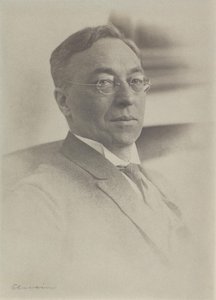
Wassily Wassilyevich Kandinsky
1866 - 1944 , Russland
Kurzinfos
- Artistic Movement Or Style: Abstrakter Expressionismus
- Date Of Birth: 16. Dezember 1866
- Date Of Death: 13. Dezember 1944
- Full Name: Wassily Wassilyevich Kandinsky
- Nationality: Russisch
- Notable Artworks:
- Komposition VII
- Schwarzes Quadrat
- Mehrere Kreise
- Murnau mit Kirche
- Ein Intimes Fest
- Place Of Birth: Moskau, Russland
Ähnliche Artikel
Kandinsky: Die 25 Meisterwerke des Abstrakten – Kunst für Ihr Zuhause | ArtsDot
Entdecken Sie die 25 bedeutendsten Gemälde von Wassily Kandinsky! Tauchen Sie ein in die Welt der abstrakten Kunst, des Expressionismus und der Farbkomposition. Hochwertige Kunstdrucke & Inspiration für Ihr Zuhause auf ArtsDot.com.
Abstrakter Expressionismus: Die 10 Meisterwerke, die eine Kunstbewegung prägten |
Entdecken Sie die 10 Meisterwerke des Abstrakten Expressionismus! Von Jackson Pollock bis Mark Rothko – erfahren Sie die Geschichten hinter ikonischen Gemälde und finden Sie hochwertige Reproduktionen für Ihr Zuhause. Jetzt bei entdecken!

Geometrische Abstraktion: Die 10 Meisterwerke, die Kunstgeschichte prägten | ArtsDot.com
Entdecken Sie die 10 Meisterwerke der geometrischen Abstraktion! Von Kandinsky bis Mondrian – erleben Sie die Geschichte, Farben & Formen dieser revolutionären Kunstrichtung. Hochwertige Kunstreproduktionen auf ArtsDot.com
Beyond Representation: Exploring the Emotional Landscape of Abstract Expressionism
Explore the profound emotional world of Abstract Expressionism with ArtsDot. Discover key artists like Pollock & Rothko, learn about collecting, and find museum-quality reproductions to inspire your space.

Romantische Landschaften: Die 10 Meisterwerke, die eine Epoche prägten | ArtsDot
Entdecken Sie die 10 Meisterwerke der Romantischen Landschaftsmalerei! Von Caspar David Friedrich bis Turner – erleben Sie die Kunst, Emotion & Natur. Hochwertige Reproduktionen auf ArtsDot.com