

 Vorschau anzeigen
 Versenden
 Teilen
 Details anzeigen

 Herunterladen
 Ähnliche Objekte
 Röntgenaufnahme
 Diashow
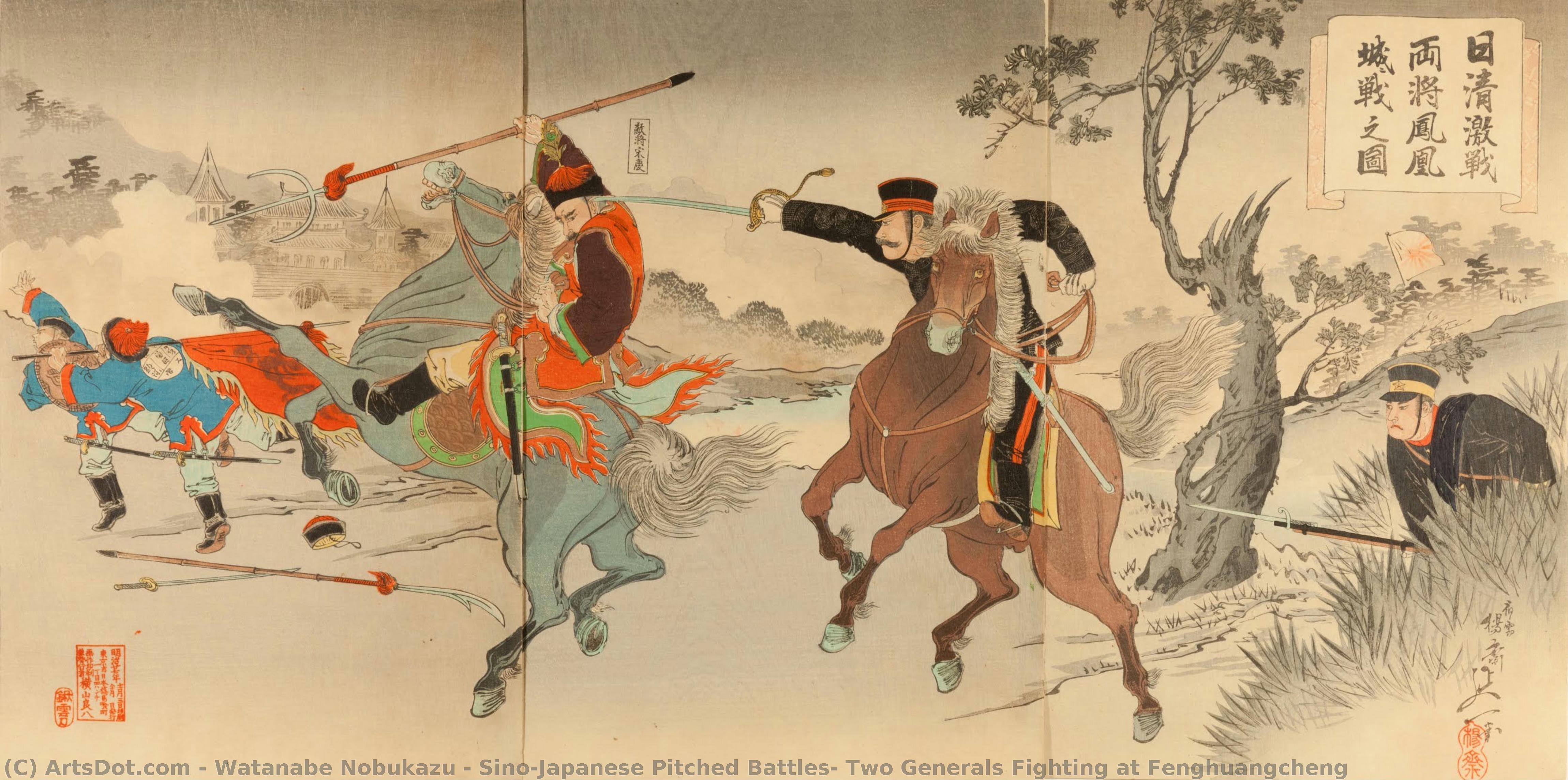
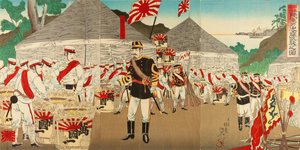
Sino-Japanese Pitched Battles: Two Generals Fighting at Fenghuangcheng


 Weiterlesen
Erwerben Sie ein hochauflösendes, optimiertes digitales Bild, das der Online-Vorschau weit überlegen ist.
Jede Datei wird von unseren hauseigenen Spezialisten mit modernsten Werkzeugen und fachmännischer manueller Retusche sorgfältig vorbereitet. Wir stellen sicher, dass jedes Bild eine außergewöhnliche Klarheit, präzise Farbgenauigkeit und feinste Details aufweist.
Die endgültige Datei wird innerhalb von 72 Stunden per E-Mail zugestellt und ist für den sofortigen Einsatz in professionellen, redaktionellen und Druckumgebungen optimiert. Es handelt sich um dieselbe Qualität, der führende Designstudios, Verlage und Galerien vertrauen.
Digitales Bild
Laden Sie eine hochauflösende Datei für die persönliche Präsentation, den Druck und kreative Projekte herunter. ( Druck bestellen Handgemalte Reproduktion bestellen)
In jeder Bestellung digitaler Bilder enthalten
Professionelle digitale Bereitstellung, garantiert
Wenn Sie sich für ArtsDot.com entscheiden, erhalten Sie nicht nur ein Bild – Sie erhalten ein professionell aufbereitetes digitales Kunstwerk, das mit höchster Präzision erstellt und durch eine Zufriedenheitsgarantie abgesichert wird. Hier ist alles, was automatisch mit Ihrer Bestellung geliefert wird:

Schnelle E-Mail-Zustellung
Ihre hochauflösende digitale Bilddatei wird Ihnen innerhalb von 72 Stunden nach der Bestellung per E-Mail zugestellt – bereit zur sofortigen Verwendung.

KI-optimierte digitale Datei
Ihre Kunstwerke werden professionell mithilfe fortschrittlicher KI-Tools und manueller Bearbeitung optimiert, um maximale Detailtreue, Klarheit und Farbgenauigkeit zu gewährleisten.

Lebenslanger kostenloser Neudruckservice
Datei versehentlich gelöscht oder verloren? Keine Sorge – wir senden sie Ihnen jederzeit kostenlos erneut zu.

Keine Einfuhrgebühren – jemals
Genießen Sie Ihr Kunstwerk sofort ohne Zollgebühren, Einfuhrabgaben oder Versandkosten – digitale Downloads sind immer steuerfrei.

Garantierte Farbtreue
Wir garantieren, dass Ihr digitales Bild mithilfe professioneller Werkzeuge und Farbmanagement die Originalfarben so präzise wie möglich wiedergibt.

60-Tage-Zufriedenheitsgarantie
Sollten Sie mit Ihrem digitalen Bild nicht zufrieden sein, werden wir es überarbeiten oder Ihnen innerhalb von 60 Tagen 100% erstatten – ohne Wenn und Aber.

100% Geld-zurück-Garantie
Nicht zufrieden? Erhalten Sie innerhalb von 60 Tagen nach Erhalt Ihrer digitalen Datei eine vollständige Rückerstattung – ohne Angabe von Gründen.

Rabatte bei Großbestellungen
3 Bilder kaufen, 10% sparen – 5 Bilder kaufen, 15% sparen – Ab 10 Bildern 20% sparen. Ideal für kreative Projekte, Galerien und Agenturen.
Ähnliche Kunstwerke



Biografie des Künstlers
The Visionary Chronicler of a Changing Japan
In the sweeping tapestry of Japanese art history, few figures capture the dramatic transition from tradition to modernity as poignantly as Watanabe Nobukazu. Born Shimada Jirō around 1872, this master printmaker emerged during an era defined by profound geopolitical shifts and internal transformation. His life and work serve as a visual bridge between the classical elegance of the Edo period's lingering aesthetics and the raw, cinematic intensity of Japan’s emergence as a global power. As a student of the legendary Yōshū Chikanobu, Nobukazu inherited a profound respect for the meticulous craftsmanship of the Ukiyo-e tradition, yet he possessed a unique, contemporary pulse that allowed him to document the turbulent winds of the Sino-Japanese and Russo-Japanese wars with unparalleled vigor.
The foundation of Nobukazu’s artistry was laid through rigorous training in calligraphy and painting, disciplines that instilled in him a reverence for the precision of line. Under Chikanobu’s mentorship, he learned to navigate the delicate balance between decorative beauty and narrative depth. This early education did more than just teach him technique; it provided him with the vocabulary to translate complex historical narratives into the medium of woodblock printing. His ability to weave together the fine, rhythmic lines characteristic of his master with a burgeoning sense of realism allowed him to create works that were not merely art, but essential historical documents.
The Drama of Conflict and the Mastery of Print
Nobukazu’s ascent to international prominence was inextricably linked to the martial fervor of his time. During the Sino-Japanese War (1894–1895), he became a prolific chronicler of the battlefield, producing elaborate triptychs that captured the heat of combat and the strategic grandeur of military maneuvers. His depictions of pivotal engagements, such as those at Liaodong harbor and Pyongyang, are celebrated for their theatrical composition and breathtaking realism. In these prints, the viewer is not a distant observer but an eyewitness to the smoke, the movement of troops, and the heavy atmosphere of conflict. He utilized the multi-panel format of the triptych to create expansive, panoramic vistas that mirrored the scale of the wars themselves.
Beyond the battlefield, Nobukazu demonstrated a remarkable versatility in capturing the ceremonial and the serene. His masterpiece, "Emperor," stands as a testament to his ability to evoke the solemnity of the Meiji era. In this work, he moves away from the chaos of war to present an imperial procession characterized by profound historical gravity. Through a sophisticated palette of muted ochres, deep browns, and soft creams, he creates an atmosphere of dignified antiquity. The print is a masterclass in structural harmony, where:
- Intricate Line Work delineates the complex patterns of ceremonial robes and architectural grandeur.
- Layered Pigments provide a sense of texture and depth that avoids garishness in favor of refined elegance.
- Symbolic Elements, such as wandering birds and sentinel trees, act as silent witnesses to the unfolding imperial splendor.
A Lasting Legacy in Wood and Ink
The historical significance of Watanabe Nobukazu lies in his role as a visual historian. While many artists of his era remained tethered to purely decorative themes, Nobukazu embraced the dynamism of his age. His work captures the dual identity of Japan at the turn of the century: a nation deeply rooted in its ancestral traditions yet aggressively marching toward a modern, industrial future. His technique—a seamless blend of Chikanobu’s meticulous detail and an expressive, almost cinematic use of color—ensured that his prints possessed both a timeless aesthetic and a contemporary urgency.
Today, the legacy of Nobukazu continues to resonate with scholars and collectors who seek to understand the soul of Meiji-era Japan. His ability to translate the ephemeral moments of war and the enduring rituals of the state into the permanent medium of woodblock printing ensures his place in the pantheon of great Japanese printmakers. Through his eyes, we do not just see history; we feel the weight of its progression, the tension of its battles, and the quiet dignity of its most sacred traditions.
watanabe nobukazu
1872 - 1944 , Japan
Kurzinfos
- Artistic Movement Or Style: Ukiyo-e
- Artists Or Movements Influenced By This Artist: ['Utagawa School']
- Artists Who Influenced This Artist: ['Yōshū Chikanobu']
- Date Of Death: 1944
- Full Name: Watanabe Nobukazu (渡辺延一)
- Nationality: Japanese
- Notable Artworks:
- Imperial Prosperity: Ceremony in the Eastern Capital
- Illustration of the Attack on the Hōōjyo (Hōōjyo kogeki no zu)
- Triumphal Return of Victorious Japanese Imperial Army from Asan
- Bronze Statue of Saigō in Ueno Park,
- Watanabe Nobukazu
- Place Of Birth: Tokyo, Japan

