

 Vorschau anzeigen
 Versenden
 Teilen
 Details anzeigen

 Herunterladen
 Ähnliche Objekte
 Röntgenaufnahme
 Diashow
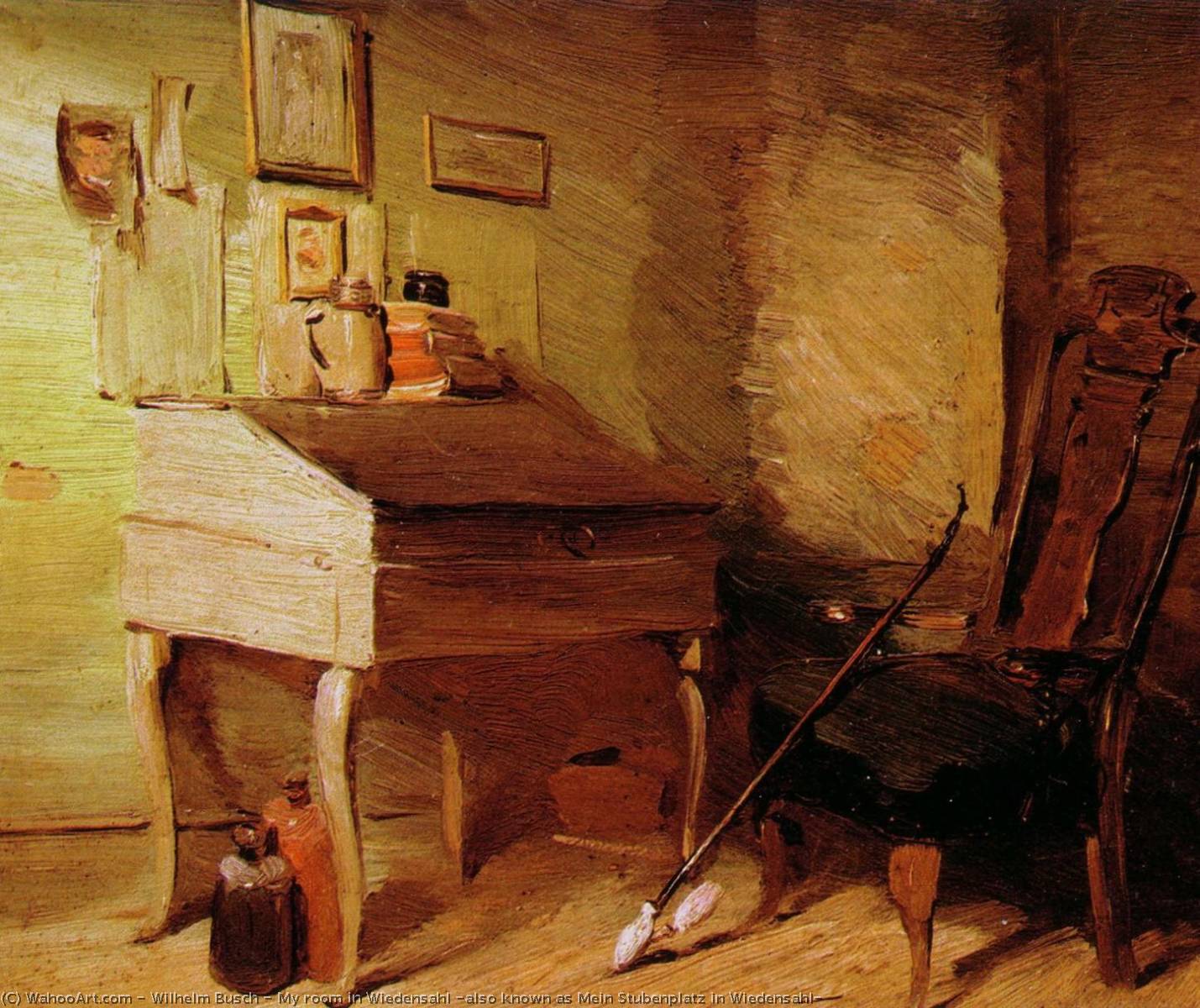
My room in Wiedensahl (also known as Mein Stubenplatz in Wiedensahl)

 Weiterlesen
Erwerben Sie ein hochauflösendes, optimiertes digitales Bild, das der Online-Vorschau weit überlegen ist.
Jede Datei wird von unseren hauseigenen Spezialisten mit modernsten Werkzeugen und fachmännischer manueller Retusche sorgfältig vorbereitet. Wir stellen sicher, dass jedes Bild eine außergewöhnliche Klarheit, präzise Farbgenauigkeit und feinste Details aufweist.
Die endgültige Datei wird innerhalb von 72 Stunden per E-Mail zugestellt und ist für den sofortigen Einsatz in professionellen, redaktionellen und Druckumgebungen optimiert. Es handelt sich um dieselbe Qualität, der führende Designstudios, Verlage und Galerien vertrauen.
Digitales Bild
Laden Sie eine hochauflösende Datei für die persönliche Präsentation, den Druck und kreative Projekte herunter. ( Druck bestellen Handgemalte Reproduktion bestellen)
In jeder Bestellung digitaler Bilder enthalten
Professionelle digitale Bereitstellung, garantiert
Wenn Sie sich für ArtsDot.com entscheiden, erhalten Sie nicht nur ein Bild – Sie erhalten ein professionell aufbereitetes digitales Kunstwerk, das mit höchster Präzision erstellt und durch eine Zufriedenheitsgarantie abgesichert wird. Hier ist alles, was automatisch mit Ihrer Bestellung geliefert wird:

Schnelle E-Mail-Zustellung
Ihre hochauflösende digitale Bilddatei wird Ihnen innerhalb von 72 Stunden nach der Bestellung per E-Mail zugestellt – bereit zur sofortigen Verwendung.

KI-optimierte digitale Datei
Ihre Kunstwerke werden professionell mithilfe fortschrittlicher KI-Tools und manueller Bearbeitung optimiert, um maximale Detailtreue, Klarheit und Farbgenauigkeit zu gewährleisten.

Lebenslanger kostenloser Neudruckservice
Datei versehentlich gelöscht oder verloren? Keine Sorge – wir senden sie Ihnen jederzeit kostenlos erneut zu.

Keine Einfuhrgebühren – jemals
Genießen Sie Ihr Kunstwerk sofort ohne Zollgebühren, Einfuhrabgaben oder Versandkosten – digitale Downloads sind immer steuerfrei.

Garantierte Farbtreue
Wir garantieren, dass Ihr digitales Bild mithilfe professioneller Werkzeuge und Farbmanagement die Originalfarben so präzise wie möglich wiedergibt.

60-Tage-Zufriedenheitsgarantie
Sollten Sie mit Ihrem digitalen Bild nicht zufrieden sein, werden wir es überarbeiten oder Ihnen innerhalb von 60 Tagen 100% erstatten – ohne Wenn und Aber.

100% Geld-zurück-Garantie
Nicht zufrieden? Erhalten Sie innerhalb von 60 Tagen nach Erhalt Ihrer digitalen Datei eine vollständige Rückerstattung – ohne Angabe von Gründen.

Rabatte bei Großbestellungen
3 Bilder kaufen, 10% sparen – 5 Bilder kaufen, 15% sparen – Ab 10 Bildern 20% sparen. Ideal für kreative Projekte, Galerien und Agenturen.
Ähnliche Kunstwerke

Biografie des Künstlers
The Master of Satirical Lines: The Life and Legacy of Wilhelm Busch
In the quiet, thatched-roof village of Wiedensahl, amidst the humble surroundings of a family shop, a creative force was born that would forever alter the landscape of European visual storytelling. Heinrich Christian Wilhelm Busch, arriving on April 15, 1832, emerged from a devout Protestant lineage to become one of the most profound humorists and illustrators of his era. His early years were steeped in the rhythms of German provincial life, a setting that would later serve as both the canvas and the target for his sharp, satirical wit. As the eldest of seven children, Busch’s upbringing was marked by a blend of industriousness and religious devotion, yet it was his formal training at the prestigious academies of Düsseldorf, Antwerp, and Munich that provided him with the technical mastery required to transform simple sketches into enduring cultural icons.
Busch’s artistic evolution was characterized by an extraordinary ability to marry fine art technique with the burgeoning medium of mass-market illustration. He did not merely draw; he choreographed movement through a series of rapid, expressive scrawls that could capture the most fleeting of human emotions or the most chaotic of physical contortions. His Bilderbogen, or pictorial broadsheets, acted as vital precursors to the modern comic strip, utilizing wood engraving and later zincography to disseminate his biting social commentaries. Through these works, he explored the complexities of contemporary life, turning a keen eye toward the hypocrisies of Catholicism, the stifling nature of strict religious morality, and the pervasive spirit of Philistinism that gripped much of 19th-century society.
A Symphony of Verse and Visual Wit
What truly distinguished Busch from his contemporaries was his seamless integration of visual narrative and linguistic play. He was a master of "doggerel" verse—a style that, while appearing simple or even whimsical, possessed a rhythmic precision and a sharp, satirical edge. His comic texts were vibrant tapestries of language, rich with onomatopoeation and inventive neologisms that breathed life into his characters. This duality of poet and painter allowed him to create continuous pictorial narratives such as the legendary Max und Moritz. In these tales, the mischievous exploits of two young boys became a mirror for societal failings, blending dark humor with a profound understanding of human nature.
The impact of his work was so potent that it occasionally drew the ire of censors; his biting critiques of authority and religious bigotry led to certain works being banned by the powers of his time. Yet, this very controversy only served to cement his reputation as a fearless observer of the human condition. His influence rippled far beyond the borders of Germany, finding echoes in the development of international comic traditions. Most notably, the iconic American comic strip The Katzenjammer Kids drew direct inspiration from the anarchic energy of his Max und Moritz, proving that Busch’s brand of humor possessed a universal, timeless appeal.
Enduring Influence and Artistic Heritage
As the decades progressed, Wilhelm Busch’s significance transitioned from that of a popular illustrator to a foundational figure in Western European art and literature. His ability to convey complex psychological states through extreme simplicity remains a subject of study for artists and historians alike. The legacy he left behind is not merely found in museum archives but is actively preserved through institutions such as the Wilhelm Busch Museum and the biennial Wilhelm Busch Prize, which continues to honor excellence in humorous and satirical verse.
Reflecting on his monumental career, several key elements define his historical importance:
- Innovation in Medium: His pioneering use of pictorial broadsheets laid the essential groundwork for the modern comic strip format.
- Social Commentary: He utilized satire as a surgical tool to dissect and critique the religious and social rigidities of the 19th century.
- Linguistic Mastery: The creation of a unique, playful vocabulary through neologisms and rhythmic verse enriched the German literary tradition.
- Global Reach: His work transcended linguistic barriers, influencing generations of cartoonists and illustrators across the globe.
Though he passed away in 1908, the spirit of Wilhelm Busch remains vibrantly alive. He remains a towering figure whose work continues to provoke laughter, reflection, and a deeper understanding of the beautiful, often absurd, complexities of life.
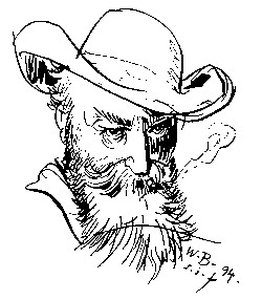
wilhelm busch
1832 - 1908

