

 Vorschau anzeigen
 Versenden
 Teilen
 Details anzeigen

 Herunterladen
 Ähnliche Objekte
 Röntgenaufnahme
 Diashow
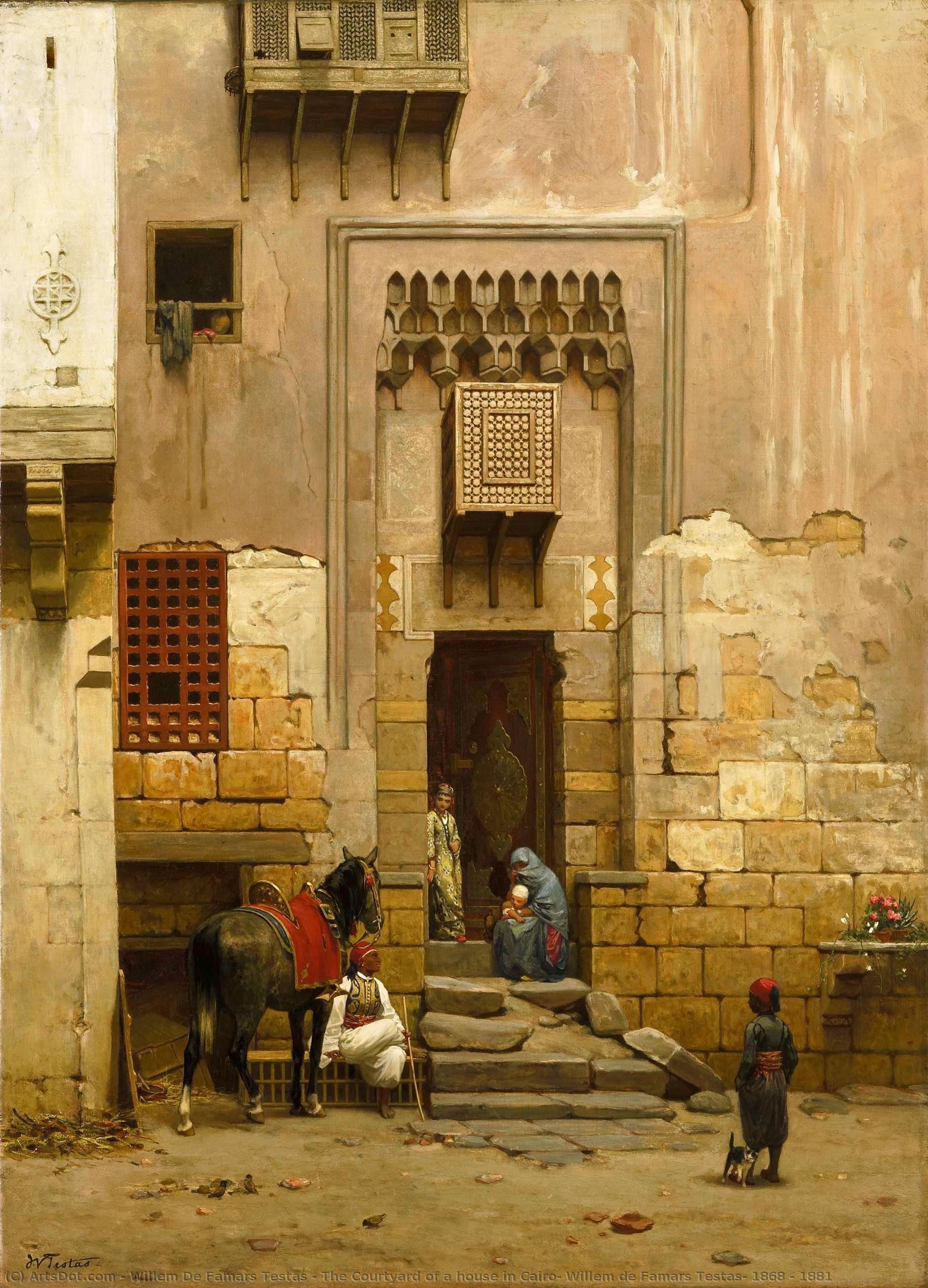
The Courtyard of a house in Cairo, Willem de Famars Testas, 1868 - 1881
 1881
1881 84.0 x 62.0 cm
 Weiterlesen
Erwerben Sie ein hochauflösendes, optimiertes digitales Bild, das der Online-Vorschau weit überlegen ist.
Jede Datei wird von unseren hauseigenen Spezialisten mit modernsten Werkzeugen und fachmännischer manueller Retusche sorgfältig vorbereitet. Wir stellen sicher, dass jedes Bild eine außergewöhnliche Klarheit, präzise Farbgenauigkeit und feinste Details aufweist.
Die endgültige Datei wird innerhalb von 72 Stunden per E-Mail zugestellt und ist für den sofortigen Einsatz in professionellen, redaktionellen und Druckumgebungen optimiert. Es handelt sich um dieselbe Qualität, der führende Designstudios, Verlage und Galerien vertrauen.
Digitales Bild
Laden Sie eine hochauflösende Datei für die persönliche Präsentation, den Druck und kreative Projekte herunter. ( Druck bestellen Handgemalte Reproduktion bestellen)
In jeder Bestellung digitaler Bilder enthalten
Professionelle digitale Bereitstellung, garantiert
Wenn Sie sich für ArtsDot.com entscheiden, erhalten Sie nicht nur ein Bild – Sie erhalten ein professionell aufbereitetes digitales Kunstwerk, das mit höchster Präzision erstellt und durch eine Zufriedenheitsgarantie abgesichert wird. Hier ist alles, was automatisch mit Ihrer Bestellung geliefert wird:

Schnelle E-Mail-Zustellung
Ihre hochauflösende digitale Bilddatei wird Ihnen innerhalb von 72 Stunden nach der Bestellung per E-Mail zugestellt – bereit zur sofortigen Verwendung.

KI-optimierte digitale Datei
Ihre Kunstwerke werden professionell mithilfe fortschrittlicher KI-Tools und manueller Bearbeitung optimiert, um maximale Detailtreue, Klarheit und Farbgenauigkeit zu gewährleisten.

Lebenslanger kostenloser Neudruckservice
Datei versehentlich gelöscht oder verloren? Keine Sorge – wir senden sie Ihnen jederzeit kostenlos erneut zu.

Keine Einfuhrgebühren – jemals
Genießen Sie Ihr Kunstwerk sofort ohne Zollgebühren, Einfuhrabgaben oder Versandkosten – digitale Downloads sind immer steuerfrei.

Garantierte Farbtreue
Wir garantieren, dass Ihr digitales Bild mithilfe professioneller Werkzeuge und Farbmanagement die Originalfarben so präzise wie möglich wiedergibt.

60-Tage-Zufriedenheitsgarantie
Sollten Sie mit Ihrem digitalen Bild nicht zufrieden sein, werden wir es überarbeiten oder Ihnen innerhalb von 60 Tagen 100% erstatten – ohne Wenn und Aber.

100% Geld-zurück-Garantie
Nicht zufrieden? Erhalten Sie innerhalb von 60 Tagen nach Erhalt Ihrer digitalen Datei eine vollständige Rückerstattung – ohne Angabe von Gründen.

Rabatte bei Großbestellungen
3 Bilder kaufen, 10% sparen – 5 Bilder kaufen, 15% sparen – Ab 10 Bildern 20% sparen. Ideal für kreative Projekte, Galerien und Agenturen.
Ähnliche Kunstwerke





Biografie des Künstlers
The Visionary of the Orient: The Life and Art of Willem de Famars Testas
Willem de Famars Testas was a painter who possessed the rare ability to transport his audience across continents through nothing more than pigment and light. Born in 1834 in the historic city of Utrecht, his early artistic foundations were laid within the prestigious halls of the Akademie van beeldende kunsten in The Hague. Under the tutelage of masters like Jacobus Everhardus Josephus van den Berg, he honed a technical precision that would later serve as the bedrock for his expansive, atmospheric explorations of distant lands. While his early training rooted him firmly in the Dutch tradition, his spirit was destined for much warmer, more exotic horizons. The true turning point in his creative evolution arrived not in a studio, but amidst the sun-drenched landscapes of Egypt. In 1858, a serendipitous opportunity arose when he joined an expedition led by the archaeologist Emile Prisse d'Avennes. Originally intended to support the documentation of Arab monuments, Testas found himself thrust into the role of a primary observer of life along the Nile. For two years, he wandered through Egypt, absorbing the vibrant textures of local customs, the rhythmic movement of desert animals, and the stark, beautiful interplay of light and shadow against ancient architecture. This period was transformative; it shifted his focus from mere academic study to a profound, empathetic engagement with the Orientalist subject matter that would define his legacy.A Tapestry of Light and Culture
Upon returning to Europe, Testas did not leave the Orient behind; instead, he meticulously reconstructed its essence upon canvas. His work became a bridge between the familiar landscapes of the Netherlands and the evocative mysteries of the East. He was not merely a documentarian but a storyteller who utilized warm color palettes and intricate details to render the very flavor of Egyptian life. His oeuvre is characterized by a remarkable versatility, ranging from delicate etchings and precise drawings to sweeping oil paintings that capture the bustling energy of Cairo or the quiet solitude of an oasis. His artistic journey continued to expand through further travels, including a significant expedition through Palestine and Syria in 1868. This second encounter with the Levant deepened his repertoire, allowing him to weave even more complex narratives of landscape and humanity into his work. His reputation grew alongside his travels, eventually leading to an invitation from the renowned French Orientalist Jean-Léon Gérôme, a moment that solidified his standing within the international art community. Whether depicting the bustling courtyard of a Cairene house or the serene beauty of a desert well, Testas imbued every scene with a sense of lived reality and atmospheric depth.Legacy and Artistic Significance
The historical significance of Willem de Famars Testas lies in his ability to transcend the often-static tropes of 19th-century Orientalism. While many of his contemporaries focused on the theatrical or the exoticized, Testas brought a sense of ethnographic intimacy to his subjects. His work serves as a vital visual record of a period of intense cultural encounter, capturing the dignity of local dress, the vitality of regional fauna, and the enduring majesty of ancient monuments. His influence extended beyond his own brushstrokes, as seen in the artistic path of his daughter, Marie Madelaine de Famars Testas, who also pursued a career in painting. Today, his works reside in esteemed collections such as the Rijksmuseum and the Teylers Museum, standing as enduring testaments to a life spent chasing the light of distant suns. To view a piece by Testas is to embark on a journey through time and space, experiencing the world through the eyes of a master who found his true voice in the heart of the Orient.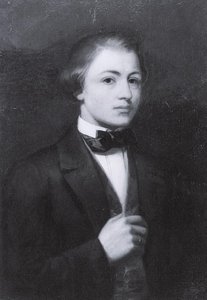
willem de famars testas
1834 - 1896

