 Vorschau anzeigen
 Versenden
 Teilen
 Details anzeigen

 Herunterladen
 Ähnliche Objekte
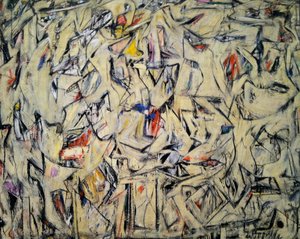
 Röntgenaufnahme
 Diashow
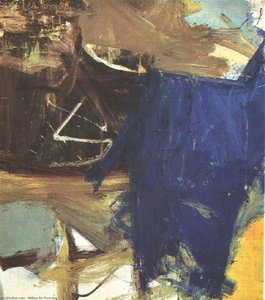
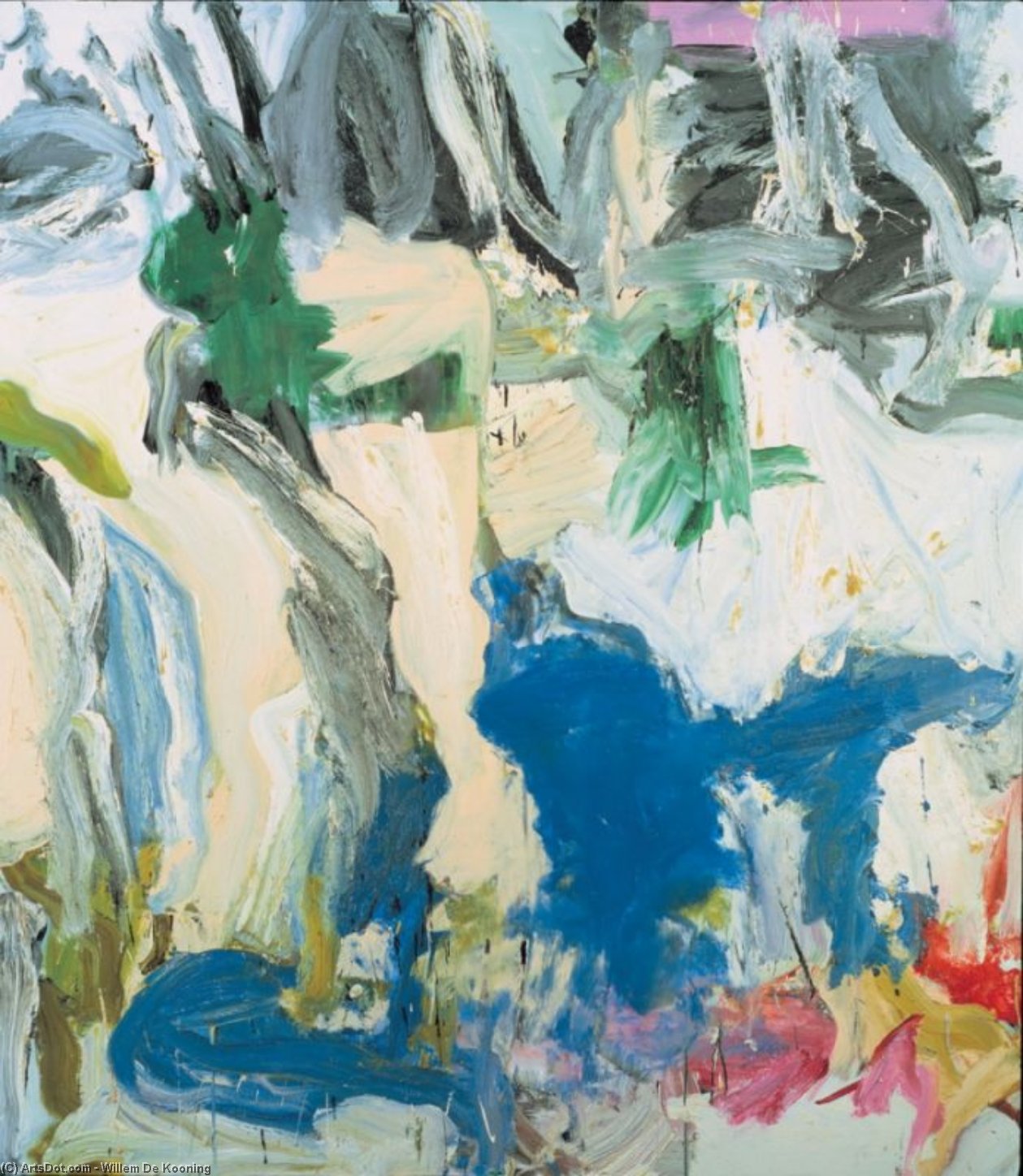
Zwei Bäume in der Mary Street . . . Amen!


 Weiterlesen
Giclée / Kunstdruck
Giclée- oder Leinwanddruck in Museumsqualität mit schneller Produktion und flexiblen Veredelungsoptionen. ( Handgemalte Reproduktion bestellen Bild kaufen)




P118B $10

P118H $10

P118W $10

P438Z $10

P508JH $12

P508YH $12

P805H $10

P805Z $10

P919BZ $10

P919G $10

P919XJ $10

P959ZH $10

P968JZ $12

W106C $8

W218G $10

W218JH $8

W218Y $10

W307PJ $10

W316G $10

W316PJ $8

W316Y $10

W398PJ $8

W4111J $10

W500HY $15

W500JH $15

W692G $12

W849H $8

W940BG $15

W953PJ $8




Wählen Sie aus unseren vordefinierten Formaten, die den ursprünglichen Proportionen des Kunstwerks entsprechen.

Sie können Ihre eigenen Maße eingeben, um ein bestimmtes Format oder einen speziellen Platz einzupassen. Wenn das von Ihnen gewählte Format nicht den Proportionen des Originalbildes entspricht, werden wir das Kunstwerk entweder beschneiden oder das Bild mit einem gespiegelten oder einfarbigen Rand erweitern. Ein digitaler Entwurf wird Ihnen zur Genehmigung zugesandt, bevor die Produktion beginnt.
Bitte beachten Sie, dass die Vorschau auf dem Bildschirm nicht den tatsächlichen Zuschnitt oder die Erweiterung widerspiegelt. Nur der Entwurf zeigt die endgültige Komposition präzise an.
Obwohl Sondermaße verfügbar sind, empfehlen wir die Auswahl eines Maßes aus der vordefinierten Liste, um die ursprünglichen Proportionen zu bewahren.
Weltweiter Versand () innerhalb von 2 Wochen statt der üblichen 4/5 Wochen. (28 August)

Kostenloser weltweiter Expressversand

Hochwertige Leinenleinwand

Umfassender Versicherungsschutz beim Versand

Zollgebühren-Rückerstattungsgarantie

Garantie für exakte Farbtreue

60 Tage Rückgaberecht (nur bei Mängeln)

100% Geld-zurück-Garantie

Mengenrabatt verfügbar
 Die Glasoption ist nur für Größen unter 110 cm verfügbar.

Zwei Bäume in der Mary Street . . . Amen!
Giclée / Kunstdruck
Format der Reproduktion
-


Gesamtpreis
$ 62
A Symphony of Blue and Bold Gesture: Exploring Willem de Kooning’s “Two Trees on Mary Street . . . Amen!”
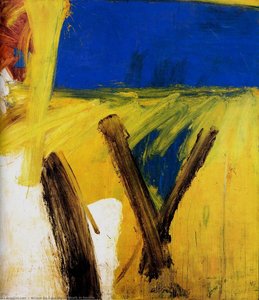
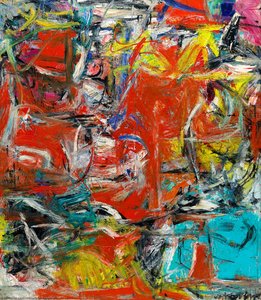
Willem de Kooning's "Two Trees on Mary Street . . . Amen!" stands as a monumental testament to the fervor of Abstract Expressionism, capturing not merely visual elements but also the turbulent spirit of its time. Painted in 1975, this large-scale canvas embodies De Kooning’s signature style—characterized by visceral brushstrokes and an unapologetic embrace of emotional intensity—resulting in a powerfully evocative artwork that continues to fascinate viewers decades after its creation. The painting's genesis lies within the broader movement that sought to liberate art from representational constraints, reacting against the formalism prevalent in European avant-garde circles during the mid-20th century.- Subject Matter & Composition: At first glance, the artwork presents a woman’s nude figure dominating the central space. However, this isn't merely anatomical depiction; rather, it serves as a conduit for conveying profound psychological states. Scattered around her torso are other figures—primarily trees—creating a dynamic interplay between human form and natural landscape. This juxtaposition speaks to themes of vulnerability, resilience, and perhaps even spiritual contemplation.
- Style & Technique: De Kooning’s technique is instantly recognizable – energetic, impulsive, and imbued with palpable emotion. Thick impasto layers of paint—applied with bold gestures—create a textured surface that vibrates with movement. The dominant hue is blue, ranging from deep indigo to lighter shades, punctuated by strategic accents of green and yellow. These colors aren't chosen arbitrarily; they contribute significantly to the painting’s emotional resonance.
Historical Context: The Rise of Abstract Expressionism
The painting emerged during a pivotal moment in art history—the ascendancy of Abstract Expressionism in New York City. Artists like Jackson Pollock and Mark Rothko were redefining artistic expression, rejecting traditional conventions in favor of spontaneous gesture and non-figurative abstraction. De Kooning’s work aligns perfectly with this ethos, reflecting the anxieties and uncertainties of the Cold War era while simultaneously celebrating the liberating potential of artistic freedom. The painting's title itself—"Two Trees on Mary Street . . . Amen!"—adds another layer of complexity, hinting at religious iconography and perhaps suggesting a yearning for solace amidst turbulent times.Symbolism & Emotional Impact
The trees surrounding the nude figure are more than mere decorative elements; they symbolize strength, stability, and connection to nature. They stand in contrast to the woman’s vulnerability, representing an enduring spirit that persists despite hardship. The pervasive blue color palette evokes feelings of melancholy, introspection, and contemplation—yet simultaneously conveys a sense of hopefulness. De Kooning's masterful manipulation of pigment and texture compels viewers to confront uncomfortable truths about human experience, prompting reflection on themes of identity, mortality, and the search for meaning.Interior Design Considerations
For interior designers seeking inspiration, “Two Trees on Mary Street . . . Amen!” offers a captivating focal point—a bold statement piece that commands attention. Its expansive scale lends itself beautifully to large spaces, while its textural surface adds visual interest and depth. The dominant blue hues can be harmoniously complemented by neutrals like gray or beige, creating a sophisticated yet emotionally resonant atmosphere. Reproductions of this artwork provide an accessible way to experience De Kooning’s artistic vision without the considerable investment required for original canvases.Ähnliche Kunstwerke
Über den Künstler
frühes Leben und Karriere
Willem de Kooning, ein renommierter niederländisch-amerikanischer abstrakter Expressionist, wurde am 24. April 1904 in Rotterdam, Niederlande, geboren. Seine Eltern, Leendert de Kooning und Cornelia Nobel, trennten sich 1907, und Willem de Kooning lebte zunächst mit seinem Vater, bevor er in die Obhut seiner Mutter überging. Er verließ die Schule 1916 und arbeitete als Lehrling in einer Werbeagentur.Künstlerische Entwicklung
De Kooning besuchte von 1916 bis 1924 Abendkurse an der Akademie für Bildende Künste und Technische Wissenschaften in Rotterdam. Im Jahr 1927 zog er nach New York City, wo er als Hausmaler arbeitete und seinen einzigartigen künstlerischen Stil entwickelte.Abstrakter Expressionismus
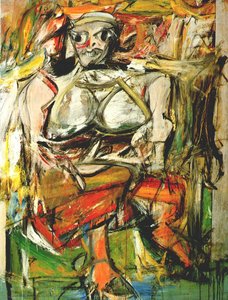
De Koonings Werk verschob sich in den späten 1950er Jahren hin zum abstrakten Expressionismus, der durch kräftige Pinselstriche und leuchtende Farben gekennzeichnet ist. Sein Gemälde Woman I (1950-1952) ist ein wegweisendes Werk dieser Bewegung, das Figuration mit Spontaneität und emotionaler Intensität verbindet.Bekannte Werke und Sammlungen
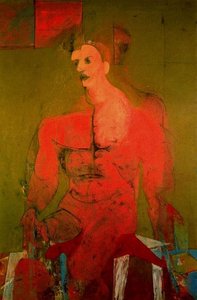
* The Glazier (137 x 112 cm, Öl auf Leinwand): Ein düsteres, erdtoniges Gemälde, inspiriert von den Fresken von Boscoreale. * Door to the River (Abstrakter Expressionismus): Ein breitschichtiges Gemälde, das an seine Tätigkeit als Hausmaler erinnert. * Standing Man (Abstrakter Expressionismus): Ein charakteristisches Beispiel für De Koonings abstrakten Expressionismus.Museen und Sammlungen
* Museum Boijmans van Beuningen, Rotterdam, Niederlande: Bietet eine beeindruckende Sammlung von über 151.000 Kunstwerken. * Universitätsbibliothek Leiden, Niederlande: Ein bedeutendes Kulturzentrum mit über 5.200.000 Büchern und 1.000.000 E-Books. Willem de Koonings Vermächtnis inspiriert weiterhin Künstler und Kunstliebhaber gleichermaßen und festigt seinen Platz als Pionier des abstrakten Expressionismus.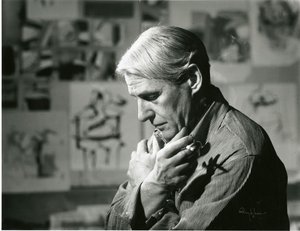
Willem de Kooning
1904 - 1997 , Niederlande
Kurzinfos
- Beeinflusste Künstler: ['Arshile Gorky']
- Bemerkenswerte Werke:
- Frau I
- The Glazier
- Excavation
- Geburtsdatum: 24. April 1904
- Geburtsort: Rotterdam, Niederlande
- Künstlerische Bewegung: Abstrakter Expressionismus
- Nationalität: Niederländisch-Amerikanisch
- Todatum: 1997
- Vollständiger Name: Willem de Kooning
Ähnliche Artikel
Abstrakter Expressionismus: Die 10 Meisterwerke, die eine Kunstbewegung prägten |
Entdecken Sie die 10 Meisterwerke des Abstrakten Expressionismus! Von Jackson Pollock bis Mark Rothko – erfahren Sie die Geschichten hinter ikonischen Gemälde und finden Sie hochwertige Reproduktionen für Ihr Zuhause. Jetzt bei entdecken!
Willem de Kooning: Abstraktion, Geste und die Entwicklung der Nachkriegsamerikanischen Malerei
Entdecken Sie Willem de Koonings revolutionäre Kunst und die Entwicklung des Abstrakten Expressionismus. Expertenanalyse, Investitionspotenzial & Sammlerwert – erfahren Sie mehr auf ArtsDot.

Goya: Die 25 Meisterwerke des spanischen Genies – Kunst für Ihr Zuhause | ArtsDot
Entdecken Sie die 25 Meisterwerke von Francisco Goya! Tauchen Sie ein in die düstere Romantik spanischer Malerei, Porträts & Historienbilder. Hochwertige Kunstdrucke auf ArtsDot.com – für Kunstliebhaber und stilvolles Wohnen.
Beyond Representation: Exploring the Emotional Landscape of Abstract Expressionism
Explore the profound emotional world of Abstract Expressionism with ArtsDot. Discover key artists like Pollock & Rothko, learn about collecting, and find museum-quality reproductions to inspire your space.
Kandinsky: Die 25 Meisterwerke des Abstrakten – Kunst für Ihr Zuhause | ArtsDot
Entdecken Sie die 25 bedeutendsten Gemälde von Wassily Kandinsky! Tauchen Sie ein in die Welt der abstrakten Kunst, des Expressionismus und der Farbkomposition. Hochwertige Kunstdrucke & Inspiration für Ihr Zuhause auf ArtsDot.com.