 Vorschau anzeigen
 Versenden
 Teilen
 Details anzeigen

 Herunterladen
 Ähnliche Objekte
 Röntgenaufnahme
 Diashow
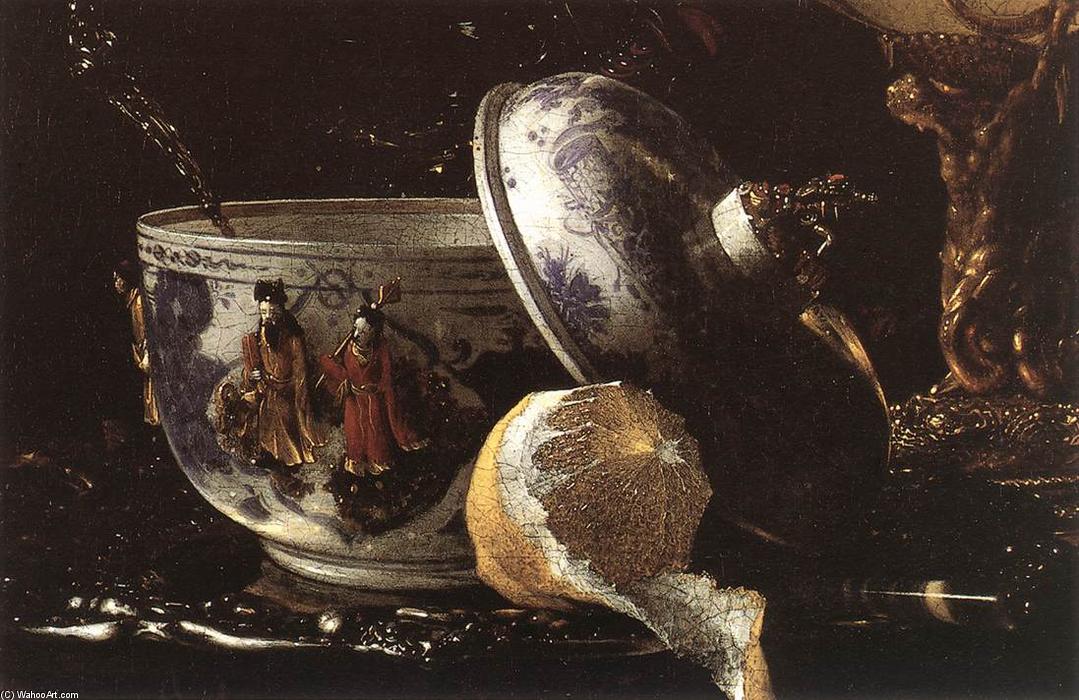
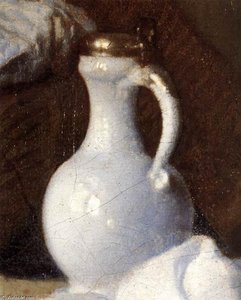
Still-Life with a Nautilus Cup (detail)


 Weiterlesen
Handgefertigte Ölreproduktion
Handgemaltes Ölgemälde auf Leinwand in Ihrer Wunschgröße und mit Rahmen, auf Bestellung von unseren Künstlern angefertigt. ( Druck bestellen Bild kaufen)




P118B $10

P118H $10

P118W $10

P438Z $10

P508JH $12

P508YH $12

P805H $10

P805Z $10

P919BZ $10

P919G $10

P919XJ $10

P959ZH $10

P968JZ $12

W106C $8

W218G $10

W218JH $8

W218Y $10

W307PJ $10

W316G $10

W316PJ $8

W316Y $10

W398PJ $8

W4111J $10

W500HY $15

W500JH $15

W692G $12

W849H $8

W940BG $15

W953PJ $8




Wählen Sie aus unseren vordefinierten Formaten, die den ursprünglichen Proportionen des Kunstwerks entsprechen.

Sie können Ihre eigenen Maße eingeben, um einen bestimmten Rahmen oder Platz auszufüllen. Wenn die gewählte Größe nicht den Proportionen des Originalbildes entspricht, werden wir das Kunstwerk entweder beschneiden oder das Gemälde durch zusätzliche, handgemalte Elemente erweitern. Ein digitales Mockup wird Ihnen zur Genehmigung zugesandt, bevor die Produktion beginnt.
Bitte beachten Sie, dass die Bildschirmvorschau nicht die tatsächliche Beschneidung oder Erweiterung widerspiegelt. Nur das Mockup zeigt die endgültige Komposition exakt an.
Obwohl Sondermaße verfügbar sind, empfehlen wir, eine Größe aus der vordefinierten Liste zu wählen, um die ursprünglichen Proportionen beizubehalten.
Nach der Bestellung wird das ArtsDot.com-Team dem Kunden Anweisungen per E-Mail zusenden und eine Mockup-Vorschau bereitstellen.
Weltweiter Versand () in nur 3 bis 4 Wochen statt der üblichen 5 Wochen. (31 August). Keine Kompromisse bei der Qualität.

Kostenloser weltweiter Expressversand

Hochwertige Leinenleinwand

Umfassender Versicherungsschutz beim Versand

Zollgebühren-Rückerstattungsgarantie

Garantie für exakte Farbtreue

60 Tage Rückgaberecht (nur bei Mängeln)

100% Geld-zurück-Garantie

Mengenrabatt verfügbar
 Die Glasoption ist nur für Größen unter 110 cm verfügbar.

Still-Life with a Nautilus Cup (detail)
Art der Reproduktion
Format der Reproduktion
-


Gesamtpreis
$ 263
A Symphony of Opulence: The Luminous World of Willem Kalf
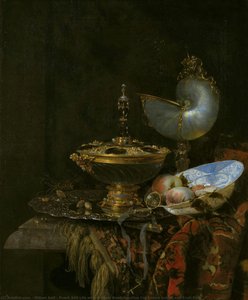
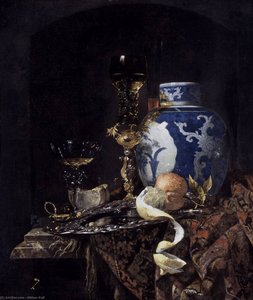
In the quiet, shadowed corners of the seventeenth-century Dutch Golden Age, few artists captured the intoxicating essence of prosperity quite like Willem Kalf. His masterpiece, Still-Life with a Nautilus Cup (detail), is far more than a mere arrangement of objects; it is a meticulously choreographed performance of light, texture, and prestige. As one gazes upon this breathtaking composition, they are immediately transported into a world of refined luxury, where every glint of gold and every curve of porcelain tells a story of global trade and artistic virtuosity. Kalf, a titan of the pronkstilleven—the monumental "ostentatious still life"—uses this work to celebrate the era's fascination with wealth and the exotic wonders brought to the Netherlands by burgeoning maritime commerce.
The painting draws the viewer into a darkened chamber illuminated by dramatic chiaroscuro, a technique of extreme light and shadow that creates a theatrical, almost spiritual atmosphere. At the heart of this composition sits an exquisitely crafted porcelain vase, its surface shimmering with reflected light, overflowing with water that seems to catch the very essence of the room's dim glow. Surrounding this centerpiece is a carefully curated assemblage of treasures: a fractured pitcher that serves as a poignant memento mori—a reminder of time’s inevitable passage—and a gleaming golden goblet that symbolizes the height of aristocratic status and prosperity. The interplay of these objects creates a rhythmic movement across the canvas, leading the eye through a landscape of precious materials.
Mastery of Texture and Technique
Kalf's approach is characterized by an unwavering commitment to realism achieved through painstaking observation and masterful brushwork. Utilizing oil on canvas, he employs sophisticated layering techniques to build up color gradually, allowing him to replicate the most difficult surfaces known to man. One can almost feel the cold, smooth surface of the porcelain, the heavy weight of the gilded metal, and the delicate, translucent quality of the spilling water. This technical brilliance is what makes a high-quality reproduction of such a work so transformative for an interior space; it brings with it a sense of tactile depth and a palpable presence that commands attention.
The artist’s ability to manipulate light is nothing short of miraculous. By plunging the background into a deep, velvety brown, Kalf ensures that the illuminated objects appear to emerge from the darkness, creating a three-dimensional effect that breathes life into the inanimate. The composition utilizes subtle diagonal lines—formed by the trajectory of the water and the tilt of the broken pitcher—to guide the viewer’s gaze in a continuous loop of discovery. For the discerning collector or interior designer, this painting offers more than just decoration; it provides a focal point of profound sophistication, capable of anchoring a room with its historical gravity and aesthetic splendor.
Symbolism and Emotional Resonance
Beyond the surface-level display of wealth, Kalf’s work is imbued with a complex narrative of abundance and decay. The very objects that represent the pinnacle of human achievement—the nautilus cup and the golden goblet—are placed alongside elements of fragility and breakage. This juxtaposition invites a deeper emotional reflection on the fleeting nature of beauty and the ephemeral quality of material riches. It is this tension between the permanent and the transient that gives the painting its enduring emotional impact, making it a piece that resonates with viewers across centuries.
To possess or display a reproduction of this masterpiece is to invite a sense of history and contemplative luxury into one's home. Whether placed in a contemporary gallery-style setting or a more traditional study, Kalf’s Still-Life with a Nautilus Cup serves as a window into a vanished era of grandeur. It remains an essential inspiration for those who appreciate art that does not merely decorate a wall, but rather tells a story of human ambition, the beauty of the natural world, and the eternal dance between light and shadow.
Ähnliche Kunstwerke
Über den Künstler
Willem Kalf: Ein Meister der niederländischen Stilllebenmalerei
- Geboren: Rotterdam, Niederlande (1619)
- Gestorben: 1693
Willem Kalf war ein renommierter niederländischer Maler, der für seine exquisiten Stilllebenkompositionen während des Goldenen Zeitalters der Niederlande gefeiert wurde. Geboren 1619 in Rotterdam, wurde er bekannt für seine luxuriösen "pronkstilleven" (prunkvollen Stillleben), die opulente Objekte mit akribischer Detailgenauigkeit und meisterhafter Lichtnutzung präsentierten.
Frühes Leben und Ausbildung
Kalf wurde in eine wohlhabende Patrizierfamilie in Rotterdam hineingeboren. Sein Vater hatte kommunale Ämter inne, was Willem eine komfortable Jugend ermöglichte. In den späten 1630er Jahren reiste Kalf nach Paris und verbrachte Zeit im Kreis flämischer Künstler in Saint-Germain-des-Prés. Während dieser Zeit malte er hauptsächlich kleine rustikale Innenräume und Stillleben.
Künstlerischer Stil und Entwicklung
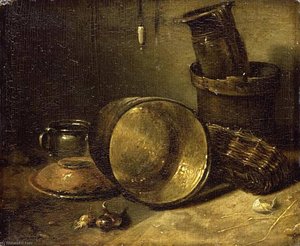
- Pariser Periode: Seine frühen Werke, entstanden in Paris, zeigten typischerweise Gruppen von Gemüse, Eimern, Töpfen und Pfannen, die als Stillleben im Vordergrund angeordnet waren. Figuren waren oft präsent, aber verschwommen im Hintergrund dargestellt. Diese Gemälde spiegelten eine bildliche Tradition wider, die hauptsächlich im frühen 17. Jahrhundert in Flandern von Künstlern wie David Teniers dem Jüngeren praktiziert wurde.
- Reife Stillleben (Pronkstilleven): Kalfs spätere Werke, seine "pronkstilleven", zeichnen sich durch die Darstellung luxuriöser und exotischer Objekte aus – Silbergefäße, Porzellan, Früchte und andere Delikatessen. Diese Kompositionen demonstrieren eine bemerkenswerte Detailgenauigkeit, reiche Farben und dramatische Lichteffekte. Obwohl die Struktur dieser Gemälde relativ konstant blieb und ähnliche Objekte enthielt, hob Kalfs Geschicklichkeit in der Darstellung von Texturen und der Erfassung des Lichts sie zu außergewöhnlicher Kunst an.
- Einflüsse: Kalfs Werk zeigt Einflüsse von früheren niederländischen Stilllebenmalern wie Simon Luttichuys. Er teilte auch stilistische Ähnlichkeiten mit Künstlern wie Pieter Claesz, Willem Claeszoon Heda und Juriaen van Streeck, die in den 1630er Jahren für ihre "banketjes" oder 'kleinen Bankettstücke' bekannt waren.
Bemerkenswerte Werke und Vermächtnis
Kalfs Gemälde werden aufgrund ihrer technischen Brillanz und ästhetischen Anziehungskraft hoch geschätzt. Obwohl einzelne Werke weniger breite Anerkennung finden als einige seiner Zeitgenossen, ist sein Gesamtbeitrag zu dem Genre bedeutend.
- Museumsbestände: Kalfs Werk befindet sich in renommierten Museen auf der ganzen Welt, darunter das Museum Boijmans Van Beuningen in Rotterdam, die National Gallery of Art in Washington D.C. und das Getty Museum.
- Einfluss auf die französische Kunst: Kalfs semi-monochrome Stillleben hatten einen bemerkenswerten Einfluss auf die französische Kunst, insbesondere im Kreis der Le Nain-Brüder.
- Historische Bedeutung: Als führende Figur der niederländischen Malerei des Goldenen Zeitalters half Willem Kalf dabei, das Genre "pronkstilleven" zu definieren und den Reichtum und die Raffinesse der holländischen Gesellschaft des 17. Jahrhunderts zu präsentieren. Seine akribische Detailgenauigkeit und meisterhafte Lichtnutzung inspirieren weiterhin Künstler und Kunstliebhaber heute.
Weiterführende Informationen
- Wikipedia: https://de.wikipedia.org/wiki/Willem_Kalf
- National Gallery of Art: https://www.nga.gov/artists/1430-willem-kalf
- Getty Museum: https://www.getty.edu/art/collection/person/103JR3
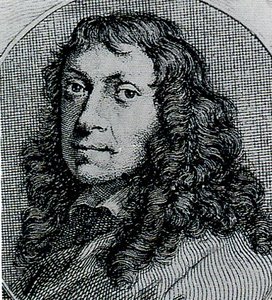
Willem Kalf
1619 - 1693 , Niederlande
Kurzinfos
- Beeinflusste Künstler: ['David Teniers der Jüngere']
- Bekannte Werke: ['Stillleben']
- Geburtsdatum: 1619
- Geburtsort: Rotterdam, Niederlande
- Künstlerische Richtung: Stilllebenmalerei
- Nationalität: Niederländisch
- Sterbedatum: 1693
- Vollständiger Name: Willem Kalf
- Von Künstlern Beeinflusst:
- Simon Luttichuys
- Pieter Claesz
- Willem Claeszoon Heda
- Juriaen van Streeck
Ähnliche Artikel

Golden Age Reflections: Dutch Baroque Painting & Cultural Innovation
Explore the Dutch Golden Age of painting! Discover key artists like Vermeer & ter Borch, their innovative techniques, and the rich cultural context behind these Baroque masterpieces. Learn about collecting & appreciating this iconic art period.

Die 10 Meisterwerke des Goldenen Zeitalters der niederländischen Malerei |
Entdecken Sie die 10 Meisterwerke des Niederländischen Goldenen Zeitalters! Von Rembrandt bis Vermeer – erleben Sie Kunstgeschichte, Techniken & Emotionen. Hochwertige Gemäldereproduktionen für Ihr Zuhause auf .
Abraham Hendricksz van Beyeren: Pioneering Dutch Still Life & the Banquet Tradition
Explore the captivating world of Dutch Golden Age still life with Abraham van Beyeren. Discover his innovative techniques, symbolic banquet scenes & lasting influence on art history. Learn about collecting these masterpieces.

Illuminating Innovation: Exploring the Dutch Golden Age of Painting
Explore the Dutch Golden Age of painting with ArtsDot. Discover Rembrandt, Vermeer & other Masters. Learn about key characteristics, iconic artworks, and lasting influence. Expert insights for collectors & enthusiasts.

Die 10 Meisterwerke der niederländischen Barockmalerei – Kunst für Ihr Zuhause | ArtsDot
Entdecken Sie die 10 prägendsten Meisterwerke der niederländischen Barockmalerei! Von Rembrandt bis Vermeer – erleben Sie Kunstgeschichte, Techniken & Emotionen. Hochwertige Reproduktionen für Ihr Zuhause auf ArtsDot.com.