 Vorschau anzeigen
 Versenden
 Teilen
 Details anzeigen

 Herunterladen
 Ähnliche Objekte
 Röntgenaufnahme
 Diashow
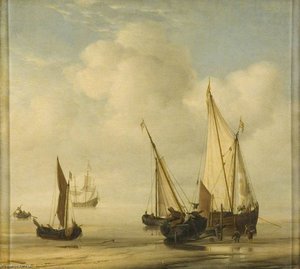
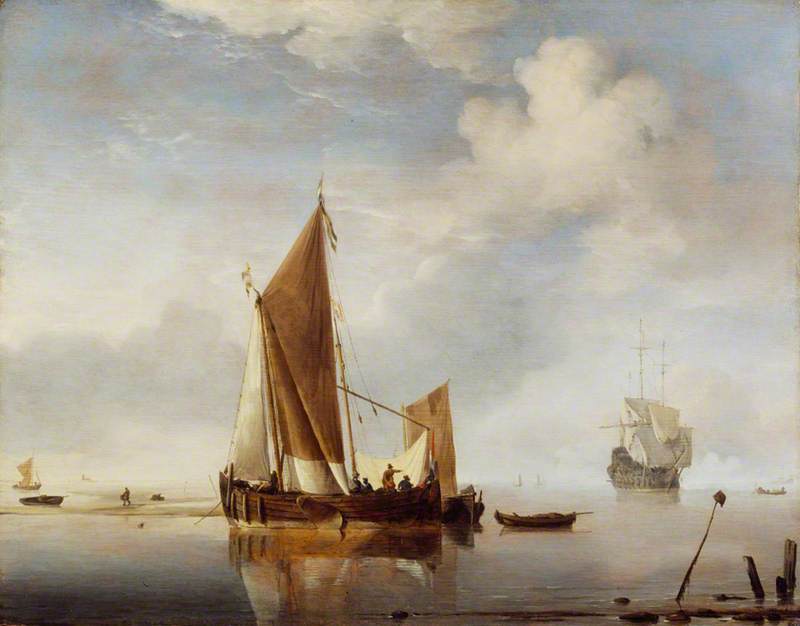
Calm A Fishing Boat at Anchor
 Acrylic On Canvas
- WallArt
- Golden Age Dutch
 1660
1660 38.0 x 49.0 cm
 Die Wallace Collection
 Weiterlesen
Handgefertigte Ölreproduktion
Handgemaltes Ölgemälde auf Leinwand in Ihrer Wunschgröße und mit Rahmen, auf Bestellung von unseren Künstlern angefertigt. ( Druck bestellen Bild kaufen)




P118B $10

P118H $10

P118W $10

P438Z $10

P508JH $12

P508YH $12

P805H $10

P805Z $10

P919BZ $10

P919G $10

P919XJ $10

P959ZH $10

P968JZ $12

W106C $8

W218G $10

W218JH $8

W218Y $10

W307PJ $10

W316G $10

W316PJ $8

W316Y $10

W398PJ $8

W4111J $10

W500HY $15

W500JH $15

W692G $12

W849H $8

W940BG $15

W953PJ $8




Wählen Sie aus unseren vordefinierten Formaten, die den ursprünglichen Proportionen des Kunstwerks entsprechen.

Sie können Ihre eigenen Maße eingeben, um einen bestimmten Rahmen oder Platz auszufüllen. Wenn die gewählte Größe nicht den Proportionen des Originalbildes entspricht, werden wir das Kunstwerk entweder beschneiden oder das Gemälde durch zusätzliche, handgemalte Elemente erweitern. Ein digitales Mockup wird Ihnen zur Genehmigung zugesandt, bevor die Produktion beginnt.
Bitte beachten Sie, dass die Bildschirmvorschau nicht die tatsächliche Beschneidung oder Erweiterung widerspiegelt. Nur das Mockup zeigt die endgültige Komposition exakt an.
Obwohl Sondermaße verfügbar sind, empfehlen wir, eine Größe aus der vordefinierten Liste zu wählen, um die ursprünglichen Proportionen beizubehalten.
Nach der Bestellung wird das ArtsDot.com-Team dem Kunden Anweisungen per E-Mail zusenden und eine Mockup-Vorschau bereitstellen.
Weltweiter Versand () in nur 3 bis 4 Wochen statt der üblichen 5 Wochen. (26 August). Keine Kompromisse bei der Qualität.

Kostenloser weltweiter Expressversand

Hochwertige Leinenleinwand

Umfassender Versicherungsschutz beim Versand

Zollgebühren-Rückerstattungsgarantie

Garantie für exakte Farbtreue

60 Tage Rückgaberecht (nur bei Mängeln)

100% Geld-zurück-Garantie

Mengenrabatt verfügbar
 Die Glasoption ist nur für Größen unter 110 cm verfügbar.

Calm A Fishing Boat at Anchor
Art der Reproduktion
Format der Reproduktion
-


Gesamtpreis
$ 263
Beschreibung des Kunstwerks
The Serene Majesty of Willem van de Velde’s “Calm A Fishing Boat at Anchor”
Willem van de Velde the Elder's "Calm A Fishing Boat at Anchor" isn't merely a depiction of a seascape; it’s a carefully constructed meditation on tranquility, observation, and the subtle beauty of the Dutch coastal landscape. Painted around 1660 during the height of the Dutch Golden Age, this work exemplifies the artist’s mastery of pen technique – a revolutionary approach that allowed him to achieve astonishing levels of detail while maintaining the durability of oil paint. The scene unfolds with an almost unnerving stillness; a single fishing boat, its white sail billowing gently against a backdrop of soft, diffused light and hazy clouds, dominates the canvas. It's a moment frozen in time, inviting the viewer into a contemplative space far removed from the bustle of daily life.
Van de Velde’s genius lies not just in his technical skill but also in his ability to imbue a seemingly simple subject with profound emotional resonance. The composition is meticulously balanced – the boat positioned slightly off-center, drawing the eye across the expanse of water and sky. The subtle variations in tone and texture create a remarkable sense of depth, mimicking the shimmering reflections on the surface of the sea and the soft gradations of the clouds. Notice how he uses delicate pen strokes to capture the movement of the sail, while simultaneously rendering the solidity of the boat’s hull with carefully layered paint.
The Pen Technique: A Revolutionary Approach
What truly distinguishes “Calm A Fishing Boat at Anchor” is Van de Velde's pioneering use of pen painting – *penschilderij*. Traditionally, artists relied on brushstrokes to create detail and texture. However, Van de Velde developed a method of applying ink directly onto panel or canvas using pens, creating incredibly fine lines that mimicked the look of detailed drawings. This technique allowed him to achieve an unprecedented level of precision and realism, particularly in depicting minute details like rigging, sails, and even the reflections on the water’s surface. It was a bold innovation that challenged conventional artistic practices and cemented Van de Velde's reputation as a groundbreaking artist.
The choice of pen technique also contributed to the painting’s overall atmosphere of stillness and observation. The precise, controlled lines evoke a sense of detachment – as if the artist is simply recording what he sees rather than imposing his own interpretation. This deliberate restraint enhances the feeling of serenity and invites the viewer to share in the quiet contemplation of the scene.
Historical Context: The Dutch Golden Age
To fully appreciate “Calm A Fishing Boat at Anchor,” it’s essential to understand the historical context in which it was created – the Dutch Golden Age (roughly 1600-1750). This period witnessed an unprecedented flourishing of art, science, and commerce in the Netherlands. The nation's wealth, largely derived from trade with Asia, fueled a remarkable cultural renaissance. Seascape painting, in particular, became immensely popular during this era, reflecting the Dutch Republic’s maritime dominance and its close ties to the sea.
Artists like Van de Velde were commissioned by wealthy merchants and aristocrats to depict scenes of naval battles, harbor views, and idyllic coastal landscapes. These paintings served not only as decorative objects but also as symbols of wealth, power, and national pride. “Calm A Fishing Boat at Anchor” embodies this spirit – a celebration of the beauty and tranquility of the Dutch coastline, rendered with exquisite detail and technical mastery.
Symbolism and Emotional Impact
Beyond its technical brilliance, "Calm A Fishing Boat at Anchor" is rich in symbolic meaning. The solitary fishing boat represents both vulnerability and resilience – a small vessel navigating the vastness of the sea. The calm waters suggest peace and stability, while the hazy clouds hint at the ever-present forces of nature. The painting’s overall effect is one of quiet contemplation and understated beauty. It invites us to slow down, appreciate the simple pleasures of life, and find solace in the natural world.
Reproductions of this masterpiece offer a remarkable opportunity to bring this serene scene into your home or office. The meticulous detail and evocative atmosphere will undoubtedly create a focal point that inspires tranquility and reflection – a timeless reminder of the beauty and power of the Dutch Golden Age.
Ähnliche Kunstwerke
Über den Künstler
Frühes Leben und Karriere
Willem van de Velde der Ältere, ein renommierter Seepainter des niederländischen Goldenen Zeitalters, wurde um 1611 in Leiden, Niederlande, geboren. Sein Vater, Willem Willemsz van de Velde, war ein flämischer Skipper, was wahrscheinlich sein Interesse an maritimer Kunst beeinflusste.Künstlerischer Stil und Technik
Van de Veldes Werk zeichnet sich durch Präzision und Detailgenauigkeit aus. Er begründete die Technik der Tuschmalerei (Penschilderij), bei der detaillierte, haltbare Kunstwerke mit Tinte auf Holzplatte oder Leinwand erstellt wurden. Dieser innovative Ansatz ermöglichte es seinen Werken, elaborierten Zeichnungen zu ähneln und gleichzeitig die Haltbarkeit einer Malerei beizubehalten.Bemerkenswerte Werke und Kooperationen
- Die Schlacht von Texel, 1687 (Öl auf Leinwand)
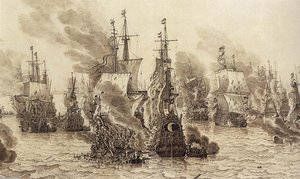
- Das Versinken der Royal James in der Schlacht von Solebay (Zeichnung)
- Kooperation mit Karl II. von England, bei der er Gemälde britischer Schiffe und Seeschlachten schuf.
Einflüsse, Entwicklung und Vermächtnis
Willem van de Velde der Ältere wurde stark von der maritimen Umgebung beeinflusst, die durch seinen Vater vermittelt wurde. Seine frühen Werke zeigen eine zunehmende Beherrschung der Darstellung von Schiffen und Meereslandschaften. Die Entwicklung seiner Tuschmaltechnik ermöglichte es ihm, außergewöhnliche Details und Texturen zu erzeugen, die in traditionellen Ölgemälden schwer darzustellen waren. Er beeinflusste nachfolgende Generationen niederländischer Seepainter und trug wesentlich zur Popularisierung maritimer Szenen in der Kunst bei. Sein Vermächtnis liegt in seiner Fähigkeit, historische Ereignisse und maritime Details mit außergewöhnlicher Präzision und künstlerischem Können festzuhalten.Sammlungen und Ausstellungen
* Das Mauritshuis, Niederlande (zeigt Gemälde des niederländischen Goldenen Zeitalters, darunter Werke von van de Velde) * Die Kremer-Sammlung, Den Haag, Niederlande (ein privates Kunstmuseum mit Schwerpunkt auf niederländischen und flämischen Gemälden des 17. Jahrhunderts)- Betrachten Sie Willem van de Velde des Älteren Kunstwerke auf ArtsDot.com
- Entdecken Sie weitere Künstler des niederländischen Goldenen Zeitalters, darunter Rembrandt van Rijn, auf der Künstlerseite von ArtsDot.com
- Entdecken Sie die Sammlung des Mauritshuiss, darunter Werke von Willem van de Velde des Älteren, auf der Museumsseite von ArtsDot.com
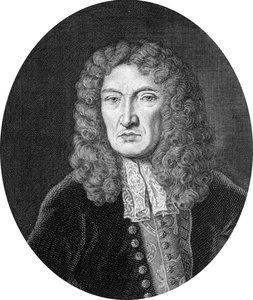
Willem van de Velde der Ältere
1611 - 1693 , Niederlande
Kurzinfos
- Bemerkenswerte Werke:
- Die Schlacht von Texel (1687)
- Das brennende Royal James
- Britische Schiffe und Seeschlachten
- Geburtsort: Leiden, Niederlande
- Künstlerische Richtung: Meeresmalerei, Goldenes Zeitalter
- Nationalität: Niederländisch
- Todestag: 1693
- Vollständiger Name: Willem van de Velde der Ältere
Ähnliche Artikel
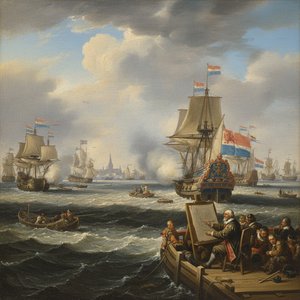
Willem van de Velde der Ältere: Meister der Seemalererei und Chronist des Niederländischen Goldenen Zeitalters
Entdecken Sie das Werk von Willem van de Velde der Ältere, dem Meister der Seemalerei des Niederländischen Goldenen Zeitalters. Erfahren Sie mehr über sein Leben, seine Techniken und seinen Einfluss auf die Kunstgeschichte – jetzt bei ArtsDot!

Goya: Die 25 Meisterwerke des spanischen Genies – Kunst für Ihr Zuhause | ArtsDot
Entdecken Sie die 25 Meisterwerke von Francisco Goya! Tauchen Sie ein in die düstere Romantik spanischer Malerei, Porträts & Historienbilder. Hochwertige Kunstdrucke auf ArtsDot.com – für Kunstliebhaber und stilvolles Wohnen.

Rembrandts Meisterwerke: Die Top 25 Kunstwerke für Ihr Zuhause | ArtsDot
Entdecken Sie Rembrandts 25 berühmteste Kunstwerke! Tauchen Sie ein in die Welt des Barock, Licht und Schatten & historischer Porträts. Hochwertige Reproduktionen für Ihr Zuhause – jetzt auf ArtsDot.com!
The Allure of the Horizon: A Comprehensive Exploration of Seascape Art Through History & Emotion
Explore the captivating world of seascape art! Discover its history, key artists & movements – from Dutch Masters to Impressionism. Expert insights for collectors and enthusiasts at ArtsDot.

Über uns
Entdecken Sie unsere Geschichte! Wir bringen Weltklasse-Kunst in Ihr Leben durch fachkundige Auswahl, individuelle Kreationen und kostenlose Vorschauen. Seit dem Jahr 2000 von Privatpersonen und Unternehmen geschätzt.