 Vorschau anzeigen
 Versenden
 Teilen
 Details anzeigen

 Herunterladen
 Ähnliche Objekte
 Röntgenaufnahme
 Diashow
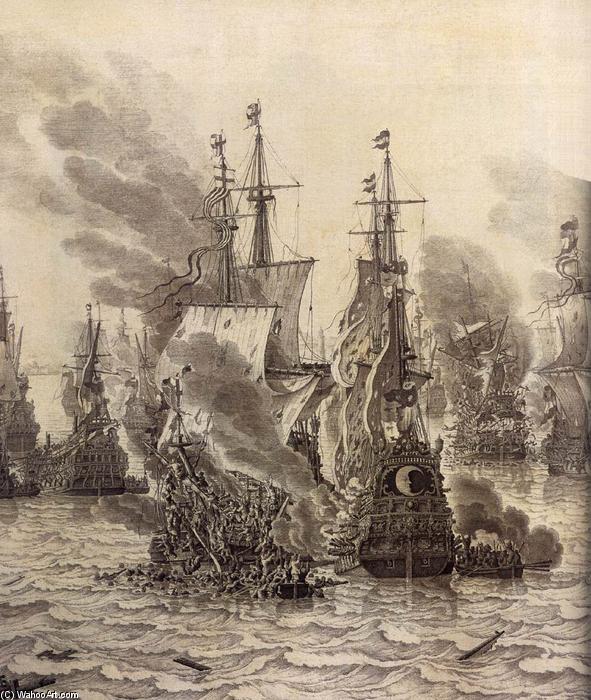
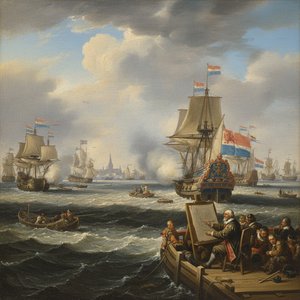
The Battle of Livorno (detail)


 Weiterlesen
Giclée / Kunstdruck
Giclée- oder Leinwanddruck in Museumsqualität mit schneller Produktion und flexiblen Veredelungsoptionen. ( Handgemalte Reproduktion bestellen Bild kaufen)




P118B $10

P118H $10

P118W $10

P438Z $10

P508JH $12

P508YH $12

P805H $10

P805Z $10

P919BZ $10

P919G $10

P919XJ $10

P959ZH $10

P968JZ $12

W106C $8

W218G $10

W218JH $8

W218Y $10

W307PJ $10

W316G $10

W316PJ $8

W316Y $10

W398PJ $8

W4111J $10

W500HY $15

W500JH $15

W692G $12

W849H $8

W940BG $15

W953PJ $8




Wählen Sie aus unseren vordefinierten Formaten, die den ursprünglichen Proportionen des Kunstwerks entsprechen.

Sie können Ihre eigenen Maße eingeben, um ein bestimmtes Format oder einen speziellen Platz einzupassen. Wenn das von Ihnen gewählte Format nicht den Proportionen des Originalbildes entspricht, werden wir das Kunstwerk entweder beschneiden oder das Bild mit einem gespiegelten oder einfarbigen Rand erweitern. Ein digitaler Entwurf wird Ihnen zur Genehmigung zugesandt, bevor die Produktion beginnt.
Bitte beachten Sie, dass die Vorschau auf dem Bildschirm nicht den tatsächlichen Zuschnitt oder die Erweiterung widerspiegelt. Nur der Entwurf zeigt die endgültige Komposition präzise an.
Obwohl Sondermaße verfügbar sind, empfehlen wir die Auswahl eines Maßes aus der vordefinierten Liste, um die ursprünglichen Proportionen zu bewahren.
Weltweiter Versand () innerhalb von 2 Wochen statt der üblichen 4/5 Wochen. (6 September)

Kostenloser weltweiter Expressversand

Hochwertige Leinenleinwand

Umfassender Versicherungsschutz beim Versand

Zollgebühren-Rückerstattungsgarantie

Garantie für exakte Farbtreue

100 Tage Rückgaberecht (nur bei Mängeln)

100% Geld-zurück-Garantie

Mengenrabatt verfügbar
 Die Glasoption ist nur für Größen unter 110 cm verfügbar.

The Battle of Livorno (detail)
Giclée / Kunstdruck
Format der Reproduktion
-


Gesamtpreis
$ 62
A Dramatic Depiction of Maritime Conflict
Willem van de Velde the Elder’s “The Battle of Livorno” (detail), a work meticulously rendered in black and white, offers a visceral glimpse into the chaotic drama of 17th-century naval warfare. Housed within the esteemed Rijksmuseum in Amsterdam, this painting transcends mere documentation; it's a powerful testament to the artist’s skill and his ability to capture both the brutal reality and the inherent grandeur of maritime combat. The scene unfolds with an almost frenetic energy – sinking ships spewing smoke, smaller vessels engaged in desperate rescue efforts, and figures caught in the maelstrom of battle. Van de Velde doesn't shy away from depicting the carnage; the damaged hulls, splintered wood, and billowing flames speak volumes about the ferocity of the engagement.

Pen Painting and the Pursuit of Realism
What distinguishes Van de Velde’s work is his pioneering use of “penschilderij,” a technique he largely developed himself. Rather than relying solely on oil paints, he employed meticulously crafted ink drawings on panel or canvas, creating an astonishing level of detail and durability. This method allowed him to achieve the appearance of intricate drawings while ensuring the artwork possessed the longevity typically associated with paintings. The artist’s mastery is evident in the incredibly fine lines that delineate the sails, masts, and rigging – each element rendered with painstaking precision. Cross-hatching techniques are skillfully deployed to convey the movement of water, creating a sense of depth and dynamism within the composition. The shading subtly suggests the texture of wood, metal, and fabric, further enhancing the realism of the scene.
Historical Context: Livorno and the Dutch Golden Age
“The Battle of Livorno” was painted in 1654, a period marked by intense rivalry between England and the Netherlands. The battle depicted took place at Livorno, a strategically important port city on the Tuscan coast. This conflict wasn’t merely about territorial control; it represented a clash of naval ideologies and economic interests. Van de Velde's commission to document this event reflects the Dutch Republic’s commitment to maintaining its maritime dominance. The painting is therefore not just a record of a specific battle, but also a symbol of Dutch power and strategic acumen during the Golden Age. The inclusion of various flags and banners—a visual shorthand for the different nations involved—adds another layer of historical significance.
Symbolism and Emotional Impact
Beyond its historical accuracy, “The Battle of Livorno” evokes a profound sense of drama and human vulnerability. The figures struggling to escape sinking ships represent the chaos and uncertainty inherent in war. The smoke rising from the damaged vessels creates an atmosphere of impending doom, while the dynamic poses of the sailors convey both courage and desperation. Van de Velde doesn’t glorify warfare; instead, he presents it as a brutal and unpredictable event with devastating consequences. The painting's stark monochrome palette further amplifies its emotional impact, forcing the viewer to confront the grim realities of naval combat without the distraction of color.
Bringing History Home: A ArtsDot Reproduction
ArtsDot offers high-quality reproductions of “The Battle of Livorno,” allowing you to bring this remarkable masterpiece into your home or office. Our hand-painted reproductions meticulously recreate Van de Velde’s intricate details and dramatic composition, ensuring that the artwork retains its original power and impact. Choose from a range of sizes to perfectly complement your space. Explore our options for custom sizing and discover how ArtsDot can transform this iconic work into a cherished addition to your collection.
Ähnliche Kunstwerke
Über den Künstler
Frühes Leben und Karriere
Willem van de Velde der Ältere, ein renommierter Seepainter des niederländischen Goldenen Zeitalters, wurde um 1611 in Leiden, Niederlande, geboren. Sein Vater, Willem Willemsz van de Velde, war ein flämischer Skipper, was wahrscheinlich sein Interesse an maritimer Kunst beeinflusste.Künstlerischer Stil und Technik
Van de Veldes Werk zeichnet sich durch Präzision und Detailgenauigkeit aus. Er begründete die Technik der Tuschmalerei (Penschilderij), bei der detaillierte, haltbare Kunstwerke mit Tinte auf Holzplatte oder Leinwand erstellt wurden. Dieser innovative Ansatz ermöglichte es seinen Werken, elaborierten Zeichnungen zu ähneln und gleichzeitig die Haltbarkeit einer Malerei beizubehalten.Bemerkenswerte Werke und Kooperationen
- Die Schlacht von Texel, 1687 (Öl auf Leinwand)
- Das Versinken der Royal James in der Schlacht von Solebay (Zeichnung)
- Kooperation mit Karl II. von England, bei der er Gemälde britischer Schiffe und Seeschlachten schuf.
Einflüsse, Entwicklung und Vermächtnis
Willem van de Velde der Ältere wurde stark von der maritimen Umgebung beeinflusst, die durch seinen Vater vermittelt wurde. Seine frühen Werke zeigen eine zunehmende Beherrschung der Darstellung von Schiffen und Meereslandschaften. Die Entwicklung seiner Tuschmaltechnik ermöglichte es ihm, außergewöhnliche Details und Texturen zu erzeugen, die in traditionellen Ölgemälden schwer darzustellen waren. Er beeinflusste nachfolgende Generationen niederländischer Seepainter und trug wesentlich zur Popularisierung maritimer Szenen in der Kunst bei. Sein Vermächtnis liegt in seiner Fähigkeit, historische Ereignisse und maritime Details mit außergewöhnlicher Präzision und künstlerischem Können festzuhalten.Sammlungen und Ausstellungen
* Das Mauritshuis, Niederlande (zeigt Gemälde des niederländischen Goldenen Zeitalters, darunter Werke von van de Velde) * Die Kremer-Sammlung, Den Haag, Niederlande (ein privates Kunstmuseum mit Schwerpunkt auf niederländischen und flämischen Gemälden des 17. Jahrhunderts)- Betrachten Sie Willem van de Velde des Älteren Kunstwerke auf ArtsDot.com
- Entdecken Sie weitere Künstler des niederländischen Goldenen Zeitalters, darunter Rembrandt van Rijn, auf der Künstlerseite von ArtsDot.com
- Entdecken Sie die Sammlung des Mauritshuiss, darunter Werke von Willem van de Velde des Älteren, auf der Museumsseite von ArtsDot.com

Willem van de Velde der Ältere
1611 - 1693 , Niederlande
Kurzinfos
- Bemerkenswerte Werke:
- Die Schlacht von Texel (1687)
- Das brennende Royal James
- Britische Schiffe und Seeschlachten
- Geburtsort: Leiden, Niederlande
- Künstlerische Richtung: Meeresmalerei, Goldenes Zeitalter
- Nationalität: Niederländisch
- Todestag: 1693
- Vollständiger Name: Willem van de Velde der Ältere
Ähnliche Artikel
Willem van de Velde der Ältere: Meister der Seemalererei und Chronist des Niederländischen Goldenen Zeitalters
Entdecken Sie das Werk von Willem van de Velde der Ältere, dem Meister der Seemalerei des Niederländischen Goldenen Zeitalters. Erfahren Sie mehr über sein Leben, seine Techniken und seinen Einfluss auf die Kunstgeschichte – jetzt bei ArtsDot!

Goya: Die 25 Meisterwerke des spanischen Genies – Kunst für Ihr Zuhause | ArtsDot
Entdecken Sie die 25 Meisterwerke von Francisco Goya! Tauchen Sie ein in die düstere Romantik spanischer Malerei, Porträts & Historienbilder. Hochwertige Kunstdrucke auf ArtsDot.com – für Kunstliebhaber und stilvolles Wohnen.

Rembrandts Meisterwerke: Die Top 25 Kunstwerke für Ihr Zuhause | ArtsDot
Entdecken Sie Rembrandts 25 berühmteste Kunstwerke! Tauchen Sie ein in die Welt des Barock, Licht und Schatten & historischer Porträts. Hochwertige Reproduktionen für Ihr Zuhause – jetzt auf ArtsDot.com!

Über uns
Entdecken Sie unsere Geschichte! Wir bringen Weltklasse-Kunst in Ihr Leben durch fachkundige Auswahl, individuelle Kreationen und kostenlose Vorschauen. Seit dem Jahr 2000 von Privatpersonen und Unternehmen geschätzt.
Theo van Doesburg: Pionier des De Stijl und die Evolution des Neo-Plastizismus
Entdecken Sie die faszinierende Welt des De Stijl! Erfahren Sie mehr über Theo van Doesburg, Piet Mondrian und die revolutionäre Ästhetik des Neo-Plastizismus. Expertenwissen & historische Einblicke.