 Vorschau anzeigen
 Versenden
 Teilen
 Details anzeigen

 Herunterladen
 Ähnliche Objekte
 Röntgenaufnahme
 Diashow
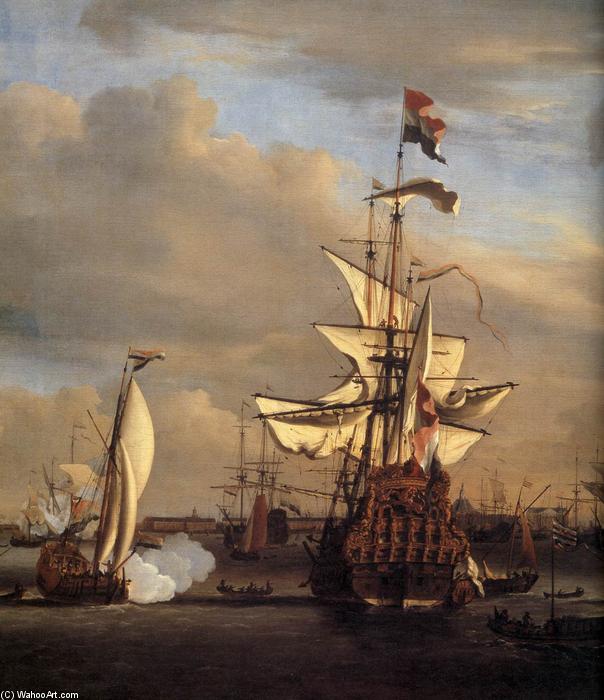
The ''Gouden Leeuw'' before Amsterdam (detail)


 Weiterlesen
Handgefertigte Ölreproduktion
Handgemaltes Ölgemälde auf Leinwand in Ihrer Wunschgröße und mit Rahmen, auf Bestellung von unseren Künstlern angefertigt. ( Druck bestellen Bild kaufen)




P118B $10

P118H $10

P118W $10

P438Z $10

P508JH $12

P508YH $12

P805H $10

P805Z $10

P919BZ $10

P919G $10

P919XJ $10

P959ZH $10

P968JZ $12

W106C $8

W218G $10

W218JH $8

W218Y $10

W307PJ $10

W316G $10

W316PJ $8

W316Y $10

W398PJ $8

W4111J $10

W500HY $15

W500JH $15

W692G $12

W849H $8

W940BG $15

W953PJ $8




Wählen Sie aus unseren vordefinierten Formaten, die den ursprünglichen Proportionen des Kunstwerks entsprechen.

Sie können Ihre eigenen Maße eingeben, um einen bestimmten Rahmen oder Platz auszufüllen. Wenn die gewählte Größe nicht den Proportionen des Originalbildes entspricht, werden wir das Kunstwerk entweder beschneiden oder das Gemälde durch zusätzliche, handgemalte Elemente erweitern. Ein digitales Mockup wird Ihnen zur Genehmigung zugesandt, bevor die Produktion beginnt.
Bitte beachten Sie, dass die Bildschirmvorschau nicht die tatsächliche Beschneidung oder Erweiterung widerspiegelt. Nur das Mockup zeigt die endgültige Komposition exakt an.
Obwohl Sondermaße verfügbar sind, empfehlen wir, eine Größe aus der vordefinierten Liste zu wählen, um die ursprünglichen Proportionen beizubehalten.
Nach der Bestellung wird das ArtsDot.com-Team dem Kunden Anweisungen per E-Mail zusenden und eine Mockup-Vorschau bereitstellen.
Weltweiter Versand () in nur 3 bis 4 Wochen statt der üblichen 5 Wochen. (26 August). Keine Kompromisse bei der Qualität.

Kostenloser weltweiter Expressversand

Hochwertige Leinenleinwand

Umfassender Versicherungsschutz beim Versand

Zollgebühren-Rückerstattungsgarantie

Garantie für exakte Farbtreue

60 Tage Rückgaberecht (nur bei Mängeln)

100% Geld-zurück-Garantie

Mengenrabatt verfügbar
 Die Glasoption ist nur für Größen unter 110 cm verfügbar.

The ''Gouden Leeuw'' before Amsterdam (detail)
Art der Reproduktion
Format der Reproduktion
-


Gesamtpreis
$ 263
Beschreibung des Kunstwerks
A Maritime Icon: Willem van de Velde the Elder’s “The Gouden Leeuw before Amsterdam”
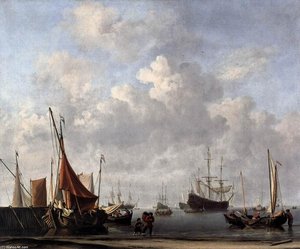
Willem van de Velde the Elder's "The Gouden Leeuw before Amsterdam (detail)" is more than just a seascape; it’s a meticulously rendered tableau of 17th-century maritime life, steeped in symbolism and reflecting the burgeoning power of Dutch trade. Painted in 1686, this remarkable work offers a captivating glimpse into a pivotal era – the height of the Dutch Golden Age – when Amsterdam reigned supreme as a global center for commerce and naval dominance. The painting’s subject is deceptively simple: a large sailing ship, identifiable as the “Gouden Leeuw” (Golden Lion), preparing to dock in what appears to be a bustling harbor. However, beneath this surface lies a complex narrative of wealth, ambition, and the relentless pursuit of maritime supremacy.
A Masterclass in Penschilderij
Van de Velde’s genius lies primarily in his pioneering technique of “penschilderij,” or pen painting. This innovative approach, developed by him and his son Willem van de Velde the Younger, involved creating incredibly detailed artworks using ink on panel or canvas. Unlike traditional oil painting, penschilderij produced a surface that resembled a meticulously crafted drawing – an effect achieved through layering countless thin lines of ink, each carefully controlled to build up texture and form. The result is a breathtaking level of realism and precision, capturing the subtle nuances of light, shadow, and movement with astonishing accuracy. Observe how the artist renders the rippling water, the billowing sails, and the intricate rigging – all achieved through this painstaking process. The detail extends to the figures on board, each rendered with individual character and purpose, contributing to a vibrant sense of activity.
Symbolism of Commerce and Power
The “Gouden Leeuw,” as the ship’s name suggests, represents the wealth and prestige of the Dutch Republic. During this period, the Netherlands was experiencing an unprecedented economic boom fueled by its dominance in international trade – particularly in spices, textiles, and other luxury goods. The ship itself is a potent symbol of this prosperity, embodying the nation's maritime power and influence. Note the numerous figures surrounding the vessel: sailors diligently working, merchants overseeing operations, and officials engaged in negotiations. These individuals represent the diverse elements that contributed to Amsterdam’s economic success – a testament to the interconnectedness of trade and society. The harbor itself, teeming with smaller ships, symbolizes the flow of goods and people connecting the Netherlands to the wider world.
Historical Context: A Nation Forged at Sea
To fully appreciate “The Gouden Leeuw,” it’s crucial to understand the historical context in which it was created. The late 17th century marked a period of intense rivalry between European powers, particularly England and the Netherlands, for control of trade routes and colonial possessions. Van de Velde's work reflects this competitive spirit, showcasing the Dutch Republic’s naval strength and its commitment to maintaining its position as a leading maritime power. The painting was likely commissioned by a wealthy merchant or official, perhaps as a celebration of successful voyages or as a symbol of his own prosperity. It is believed that Willem van de Velde the Elder created this piece for Charles II of England, who greatly admired his work and employed him to paint British ships.
Emotional Resonance: A Window into a Bygone Era
Beyond its technical brilliance and historical significance, “The Gouden Leeuw” possesses a powerful emotional resonance. The scene evokes a sense of bustling activity, vibrant energy, and the thrill of exploration. The light reflecting off the water, the movement of the sails, and the expressions on the faces of the figures all contribute to this immersive experience. It’s a painting that invites us to step back in time and imagine ourselves as witnesses to a pivotal moment in maritime history – a testament to human ingenuity, ambition, and the enduring allure of the sea. Reproductions of this work offer a remarkable opportunity to bring this captivating scene into any interior space, adding a touch of historical grandeur and artistic sophistication.
Ähnliche Kunstwerke
Über den Künstler
Frühes Leben und Karriere
Willem van de Velde der Ältere, ein renommierter Seepainter des niederländischen Goldenen Zeitalters, wurde um 1611 in Leiden, Niederlande, geboren. Sein Vater, Willem Willemsz van de Velde, war ein flämischer Skipper, was wahrscheinlich sein Interesse an maritimer Kunst beeinflusste.Künstlerischer Stil und Technik
Van de Veldes Werk zeichnet sich durch Präzision und Detailgenauigkeit aus. Er begründete die Technik der Tuschmalerei (Penschilderij), bei der detaillierte, haltbare Kunstwerke mit Tinte auf Holzplatte oder Leinwand erstellt wurden. Dieser innovative Ansatz ermöglichte es seinen Werken, elaborierten Zeichnungen zu ähneln und gleichzeitig die Haltbarkeit einer Malerei beizubehalten.Bemerkenswerte Werke und Kooperationen
- Die Schlacht von Texel, 1687 (Öl auf Leinwand)
- Das Versinken der Royal James in der Schlacht von Solebay (Zeichnung)
- Kooperation mit Karl II. von England, bei der er Gemälde britischer Schiffe und Seeschlachten schuf.
Einflüsse, Entwicklung und Vermächtnis
Willem van de Velde der Ältere wurde stark von der maritimen Umgebung beeinflusst, die durch seinen Vater vermittelt wurde. Seine frühen Werke zeigen eine zunehmende Beherrschung der Darstellung von Schiffen und Meereslandschaften. Die Entwicklung seiner Tuschmaltechnik ermöglichte es ihm, außergewöhnliche Details und Texturen zu erzeugen, die in traditionellen Ölgemälden schwer darzustellen waren. Er beeinflusste nachfolgende Generationen niederländischer Seepainter und trug wesentlich zur Popularisierung maritimer Szenen in der Kunst bei. Sein Vermächtnis liegt in seiner Fähigkeit, historische Ereignisse und maritime Details mit außergewöhnlicher Präzision und künstlerischem Können festzuhalten.Sammlungen und Ausstellungen
* Das Mauritshuis, Niederlande (zeigt Gemälde des niederländischen Goldenen Zeitalters, darunter Werke von van de Velde) * Die Kremer-Sammlung, Den Haag, Niederlande (ein privates Kunstmuseum mit Schwerpunkt auf niederländischen und flämischen Gemälden des 17. Jahrhunderts)- Betrachten Sie Willem van de Velde des Älteren Kunstwerke auf ArtsDot.com
- Entdecken Sie weitere Künstler des niederländischen Goldenen Zeitalters, darunter Rembrandt van Rijn, auf der Künstlerseite von ArtsDot.com
- Entdecken Sie die Sammlung des Mauritshuiss, darunter Werke von Willem van de Velde des Älteren, auf der Museumsseite von ArtsDot.com
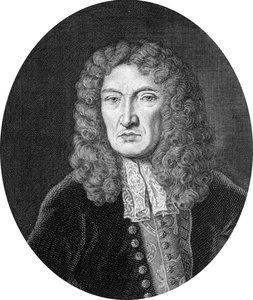
Willem van de Velde der Ältere
1611 - 1693 , Niederlande
Kurzinfos
- Bemerkenswerte Werke:
- Die Schlacht von Texel (1687)
- Das brennende Royal James
- Britische Schiffe und Seeschlachten
- Geburtsort: Leiden, Niederlande
- Künstlerische Richtung: Meeresmalerei, Goldenes Zeitalter
- Nationalität: Niederländisch
- Todestag: 1693
- Vollständiger Name: Willem van de Velde der Ältere
Ähnliche Artikel
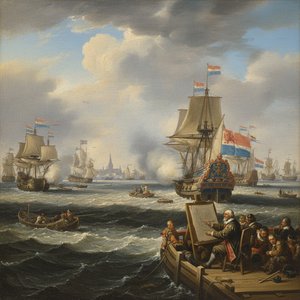
Willem van de Velde der Ältere: Meister der Seemalererei und Chronist des Niederländischen Goldenen Zeitalters
Entdecken Sie das Werk von Willem van de Velde der Ältere, dem Meister der Seemalerei des Niederländischen Goldenen Zeitalters. Erfahren Sie mehr über sein Leben, seine Techniken und seinen Einfluss auf die Kunstgeschichte – jetzt bei ArtsDot!

Die 10 Meisterwerke des Goldenen Zeitalters der niederländischen Malerei |
Entdecken Sie die 10 Meisterwerke des Niederländischen Goldenen Zeitalters! Von Rembrandt bis Vermeer – erleben Sie Kunstgeschichte, Techniken & Emotionen. Hochwertige Gemäldereproduktionen für Ihr Zuhause auf .

Rembrandts Meisterwerke: Die Top 25 Kunstwerke für Ihr Zuhause | ArtsDot
Entdecken Sie Rembrandts 25 berühmteste Kunstwerke! Tauchen Sie ein in die Welt des Barock, Licht und Schatten & historischer Porträts. Hochwertige Reproduktionen für Ihr Zuhause – jetzt auf ArtsDot.com!

Golden Age Reflections: Dutch Baroque Painting & Cultural Innovation
Explore the Dutch Golden Age of painting! Discover key artists like Vermeer & ter Borch, their innovative techniques, and the rich cultural context behind these Baroque masterpieces. Learn about collecting & appreciating this iconic art period.
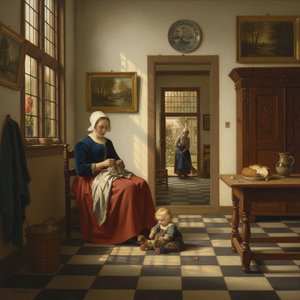
Pieter de Hooch: Meister der Stille und des holländischen Lebens im Goldenen Zeitalter
Entdecken Sie das Werk von Pieter de Hooch, Meister des holländischen Goldenen Zeitalters! Analysen, Hintergrundinformationen und hochwertige Reproduktionen seiner berühmten Genremalerei finden Sie bei ArtsDot.