 Vorschau anzeigen
 Versenden
 Teilen
 Details anzeigen

 Herunterladen
 Ähnliche Objekte
 Röntgenaufnahme
 Diashow
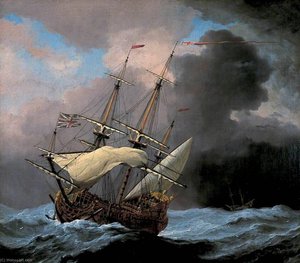
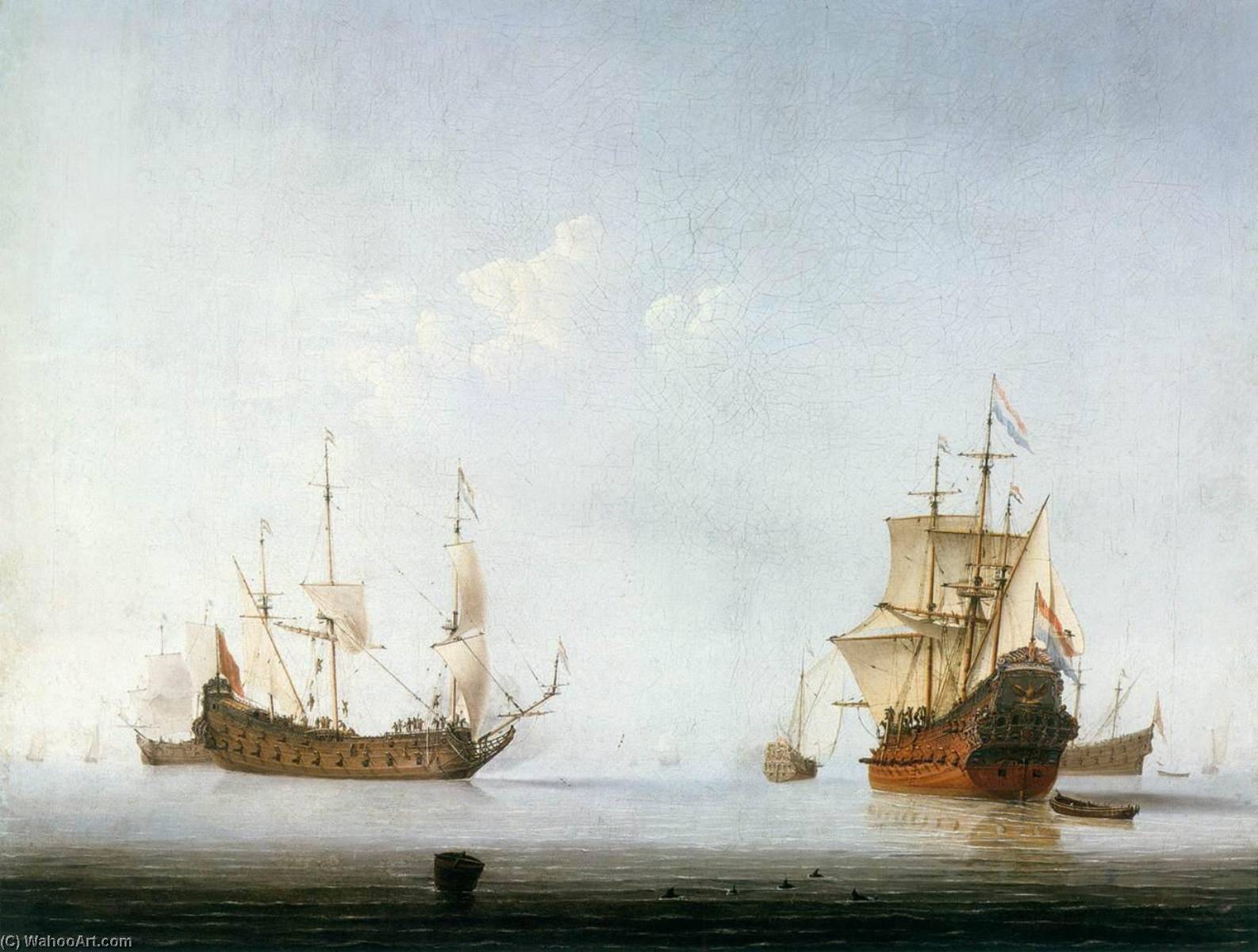
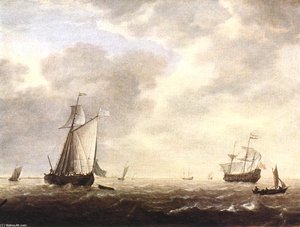
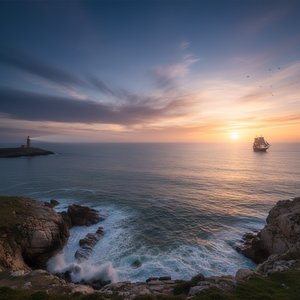
Calm Sea
 Acrylic On Canvas
- WallArt
- Impressionistic Landscape
 516.0 x 565.0 cm
 Alte Pinakothek
 Weiterlesen
Handgefertigte Ölreproduktion
Handgemaltes Ölgemälde auf Leinwand in Ihrer Wunschgröße und mit Rahmen, auf Bestellung von unseren Künstlern angefertigt. ( Druck bestellen Bild kaufen)




P118B $10

P118H $10

P118W $10

P438Z $10

P508JH $12

P508YH $12

P805H $10

P805Z $10

P919BZ $10

P919G $10

P919XJ $10

P959ZH $10

P968JZ $12

W106C $8

W218G $10

W218JH $8

W218Y $10

W307PJ $10

W316G $10

W316PJ $8

W316Y $10

W398PJ $8

W4111J $10

W500HY $15

W500JH $15

W692G $12

W849H $8

W940BG $15

W953PJ $8




Wählen Sie aus unseren vordefinierten Formaten, die den ursprünglichen Proportionen des Kunstwerks entsprechen.

Sie können Ihre eigenen Maße eingeben, um einen bestimmten Rahmen oder Platz auszufüllen. Wenn die gewählte Größe nicht den Proportionen des Originalbildes entspricht, werden wir das Kunstwerk entweder beschneiden oder das Gemälde durch zusätzliche, handgemalte Elemente erweitern. Ein digitales Mockup wird Ihnen zur Genehmigung zugesandt, bevor die Produktion beginnt.
Bitte beachten Sie, dass die Bildschirmvorschau nicht die tatsächliche Beschneidung oder Erweiterung widerspiegelt. Nur das Mockup zeigt die endgültige Komposition exakt an.
Obwohl Sondermaße verfügbar sind, empfehlen wir, eine Größe aus der vordefinierten Liste zu wählen, um die ursprünglichen Proportionen beizubehalten.
Nach der Bestellung wird das ArtsDot.com-Team dem Kunden Anweisungen per E-Mail zusenden und eine Mockup-Vorschau bereitstellen.
Weltweiter Versand () in nur 3 bis 4 Wochen statt der üblichen 5 Wochen. (24 August). Keine Kompromisse bei der Qualität.

Kostenloser weltweiter Expressversand

Hochwertige Leinenleinwand

Umfassender Versicherungsschutz beim Versand

Zollgebühren-Rückerstattungsgarantie

Garantie für exakte Farbtreue

60 Tage Rückgaberecht (nur bei Mängeln)

100% Geld-zurück-Garantie

Mengenrabatt verfügbar
 Die Glasoption ist nur für Größen unter 110 cm verfügbar.

Calm Sea
Art der Reproduktion
Format der Reproduktion
-


Gesamtpreis
$ 263
Beschreibung des Kunstwerks
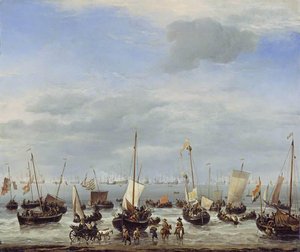
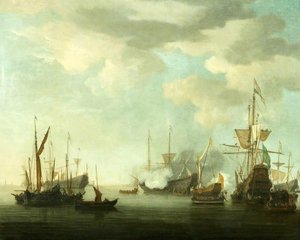
Willem van de Velde the Younger: Capturing Calm Amidst Turbulent Seas
Willem van de Velde the Younger (1633-1707) stands as a pivotal figure in Dutch maritime painting, embodying the spirit of his era and establishing himself as one of Rembrandt’s successors. Born into a family steeped in artistic tradition—his father, Willem van de Velde the Elder, was already a celebrated master of seascapes—Willem inherited not only technical skill but also an unwavering dedication to portraying the grandeur and drama of naval warfare alongside serene depictions of coastal vistas.
His distinctive style is characterized by meticulous detail and a remarkable ability to convey atmosphere. Unlike many contemporaries who favored grand, theatrical compositions, Van de Velde excelled at capturing subtle nuances—the shifting light on water, the delicate rigging of ships, the expressions of sailors—creating images that resonate with realism and immediacy. He achieved this through masterful use of oil paint, applying thin glazes over underlayers to build up color gradually and achieve luminous effects. This technique allowed him to render textures convincingly, from the rough surface of weathered timbers to the glistening spray of waves.
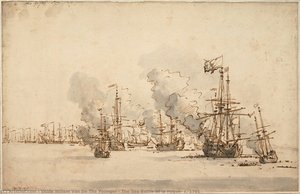
- Notable Works: Among his most iconic paintings are “Dutch Men o’ War and Other Shipping in a Calm,” showcasing a meticulously rendered fleet battling amidst turbulent seas—a testament to Van de Velde's understanding of naval strategy and visual storytelling. Equally impressive is “The Sea Battle at La Hogue,” commemorating the decisive victory against Louis XIV’s forces, demonstrating his ability to convey the intensity of combat while maintaining compositional balance.
- Influence: Van de Velde’s influence extended beyond his own artistic output; he mentored younger painters and disseminated his techniques throughout the Netherlands, shaping the trajectory of maritime art for decades to come.
- Commissioned by Royalty: His patronage by Charles II of England—who commissioned numerous paintings depicting naval engagements—further cemented his reputation as a court artist and ensured that his works would be admired across Europe.
A Symphony of Light and Texture: Analyzing Van de Velde’s Technique
What distinguishes Van de Velde's oeuvre is not merely the subject matter but also his unparalleled command of artistic technique. He meticulously studied the effects of light on water, painstakingly recreating reflections and refractions with astonishing accuracy. This dedication to realism extended beyond visual representation; he sought to evoke a palpable sense of movement and dynamism—the surge of waves, the sway of ships—capturing the very essence of maritime experience.
His use of glazing—applying thin layers of translucent paint over underlying colors—was particularly innovative. This method allowed him to achieve subtle tonal variations and create depth without resorting to heavy brushstrokes. By layering glazes upon glazes, Van de Velde achieved remarkable luminosity and vibrancy, imbuing his paintings with an ethereal quality that continues to captivate viewers today.
Historical Context: The Dutch Golden Age and Naval Power
Van de Velde’s artistic endeavors unfolded during the Dutch Golden Age (roughly 1650-1702), a period of unprecedented prosperity and cultural flourishing in the Netherlands. This era witnessed a surge in maritime trade and naval expansion, fueled by colonial ambitions and rivalries with European powers like England and Spain.
Consequently, Van de Velde’s paintings served as visual chronicles of these turbulent times—depicting naval battles, commemorating victories, and celebrating the achievements of Dutch sailors. However, he wasn't solely focused on warfare; his serene seascapes conveyed a profound appreciation for the beauty of nature and offered solace amidst the anxieties of an era marked by political instability.
Symbolism Beyond Representation: Emotion and Atmosphere
Beyond mere visual accuracy, Van de Velde’s paintings resonate with emotional depth. The artist skillfully employed compositional devices—such as diagonal lines and asymmetrical arrangements—to heighten tension and convey a sense of drama in battle scenes. Simultaneously, he infused his calmer compositions with an atmosphere of tranquility and contemplation.
The muted palette—dominated by blues, greens, and browns—reinforced the mood of serenity while subtly hinting at the underlying forces shaping the maritime world. Through meticulous observation and artistic intuition, Van de Velde transformed landscapes into expressions of feeling—a legacy that continues to inspire artists and collectors alike.
Conclusion: An Enduring Masterpiece
Willem van de Velde the Younger’s paintings represent more than just skillful depictions of naval vessels; they embody a profound understanding of human experience and an unwavering commitment to artistic excellence. His legacy endures not only in his celebrated artworks but also in his influence on subsequent generations of painters—a testament to his enduring contribution to the history of art.
Ähnliche Kunstwerke


Über den Künstler
Das Leben und Wirken von Willem van de Velde dem Jüngeren
Willem van de Velde der Jüngere, geboren 1633 in Leiden, Niederlande, war ein bedeutender niederländischer Marine- und Kriegsschifffahrersmaler. Als Sohn von Willem van de Velde dem Älteren, ebenfalls ein Seemaler, erhielt er seine erste künstlerische Ausbildung von seinem Vater und später von Simon de Vlieger, einem angesehenen Marine-Maler seiner Zeit.
Künstlerischer Stil und Bekannte Werke
Van de Veldes Stil zeichnet sich durch eine feine, lebendige und detaillierte Ausführung aus. Seine Darstellungen der Schiffe sind präzise und die Segelkonstruktionen korrekt wiedergegeben. Er fügte seinen Gemälden oft zahlreiche Figuren hinzu, um Geschichten zu erzählen oder das maritime Leben darzustellen. Zu seinen bekanntesten Werken zählen:
- Niederländische Kriegsschiffe und andere Schiffe in ruhigem Wasser (verfügbar auf ArtsDot)
- Die Seeschlacht bei La Hogue, um 1701 (Albertina, Wien, Österreich) (siehe auf ArtsDot)
- Ruhige See – zwei niederländische Schiffe (siehe auf ArtsDot)
- Drei Schiffe in einem Sturm (siehe auf ArtsDot)
- Niederländische Schiffe in ruhigem Wasser (siehe auf ArtsDot)
Entwicklung und Einfluss
Van de Velde begann seine Karriere mit der Darstellung von Schiffen in ruhigen Gewässern, beeinflusst durch die Tradition seines Vaters. Nach dem Umzug nach England im Jahr 1672 veränderte sich sein Stil allmählich hin zu dynamischeren Darstellungen von Seeschlachten und königlichen Schiffen. Er wurde zum offiziellen Marine-Maler des englischen Königshauses, was ihm die Möglichkeit gab, historische Ereignisse direkt mitzuerleben und detailliert festzuhalten.
Sein Einfluss auf die Entwicklung der Meeresmalerei in England im 18. Jahrhundert ist unbestreitbar. Er inspirierte Generationen von Künstlern, darunter auch J.M.W. Turner, und trug dazu bei, das Genre des Seegemäldes zu prägen.
Bedeutung und Vermächtnis
Willem van de Velde der Jüngere gilt als einer der bedeutendsten niederländischen Marine-Maler des Goldenen Zeitalters. Seine Gemälde sind nicht nur beeindruckende Darstellungen von Schiffen und Seeschlachten, sondern auch wertvolle historische Dokumente, die Einblicke in das maritime Leben und die Kriegsführung des 17. und frühen 18. Jahrhunderts geben.
Seine Werke befinden sich heute in zahlreichen Museen und Sammlungen weltweit, darunter das Mauritshuis in Den Haag und die Wallace Collection in London. Sein Vermächtnis als Meister der Seegemälde lebt fort und inspiriert weiterhin Kunstliebhaber und Künstler gleichermaßen.
Wichtige Daten:
- Geboren: 1633, Leiden, Niederlande
- Gestorben: 6. April 1707, London, England
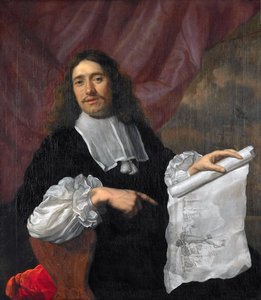
Willem van de Velde der Jüngere
1633 - 1707 , Niederlande
Kurzinfos
- Bemerkenswerte Werke:
- Dutch Men o’ War in a Calm
- The Sea Battle at La Hogue
- Calm - Two Dutch Vessels
- Three Ships in a Gale
- Dutch Ships in a Calm
- Geburtsdatum: 1633
- Geburtsort (Stadt, Land): Leiden, Niederlande
- Künstler, Die Diesen Künstler Beeinflussten: ['Simon de Vlieger']
- Künstlerische Bewegung/Stil: Marine- und Seepainter
- Nationalität: Niederländisch
- Sterbedatum: 1707
- Vollständiger Name: Willem van de Velde II
Ähnliche Artikel
Willem van de Velde der Ältere: Meister der Seemalererei und Chronist des Niederländischen Goldenen Zeitalters
Entdecken Sie das Werk von Willem van de Velde der Ältere, dem Meister der Seemalerei des Niederländischen Goldenen Zeitalters. Erfahren Sie mehr über sein Leben, seine Techniken und seinen Einfluss auf die Kunstgeschichte – jetzt bei ArtsDot!

Rembrandts Meisterwerke: Die Top 25 Kunstwerke für Ihr Zuhause | ArtsDot
Entdecken Sie Rembrandts 25 berühmteste Kunstwerke! Tauchen Sie ein in die Welt des Barock, Licht und Schatten & historischer Porträts. Hochwertige Reproduktionen für Ihr Zuhause – jetzt auf ArtsDot.com!

Goya: Die 25 Meisterwerke des spanischen Genies – Kunst für Ihr Zuhause | ArtsDot
Entdecken Sie die 25 Meisterwerke von Francisco Goya! Tauchen Sie ein in die düstere Romantik spanischer Malerei, Porträts & Historienbilder. Hochwertige Kunstdrucke auf ArtsDot.com – für Kunstliebhaber und stilvolles Wohnen.
Ludolf Backhuysen I: Master of Dutch Marine Painting & Atmospheric Realism
Explore the captivating world of Ludolf Backhuysen I, a master of Dutch marine painting. Discover his signature realism, atmospheric seascapes & lasting influence on art history. Learn about collecting and appreciating this Golden Age artist.
The Allure of the Horizon: A Comprehensive Exploration of Seascape Art Through History & Emotion
Explore the captivating world of seascape art! Discover its history, key artists & movements – from Dutch Masters to Impressionism. Expert insights for collectors and enthusiasts at ArtsDot.