


 In echtem Maßstab anzeigen
 Versenden als Grußkarte
 Teilen
 Details anzeigen

 Herunterladen
 Ähnliche Objekte
 Röntgenaufnahme
 Diashow
 Besucherstatistiken
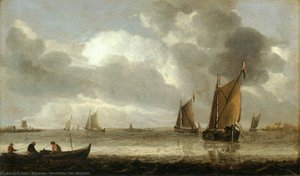
Seascape off Scheveningen Beach, Willem van Diest, c. 1629
 1629
1629 37.0 x 73.0 cm
 Mehr anzeigen
Erwerben Sie ein hochauflösendes, optimiertes digitales Bild, das der Online-Vorschau weit überlegen ist.
Jede Datei wird von unseren hauseigenen Spezialisten mit modernsten Werkzeugen und fachmännischer manueller Retusche sorgfältig vorbereitet. Wir stellen sicher, dass jedes Bild eine außergewöhnliche Klarheit, präzise Farbgenauigkeit und feinste Details aufweist.
Die endgültige Datei wird innerhalb von 72 Stunden per E-Mail zugestellt und ist für den sofortigen Einsatz in professionellen, redaktionellen und Druckumgebungen optimiert. Es handelt sich um dieselbe Qualität, der führende Designstudios, Verlage und Galerien vertrauen.
Digitales Bild
Laden Sie eine hochauflösende Datei für die persönliche Präsentation, den Druck und kreative Projekte herunter. ( Zum Druck wechseln Handgemalte Reproduktion kaufen)
In jeder Bestellung digitaler Bilder enthalten
Professionelle digitale Bereitstellung, garantiert
Wenn Sie sich für ArtsDot.com entscheiden, erhalten Sie nicht nur ein Bild – Sie erhalten ein professionell aufbereitetes digitales Kunstwerk, das mit höchster Präzision erstellt und durch eine Zufriedenheitsgarantie abgesichert wird. Hier ist alles, was automatisch mit Ihrer Bestellung geliefert wird:

Schnelle E-Mail-Zustellung
Ihre hochauflösende digitale Bilddatei wird Ihnen innerhalb von 72 Stunden nach der Bestellung per E-Mail zugestellt – bereit zur sofortigen Verwendung.

KI-optimierte digitale Datei
Ihre Kunstwerke werden professionell mithilfe fortschrittlicher KI-Tools und manueller Bearbeitung optimiert, um maximale Detailtreue, Klarheit und Farbgenauigkeit zu gewährleisten.

Kostenloser lebenslanger Neudruckservice
Datei versehentlich gelöscht oder verloren? Keine Sorge – wir senden sie Ihnen jederzeit kostenlos erneut zu.

Keine Einfuhrgebühren – jemals
Genießen Sie Ihr Kunstwerk sofort ohne Zollgebühren, Einfuhrabgaben oder Versandkosten – digitale Downloads sind immer steuerfrei.

Garantierte Farbtreue
Wir garantieren, dass Ihr digitales Bild mithilfe professioneller Werkzeuge und Farbmanagement die Originalfarben so präzise wie möglich wiedergibt.

100-Tage-Zufriedenheitsgarantie
Sollten Sie mit Ihrem digitalen Bild nicht zufrieden sein, werden wir es überarbeiten oder 100% innerhalb von 100 Tagen erstatten – ohne Wenn und Aber.

100% Geld-zurück-Garantie
Nicht zufrieden? Erhalten Sie innerhalb von 100 Tagen nach Erhalt Ihrer digitalen Datei eine vollständige Rückerstattung – ohne Wenn und Aber.

Rabatte bei Großbestellungen
3 Bilder kaufen, 10% sparen – 5 Bilder kaufen, 15% sparen – Ab 10 Bildern 20% sparen. Ideal für kreative Projekte, Galerien und Agenturen.
Ähnliche Kunstwerke









Künstlerbiografie
Willem Hermansz van Diest: Master of Dramatic Stormy Seascapes
Willem Hermansz van Diest (c.1600, the Hague – c.1678, the hague) stands as a pivotal figure in Dutch Golden Age art, renowned primarily for his breathtaking depictions of turbulent seas and tempestuous skies—a genre that cemented his reputation as one of the foremost seascape painters of his era. Born into a family steeped in artistic tradition, Van Diest’s formative years were marked by exposure to influential artists like Jan van Goyen and Simon de Vlieger, fostering an early appreciation for capturing the raw power of nature through meticulous observation and masterful technique. This dedication would ultimately define his artistic legacy.- Early Life & Training: Little is known definitively about Van Diest’s upbringing beyond familial connections to artists. However, evidence suggests he received a robust grounding in disegno—the Italian tradition of drawing—likely influencing his meticulous attention to detail and compositional balance. His formative years coincided with the burgeoning artistic fervor of Amsterdam during the Golden Age, providing him with an environment ripe for innovation and stylistic development.
- Style & Technique: Van Diest’s distinctive style is characterized by a dramatic chiaroscuro—the skillful manipulation of light and shadow—that imbues his canvases with palpable emotion. He eschewed idealized landscapes in favor of portraying realistic storms at sea, capturing the churning waves, billowing clouds, and flashes of lightning with astonishing accuracy. His brushstrokes are deliberate and expressive, conveying movement and dynamism while simultaneously emphasizing textural richness.
Notable Works & Artistic Influences
Van Diest’s oeuvre comprises numerous impressive seascapes that exemplify the stylistic conventions of his time. Among his most celebrated paintings is “Sea Battle,” a monumental composition showcasing a dramatic confrontation between a ship and a raging storm—a scene imbued with palpable tension and rendered with breathtaking realism. His meticulous attention to detail extends beyond mere visual representation; he meticulously depicted rigging, sails, and even spray patterns, demonstrating an unparalleled understanding of maritime conditions. Furthermore, Van Diest’s work bears the unmistakable imprint of Jan van Goyen, whose influence can be discerned in his compositional choices and use of atmospheric perspective.- “Ships off the Dutch Coast” – This artwork exemplifies Van Diest's masterful depiction of maritime storms. The artist skillfully captures the turbulent sea conditions and dramatic sky lighting, creating a visually arresting scene that reflects the grandeur of nature.
- “Seascape off Scheveningen Beach” – Considered one of Van Diest’s finest achievements, this painting showcases his exceptional ability to convey mood and atmosphere. The artist's use of color and brushwork contributes to the overall impression of a powerful storm at sea.
Legacy & Historical Significance
Willem Hermansz van Diest’s contribution to Dutch art history transcends mere stylistic innovation; he established himself as a champion of realism—a reaction against Mannerist tendencies that prioritized decorative elegance over truthful representation. His seascapes served not only as aesthetically pleasing artworks but also as powerful expressions of the human condition confronting the forces of nature. He was instrumental in establishing the confrerie pictura, furthering artistic collaboration and innovation within Amsterdam’s art community. Today, his paintings reside in prestigious institutions like The Walters Art Museum, ensuring that his dramatic visions continue to inspire admiration and scholarly study—a testament to his enduring influence on subsequent generations of artists.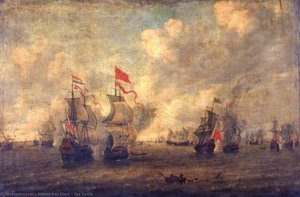
Kurzprofil
- Artistic Movement Or Style: golden age seascape painting
- Artists Or Movements Influenced By This Artist: ['simon de vlieger']
- Artists Who Influenced This Artist: ['jan van goyen']
- Date Of Birth: c.1600
- Date Of Death: c.1678
- Full Name: willem hermansz. van diest
- Nationality: dutch
- Notable Artworks:
- Sea Battle
- Ships off the Dutch Coast
- Seascape off Scheveningen Beach
- Place Of Birth: the hague, netherlands