


 In echtem Maßstab anzeigen
 Versenden als Grußkarte
 Teilen
 Details anzeigen

 Herunterladen
 Ähnliche Objekte
 Röntgenaufnahme
 Diashow
 Besucherstatistiken
The Battle of Leghorn, 4 March 1653
 69.0 x 79.0 cm
 Mehr anzeigen
Handgefertigte Ölreproduktion
Handgemaltes Ölgemälde auf Leinwand in Ihrer Wunschgröße und mit Rahmen, auf Bestellung von unseren Künstlern angefertigt. ( Zum Druck wechseln Zum digitalen Bild wechseln)
































Wählen Sie aus unseren vordefinierten Formaten, die den ursprünglichen Proportionen des Kunstwerks entsprechen.

Sie können Ihre eigenen Maße eingeben, um einen bestimmten Rahmen oder Platz auszufüllen. Wenn die gewählte Größe nicht den Proportionen des Originalbildes entspricht, werden wir das Kunstwerk entweder beschneiden oder das Gemälde durch zusätzliche, handgemalte Elemente erweitern. Ein digitales Mockup wird Ihnen zur Genehmigung zugesandt, bevor die Produktion beginnt.
Bitte beachten Sie, dass die Bildschirmvorschau nicht die tatsächliche Beschneidung oder Erweiterung widerspiegelt. Nur das Mockup zeigt die endgültige Komposition exakt an.
Obwohl Sondermaße verfügbar sind, empfehlen wir, eine Größe aus der vordefinierten Liste zu wählen, um die ursprünglichen Proportionen beizubehalten.
Nach der Bestellung wird das ArtsDot.com-Team dem Kunden Anweisungen per E-Mail zusenden und eine Mockup-Vorschau bereitstellen.
Weltweiter Versand () in nur 3 bis 4 Wochen statt der üblichen 5 Wochen. (16 September). Keine Kompromisse bei der Qualität.

Kostenloser weltweiter Expressversand

Hochwertige Leinenleinwand

Vollständiger Versicherungsschutz beim Versand

Zollgebühren-Rückerstattungsgarantie

Garantie für exakte Farbtreue

100-tägiges Rückgaberecht (nur bei Mängeln)

100% Geld-zurück-Garantie

Angebot für Mengenrabatt
 Die Glasoption ist nur für Größen unter 110 cm verfügbar.

The Battle of Leghorn, 4 March 1653
Reproduktionsmedium
Format der Reproduktion
-


Gesamtpreis
$ 263
Ähnliche Kunstwerke









Biografie des Künstlers
Willem Hermansz van Diest: Master of Dramatic Stormy Seascapes
Willem Hermansz van Diest (c.1600, the Hague – c.1678, the hague) stands as a pivotal figure in Dutch Golden Age art, renowned primarily for his breathtaking depictions of turbulent seas and tempestuous skies—a genre that cemented his reputation as one of the foremost seascape painters of his era. Born into a family steeped in artistic tradition, Van Diest’s formative years were marked by exposure to influential artists like Jan van Goyen and Simon de Vlieger, fostering an early appreciation for capturing the raw power of nature through meticulous observation and masterful technique. This dedication would ultimately define his artistic legacy.- Early Life & Training: Little is known definitively about Van Diest’s upbringing beyond familial connections to artists. However, evidence suggests he received a robust grounding in disegno—the Italian tradition of drawing—likely influencing his meticulous attention to detail and compositional balance. His formative years coincided with the burgeoning artistic fervor of Amsterdam during the Golden Age, providing him with an environment ripe for innovation and stylistic development.
- Style & Technique: Van Diest’s distinctive style is characterized by a dramatic chiaroscuro—the skillful manipulation of light and shadow—that imbues his canvases with palpable emotion. He eschewed idealized landscapes in favor of portraying realistic storms at sea, capturing the churning waves, billowing clouds, and flashes of lightning with astonishing accuracy. His brushstrokes are deliberate and expressive, conveying movement and dynamism while simultaneously emphasizing textural richness.
Notable Works & Artistic Influences
Van Diest’s oeuvre comprises numerous impressive seascapes that exemplify the stylistic conventions of his time. Among his most celebrated paintings is “Sea Battle,” a monumental composition showcasing a dramatic confrontation between a ship and a raging storm—a scene imbued with palpable tension and rendered with breathtaking realism. His meticulous attention to detail extends beyond mere visual representation; he meticulously depicted rigging, sails, and even spray patterns, demonstrating an unparalleled understanding of maritime conditions. Furthermore, Van Diest’s work bears the unmistakable imprint of Jan van Goyen, whose influence can be discerned in his compositional choices and use of atmospheric perspective.- “Ships off the Dutch Coast” – This artwork exemplifies Van Diest's masterful depiction of maritime storms. The artist skillfully captures the turbulent sea conditions and dramatic sky lighting, creating a visually arresting scene that reflects the grandeur of nature.
- “Seascape off Scheveningen Beach” – Considered one of Van Diest’s finest achievements, this painting showcases his exceptional ability to convey mood and atmosphere. The artist's use of color and brushwork contributes to the overall impression of a powerful storm at sea.
Legacy & Historical Significance
Willem Hermansz van Diest’s contribution to Dutch art history transcends mere stylistic innovation; he established himself as a champion of realism—a reaction against Mannerist tendencies that prioritized decorative elegance over truthful representation. His seascapes served not only as aesthetically pleasing artworks but also as powerful expressions of the human condition confronting the forces of nature. He was instrumental in establishing the confrerie pictura, furthering artistic collaboration and innovation within Amsterdam’s art community. Today, his paintings reside in prestigious institutions like The Walters Art Museum, ensuring that his dramatic visions continue to inspire admiration and scholarly study—a testament to his enduring influence on subsequent generations of artists.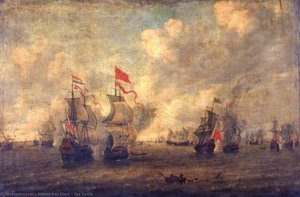
Eckdaten zum Künstler
- Artistic Movement Or Style: golden age seascape painting
- Artists Or Movements Influenced By This Artist: ['simon de vlieger']
- Artists Who Influenced This Artist: ['jan van goyen']
- Date Of Birth: c.1600
- Date Of Death: c.1678
- Full Name: willem hermansz. van diest
- Nationality: dutch
- Notable Artworks:
- Sea Battle
- Ships off the Dutch Coast
- Seascape off Scheveningen Beach
- Place Of Birth: the hague, netherlands