Vorschau anzeigen
 Versenden
 Teilen
 Details anzeigen

 Herunterladen
 Ähnliche Objekte
 Röntgenaufnahme
 Diashow
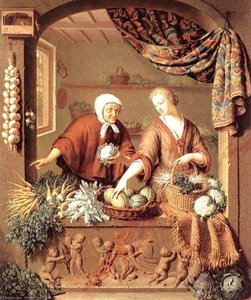
Tarquin and Lucretia
 Oil
Oil- WallArt
- Dutch Baroque
 1700
1700- Early Modern
 41.0 x 36.0 cm
 Calouste Gulbenkian Stiftung
 Weiterlesen
Handgefertigte Ölreproduktion
Handgemaltes Ölgemälde auf Leinwand in Ihrer Wunschgröße und mit Rahmen, auf Bestellung von unseren Künstlern angefertigt. ( Druck bestellen Bild kaufen)




P118B $10

P118H $10

P118W $10

P438Z $10

P508JH $12

P508YH $12

P805H $10

P805Z $10

P919BZ $10

P919G $10

P919XJ $10

P959ZH $10

P968JZ $12

W106C $8

W218G $10

W218JH $8

W218Y $10

W307PJ $10

W316G $10

W316PJ $8

W316Y $10

W398PJ $8

W4111J $10

W500HY $15

W500JH $15

W692G $12

W849H $8

W940BG $15

W953PJ $8




Wählen Sie aus unseren vordefinierten Formaten, die den ursprünglichen Proportionen des Kunstwerks entsprechen.

Sie können Ihre eigenen Maße eingeben, um einen bestimmten Rahmen oder Platz auszufüllen. Wenn die gewählte Größe nicht den Proportionen des Originalbildes entspricht, werden wir das Kunstwerk entweder beschneiden oder das Gemälde durch zusätzliche, handgemalte Elemente erweitern. Ein digitales Mockup wird Ihnen zur Genehmigung zugesandt, bevor die Produktion beginnt.
Bitte beachten Sie, dass die Bildschirmvorschau nicht die tatsächliche Beschneidung oder Erweiterung widerspiegelt. Nur das Mockup zeigt die endgültige Komposition exakt an.
Obwohl Sondermaße verfügbar sind, empfehlen wir, eine Größe aus der vordefinierten Liste zu wählen, um die ursprünglichen Proportionen beizubehalten.
Nach der Bestellung wird das ArtsDot.com-Team dem Kunden Anweisungen per E-Mail zusenden und eine Mockup-Vorschau bereitstellen.
Weltweiter Versand () in nur 3 bis 4 Wochen statt der üblichen 5 Wochen. (28 August). Keine Kompromisse bei der Qualität.

Kostenloser weltweiter Expressversand

Hochwertige Leinenleinwand

Umfassender Versicherungsschutz beim Versand

Zollgebühren-Rückerstattungsgarantie

Garantie für exakte Farbtreue

60 Tage Rückgaberecht (nur bei Mängeln)

100% Geld-zurück-Garantie

Mengenrabatt verfügbar
 Die Glasoption ist nur für Größen unter 110 cm verfügbar.

Tarquin and Lucretia
Art der Reproduktion
Format der Reproduktion
-


Gesamtpreis
$ 263
A Dramatic Encounter in the Leiden Tradition
In the quiet, meticulously rendered world of Willem van Mieris, a moment of profound tension unfolds within the intimate confines of a private chamber. Tarquin and Lucretia is not merely a depiction of a historical encounter; it is a masterclass in the Dutch fijnschilder technique, where every brushstroke serves to heighten the psychological weight of the scene. The painting captures the harrowing intersection of desire and violation, as the Roman figure Tarquin encroaches upon the sanctity of Lucretia’s private space. Through his expert command of light and shadow, Van Mieris invites the viewer into a room that feels both claustrophobically small and infinitely detailed, creating an atmosphere where the air itself seems heavy with the impending tragedy.
The composition is a delicate balance of stillness and movement. On one side, the figure of Tarquin stands as a looming presence, his posture suggesting a predatory intent that disrupts the domestic peace. Opposite him, Lucretia lies upon her bed, her vulnerability emphasized by the soft textures of the linens and the surrounding objects. The artist utilizes the hallmark precision of the Leiden school to render the mundane—a dog resting near the corner, a simple bowl, the grain of a wooden chair—transforming these everyday elements into silent witnesses to a monumental historical event. This juxtaposition of domestic tranquility with sudden, violent intrusion creates a visceral emotional resonance that continues to captivate audiences centuries later.
The Mastery of Detail and Light
To behold this work is to witness the pinnacle of 1700s Dutch craftsmanship. Van Mieris, following in the illustrious footsteps of his father Frans van Mieris the Elder, employed a technique characterized by an almost microscopic attention to detail. The way light spills across the fabric of the bed, the subtle sheen on metallic surfaces, and the soft, lifelike texture of skin are all executed with a smoothness that defies the visible presence of the brush. For the collector or interior designer, this level of technical virtuosity offers more than just a visual feast; it provides a focal point of immense sophistication. The painting’s ability to manipulate light creates a sense of depth and three-dimensionality that breathes life into the canvas.
Beyond its aesthetic brilliance, the work carries deep symbolic weight. The presence of the dog, often a symbol of fidelity, serves as a poignant, ironic contrast to the betrayal occurring within the room. Every object placed by the artist’s hand contributes to a narrative of lost innocence and the fragility of honor. For those seeking to adorn a space with art that provokes thought and conversation, this reproduction offers a profound connection to the Golden Age of Dutch painting. It is an exquisite piece for any curated collection, bringing with it a sense of historical gravity, unparalleled elegance, and a timeless emotional complexity that transcends the boundaries of its era.
Ähnliche Kunstwerke


Über den Künstler
Willem van Mieris (1662 - 1747): The Master of Elegant Detail
Willem van Mieris (1662-1747) stands as a pivotal figure in the Leiden fijnschilders’ movement, embodying the culmination of Dutch Baroque artistic ideals. Born in Leiden on June 3rd, 1662, he descended from a lineage steeped in artistic tradition—his father, Frans van Mieris the Elder (1635-1681), was himself a celebrated genre painter who had established a formidable reputation for capturing the nuances of upper-class society. This familial legacy profoundly shaped Willem’s formative years and instilled within him an unwavering dedication to upholding his father's esteemed position as Leiden’s foremost fijnschilder—a commitment that would define his entire artistic career.- Early Training & Influences:
- Frans van Mieris the Elder’s profound impact on Willem’s technique and aesthetic sensibilities cannot be overstated. Guided by the tutelage of his father, Willem honed his skills under the watchful eye of Gerrit Dou (1613-1675), a master of chiaroscuro and meticulous observation—a stylistic approach that would become synonymous with Leiden fijnschilders.
The Leiden Tradition & Pieter Post’s Vision
Willem van Mieris's artistic trajectory was inextricably linked to the broader intellectual currents of his time. The influence of Pieter Post (1659-1734), a Dutch art theoretician and humanist, proved particularly transformative. Post championed the notion that genre painters should transcend mere representation—rather, they ought to elevate their subjects through classical ideals of beauty and proportion. This conviction spurred Willem to meticulously analyze sculptural masterpieces from antiquity, incorporating their compositional principles into his paintings.A Career Defined by Patronage & Artistic Innovation
Willem’s professional life unfolded amidst a landscape of considerable artistic patronage—he secured commissions from prominent figures such as Madam Oortmans and Pieter de la Court van der Voort, cementing his reputation as one of Leiden's most sought-after artists. Notably, he served as Dean of the Guild of Saint Luke in 1693, demonstrating not only his artistic prowess but also his engagement with the intellectual and social fabric of Leiden.Style & Technique: The Pursuit of Perfection
Willem van Mieris’s distinctive style—characterized by an unparalleled attention to detail and a masterful command of chiaroscuro—represented the apex of Leiden fijnschilders' artistic ambition. Like his father, Willem meticulously studied the works of Gerrit Dou, adopting his technique and stylistic approach. He skillfully rendered textures and surfaces with remarkable accuracy, capturing subtle nuances that breathed life into his subjects. Furthermore, he frequently employed classical poses borrowed from sculptures by Francis van Bossuit—a deliberate gesture aimed at elevating genre painting to the level of monumental art.Legacy & Historical Significance
Willem van Mieris’s oeuvre comprises a vast collection of genre scenes and portraits, reflecting the tastes and sensibilities of his era. His paintings offer invaluable insights into Dutch society during the Baroque period—depicting opulent interiors, refined costumes, and psychologically astute portrayals of human character. Willem's enduring influence extends beyond his artistic achievements; he established Leiden’s Drawing Academy alongside Jacob Toorenvliet and Carel de Moor, fostering a new generation of artists committed to upholding the Leiden tradition—a legacy that continues to resonate within Dutch art history today.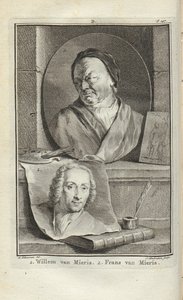
Willem Van Mieris
1662 - 1747 , Niederlande
Kurzinfos
- Artistic Movement Or Style: Fijnschilders
- Artists Or Movements Influenced By This Artist: ['Antike Skulptur']
- Artists Who Influenced This Artist:
- Gerard Dou
- Frans van Mieris der Ältere
- Date Of Birth: Leiden, Niederlande (1662)
- Date Of Death: 1747
- Full Name: Willem van Mieris
- Nationality: Niederländisch
- Notable Artworks:
- Die Kartoffelesser
- Allegorie der Vergänglichkeit
- Place Of Birth: Leiden
Ähnliche Artikel

Die 10 Meisterwerke der niederländischen Barockmalerei – Kunst für Ihr Zuhause | ArtsDot
Entdecken Sie die 10 prägendsten Meisterwerke der niederländischen Barockmalerei! Von Rembrandt bis Vermeer – erleben Sie Kunstgeschichte, Techniken & Emotionen. Hochwertige Reproduktionen für Ihr Zuhause auf ArtsDot.com.

Golden Age Reflections: Dutch Baroque Painting & Cultural Innovation
Explore the Dutch Golden Age of painting! Discover key artists like Vermeer & ter Borch, their innovative techniques, and the rich cultural context behind these Baroque masterpieces. Learn about collecting & appreciating this iconic art period.

Barock Meisterwerke: Die 10 prägendsten Kunstwerke für Ihr Zuhause |
Entdecken Sie die 10 prägendsten Meisterwerke des Barock! Caravaggio, Rembrandt & Co. – Erfahren Sie die Geschichten hinter ikonischen Gemälde und finden Sie hochwertige Kunst Reproduktionen für Ihr Zuhause auf .

Barocke Pracht: Wie Sie Opulenz und Emotionen in zeitgenössische Innenräume bringen
Entdecken Sie die Pracht des Barock! Expertenratgeber für luxuriöse Innenräume mit barocken Elementen. Inspiration, Tipps & hochwertige Kunst bei .

The Dramatic Flourish: Exploring the Baroque Movement's Enduring Legacy in Art History
Explore the dramatic world of Baroque art! Discover iconic artists like Caravaggio & Rubens, defining techniques, and its lasting impact on art history. Expert insights for collectors & enthusiasts at ArtsDot.