 Vorschau anzeigen
 Versenden
 Teilen
 Details anzeigen

 Herunterladen
 Ähnliche Objekte
 Röntgenaufnahme
 Diashow
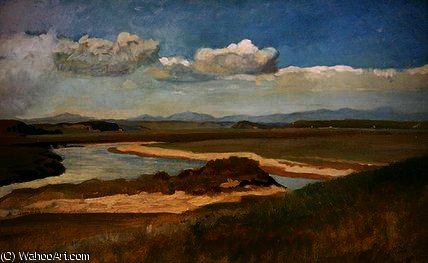
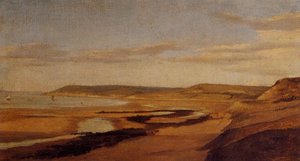
A View of the Tiber near Rome


 Weiterlesen
Handgefertigte Ölreproduktion
Handgemaltes Ölgemälde auf Leinwand in Ihrer Wunschgröße und mit Rahmen, auf Bestellung von unseren Künstlern angefertigt. ( Druck bestellen Bild kaufen)




P118B $10

P118H $10

P118W $10

P438Z $10

P508JH $12

P508YH $12

P805H $10

P805Z $10

P919BZ $10

P919G $10

P919XJ $10

P959ZH $10

P968JZ $12

W106C $8

W218G $10

W218JH $8

W218Y $10

W307PJ $10

W316G $10

W316PJ $8

W316Y $10

W398PJ $8

W4111J $10

W500HY $15

W500JH $15

W692G $12

W849H $8

W940BG $15

W953PJ $8




Wählen Sie aus unseren vordefinierten Formaten, die den ursprünglichen Proportionen des Kunstwerks entsprechen.

Sie können Ihre eigenen Maße eingeben, um einen bestimmten Rahmen oder Platz auszufüllen. Wenn die gewählte Größe nicht den Proportionen des Originalbildes entspricht, werden wir das Kunstwerk entweder beschneiden oder das Gemälde durch zusätzliche, handgemalte Elemente erweitern. Ein digitales Mockup wird Ihnen zur Genehmigung zugesandt, bevor die Produktion beginnt.
Bitte beachten Sie, dass die Bildschirmvorschau nicht die tatsächliche Beschneidung oder Erweiterung widerspiegelt. Nur das Mockup zeigt die endgültige Komposition exakt an.
Obwohl Sondermaße verfügbar sind, empfehlen wir, eine Größe aus der vordefinierten Liste zu wählen, um die ursprünglichen Proportionen beizubehalten.
Nach der Bestellung wird das ArtsDot.com-Team dem Kunden Anweisungen per E-Mail zusenden und eine Mockup-Vorschau bereitstellen.
Weltweiter Versand () in nur 3 bis 4 Wochen statt der üblichen 5 Wochen. (23 August). Keine Kompromisse bei der Qualität.

Kostenloser weltweiter Expressversand

Hochwertige Leinenleinwand

Umfassender Versicherungsschutz beim Versand

Zollgebühren-Rückerstattungsgarantie

Garantie für exakte Farbtreue

60 Tage Rückgaberecht (nur bei Mängeln)

100% Geld-zurück-Garantie

Mengenrabatt verfügbar
 Die Glasoption ist nur für Größen unter 110 cm verfügbar.

A View of the Tiber near Rome
Art der Reproduktion
Format der Reproduktion
-


Gesamtpreis
$ 263
Beschreibung des Kunstwerks
A Visionary Escape: The Serenity of Blake’s Tiber
In the heart of the Romantic era, amidst a world increasingly defined by the soot of industrialization, William Blake offered a window into a more profound reality. A View of the Tiber near Rome is far more than a mere topographical study of the Italian landscape; it is a distilled essence of Romantic idealism. Executed between 1820 and 1822, this captivating work invites the viewer to wander along the winding ribbon of the Tiber River as it meanders through the verdant, sun-drenched hills surrounding Rome. The composition breathes with a quiet vitality, where mountains rise in the distance under a soft canopy of drifting clouds, and a solitary figure stands near the water’s edge, lost in contemplation of the vastness before them. For the discerning collector or interior designer, this piece serves as an emotional anchor, bringing a sense of tranquility and timelessness to any curated space.
The technical mastery displayed in this work reveals Blake’s unique position within the lineage of English printmaking and watercolor. Drawing upon the legacy of illuminated printing—a technique refined during his apprenticeship with James Basire—Blake achieves a remarkable depth of texture and light. The artist skillfully marries the precision of graphite pencil lines with the ethereal, translucent washes of watercolor pigments. This delicate interplay allows for subtle tonal gradations that mimic the shifting atmosphere of a Roman afternoon, where shadows retreat and light dances upon the river's surface. Such meticulous detail ensures that every time one views a high-quality reproduction, the textural nuances and the artist’s intentional hand remain strikingly evident, offering a tactile richness that elevates the artwork beyond simple realism.
The Sublime and the Symbolic
To understand this painting is to touch upon the concept of the Sublime—that quintessential Romantic pursuit of beauty that borders on the overwhelming. While many of Blake’s more famous works grapple with intense spiritual warfare and prophetic mythologies, his landscapes often capture a more peaceful facet of the sublime: the awe-inspiring stillness of nature. There is an underlying awareness in this vista of the infinite; the way the river flows toward an unseen horizon suggests a continuity of life and spirit that transcends the physical world. The landscape acts as a mirror for the soul, where the lush greenery and steady flow of water represent a sanctuary from the chaos of human existence.
For those seeking to infuse a room with inspiration, this artwork offers a sophisticated narrative of peace and intellectual depth. It is a piece that does not merely decorate a wall but transforms an environment, providing a focal point for meditation and aesthetic appreciation. Whether placed in a sunlit library or a contemporary living space, A View of the Tiber near Rome resonates with a quiet power, reminding us of the enduring beauty found when the human spirit aligns with the natural world. It remains a testament to Blake’s ability to capture the eternal within the ephemeral, making it an indispensable treasure for any lover of fine art.
Ähnliche Kunstwerke
Über den Künstler
ein Leben, das von einem kreativen Geist geprägt ist
William Blake, ein visionärer Künstler, Dichter und Grafiker, hat eine unvergessliche Spur in der Kunstwelt hinterlassen. Geboren in London am 28. November 1757 und gestorben am 12. August 1827, war Blakes Leben ein Beweis für seinen tiefgreifenden kreativen Geist.Frühes Leben und Einflüsse
Blakes frühe Jahre waren von einer tiefen Verbindung zur Kunst geprägt. Sein Vater, William Blake Sr., ein Hosier, und seine Mutter, Catherine Wright, beeinflussten seine spirituellen und künstlerischen Neigungen. Dies führte zu seiner Lehre bei Francisco Bartolozzi, einem Kupferstecher.Künstlerische Entwicklung und bedeutende Werke
Blakes künstlerischer Weg führte durch verschiedene Medien wie Malerei, Poesie und Grafik. Zu seinen bekanntesten Werken gehören:- The Tyger (1795) - Ein Meisterwerk der romantischen Literatur, das Blakes einzigartige Mischung aus Mystik und Realität zeigt.
- The Sickle (1803) - Ein eindringliches Beispiel für seine Druckkunstfähigkeiten, das seine tiefe Verbindung zur Natur widerspiegelt.
- The Ghost of a Flea (ca. 1819–1820) - Ein Beweis für Blakes innovativen Ansatz in der Kunst, der die Grenzen zwischen Realität und Fantasie verwischt.
Museen mit Blakes Werken
- Blake Museum, Vereinigtes Königreich - Ein Muss für jeden Blake-Enthusiasten, das eine umfangreiche Sammlung seiner Werke beherbergt. [https://ArtsDot.com/@/william-blake](https://ArtsDot.com/@/william-blake)
- Fulham Public Library, Vereinigtes Königreich - Obwohl es sich nicht ausschließlich um ein Blake-Museum handelt, beherbergt es mehrere seiner bemerkenswerten Werke und bietet so eine einzigartige Perspektive auf die britische Kunst. [https://ArtsDot.com/@@/a@d3bma9-discovering-the-artworks-of-fulham-public-library-united-kingdom](https://ArtsDot.com/@@/a@d3bma9-discovering-the-artworks-of-fulham-public-library-united-kingdom)
Vermächtnis und Einfluss
Blakes Einfluss auf die britische Kunst ist unbestreitbar. Seine einzigartige Mischung aus Mystik, Prophezeiung und Vorstellungskraft hat Generationen von Künstlern inspiriert. Als Vorläufer der Romantik hat Blakes Werk bis heute eine einfache Kategorisierung verwehrt und ihn zu einem Grundstein der britischen Literatur und Kunst gemacht.Weitere Informationen
Für mehr über William Blake und seine Werke erfahren Sie: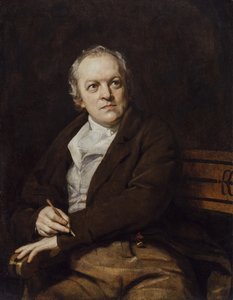
William Blake
1757 - 1827 , Vereinigtes Königreich
Kurzinfos
- Beeinflusste Künstler:
- Dante Gabriel Rossetti
- William Holman Hunt
- Bemerkenswerte Werke:
- The Tyger
- Das Sichelwerk
- Der Geist der Wahrheit
- Einflussreiche Künstler:
- Raphael
- Michelangelo
- Geburtsdatum: 1757-11-28
- Geburtsort: London, Vereinigtes Königreich
- Künstlerische Bewegung: Romantik
- Nationalität: Britisch
- Todatum: 1827-08-12
- Vollständiger Name: William Blake
Ähnliche Artikel

Romantische Landschaften: Die 10 Meisterwerke, die eine Epoche prägten | ArtsDot
Entdecken Sie die 10 Meisterwerke der Romantischen Landschaftsmalerei! Von Caspar David Friedrich bis Turner – erleben Sie die Kunst, Emotion & Natur. Hochwertige Reproduktionen auf ArtsDot.com

Katsushika Hokusai: Die 25 Meisterwerke des Ukiyo-e – Kunst für Ihr Zuhause | ArtsDot
Entdecken Sie die 25 Meisterwerke von Katsushika Hokusai! Tauchen Sie ein in die Welt des Ukiyo-e, berühmte Holzschnitte wie 'Die große Welle' & Fuji-Ansichten. Hochwertige Kunstdrucke für Ihr Zuhause – jetzt auf ArtsDot.com!
Die 10 Meisterwerke der Hudson River School: Kunst für Ihr Zuhause | ArtsDot
Entdecken Sie die 10 prägendsten Meisterwerke der Hudson River School! Erfahren Sie mehr über Thomas Cole, Frederic Church & Co. und ihre atemberaubenden Landschaftsbilder. Hochwertige Kunstdrucke für Ihr Zuhause – jetzt auf ArtsDot.com!

John Constable: Die 25 Meisterwerke des englischen Landschaftsgenies – ArtsDot
Entdecken Sie die 25 Meisterwerke von John Constable! Erleben Sie englische Landschaftsmalerei vom Hay Wain bis zur Stour Valley. Hochwertige Reproduktionen & Kunst für Ihr Zuhause auf ArtsDot.com.

William Blake: Romantische Vision und mystischer Genius der Imagination
Entdecken Sie das faszinierende Werk von William Blake – einem revolutionären Künstler und Dichter der Romantik. Erfahren Sie mehr über seine mystischen Visionen, einzigartige Techniken und bleibenden Einfluss auf Kunst und Literatur.