 Vorschau anzeigen
 Versenden
 Teilen
 Details anzeigen

 Herunterladen
 Ähnliche Objekte
 Röntgenaufnahme
 Diashow
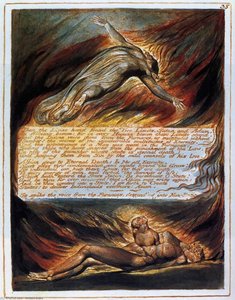
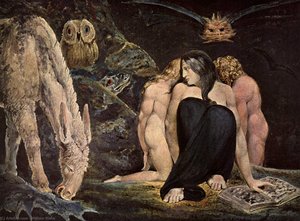
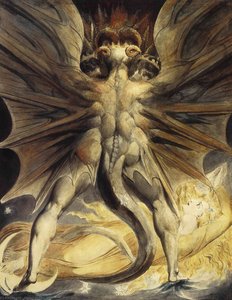
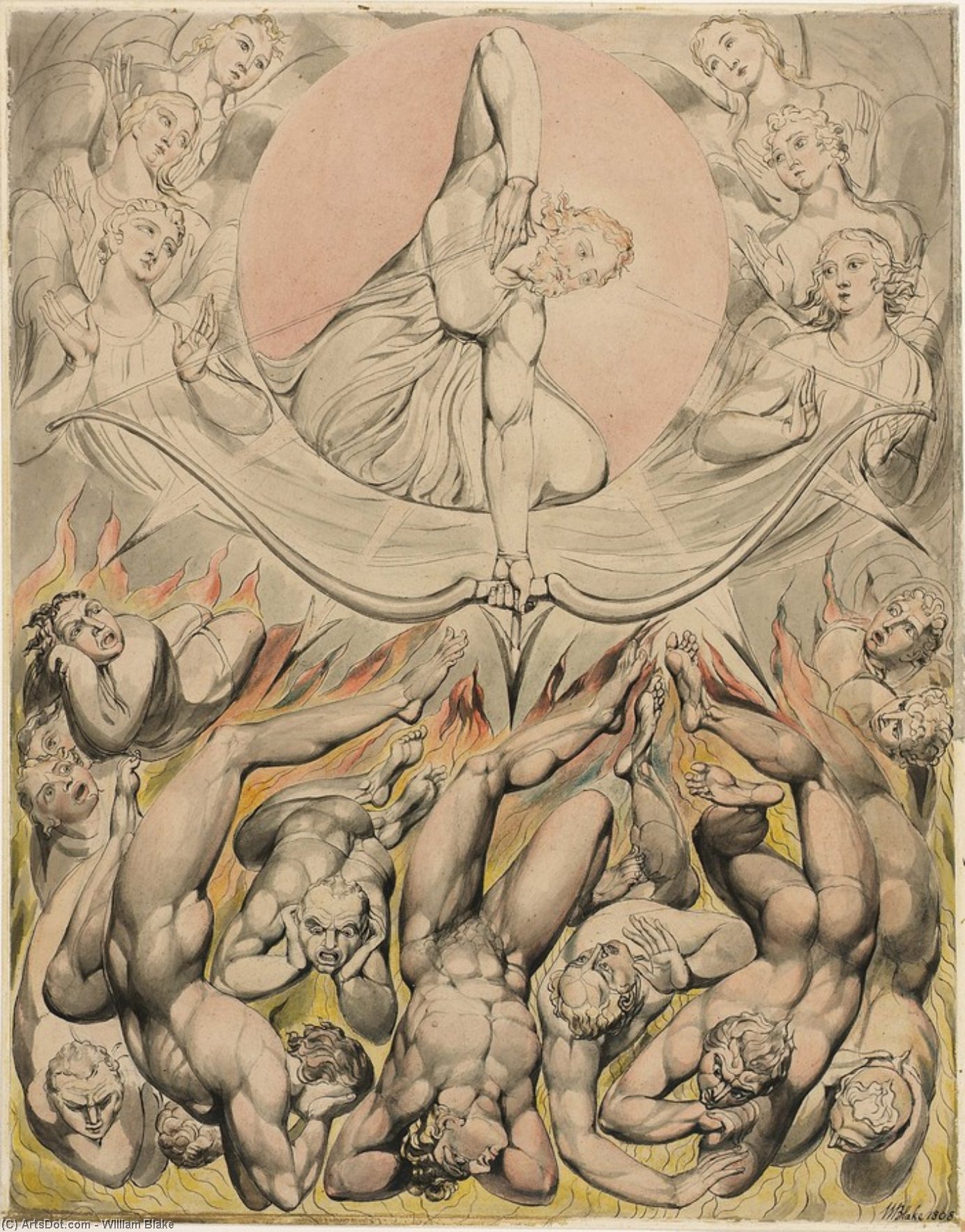
Die Vertreibung der rebellischen Engel in die Hölle


 Weiterlesen
Giclée / Kunstdruck
Giclée- oder Leinwanddruck in Museumsqualität mit schneller Produktion und flexiblen Veredelungsoptionen. ( Handgemalte Reproduktion bestellen Bild kaufen)




P118B $10

P118H $10

P118W $10

P438Z $10

P508JH $12

P508YH $12

P805H $10

P805Z $10

P919BZ $10

P919G $10

P919XJ $10

P959ZH $10

P968JZ $12

W106C $8

W218G $10

W218JH $8

W218Y $10

W307PJ $10

W316G $10

W316PJ $8

W316Y $10

W398PJ $8

W4111J $10

W500HY $15

W500JH $15

W692G $12

W849H $8

W940BG $15

W953PJ $8




Wählen Sie aus unseren vordefinierten Formaten, die den ursprünglichen Proportionen des Kunstwerks entsprechen.

Sie können Ihre eigenen Maße eingeben, um ein bestimmtes Format oder einen speziellen Platz einzupassen. Wenn das von Ihnen gewählte Format nicht den Proportionen des Originalbildes entspricht, werden wir das Kunstwerk entweder beschneiden oder das Bild mit einem gespiegelten oder einfarbigen Rand erweitern. Ein digitaler Entwurf wird Ihnen zur Genehmigung zugesandt, bevor die Produktion beginnt.
Bitte beachten Sie, dass die Vorschau auf dem Bildschirm nicht den tatsächlichen Zuschnitt oder die Erweiterung widerspiegelt. Nur der Entwurf zeigt die endgültige Komposition präzise an.
Obwohl Sondermaße verfügbar sind, empfehlen wir die Auswahl eines Maßes aus der vordefinierten Liste, um die ursprünglichen Proportionen zu bewahren.
Weltweiter Versand () innerhalb von 2 Wochen statt der üblichen 4/5 Wochen. (24 August)

Kostenloser weltweiter Expressversand

Hochwertige Leinenleinwand

Umfassender Versicherungsschutz beim Versand

Zollgebühren-Rückerstattungsgarantie

Garantie für exakte Farbtreue

60 Tage Rückgaberecht (nur bei Mängeln)

100% Geld-zurück-Garantie

Mengenrabatt verfügbar
 Die Glasoption ist nur für Größen unter 110 cm verfügbar.

Die Vertreibung der rebellischen Engel in die Hölle
Giclée / Kunstdruck
Format der Reproduktion
-


Gesamtpreis
$ 62
Sammlerstück-Beschreibung
William Blake’s “The Casting of the Rebel Angels into Hell”: A Dance Between Vision and Technique
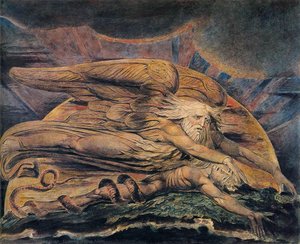
A profound exploration of spiritual conflict and artistic innovation, William Blake's "The Casting of the Rebel Angels into Hell" transcends mere depiction; it embodies a visionary encounter with the sublime. Painted in 1808, this monumental canvas stands as a testament to Blake’s singular ability to fuse fantastical imagery with meticulous printmaking craftsmanship—a feat that cemented his place among the pioneers of Romantic art.Subject Matter and Narrative
The painting centers around a woman poised in an arresting dance posture, her arms outstretched towards an unseen celestial realm. Surrounding her are figures engaged in various activities – musicians playing instruments, observers gazing upwards – creating a dynamic tableau that speaks to themes of ascension, judgment, and the eternal struggle between good and evil. Blake’s narrative isn't simply about angels falling; it’s about humanity confronting its own mortality and yearning for transcendence. The woman herself is interpreted as representing divine grace attempting to draw souls into salvation amidst the chaos of demonic influence.Style and Technique: Engraving’s Transformative Power
Blake famously employed engraving—a technique he revolutionized—to achieve his artistic vision. Unlike traditional painting, engraving allowed him to capture intricate detail and tonal variations with unparalleled precision. The image was created using mezzotint printing, a process that involved roughening the metal plate with abrasive tools to create countless tiny grooves – known as “engraving lines” – which would then be inked and pressed onto paper. This method produced velvety blacks and subtle gradations of color, resulting in an astonishingly realistic portrayal of ethereal figures battling for dominance. Blake’s masterful manipulation of light and shadow contributes significantly to the painting's dramatic impact.Historical Context: Romanticism at Its Zenith
“The Casting of the Rebel Angels into Hell” emerged during the height of Romanticism—a movement characterized by an obsession with emotion, imagination, and individualism. Blake’s work resonated deeply with contemporaries grappling with anxieties about faith, reason, and societal change. The painting reflects the broader Romantic preoccupation with confronting darkness and striving for spiritual illumination – mirroring the turbulent political landscape of Britain under Napoleon's reign. It stands alongside other iconic Romantic canvases like Caspar David Friedrich’s “Wanderer Above the Sea of Fog,” demonstrating a shared desire to capture the grandeur and terror of the natural world as well as exploring profound philosophical questions.Symbolism: Angels, Demons, and Divine Grace
Blake imbued his artwork with layers of symbolic meaning. The angels represent divine righteousness and spiritual aspiration, while demons embody evil forces attempting to corrupt humanity’s soul. The woman's dance symbolizes the pursuit of grace—the acceptance of God’s love—amidst the pervasive influence of darkness. Blake frequently employed biblical imagery and esoteric symbolism drawn from Kabbalah (Jewish mysticism) to convey complex theological concepts. The swirling patterns and luminous colors contribute to an atmosphere of otherworldly beauty and spiritual fervor.Emotional Impact: Confronting Eternity
Ultimately, “The Casting of the Rebel Angels into Hell” compels viewers to confront existential questions about life’s purpose and mortality. Its unsettling juxtaposition of light and shadow evokes a sense of drama and urgency—drawing us into a timeless battle between opposing forces. The painting's haunting beauty lingers long after viewing, prompting contemplation on themes of faith, redemption, and the enduring human desire for transcendence. It remains an unforgettable masterpiece – a testament to Blake’s unparalleled artistic vision and his transformative engagement with printmaking technique.Ähnliche Kunstwerke
Über den Künstler
ein Leben, das von einem kreativen Geist geprägt ist
William Blake, ein visionärer Künstler, Dichter und Grafiker, hat eine unvergessliche Spur in der Kunstwelt hinterlassen. Geboren in London am 28. November 1757 und gestorben am 12. August 1827, war Blakes Leben ein Beweis für seinen tiefgreifenden kreativen Geist.Frühes Leben und Einflüsse
Blakes frühe Jahre waren von einer tiefen Verbindung zur Kunst geprägt. Sein Vater, William Blake Sr., ein Hosier, und seine Mutter, Catherine Wright, beeinflussten seine spirituellen und künstlerischen Neigungen. Dies führte zu seiner Lehre bei Francisco Bartolozzi, einem Kupferstecher.Künstlerische Entwicklung und bedeutende Werke
Blakes künstlerischer Weg führte durch verschiedene Medien wie Malerei, Poesie und Grafik. Zu seinen bekanntesten Werken gehören:- The Tyger (1795) - Ein Meisterwerk der romantischen Literatur, das Blakes einzigartige Mischung aus Mystik und Realität zeigt.
- The Sickle (1803) - Ein eindringliches Beispiel für seine Druckkunstfähigkeiten, das seine tiefe Verbindung zur Natur widerspiegelt.
- The Ghost of a Flea (ca. 1819–1820) - Ein Beweis für Blakes innovativen Ansatz in der Kunst, der die Grenzen zwischen Realität und Fantasie verwischt.
Museen mit Blakes Werken
- Blake Museum, Vereinigtes Königreich - Ein Muss für jeden Blake-Enthusiasten, das eine umfangreiche Sammlung seiner Werke beherbergt. [https://ArtsDot.com/@/william-blake](https://ArtsDot.com/@/william-blake)
- Fulham Public Library, Vereinigtes Königreich - Obwohl es sich nicht ausschließlich um ein Blake-Museum handelt, beherbergt es mehrere seiner bemerkenswerten Werke und bietet so eine einzigartige Perspektive auf die britische Kunst. [https://ArtsDot.com/@@/a@d3bma9-discovering-the-artworks-of-fulham-public-library-united-kingdom](https://ArtsDot.com/@@/a@d3bma9-discovering-the-artworks-of-fulham-public-library-united-kingdom)
Vermächtnis und Einfluss
Blakes Einfluss auf die britische Kunst ist unbestreitbar. Seine einzigartige Mischung aus Mystik, Prophezeiung und Vorstellungskraft hat Generationen von Künstlern inspiriert. Als Vorläufer der Romantik hat Blakes Werk bis heute eine einfache Kategorisierung verwehrt und ihn zu einem Grundstein der britischen Literatur und Kunst gemacht.Weitere Informationen
Für mehr über William Blake und seine Werke erfahren Sie: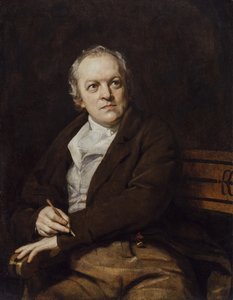
William Blake
1757 - 1827 , Vereinigtes Königreich
Kurzinfos
- Beeinflusste Künstler:
- Dante Gabriel Rossetti
- William Holman Hunt
- Bemerkenswerte Werke:
- The Tyger
- Das Sichelwerk
- Der Geist der Wahrheit
- Einflussreiche Künstler:
- Raphael
- Michelangelo
- Geburtsdatum: 1757-11-28
- Geburtsort: London, Vereinigtes Königreich
- Künstlerische Bewegung: Romantik
- Nationalität: Britisch
- Todatum: 1827-08-12
- Vollständiger Name: William Blake
Ähnliche Artikel

William Blake: Romantische Vision und mystischer Genius der Imagination
Entdecken Sie das faszinierende Werk von William Blake – einem revolutionären Künstler und Dichter der Romantik. Erfahren Sie mehr über seine mystischen Visionen, einzigartige Techniken und bleibenden Einfluss auf Kunst und Literatur.
Celestial Messengers: Angels in Painting – A Historical & Artistic Exploration
Explore the captivating history of angels in painting! Discover symbolism, iconic Renaissance & Byzantine masterpieces, and renowned artists. Expert insights for art lovers & collectors at ArtsDot.
Celestial Messengers: A Comprehensive Exploration of Angelic Representation in Art History
Explore the captivating history of angels in art! Discover symbolism, iconic Renaissance masterpieces & renowned artists. Expert insights for art lovers & collectors at ArtsDot.

Romantic Realism's Finest: 10 Masterpieces for Your Home | ArtsDot
Explore 10 defining masterpieces of Romantic Realism! Discover Courbet, Millet & Daumier's powerful paintings—capturing emotion and social realities. Find museum-quality reproductions for your home at ArtsDot.com.
Sir William Blake Richmond: Ästhetizismus und Symbolismus – Eine Vision zwischen Präraffaelitismus und Renaissance-Ideal
Entdecken Sie das faszinierende Werk von Sir William Blake Richmond – ein Pionier des Ästhetizismus und Symbolismus. Erfahren Sie mehr über seine Mosaiken in St. Paul’s Cathedral, seinen Einfluss auf die Arts and Crafts Bewegung und sein Vermächtnis als Slade Professor.