 Vorschau anzeigen
 Versenden
 Teilen
 Details anzeigen

 Herunterladen
 Ähnliche Objekte
 Röntgenaufnahme
 Diashow
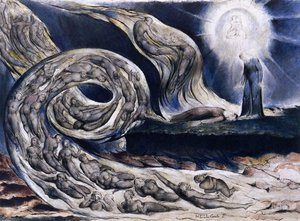
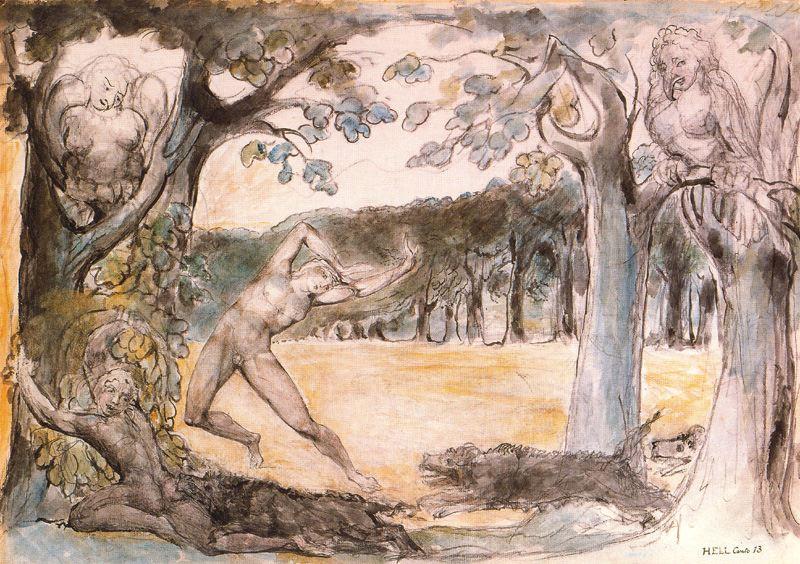
Greyhounds of hell chasing the destroyers of their own property

 Weiterlesen
Handgefertigte Ölreproduktion
Handgemaltes Ölgemälde auf Leinwand in Ihrer Wunschgröße und mit Rahmen, auf Bestellung von unseren Künstlern angefertigt. ( Druck bestellen Bild kaufen)




P118B $10

P118H $10

P118W $10

P438Z $10

P508JH $12

P508YH $12

P805H $10

P805Z $10

P919BZ $10

P919G $10

P919XJ $10

P959ZH $10

P968JZ $12

W106C $8

W218G $10

W218JH $8

W218Y $10

W307PJ $10

W316G $10

W316PJ $8

W316Y $10

W398PJ $8

W4111J $10

W500HY $15

W500JH $15

W692G $12

W849H $8

W940BG $15

W953PJ $8




Wählen Sie aus unseren vordefinierten Formaten, die den ursprünglichen Proportionen des Kunstwerks entsprechen.

Sie können Ihre eigenen Maße eingeben, um einen bestimmten Rahmen oder Platz auszufüllen. Wenn die gewählte Größe nicht den Proportionen des Originalbildes entspricht, werden wir das Kunstwerk entweder beschneiden oder das Gemälde durch zusätzliche, handgemalte Elemente erweitern. Ein digitales Mockup wird Ihnen zur Genehmigung zugesandt, bevor die Produktion beginnt.
Bitte beachten Sie, dass die Bildschirmvorschau nicht die tatsächliche Beschneidung oder Erweiterung widerspiegelt. Nur das Mockup zeigt die endgültige Komposition exakt an.
Obwohl Sondermaße verfügbar sind, empfehlen wir, eine Größe aus der vordefinierten Liste zu wählen, um die ursprünglichen Proportionen beizubehalten.
Nach der Bestellung wird das ArtsDot.com-Team dem Kunden Anweisungen per E-Mail zusenden und eine Mockup-Vorschau bereitstellen.
Weltweiter Versand () in nur 3 bis 4 Wochen statt der üblichen 5 Wochen. (24 August). Keine Kompromisse bei der Qualität.

Kostenloser weltweiter Expressversand

Hochwertige Leinenleinwand

Umfassender Versicherungsschutz beim Versand

Zollgebühren-Rückerstattungsgarantie

Garantie für exakte Farbtreue

60 Tage Rückgaberecht (nur bei Mängeln)

100% Geld-zurück-Garantie

Mengenrabatt verfügbar
 Die Glasoption ist nur für Größen unter 110 cm verfügbar.

Greyhounds of hell chasing the destroyers of their own property
Art der Reproduktion
Format der Reproduktion
-


Gesamtpreis
$ 263
Beschreibung des Kunstwerks
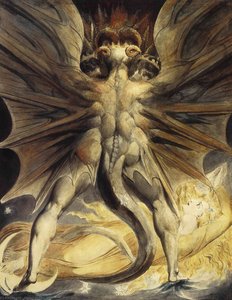
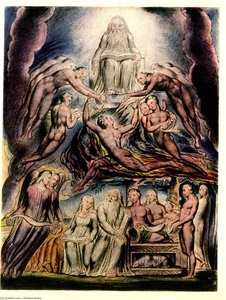
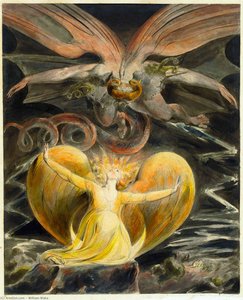
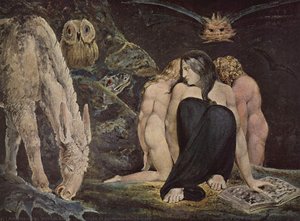
William Blake’s “Greyhounds of Hell Chasing the Destroyers of Their Own Property”: A Symphony of Visionary Terror
The painting "Greyhounds of Hell Chasing the Destroyers of Their Own Property," created by William Blake in 1814-1815, stands as a cornerstone of Romantic art and poetry—a testament to Blake’s unparalleled ability to fuse psychological depth with fantastical imagery. More than just a depiction of animals battling figures, it embodies a profound exploration of human consciousness confronting its own destructive impulses, rendered with breathtaking skill and imbued with layers of symbolic meaning that continue to fascinate scholars and artists alike.Style and Technique: The Blakean Vision
Blake’s artistic style is instantly recognizable—characterized by bold lines, vibrant colors (though often muted in print), and a distinctive flattened perspective reminiscent of illuminated manuscripts. He eschewed academic conventions, prioritizing emotional expression over realistic representation. This approach aligns perfectly with the Romantic ethos of rejecting rationalism in favor of intuition and imagination. Blake’s meticulous engraving technique—developed during his apprenticeship with James Basire—allowed him to achieve remarkable detail while maintaining a stylized aesthetic. The process involved transferring ink from etched copper plates onto paper, resulting in prints that possessed both textural richness and luminous tonal qualities. This painstaking method ensured that the visual impact of his compositions resonated powerfully with viewers.Historical Context: Industrial England and Spiritual Awakening
Blake’s work emerged during a period of intense social and intellectual ferment—the Industrial Revolution reshaping Britain's landscape and economy while simultaneously fueling anxieties about moral decay and spiritual emptiness. Blake himself wrestled with profound religious doubts, yet he remained steadfast in his belief that art could serve as a conduit for accessing transcendent truths. “Greyhounds of Hell” reflects this preoccupation with confronting darkness within oneself—a response to the perceived corruption of Victorian society and a yearning for spiritual renewal. The painting’s imagery draws upon biblical symbolism—particularly references to hounds representing divine justice and figures embodying destructive forces—to convey a message of moral reckoning.Symbolism: Decoding Blake's Complex Language
The painting is replete with symbolic elements that demand careful interpretation. The central female figure, naked and outstretched, represents innocence corrupted by experience—a motif prevalent throughout Blake’s oeuvre. Surrounding her are trees symbolizing life and regeneration, juxtaposed against the menacing hounds pursuing figures representing societal ruin. Birds circling overhead signify divine providence, offering a glimmer of hope amidst the pervasive terror. Each element contributes to a larger narrative about the battle between good and evil—a struggle waged not only externally but also within the human psyche. Blake’s use of color is particularly significant; muted hues convey a sense of melancholy and decay, reinforcing the painting's overarching theme of spiritual crisis.Emotional Impact: Confronting Inner Demons
“Greyhounds of Hell” compels viewers to confront uncomfortable truths about their own vulnerabilities—to acknowledge the capacity for destructive behavior while simultaneously recognizing the possibility of redemption. The painting’s unsettling atmosphere—characterized by dramatic lighting and distorted perspectives—creates a visceral experience that transcends mere visual observation. It taps into primal fears associated with mortality, loss, and transgression. Yet, beneath the surface of terror lies an invitation to introspection—a challenge to examine one's conscience and strive for moral integrity. Blake’s masterpiece remains a powerful reminder that true beauty resides not in idealized representations but in unflinching honesty about the human condition.Ähnliche Kunstwerke
Über den Künstler
ein Leben, das von einem kreativen Geist geprägt ist
William Blake, ein visionärer Künstler, Dichter und Grafiker, hat eine unvergessliche Spur in der Kunstwelt hinterlassen. Geboren in London am 28. November 1757 und gestorben am 12. August 1827, war Blakes Leben ein Beweis für seinen tiefgreifenden kreativen Geist.Frühes Leben und Einflüsse
Blakes frühe Jahre waren von einer tiefen Verbindung zur Kunst geprägt. Sein Vater, William Blake Sr., ein Hosier, und seine Mutter, Catherine Wright, beeinflussten seine spirituellen und künstlerischen Neigungen. Dies führte zu seiner Lehre bei Francisco Bartolozzi, einem Kupferstecher.Künstlerische Entwicklung und bedeutende Werke
Blakes künstlerischer Weg führte durch verschiedene Medien wie Malerei, Poesie und Grafik. Zu seinen bekanntesten Werken gehören:- The Tyger (1795) - Ein Meisterwerk der romantischen Literatur, das Blakes einzigartige Mischung aus Mystik und Realität zeigt.
- The Sickle (1803) - Ein eindringliches Beispiel für seine Druckkunstfähigkeiten, das seine tiefe Verbindung zur Natur widerspiegelt.
- The Ghost of a Flea (ca. 1819–1820) - Ein Beweis für Blakes innovativen Ansatz in der Kunst, der die Grenzen zwischen Realität und Fantasie verwischt.
Museen mit Blakes Werken
- Blake Museum, Vereinigtes Königreich - Ein Muss für jeden Blake-Enthusiasten, das eine umfangreiche Sammlung seiner Werke beherbergt. [https://ArtsDot.com/@/william-blake](https://ArtsDot.com/@/william-blake)
- Fulham Public Library, Vereinigtes Königreich - Obwohl es sich nicht ausschließlich um ein Blake-Museum handelt, beherbergt es mehrere seiner bemerkenswerten Werke und bietet so eine einzigartige Perspektive auf die britische Kunst. [https://ArtsDot.com/@@/a@d3bma9-discovering-the-artworks-of-fulham-public-library-united-kingdom](https://ArtsDot.com/@@/a@d3bma9-discovering-the-artworks-of-fulham-public-library-united-kingdom)
Vermächtnis und Einfluss
Blakes Einfluss auf die britische Kunst ist unbestreitbar. Seine einzigartige Mischung aus Mystik, Prophezeiung und Vorstellungskraft hat Generationen von Künstlern inspiriert. Als Vorläufer der Romantik hat Blakes Werk bis heute eine einfache Kategorisierung verwehrt und ihn zu einem Grundstein der britischen Literatur und Kunst gemacht.Weitere Informationen
Für mehr über William Blake und seine Werke erfahren Sie: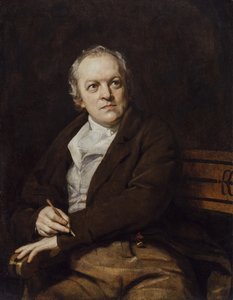
William Blake
1757 - 1827 , Vereinigtes Königreich
Kurzinfos
- Beeinflusste Künstler:
- Dante Gabriel Rossetti
- William Holman Hunt
- Bemerkenswerte Werke:
- The Tyger
- Das Sichelwerk
- Der Geist der Wahrheit
- Einflussreiche Künstler:
- Raphael
- Michelangelo
- Geburtsdatum: 1757-11-28
- Geburtsort: London, Vereinigtes Königreich
- Künstlerische Bewegung: Romantik
- Nationalität: Britisch
- Todatum: 1827-08-12
- Vollständiger Name: William Blake
Ähnliche Artikel

William Blake: Romantische Vision und mystischer Genius der Imagination
Entdecken Sie das faszinierende Werk von William Blake – einem revolutionären Künstler und Dichter der Romantik. Erfahren Sie mehr über seine mystischen Visionen, einzigartige Techniken und bleibenden Einfluss auf Kunst und Literatur.
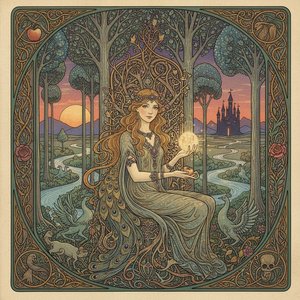
Kay Rasmus Nielsen: A Golden Age Illustrator's Enchanting Legacy of Symbolism & Narrative
Explore the captivating world of Kay Rasmus Nielsen, a celebrated Golden Age illustrator renowned for his Art Nouveau fairy tale art & Disney contributions. Discover his unique style, enduring legacy, and how to collect his enchanting works.
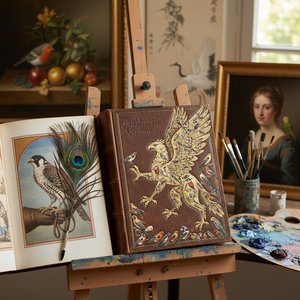
Feathered Visions: A Historical & Artistic Exploration of Birds in Painting
Explore the rich history of birds in painting! Discover symbolism, artistic movements & master artists like Audubon. High-quality reproductions available at ArtsDot.
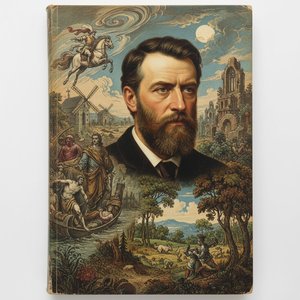
Gustave Doré: Meister des Romantischen Realismus und der illustrierten Imagination
Entdecken Sie das faszinierende Werk von Gustave Doré – Meister des Romantischen Realismus und brillanter Illustrator! Erfahren Sie mehr über sein Leben, seine ikonischen Illustrationen & seinen unterschätzten Beitrag zur Kunstgeschichte.
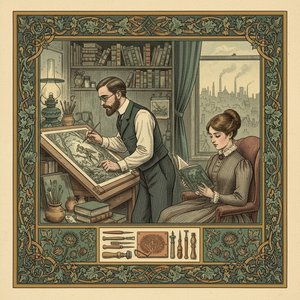
The Refined Aesthetic of Victorian Illustration: A Study in Narrative & Technique
Explore the captivating world of Victorian illustration! Discover Pre-Raphaelite influences, key artists like Rossetti & Stephens, and the era's rich narrative detail. A deep dive for art enthusiasts.