 Vorschau anzeigen
 Versenden
 Teilen
 Details anzeigen

 Herunterladen
 Ähnliche Objekte
 Röntgenaufnahme
 Diashow
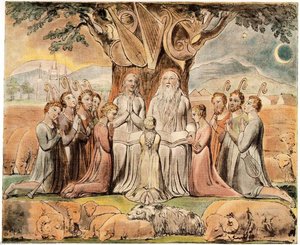
Job und seine Familie werden wieder wohlhabend


 Weiterlesen
Giclée / Kunstdruck
Giclée- oder Leinwanddruck in Museumsqualität mit schneller Produktion und flexiblen Veredelungsoptionen. ( Handgemalte Reproduktion bestellen Bild kaufen)




P118B $10

P118H $10

P118W $10

P438Z $10

P508JH $12

P508YH $12

P805H $10

P805Z $10

P919BZ $10

P919G $10

P919XJ $10

P959ZH $10

P968JZ $12

W106C $8

W218G $10

W218JH $8

W218Y $10

W307PJ $10

W316G $10

W316PJ $8

W316Y $10

W398PJ $8

W4111J $10

W500HY $15

W500JH $15

W692G $12

W849H $8

W940BG $15

W953PJ $8




Wählen Sie aus unseren vordefinierten Formaten, die den ursprünglichen Proportionen des Kunstwerks entsprechen.

Sie können Ihre eigenen Maße eingeben, um ein bestimmtes Format oder einen speziellen Platz einzupassen. Wenn das von Ihnen gewählte Format nicht den Proportionen des Originalbildes entspricht, werden wir das Kunstwerk entweder beschneiden oder das Bild mit einem gespiegelten oder einfarbigen Rand erweitern. Ein digitaler Entwurf wird Ihnen zur Genehmigung zugesandt, bevor die Produktion beginnt.
Bitte beachten Sie, dass die Vorschau auf dem Bildschirm nicht den tatsächlichen Zuschnitt oder die Erweiterung widerspiegelt. Nur der Entwurf zeigt die endgültige Komposition präzise an.
Obwohl Sondermaße verfügbar sind, empfehlen wir die Auswahl eines Maßes aus der vordefinierten Liste, um die ursprünglichen Proportionen zu bewahren.
Weltweiter Versand () innerhalb von 2 Wochen statt der üblichen 4/5 Wochen. (27 August)

Kostenloser weltweiter Expressversand

Hochwertige Leinenleinwand

Umfassender Versicherungsschutz beim Versand

Zollgebühren-Rückerstattungsgarantie

Garantie für exakte Farbtreue

60 Tage Rückgaberecht (nur bei Mängeln)

100% Geld-zurück-Garantie

Mengenrabatt verfügbar
 Die Glasoption ist nur für Größen unter 110 cm verfügbar.

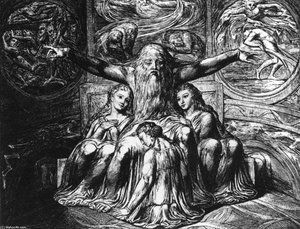
Job und seine Familie werden wieder wohlhabend
Giclée / Kunstdruck
Format der Reproduktion
-


Gesamtpreis
$ 62
William Blake’s Vision of Restoration: “Job und seine Familie wieder in Wohlstand”
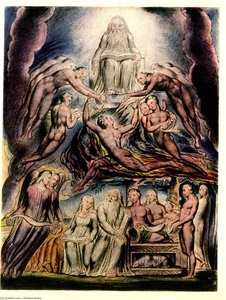
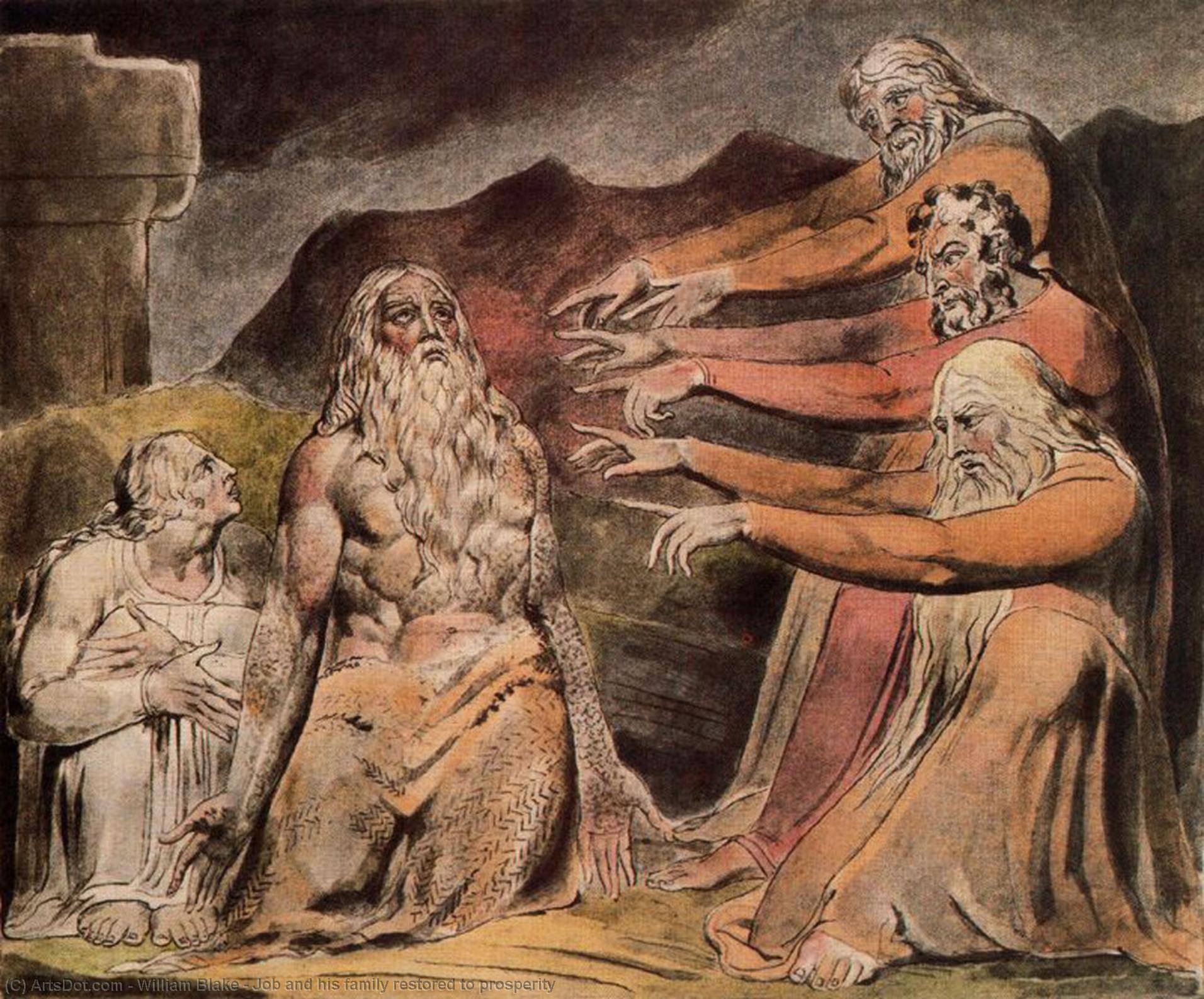
William Blake's "Job und seine Familie wieder in Wohlstand" – a captivating image from 1825 – transcends the simple narrative of biblical restoration. It is, fundamentally, a Romantic masterpiece, brimming with symbolic depth and an intensely emotional core. More than just depicting a family’s return to prosperity after hardship, Blake presents a profound meditation on faith, suffering, and divine grace, rendered in his signature style of rich color and intricate detail. The painting, executed as an engraving on thin paper, showcases Blake's mastery of line and texture, creating a palpable sense of warmth and intimacy despite the monumental scale of the scene.
The composition immediately draws the viewer into a world of vibrant contrasts. Job, seated centrally amidst his family – wife, children, and servants – is not portrayed as a triumphant hero, but rather as a figure of quiet dignity and profound gratitude. The setting, dominated by imposing mountains bathed in golden light, establishes an atmosphere of both grandeur and serenity. These peaks aren’t merely a backdrop; they symbolize the enduring strength of faith and the vastness of God's presence. Notice particularly the use of color – the warm hues of the clothing and faces contrast sharply with the cooler tones of the landscape, creating a dynamic interplay that mirrors the emotional journey depicted.
Blake’s Romantic Style and Neo-Romantic Influences
William Blake was a pivotal figure in the Romantic movement, an era defined by its emphasis on emotion, imagination, and individualism. His work is deeply rooted in this sensibility, evident in "Job und seine Familie wieder in Wohlstand" through his use of symbolism and allegory. The painting’s narrative isn't simply a retelling of the biblical story; it’s a visual representation of Blake’s own spiritual beliefs – a belief that suffering, while often painful, ultimately leads to a deeper understanding of God’s will. Blake was profoundly influenced by Neo-Romanticism, which sought to recapture the emotional intensity and visionary quality of earlier art movements like the Baroque. This influence is particularly apparent in the painting's dramatic lighting and its focus on subjective experience.
Consider the details: the overflowing baskets of fruit and grain represent abundance and prosperity, but they are not presented as a reward for Job’s virtue. Instead, they symbolize God’s grace – a gift freely given, regardless of human merit. The children's joyful expressions further reinforce this message, suggesting that restoration is not merely material wealth, but also encompasses spiritual fulfillment and familial harmony. Blake’s use of line is particularly noteworthy; each stroke carries weight and intention, contributing to the painting’s overall sense of dynamism and emotional resonance.
Symbolism and Narrative Depth
Beyond its surface beauty, “Job und seine Familie wieder in Wohlstand” is rich with symbolic meaning. The mountains themselves can be interpreted as representing the challenges Job faced – obstacles that tested his faith and resilience. The family’s reunion signifies not just material restoration but also a spiritual homecoming—a return to unity and purpose after a period of profound trial. The figures are arranged in a pyramidal composition, a common technique used by Blake to convey a sense of stability and order amidst chaos.
Furthermore, the painting subtly references other biblical narratives, particularly those concerning God’s covenant with Abraham and Isaac. Blake frequently drew parallels between these stories and Job's experience, suggesting that all believers are ultimately subject to similar trials and tribulations. The overall effect is a powerful meditation on faith, perseverance, and the enduring promise of divine redemption.
A Timeless Masterpiece – Reproductions Available
William Blake’s “Job und seine Familie wieder in Wohlstand” remains a profoundly moving work of art, captivating viewers with its beauty, symbolism, and emotional depth. ArtsDot offers meticulously crafted, hand-painted reproductions that faithfully capture the essence of this iconic image. These reproductions are not merely copies; they are artistic interpretations created by skilled artisans who understand Blake’s unique style and vision. Owning a ArtsDot reproduction allows you to bring this timeless masterpiece into your home or office, celebrating its enduring power and beauty for generations to come.
Explore the full range of available reproductions on our website: [Link to ArtsDot Product Page]
Ähnliche Kunstwerke
Über den Künstler
ein Leben, das von einem kreativen Geist geprägt ist
William Blake, ein visionärer Künstler, Dichter und Grafiker, hat eine unvergessliche Spur in der Kunstwelt hinterlassen. Geboren in London am 28. November 1757 und gestorben am 12. August 1827, war Blakes Leben ein Beweis für seinen tiefgreifenden kreativen Geist.Frühes Leben und Einflüsse
Blakes frühe Jahre waren von einer tiefen Verbindung zur Kunst geprägt. Sein Vater, William Blake Sr., ein Hosier, und seine Mutter, Catherine Wright, beeinflussten seine spirituellen und künstlerischen Neigungen. Dies führte zu seiner Lehre bei Francisco Bartolozzi, einem Kupferstecher.Künstlerische Entwicklung und bedeutende Werke
Blakes künstlerischer Weg führte durch verschiedene Medien wie Malerei, Poesie und Grafik. Zu seinen bekanntesten Werken gehören:- The Tyger (1795) - Ein Meisterwerk der romantischen Literatur, das Blakes einzigartige Mischung aus Mystik und Realität zeigt.
- The Sickle (1803) - Ein eindringliches Beispiel für seine Druckkunstfähigkeiten, das seine tiefe Verbindung zur Natur widerspiegelt.
- The Ghost of a Flea (ca. 1819–1820) - Ein Beweis für Blakes innovativen Ansatz in der Kunst, der die Grenzen zwischen Realität und Fantasie verwischt.
Museen mit Blakes Werken
- Blake Museum, Vereinigtes Königreich - Ein Muss für jeden Blake-Enthusiasten, das eine umfangreiche Sammlung seiner Werke beherbergt. [https://ArtsDot.com/@/william-blake](https://ArtsDot.com/@/william-blake)
- Fulham Public Library, Vereinigtes Königreich - Obwohl es sich nicht ausschließlich um ein Blake-Museum handelt, beherbergt es mehrere seiner bemerkenswerten Werke und bietet so eine einzigartige Perspektive auf die britische Kunst. [https://ArtsDot.com/@@/a@d3bma9-discovering-the-artworks-of-fulham-public-library-united-kingdom](https://ArtsDot.com/@@/a@d3bma9-discovering-the-artworks-of-fulham-public-library-united-kingdom)
Vermächtnis und Einfluss
Blakes Einfluss auf die britische Kunst ist unbestreitbar. Seine einzigartige Mischung aus Mystik, Prophezeiung und Vorstellungskraft hat Generationen von Künstlern inspiriert. Als Vorläufer der Romantik hat Blakes Werk bis heute eine einfache Kategorisierung verwehrt und ihn zu einem Grundstein der britischen Literatur und Kunst gemacht.Weitere Informationen
Für mehr über William Blake und seine Werke erfahren Sie: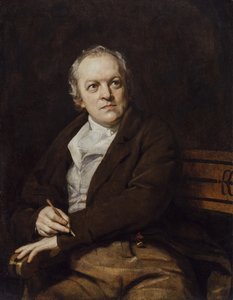
William Blake
1757 - 1827 , Vereinigtes Königreich
Kurzinfos
- Beeinflusste Künstler:
- Dante Gabriel Rossetti
- William Holman Hunt
- Bemerkenswerte Werke:
- The Tyger
- Das Sichelwerk
- Der Geist der Wahrheit
- Einflussreiche Künstler:
- Raphael
- Michelangelo
- Geburtsdatum: 1757-11-28
- Geburtsort: London, Vereinigtes Königreich
- Künstlerische Bewegung: Romantik
- Nationalität: Britisch
- Todatum: 1827-08-12
- Vollständiger Name: William Blake
Ähnliche Artikel

William Blake: Romantische Vision und mystischer Genius der Imagination
Entdecken Sie das faszinierende Werk von William Blake – einem revolutionären Künstler und Dichter der Romantik. Erfahren Sie mehr über seine mystischen Visionen, einzigartige Techniken und bleibenden Einfluss auf Kunst und Literatur.

The Enduring Legacy of Oil on Canvas: Technique, History & Aesthetic Impact
Explore the rich history & techniques of oil painting – from Renaissance masters to Impressionism. Discover pigments, layering methods, and why this timeless medium endures. Expert insights for artists & art enthusiasts.

Öl auf Leinwand: Eine historische und technische Erkundung eines zeitlosen künstlerischen Mediums
Entdecken Sie die faszinierende Welt der Ölmalerei! Von historischen Techniken bis zur modernen Anwendung – wir bieten Expertenwissen, Restaurierungstipps und hochwertige Reproduktionen. Jetzt informieren!

The Enduring Power of Painting: A Historical & Contemporary Exploration of Form and Emotion
Explore the rich history & enduring techniques of oil painting with ArtsDot. Discover masterpieces, learn about art collecting, and find authentic handmade reproductions crafted by skilled artists.
Familienporträts: Zeitlose Kunstwerke für Ihre persönliche Geschichte
Handgemalte Familienporträts von ArtsDot – Meisterhafte Kunstwerke für Ihre persönlichen Erinnerungen. Bewahren Sie Ihre Geschichte mit individuellen Auftragsmalereien & höchster Qualität! 100% Zufriedenheitsgarantie.