 Vorschau anzeigen
 Versenden
 Teilen
 Details anzeigen

 Herunterladen
 Ähnliche Objekte
 Röntgenaufnahme
 Diashow
 Statistiken
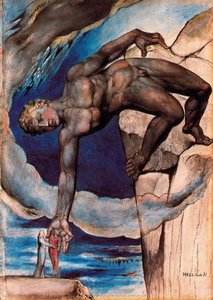
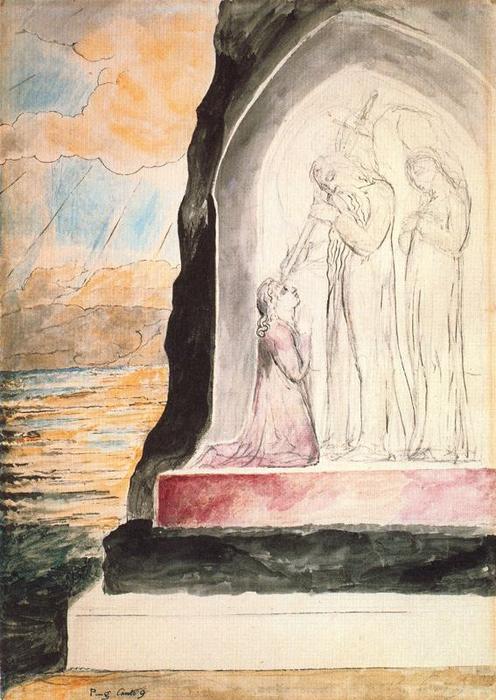
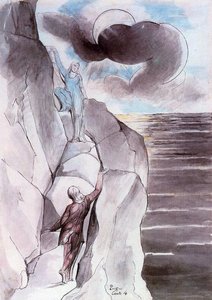
The angel marking the forhead of Dante


 Weiterlesen
Giclée / Kunstdruck
Giclée- oder Leinwanddruck in Museumsqualität mit schneller Produktion und flexiblen Veredelungsoptionen. ( Handgemalte Reproduktion bestellen Zum digitalen Bild wechseln)




P118B $10

P118H $10

P118W $10

P438Z $10

P508JH $12

P508YH $12

P805H $10

P805Z $10

P919BZ $10

P919G $10

P919XJ $10

P959ZH $10

P968JZ $12

W106C $8

W218G $10

W218JH $8

W218Y $10

W307PJ $10

W316G $10

W316PJ $8

W316Y $10

W398PJ $8

W4111J $10

W500HY $15

W500JH $15

W692G $12

W849H $8

W940BG $15

W953PJ $8




Wählen Sie aus unseren vordefinierten Formaten, die den ursprünglichen Proportionen des Kunstwerks entsprechen.

Sie können Ihre eigenen Maße eingeben, um ein bestimmtes Format oder einen speziellen Platz einzupassen. Wenn das von Ihnen gewählte Format nicht den Proportionen des Originalbildes entspricht, werden wir das Kunstwerk entweder beschneiden oder das Bild mit einem gespiegelten oder einfarbigen Rand erweitern. Ein digitaler Entwurf wird Ihnen zur Genehmigung zugesandt, bevor die Produktion beginnt.
Bitte beachten Sie, dass die Vorschau auf dem Bildschirm nicht den tatsächlichen Zuschnitt oder die Erweiterung widerspiegelt. Nur der Entwurf zeigt die endgültige Komposition präzise an.
Obwohl Sondermaße verfügbar sind, empfehlen wir die Auswahl eines Maßes aus der vordefinierten Liste, um die ursprünglichen Proportionen zu bewahren.
Weltweiter Versand () innerhalb von 2 Wochen statt der üblichen 4/5 Wochen. (8 September)

Kostenloser weltweiter Expressversand

Hochwertige Leinenleinwand

Umfassender Versicherungsschutz beim Versand

Zollgebühren-Rückerstattungsgarantie

Garantie für exakte Farbtreue

100-Tage-Rückgaberecht (nur bei Mängeln)

100% Geld-zurück-Garantie

Mengenrabatt verfügbar
 Die Glasoption ist nur für Größen unter 110 cm verfügbar.

The angel marking the forhead of Dante
Giclée / Kunstdruck
Format der Reproduktion
-


Gesamtpreis
$ 62
William Blake’s ‘The Angel Marking the Forehead of Dante’: A Vision of Spiritual Transformation
William Blake's "The Angel Marking the Forehead of Dante" is more than just a depiction of a biblical scene; it’s a profound meditation on spiritual awakening, visionary experience, and the fraught relationship between earthly knowledge and divine revelation. Painted in 1794, this watercolor captures a pivotal moment from Dante Alighieri's *Divine Comedy*, specifically the encounter between the poet and the angel who guides him through Hell and Purgatory. Blake’s interpretation transcends a simple illustration, instead offering a deeply personal and symbolic representation of Dante’s journey towards enlightenment.
- Subject Matter: The artwork centers on the iconic scene where the angel, often identified as Michael, marks Dante's forehead with a symbol – typically interpreted as the sign of the cross – signifying his acceptance into God’s grace and his readiness to embark on his epic poetic journey.
- Composition: Blake masterfully employs a pyramidal composition, drawing the viewer’s eye from the kneeling Dante towards the hovering angel. The inclusion of three additional figures—a man standing to the left and two others on the right—adds layers of complexity, perhaps representing witnesses to this transformative event or symbolizing aspects of human experience within the divine plan.
A Masterclass in Blakean Technique
Blake’s distinctive style is immediately recognizable in “The Angel Marking the Forehead of Dante.” He employed a technique known as ‘watercolor glazing,’ layering translucent washes of color to build up depth, luminosity, and an ethereal quality. The delicate handling of the pigments creates a shimmering effect, particularly noticeable in the depiction of the angel's wings and the waves of the ocean backdrop. Note the use of vibrant blues and greens – colors frequently associated with spirituality and the divine – contrasted against the darker tones of Dante’s clothing and the shadowed foreground. Blake’s meticulous attention to detail, evident in the rendering of textures like fabric and water, further enhances the artwork's immersive quality.
- Color Palette: The predominantly cool color palette—blues, greens, and grays—evokes a sense of serenity and contemplation, aligning with the painting’s overall mood.
- Linework: Blake’s characteristic fluid linework contributes to the artwork's dynamic energy and adds to its expressive power.
Symbolism and Romantic Ideals
“The Angel Marking the Forehead of Dante” is rich in symbolic meaning, reflecting Blake’s core Romantic beliefs. The angel represents divine guidance and spiritual authority, while Dante embodies human intellect and artistic aspiration. The act of marking the forehead symbolizes a profound transformation – a merging of earthly and divine consciousness. The beach setting itself—a liminal space between land and sea—further emphasizes this transition. Blake was deeply influenced by alchemy and esoteric traditions, which are subtly woven into the artwork’s symbolism. This piece exemplifies Blake's fascination with visionary experiences and his belief in the power of imagination to unlock spiritual truths.
Emotional Impact and Artistic Legacy
This watercolor resonates with a powerful sense of awe and reverence. It invites viewers to contemplate themes of faith, redemption, and the human condition. Blake’s work continues to captivate audiences today due to its timeless exploration of these universal concerns. A hand-painted reproduction of “The Angel Marking the Forehead of Dante” offers an unparalleled opportunity to experience the full beauty and emotional depth of this seminal artwork – a testament to William Blake's visionary genius.
Ähnliche Kunstwerke
Über den Künstler
ein Leben, das von einem kreativen Geist geprägt ist
William Blake, ein visionärer Künstler, Dichter und Grafiker, hat eine unvergessliche Spur in der Kunstwelt hinterlassen. Geboren in London am 28. November 1757 und gestorben am 12. August 1827, war Blakes Leben ein Beweis für seinen tiefgreifenden kreativen Geist.Frühes Leben und Einflüsse
Blakes frühe Jahre waren von einer tiefen Verbindung zur Kunst geprägt. Sein Vater, William Blake Sr., ein Hosier, und seine Mutter, Catherine Wright, beeinflussten seine spirituellen und künstlerischen Neigungen. Dies führte zu seiner Lehre bei Francisco Bartolozzi, einem Kupferstecher.Künstlerische Entwicklung und bedeutende Werke
Blakes künstlerischer Weg führte durch verschiedene Medien wie Malerei, Poesie und Grafik. Zu seinen bekanntesten Werken gehören:- The Tyger (1795) - Ein Meisterwerk der romantischen Literatur, das Blakes einzigartige Mischung aus Mystik und Realität zeigt.
- The Sickle (1803) - Ein eindringliches Beispiel für seine Druckkunstfähigkeiten, das seine tiefe Verbindung zur Natur widerspiegelt.
- The Ghost of a Flea (ca. 1819–1820) - Ein Beweis für Blakes innovativen Ansatz in der Kunst, der die Grenzen zwischen Realität und Fantasie verwischt.
Museen mit Blakes Werken
- Blake Museum, Vereinigtes Königreich - Ein Muss für jeden Blake-Enthusiasten, das eine umfangreiche Sammlung seiner Werke beherbergt. [https://ArtsDot.com/@/william-blake](https://ArtsDot.com/@/william-blake)
- Fulham Public Library, Vereinigtes Königreich - Obwohl es sich nicht ausschließlich um ein Blake-Museum handelt, beherbergt es mehrere seiner bemerkenswerten Werke und bietet so eine einzigartige Perspektive auf die britische Kunst. [https://ArtsDot.com/@@/a@d3bma9-discovering-the-artworks-of-fulham-public-library-united-kingdom](https://ArtsDot.com/@@/a@d3bma9-discovering-the-artworks-of-fulham-public-library-united-kingdom)
Vermächtnis und Einfluss
Blakes Einfluss auf die britische Kunst ist unbestreitbar. Seine einzigartige Mischung aus Mystik, Prophezeiung und Vorstellungskraft hat Generationen von Künstlern inspiriert. Als Vorläufer der Romantik hat Blakes Werk bis heute eine einfache Kategorisierung verwehrt und ihn zu einem Grundstein der britischen Literatur und Kunst gemacht.Weitere Informationen
Für mehr über William Blake und seine Werke erfahren Sie: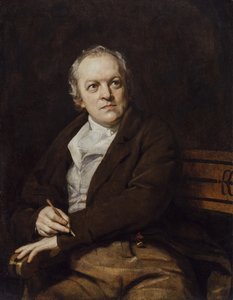
William Blake
1757 - 1827 , Vereinigtes Königreich
Kurzinfos
- Beeinflusste Künstler:
- Dante Gabriel Rossetti
- William Holman Hunt
- Bemerkenswerte Werke:
- The Tyger
- Das Sichelwerk
- Der Geist der Wahrheit
- Einflussreiche Künstler:
- Raphael
- Michelangelo
- Geburtsdatum: 1757-11-28
- Geburtsort: London, Vereinigtes Königreich
- Künstlerische Bewegung: Romantik
- Nationalität: Britisch
- Todatum: 1827-08-12
- Vollständiger Name: William Blake
Ähnliche Artikel

Ephemeral Visions: Exploring the Artistic Legacy & Contemporary Practice of Watercolor Painting
Explore the captivating world of watercolor painting! Discover its rich history, essential techniques, influential artists & collecting tips. A comprehensive guide for art enthusiasts from ArtsDot.

Flüchtige Visionen: Die Geschichte und emotionale Resonanz der Aquarellmalerei
Entdecken Sie die faszinierende Welt der Aquarellmalerei! Von historischen Ursprüngen bis zu modernen Techniken – wir bieten Expertenwissen, Inspiration und Tipps für Anfänger & Fortgeschrittene.

William Blake: Romantische Vision und mystischer Genius der Imagination
Entdecken Sie das faszinierende Werk von William Blake – einem revolutionären Künstler und Dichter der Romantik. Erfahren Sie mehr über seine mystischen Visionen, einzigartige Techniken und bleibenden Einfluss auf Kunst und Literatur.

Die 10 legendärsten Aquarellwerke der Kunstgeschichte – Meisterwerke für Ihr Zuhause
Entdecken Sie die 10 legendärsten Aquarellwerke der Kunstgeschichte! Von Turner bis Monet – erleben Sie die Geschichten, Techniken & Farben dieser Meisterwerke. Finden Sie hochwertige Kunstdrucke auf ArtsDot.com und gestalten Sie Ihr Zuhause mit zeitloser Eleganz.
Dante Gabriel Rossetti: Die 25 Meisterwerke des Präraffelitismus | ArtsDot
Entdecken Sie die 25 schönsten Gemälde von Dante Gabriel Rossetti! Tauchen Sie ein in die Welt der Präraffeliten, symbolistischer Kunst & viktorianischer Romantik. Hochwertige Reproduktionen für Ihr Zuhause – jetzt bei ArtsDot.com!