 Vorschau anzeigen
 Versenden
 Teilen
 Details anzeigen

 Herunterladen
 Ähnliche Objekte
 Röntgenaufnahme
 Diashow
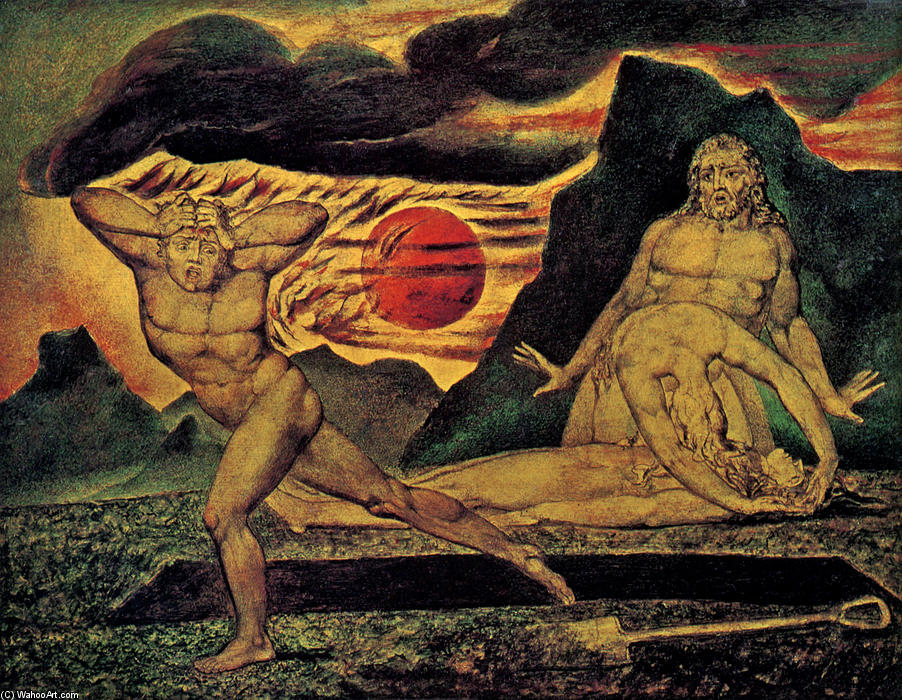
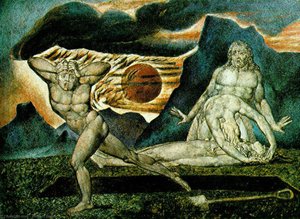
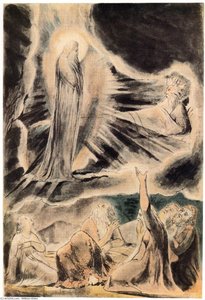
The Body of Abel Found by Adam ^ Eve


 Weiterlesen
Giclée / Kunstdruck
Giclée- oder Leinwanddruck in Museumsqualität mit schneller Produktion und flexiblen Veredelungsoptionen. ( Handgemalte Reproduktion bestellen Bild kaufen)




P118B $10

P118H $10

P118W $10

P438Z $10

P508JH $12

P508YH $12

P805H $10

P805Z $10

P919BZ $10

P919G $10

P919XJ $10

P959ZH $10

P968JZ $12

W106C $8

W218G $10

W218JH $8

W218Y $10

W307PJ $10

W316G $10

W316PJ $8

W316Y $10

W398PJ $8

W4111J $10

W500HY $15

W500JH $15

W692G $12

W849H $8

W940BG $15

W953PJ $8




Wählen Sie aus unseren vordefinierten Formaten, die den ursprünglichen Proportionen des Kunstwerks entsprechen.

Sie können Ihre eigenen Maße eingeben, um ein bestimmtes Format oder einen speziellen Platz einzupassen. Wenn das von Ihnen gewählte Format nicht den Proportionen des Originalbildes entspricht, werden wir das Kunstwerk entweder beschneiden oder das Bild mit einem gespiegelten oder einfarbigen Rand erweitern. Ein digitaler Entwurf wird Ihnen zur Genehmigung zugesandt, bevor die Produktion beginnt.
Bitte beachten Sie, dass die Vorschau auf dem Bildschirm nicht den tatsächlichen Zuschnitt oder die Erweiterung widerspiegelt. Nur der Entwurf zeigt die endgültige Komposition präzise an.
Obwohl Sondermaße verfügbar sind, empfehlen wir die Auswahl eines Maßes aus der vordefinierten Liste, um die ursprünglichen Proportionen zu bewahren.
Weltweiter Versand () innerhalb von 2 Wochen statt der üblichen 4/5 Wochen. (23 August)

Kostenloser weltweiter Expressversand

Hochwertige Leinenleinwand

Umfassender Versicherungsschutz beim Versand

Zollgebühren-Rückerstattungsgarantie

Garantie für exakte Farbtreue

60 Tage Rückgaberecht (nur bei Mängeln)

100% Geld-zurück-Garantie

Mengenrabatt verfügbar
 Die Glasoption ist nur für Größen unter 110 cm verfügbar.

The Body of Abel Found by Adam ^ Eve
Giclée / Kunstdruck
Format der Reproduktion
-


Gesamtpreis
$ 62
Sammlerstück-Beschreibung
William Blake’s ‘The Body of Abel Found by Adam and Eve’: A Vision of Loss and Redemption
William Blake's 1825 painting, “The Body of Abel Found by Adam and Eve,” is a profoundly unsettling yet undeniably beautiful work that encapsulates the anxieties and spiritual yearnings of the Romantic era. This evocative scene, depicting the aftermath of Abel’s murder at the hands of his brother Cain, transcends a simple biblical narrative; it becomes a potent meditation on innocence lost, guilt, and the potential for redemption within the human condition. The painting's raw emotional power stems from Blake’s unique ability to fuse visionary imagery with meticulous technical skill, creating an artwork that continues to resonate with viewers centuries later.
- Subject Matter: The composition centers on two figures – Adam and Eve – reacting to the gruesome discovery of Abel's lifeless body. Their postures are not those of horrified witnesses but rather of individuals grappling with a devastating revelation, suggesting a deeper, more personal engagement with the tragedy.
- Style & Technique: Blake’s style is immediately recognizable through his characteristic use of vibrant color and intricate detail. The painting demonstrates his mastery of mezzotint engraving, a technique he pioneered, allowing for incredibly rich tonal gradations and subtle textures. The meticulous rendering of the figures' musculature and the dramatic lighting contribute to the scene’s intense emotional impact.
Historical Context & Blake’s Romantic Vision
Painted in 1825, a period marked by significant social and political upheaval in England – the Industrial Revolution was rapidly transforming the landscape and challenging traditional beliefs – “The Body of Abel Found by Adam and Eve” reflects the broader anxieties of the time. Blake was deeply concerned with themes of innocence corrupted, the struggle between good and evil, and the importance of individual spiritual experience. His work aligns perfectly with the tenets of Romanticism, which emphasized emotion, imagination, and a reverence for nature – elements powerfully represented in this piece through the imposing mountain backdrop and the dramatic red sun.
- Biblical Interpretation: Blake’s interpretation of the biblical story diverges significantly from traditional accounts. He doesn't portray Cain as a purely evil figure but rather as a victim of circumstance, mirroring the inherent vulnerability of human nature.
- Symbolism: The red sun, often interpreted as representing divine judgment or passion, adds to the painting’s dramatic intensity. The book in the foreground – a possible reference to the Bible itself – suggests a questioning of established religious dogma and an emphasis on personal interpretation.
Emotional Impact & Artistic Legacy
"The Body of Abel Found by Adam and Eve" is not merely a depiction of a biblical event; it’s a visceral exploration of human suffering, guilt, and the possibility of grace. Blake's masterful use of light and shadow creates a palpable sense of drama and despair, drawing the viewer into the scene's emotional core. The figures’ expressions – Adam’s sorrowful gaze and Eve’s apparent shock – convey a profound sense of loss and vulnerability. This painting solidified Blake’s reputation as a visionary artist and poet, influencing generations of subsequent artists and writers. Its enduring power lies in its ability to tap into universal themes of mortality, morality, and the search for meaning.
Reproduction & Acquisition
ArtsDot offers meticulously crafted hand-painted reproductions of William Blake’s “The Body of Abel Found by Adam and Eve,” ensuring that you possess a faithful representation of this iconic artwork. Our skilled artisans employ traditional techniques to faithfully recreate Blake's intricate details and vibrant color palette, bringing this powerful image into your home or office. Whether for personal enjoyment or as an investment in significant art history, a ArtsDot reproduction offers the perfect way to experience the enduring legacy of William Blake’s genius.
Ähnliche Kunstwerke
Über den Künstler
ein Leben, das von einem kreativen Geist geprägt ist
William Blake, ein visionärer Künstler, Dichter und Grafiker, hat eine unvergessliche Spur in der Kunstwelt hinterlassen. Geboren in London am 28. November 1757 und gestorben am 12. August 1827, war Blakes Leben ein Beweis für seinen tiefgreifenden kreativen Geist.Frühes Leben und Einflüsse
Blakes frühe Jahre waren von einer tiefen Verbindung zur Kunst geprägt. Sein Vater, William Blake Sr., ein Hosier, und seine Mutter, Catherine Wright, beeinflussten seine spirituellen und künstlerischen Neigungen. Dies führte zu seiner Lehre bei Francisco Bartolozzi, einem Kupferstecher.Künstlerische Entwicklung und bedeutende Werke
Blakes künstlerischer Weg führte durch verschiedene Medien wie Malerei, Poesie und Grafik. Zu seinen bekanntesten Werken gehören:- The Tyger (1795) - Ein Meisterwerk der romantischen Literatur, das Blakes einzigartige Mischung aus Mystik und Realität zeigt.
- The Sickle (1803) - Ein eindringliches Beispiel für seine Druckkunstfähigkeiten, das seine tiefe Verbindung zur Natur widerspiegelt.
- The Ghost of a Flea (ca. 1819–1820) - Ein Beweis für Blakes innovativen Ansatz in der Kunst, der die Grenzen zwischen Realität und Fantasie verwischt.
Museen mit Blakes Werken
- Blake Museum, Vereinigtes Königreich - Ein Muss für jeden Blake-Enthusiasten, das eine umfangreiche Sammlung seiner Werke beherbergt. [https://ArtsDot.com/@/william-blake](https://ArtsDot.com/@/william-blake)
- Fulham Public Library, Vereinigtes Königreich - Obwohl es sich nicht ausschließlich um ein Blake-Museum handelt, beherbergt es mehrere seiner bemerkenswerten Werke und bietet so eine einzigartige Perspektive auf die britische Kunst. [https://ArtsDot.com/@@/a@d3bma9-discovering-the-artworks-of-fulham-public-library-united-kingdom](https://ArtsDot.com/@@/a@d3bma9-discovering-the-artworks-of-fulham-public-library-united-kingdom)
Vermächtnis und Einfluss
Blakes Einfluss auf die britische Kunst ist unbestreitbar. Seine einzigartige Mischung aus Mystik, Prophezeiung und Vorstellungskraft hat Generationen von Künstlern inspiriert. Als Vorläufer der Romantik hat Blakes Werk bis heute eine einfache Kategorisierung verwehrt und ihn zu einem Grundstein der britischen Literatur und Kunst gemacht.Weitere Informationen
Für mehr über William Blake und seine Werke erfahren Sie: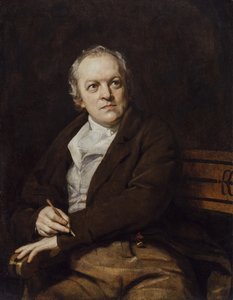
William Blake
1757 - 1827 , Vereinigtes Königreich
Kurzinfos
- Beeinflusste Künstler:
- Dante Gabriel Rossetti
- William Holman Hunt
- Bemerkenswerte Werke:
- The Tyger
- Das Sichelwerk
- Der Geist der Wahrheit
- Einflussreiche Künstler:
- Raphael
- Michelangelo
- Geburtsdatum: 1757-11-28
- Geburtsort: London, Vereinigtes Königreich
- Künstlerische Bewegung: Romantik
- Nationalität: Britisch
- Todatum: 1827-08-12
- Vollständiger Name: William Blake
Ähnliche Artikel

William Blake: Romantische Vision und mystischer Genius der Imagination
Entdecken Sie das faszinierende Werk von William Blake – einem revolutionären Künstler und Dichter der Romantik. Erfahren Sie mehr über seine mystischen Visionen, einzigartige Techniken und bleibenden Einfluss auf Kunst und Literatur.

Giclée Prints: Archival Quality & Aesthetic Nuances for the Discerning Collector
Explore the world of giclée prints with ArtsDot. Learn about archival quality, aesthetic nuances & investment potential. Expert guidance for discerning art collectors seeking museum-quality reproductions and lasting value.

Echoes of Time: Exploring the Enduring Appeal & Historical Context of Vintage Art Prints
Explore the captivating world of vintage art prints! Discover their history, collecting tips & enduring appeal. Expert insights on chromolithography and building a legacy collection with ArtsDot.

The Enduring Legacy of Fine Art Prints: Technique, History & Aesthetic Impact
Explore the rich history & techniques of fine art prints. Discover investment potential, assess authenticity, and learn how to preserve your collection with expert guidance. Trusted insights for discerning collectors.
Romantic Realism's Finest: 10 Masterpieces for Your Home | ArtsDot
Explore 10 defining masterpieces of Romantic Realism! Discover Courbet, Millet & Daumier's powerful paintings—capturing emotion and social realities. Find museum-quality reproductions for your home at ArtsDot.com.