 Vorschau anzeigen
 Versenden
 Teilen
 Details anzeigen

 Herunterladen
 Ähnliche Objekte
 Röntgenaufnahme
 Diashow
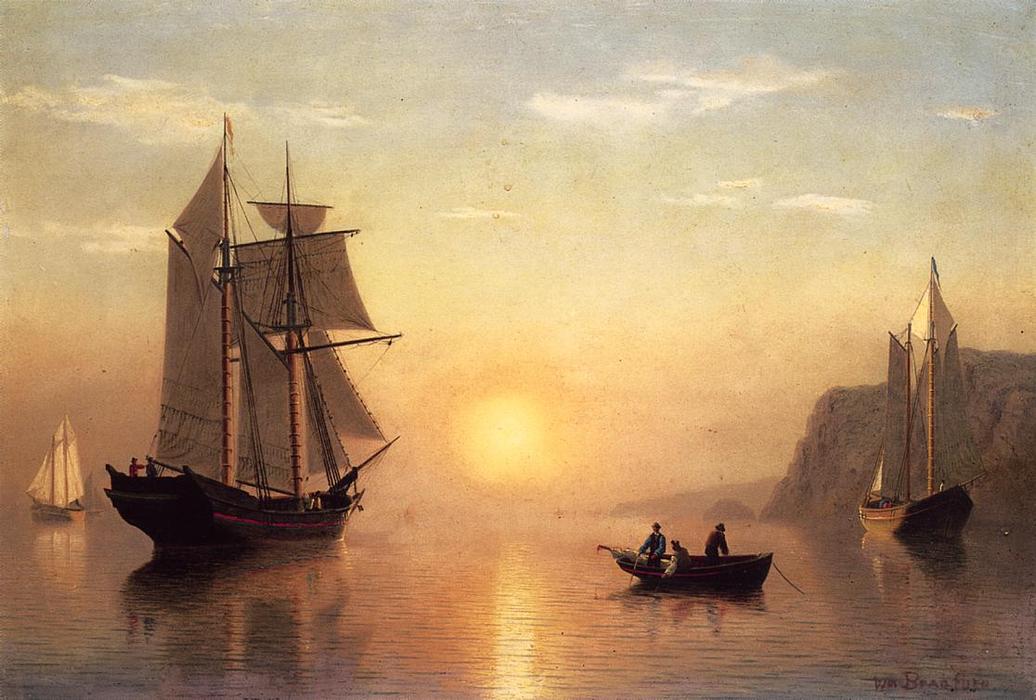
Ruhige Dämmerung in der Bucht von Fundy


 Weiterlesen
Giclée / Kunstdruck
Giclée- oder Leinwanddruck in Museumsqualität mit schneller Produktion und flexiblen Veredelungsoptionen. ( Handgemalte Reproduktion bestellen Bild kaufen)




































Wählen Sie aus unseren vordefinierten Formaten, die den ursprünglichen Proportionen des Kunstwerks entsprechen.

Sie können Ihre eigenen Maße eingeben, um ein bestimmtes Format oder einen speziellen Platz einzupassen. Wenn das von Ihnen gewählte Format nicht den Proportionen des Originalbildes entspricht, werden wir das Kunstwerk entweder beschneiden oder das Bild mit einem gespiegelten oder einfarbigen Rand erweitern. Ein digitaler Entwurf wird Ihnen zur Genehmigung zugesandt, bevor die Produktion beginnt.
Bitte beachten Sie, dass die Vorschau auf dem Bildschirm nicht den tatsächlichen Zuschnitt oder die Erweiterung widerspiegelt. Nur der Entwurf zeigt die endgültige Komposition präzise an.
Obwohl Sondermaße verfügbar sind, empfehlen wir die Auswahl eines Maßes aus der vordefinierten Liste, um die ursprünglichen Proportionen zu bewahren.
Weltweiter Versand () innerhalb von 2 Wochen statt der üblichen 4/5 Wochen. (22 August)

Kostenloser weltweiter Expressversand

Hochwertige Leinenleinwand

Umfassender Versicherungsschutz beim Versand

Zollgebühren-Rückerstattungsgarantie

Garantie für exakte Farbtreue

60 Tage Rückgaberecht (nur bei Mängeln)

100% Geld-zurück-Garantie

Mengenrabatt verfügbar
 Die Glasoption ist nur für Größen unter 110 cm verfügbar.

Ruhige Dämmerung in der Bucht von Fundy
Giclée / Kunstdruck
Format der Reproduktion
-


Gesamtpreis
$ 62
Sammlerstück-Beschreibung
Eine Szene friedlicher Ruhe: "Sunset Calm in the Bay of Fundy"
William Bradfords Gemälde „Sunset Calm in the Bay of Fundy“ entführt den Betrachter an einen ruhigen Küstenort, der im warmen Schein des Zwielichts erstrahlt. Dieses fesselnde Landschaftsbild aus dem Jahr 1860 fängt meisterhaft die Schönheit und Dramatik des maritimen Lebens vor der Kulisse eines atemberaubenden Sonnenuntergangs ein. Die ausgewogene Komposition zeigt drei Segelboote, die anmutig in Richtung einer entfernten, felsigen Küste gleiten, die von goldenem Sonnenlicht erhellt wird, wodurch eine räumliche Tiefe und Perspektive entsteht, die den Blick ins Weite zieht. Ein kleines Ruderboot fügt einen Hauch menschlicher Präsenz hinzu und betont die Größe der Natur.
Romantik & Künstlerische Technik
Das Gemälde ist fest in der Tradition des Romantismus verwurzelt, was sich in der Betonung der atmosphärischen Perspektive und emotionalen Resonanz zeigt. Bradford setzt geschickt horizontale Linien ein, um die Wasseroberfläche und Horizontlinie zu betonen, wobei er sie mit der Vertikalität der Schiffsmasten kontrastiert. Die Verwendung organischer Formen – Wellen, Boote und Landformen – sind nahtlos miteinander verbunden und tragen zu einem Gefühl von Tiefe und Ruhe bei. Bradfords Technik zeichnet sich durch zarte Pinselstriche und Lasuren in Ölfarbe aus, was eine glatte, leicht verschwommene Textur ergibt, die den atmosphärischen Effekt verstärkt. Besonders hervorzuheben ist das Licht; der untergehende Sonnenuntergang wirft lange Schatten und erzeugt einen warmen Schein über dem Wasser und Himmel, wodurch die Szene mit einer spürbaren Gelassenheit erfüllt wird.
Historischer Kontext & Bradfords Reise
Dieses Werk entstand im Jahr 1860, einer Zeit wachsenden Interesses an Landschaftsmalerei und Entdeckung. William Bradford (1830-1908), der oft mit Arktis-Meereslandschaften in Verbindung gebracht wird – aufgrund seiner Expeditionen mit Dr. Isaac Hayes –, zeigt hier ein scharfes Auge für die Erfassung der Schönheit gemäßigter Küstenumgebungen. Bradfords spätere Reisen in die Arktis, finanziert von Legrand Lockwood, und seine anschließende Veröffentlichung „The Arctic Regions“ zeigten nicht nur sein künstlerisches Talent, sondern auch seinen abenteuerlichen Geist und sein Engagement für die Dokumentation unerforschter Gebiete. Dieses Gemälde kann als frühes Beispiel für seine Fähigkeit betrachtet werden, atmosphärische Schönheit einzufangen, was seine späteren Werke mit eisigen Landschaften vorwegnimmt.
Symbolik & Emotionale Wirkung
Über seinen ästhetischen Reiz hinaus trägt „Sunset Calm in the Bay of Fundy“ symbolische Bedeutung. Die Segelboote stehen für Reisen und Erkundungen, während die ruhigen Gewässer ein Gefühl von Frieden und Reflexion hervorrufen. Der untergehende Sonnenuntergang symbolisiert die Vergänglichkeit der Zeit und Schönheit und verleiht der Szene einen Hauch von Melancholie. Die emotionale Wirkung des Gemäldes ist tiefgreifend; es lädt den Betrachter ein, über die Kraft und Erhabenheit der Natur sowie über die menschliche Verbindung zum Meer nachzudenken. Es ist ein Kunstwerk, das Gefühle von Ruhe, Abenteuer und stiller Kontemplation beim Beobachten der natürlichen Welt anspricht.
Ähnliche Kunstwerke




Über den Künstler
Giuseppe Arcimboldo: The Alchemist of Perception
Giuseppe Arcimboldo (1527 – 1593) stands as a singular figure in the Venetian Renaissance, celebrated not merely for his artistic skill but for his audacious conceptual innovation. He wasn’t simply painting portraits; he was crafting elaborate visual puzzles—living sculptures composed entirely of fruit, vegetables, flowers, feathers, and meticulously arranged objects—that challenged viewers to reconsider their understanding of representation itself. Born in Milan, Arcimboldo's early life remains shrouded in some mystery, though his father, Biagio Arcimboldo, was a respected artist who instilled in him a profound appreciation for disegno (drawing) and colore (color).- Early Training & Artistic Influences: Arcimboldo’s formative years coincided with the flourishing of Mannerism in Venice, where he absorbed the stylistic precepts of artists like Tintoretto and Veronese. These masters championed dramatic lighting, distorted perspective, and expressive gestures—techniques that would profoundly shape Arcimboldo's distinctive visual language.
- Court Painter & Patronage: Arcimboldo swiftly ascended to prominence as court painter for Maximilian II Habsburg and Rudolf II Holy Roman Emperors in Vienna and Prague. This prestigious position afforded him access to imperial patronage, allowing him to undertake ambitious projects that showcased his artistic prowess and intellectual curiosity.
- The Emblematic Portrait: Arcimboldo’s breakthrough came with his series of portrait heads—famously dubbed “Emblems”—which transformed recognizable faces into fantastical assemblages of natural elements. These works weren't merely decorative; they functioned as complex visual metaphors, conveying ideas about power, wisdom, and the interconnectedness of nature and humanity.
- Religious Commissions & Artistic Legacy: Beyond portraiture, Arcimboldo produced numerous religious paintings—including altarpieces for churches in Milan and Prague—demonstrating his mastery of traditional artistic conventions while simultaneously injecting them with a subversive element of visual experimentation. His enduring legacy lies not only in his groundbreaking portraits but also in his contribution to the development of Baroque art, influencing subsequent generations of painters with his inventive use of color and composition.
Technique & Artistic Vision
Arcimboldo’s technique was characterized by meticulous observation and painstaking execution. He possessed an unparalleled ability to dissect a subject—whether human or animal—and reconstruct it from disparate components, transforming them into unified images that defied conventional notions of realism. His approach involved careful layering of paint—often employing glazing techniques—to achieve luminous colors and subtle tonal gradations. Furthermore, he meticulously studied botanical specimens and anatomical drawings, integrating scientific knowledge into his artistic practice.- Botanical Precision: Arcimboldo’s fascination with botany extended beyond mere aesthetic appreciation; it informed his compositional choices and contributed to the symbolic richness of his artworks. He painstakingly arranged fruits, vegetables, and flowers—often sourced from imperial gardens—to create harmonious visual compositions that mirrored the underlying structure of the human form.
- Spatial Illusion & Perspective: Like many Venetian artists of his time, Arcimboldo skillfully manipulated spatial illusion to heighten dramatic impact. He employed techniques such as aerial perspective—creating a hazy atmosphere—and foreshortening—compressing depth—to convey a sense of grandeur and immediacy.
- Symbolic Representation: Arcimboldo’s portraits were imbued with symbolic meaning, reflecting his engagement with humanist philosophy and Renaissance Neo-Platonism. He utilized objects—such as feathers representing intellect and books symbolizing erudition—to communicate ideas about virtue, wisdom, and the pursuit of knowledge.
Notable Works & Recognition
Among Arcimboldo’s most celebrated achievements are his “Emblem” portraits—particularly *The Four Seasons*, which embodies the humanist ideal of synthesizing disparate disciplines into a single harmonious whole. This monumental fresco, housed in Prague Castle, exemplifies Arcimboldo's mastery of color and composition while simultaneously conveying profound philosophical concepts. Other noteworthy paintings include *Saint George and the Dragon*, commissioned by Rudolf II Holy Roman Emperor—a dramatic depiction of Christian heroism—and *The Wedding Feast at Cana*, which showcases Arcimboldo’s virtuoso handling of light and color. His work garnered considerable acclaim during his lifetime, securing him a place among the foremost artists of his era and cementing his reputation as an innovator who reshaped the boundaries of artistic expression.Influence & Legacy
Giuseppe Arcimboldo's influence extended far beyond his own time, inspiring subsequent generations of painters—including Rembrandt and Rubens—with his inventive use of visual metaphor and his daring experimentation with technique. His approach to portraiture—characterized by its conceptual depth and artistic virtuosity—continues to resonate with artists today who strive to transcend conventional representations and engage viewers on a deeper level. Arcimboldo’s legacy resides not only in his iconic artworks but also in his pioneering role as a visionary artist who challenged the conventions of his era and elevated painting to new heights of intellectual and aesthetic sophistication.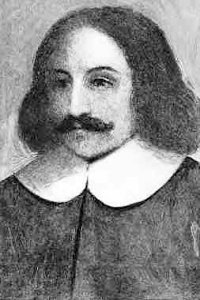
William Bradford
1590 - 1657 , Vereinigtes Königreich
Kurzinfos
- Artistic Movement Or Style: Rinascimento Barocco
- Artists Who Influenced This Artist:
- Andrea Palladio
- Leonardo da Vinci
- Date Of Birth: 5 aprile 1527
- Date Of Death: 11 luglio 1593
- Full Name: Giuseppe Arcimboldo
- Nationality: Italiane
- Notable Artworks:
- Il Quaderno degli strumenti musicali
- La Tavola delle stagioni
- Place Of Birth: Milano, Italia
Ähnliche Artikel

John Constable: Die 25 Meisterwerke des englischen Landschaftsgenies – ArtsDot
Entdecken Sie die 25 Meisterwerke von John Constable! Erleben Sie englische Landschaftsmalerei vom Hay Wain bis zur Stour Valley. Hochwertige Reproduktionen & Kunst für Ihr Zuhause auf ArtsDot.com.

Romantische Landschaften: Die 10 Meisterwerke, die eine Epoche prägten | ArtsDot
Entdecken Sie die 10 Meisterwerke der Romantischen Landschaftsmalerei! Von Caspar David Friedrich bis Turner – erleben Sie die Kunst, Emotion & Natur. Hochwertige Reproduktionen auf ArtsDot.com

Evocations of Place: A Historical Journey Through Landscape Art
Explore the rich history of landscape art with ArtsDot. Discover renowned artists, movements like Impressionism & Romanticism, and expert guidance for collecting timeless pieces. Find your perfect serene escape today!

Evoking Nature's Sublime: A Comprehensive Exploration of 19th-Century Landscape Painting
Explore the captivating world of 19th-century landscape painting! Discover renowned artists like Friedrich & Monet, key movements, and find the perfect artwork to bring nature's serenity into your home. Expert insights at ArtsDot.

Evocations of Place: A Historical Journey Through Landscape Art
Explore the rich history of landscape art with ArtsDot. Discover renowned artists, movements like Impressionism & tonalism, and expert guidance for collecting timeless pieces. Find your perfect serene escape today!