 Vorschau anzeigen
 Versenden
 Teilen
 Details anzeigen

 Herunterladen
 Ähnliche Objekte
 Röntgenaufnahme
 Diashow
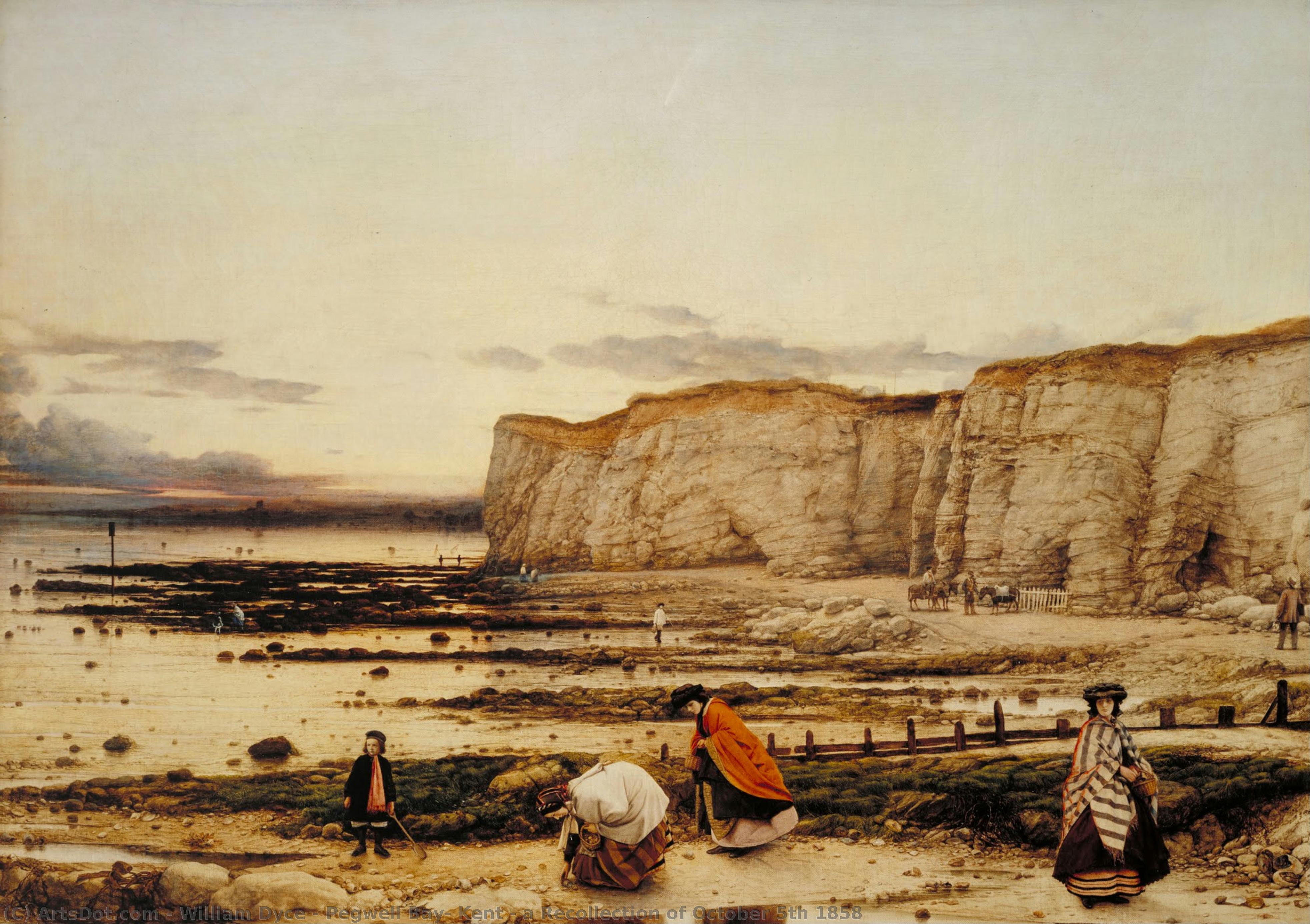
Pegwell Bay, Kent - a Recollection of October 5th 1858
 Acrylic On Canvas
- WallArt
- Pre-Raphaelite Revival
 1858
1858 88.0 x 63.0 cm
 Tate Britain
 Weiterlesen
Giclée / Kunstdruck
Giclée- oder Leinwanddruck in Museumsqualität mit schneller Produktion und flexiblen Veredelungsoptionen. ( Handgemalte Reproduktion bestellen Bild kaufen)




P118B $10

P118H $10

P118W $10

P438Z $10

P508JH $12

P508YH $12

P805H $10

P805Z $10

P919BZ $10

P919G $10

P919XJ $10

P959ZH $10

P968JZ $12

W106C $8

W218G $10

W218JH $8

W218Y $10

W307PJ $10

W316G $10

W316PJ $8

W316Y $10

W398PJ $8

W4111J $10

W500HY $15

W500JH $15

W692G $12

W849H $8

W940BG $15

W953PJ $8




Wählen Sie aus unseren vordefinierten Formaten, die den ursprünglichen Proportionen des Kunstwerks entsprechen.

Sie können Ihre eigenen Maße eingeben, um ein bestimmtes Format oder einen speziellen Platz einzupassen. Wenn das von Ihnen gewählte Format nicht den Proportionen des Originalbildes entspricht, werden wir das Kunstwerk entweder beschneiden oder das Bild mit einem gespiegelten oder einfarbigen Rand erweitern. Ein digitaler Entwurf wird Ihnen zur Genehmigung zugesandt, bevor die Produktion beginnt.
Bitte beachten Sie, dass die Vorschau auf dem Bildschirm nicht den tatsächlichen Zuschnitt oder die Erweiterung widerspiegelt. Nur der Entwurf zeigt die endgültige Komposition präzise an.
Obwohl Sondermaße verfügbar sind, empfehlen wir die Auswahl eines Maßes aus der vordefinierten Liste, um die ursprünglichen Proportionen zu bewahren.
Weltweiter Versand () innerhalb von 2 Wochen statt der üblichen 4/5 Wochen. (23 August)

Kostenloser weltweiter Expressversand

Hochwertige Leinenleinwand

Umfassender Versicherungsschutz beim Versand

Zollgebühren-Rückerstattungsgarantie

Garantie für exakte Farbtreue

60 Tage Rückgaberecht (nur bei Mängeln)

100% Geld-zurück-Garantie

Mengenrabatt verfügbar
 Die Glasoption ist nur für Größen unter 110 cm verfügbar.

Pegwell Bay, Kent - a Recollection of October 5th 1858
Giclée / Kunstdruck
Format der Reproduktion
-


Gesamtpreis
$ 62
Sammlerstück-Beschreibung
Pegwell Bay, Kent – A Recollection of October 5th 1858
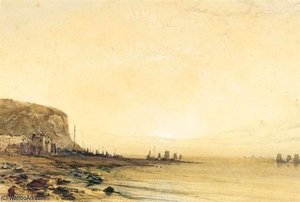
William Dyce’s “Pegwell Bay, Kent – A Recollection of October 5th 1858” isn't merely a depiction of a coastal landscape; it’s a meticulously crafted meditation on observation and memory, embodying the core tenets of Pre-Raphaelite art. Painted in 1860, this oil-on-canvas masterpiece resides within the Tate Gallery’s collection, offering viewers an unparalleled glimpse into Dyce's artistic vision and his fascination with capturing fleeting moments of beauty. The Scene: The painting transports us to Pegwell Bay, Kent – a tranquil inlet nestled between Ramsgate and Sandwich – on a crisp October day. Dyce meticulously rendered the shoreline, dominated by rugged cliffs rising majestically against the muted hues of the sea and sky. Scattered amongst the rocks are figures—a family group strolling along the beach—engaged in what appears to be a leisurely pursuit of pleasure amidst nature’s grandeur. The artist's keen eye captures not just the visual elements but also the palpable atmosphere of serenity and contemplation. Style & Technique: Dyce’s approach aligns perfectly with the Pre-Raphaelite movement, rejecting the idealized conventions prevalent in academic art of his time. Instead, he champions a style characterized by heightened realism—a deliberate departure from the polished surfaces favored by earlier artists—and an astonishing level of detail. Every stone, every ripple of water, every strand of grass is rendered with painstaking precision, demonstrating Dyce’s mastery of technique and his unwavering commitment to capturing the essence of his subject matter. The artist utilizes a glazing technique, layering thin washes of color over underpaintings to achieve luminous effects that imbue the landscape with an ethereal glow. Notably, Dyce incorporated a comet—a celestial body visible during October—into the composition as a subtle nod to scientific observation and a reflection of the era’s burgeoning interest in astronomy. Historical Context: Created amidst the intellectual fervor of Victorian England, “Pegwell Bay” reflects the Pre-Raphaelites' broader preoccupation with reviving artistic ideals rooted in medieval art – specifically rejecting the artificiality of Renaissance painting. The Dyce family undertook this excursion to Pegwell Bay as a deliberate act of scientific observation, documenting the natural world with meticulous detail and integrating it into their artwork. This juxtaposition underscores the movement’s belief that beauty could be found not only in idealized representations but also in honest portrayals of reality informed by scientific inquiry. Symbolism & Emotional Impact: Beyond its technical brilliance, “Pegwell Bay” resonates deeply with viewers on an emotional level. The depiction of a family enjoying a peaceful day at the coast speaks to themes of domestic tranquility and appreciation for the natural world—values central to Victorian sensibilities. Dyce’s masterful use of color – predominantly muted blues and greens – evokes feelings of calm and contemplation, inviting the viewer to immerse themselves in the scene's serene beauty. The inclusion of the comet serves as a reminder of the vastness of the universe and prompts reflection on humanity’s place within it—a subtle yet powerful symbolic gesture that elevates the painting beyond mere landscape depiction. Conclusion: “Pegwell Bay, Kent – A Recollection of October 5th 1858” stands as a testament to William Dyce's artistic prowess and his unwavering dedication to Pre-Raphaelite principles. It’s more than just a beautiful image; it’s an invitation to contemplate the intersection of observation, memory, and artistic expression—a timeless masterpiece that continues to captivate audiences today.Ähnliche Kunstwerke

Über den Künstler
Early Life and Artistic Training
William Dyce (1806–1864) was born in Aberdeen, Scotland, the son of Dr William Dyce FRSE, a physician and fellow of the Royal Society, and Margaret Chalmers, daughter of a wealthy banker. His family fostered an appreciation for learning and culture, equipping him with a strong foundation for his future artistic pursuits. He attended Marischal College, Aberdeen’s university, where he earned a Master's degree at just sixteen years old—a remarkable achievement for the time. Recognizing his talent for design, Dyce pursued formal training at the Royal Academy Schools in Edinburgh and London, immersing himself in the study of classical art and mastering techniques vital to his later career. His formative years were marked by exposure to influential artistic ideas circulating within Scotland and England, shaping his aesthetic sensibilities and establishing him as a student deeply committed to artistic excellence.Italian Influences and Artistic Development
Dyce’s first major journey abroad occurred in 1825 when he travelled to Rome—a pivotal moment that irrevocably altered the trajectory of his artistic life. Inspired by the grandeur of Renaissance art and captivated by the spirit of the Nazarene painters, Dyce spent nine months diligently studying the works of Titian and Poussin, absorbing their compositional principles and mastering their masterful use of colour. This immersion in Italian artistic tradition profoundly impacted his style, fostering a preference for detailed observation and conveying profound spiritual contemplation—characteristics that would become hallmarks of his oeuvre. He returned to Aberdeen in 1826, continuing to hone his skills as a painter and producing several notable works, including Bacchus Nursed by the Nymphs of Nysa, which garnered considerable acclaim.Edinburgh Years and Portraiture
Dyce established himself in Edinburgh as a portraitist during the mid-1830s, securing commissions from prominent figures of Scottish society. His meticulous attention to detail—particularly his ability to capture subtle expressions and psychological nuances—earned him considerable renown. He skillfully blended classical influences with Romantic sensibilities, producing portraits that were both aesthetically refined and emotionally resonant. Simultaneously, he championed the cause of art education, advocating for the establishment of a school of design in Edinburgh—a position he held until 1843, where he oversaw its expansion and modernization.London Engagement and Architectural Patronage
In 1837 Dyce moved to London, accepting the role of Master of the School of Design at Somerset House. This marked a significant turning point in his career, propelling him into the heart of Victorian artistic discourse and securing him access to influential patrons—most notably Prince Albert. He undertook extensive research into art education practices abroad, informing the creation of the “South Kensington System,” which would dominate English art instruction for decades to come. Dyce’s involvement extended beyond pedagogical endeavors; he served as a consultant on architectural projects, including the design of the new Houses of Parliament—a project that showcased his mastery of fresco painting and cemented his reputation as one of Britain's foremost artists. ## Major Achievements and Legacy Dyce’s artistic legacy rests primarily upon two monumental undertakings: the decoration of Westminster Abbey and the creation of the Houses of Parliament. His frescoes in Westminster Abbey—particularly Neptune Resigning to Britannia—represent a triumph of Victorian ambition and artistic vision, embodying the grandeur of imperial Britain and demonstrating Dyce's unparalleled skill in fresco technique. However, his most celebrated work remains Pegwell Bay, Kent—a landscape painting that exemplifies Dyce’s meticulous observation of nature and his ability to convey profound emotional depth. Furthermore, Dyce’s contributions to art education—the establishment of the Royal College of Art and his advocacy for innovative pedagogical approaches—have endured as a testament to his unwavering belief in the transformative power of artistic training. William Dyce remains an artist whose work embodies the spirit of Victorian Britain—characterized by intellectual curiosity, moral earnestness, and a fervent devotion to elevating human culture.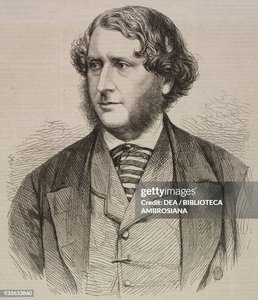
William Dyce
1806 - 1864 , Vereinigtes Königreich
Kurzinfos
- Artistic Movement Or Style: Pre-Raphaeliten
- Artists Who Influenced This Artist:
- Johann Friedrich Overbeck
- John Ruskin
- Date Of Birth: 1806-09-19
- Date Of Death: 1864-02-14
- Full Name: William Dyce
- Nationality: Schottisch
- Notable Artworks:
- Pegwell Bay, Kent
- Die Madonna und das Kind
- Dunstan trennt Edwy und Elgiva
- Place Of Birth: Aberdeen, Vereinigtes Königreich
Ähnliche Artikel
Dante Gabriel Rossetti: Die 25 Meisterwerke des Präraffelitismus | ArtsDot
Entdecken Sie die 25 schönsten Gemälde von Dante Gabriel Rossetti! Tauchen Sie ein in die Welt der Präraffeliten, symbolistischer Kunst & viktorianischer Romantik. Hochwertige Reproduktionen für Ihr Zuhause – jetzt bei ArtsDot.com!
Sir John Everett Millais: Präraffaelitische Revolution und viktorianische Erzählkunst
Entdecken Sie das Leben und Werk von Sir John Everett Millais, einem Pionier der Präraffaeliten! Detaillierte Analysen seiner Gemälde, Einblicke in die viktorianische Kunstszene und seine bleibende Bedeutung. Jetzt lesen!

The Pre-Raphaelite Brotherhood: Rebellion, Romance & Medieval Revival
Explore the captivating world of the Pre-Raphaelite Brotherhood! Discover their rebellious spirit, iconic masterpieces & lasting influence on art history. Learn about Rossetti, Millais & more.
Arthur Hughes: Pre-Raphaelite Visions of Beauty & Melancholy
Explore the captivating world of Arthur Hughes (1832-1915), a leading Pre-Raphaelite painter. Discover his dreamy landscapes, poetic narratives & iconic Victorian artworks. Learn about his life, style & collecting today.
William Trost Richards: Luminismus, Spiritualität und die amerikanische Landschaftstradition
Entdecken Sie das Werk von William Trost Richards und die faszinierende Welt des Luminismus! Erfahren Sie mehr über seine einzigartige Aquarelltechnik, spirituelle Tiefe & Einfluss auf die amerikanische Landschaftsmalerei. Jetzt lesen!