 Vorschau anzeigen
 Versenden
 Teilen
 Details anzeigen

 Herunterladen
 Ähnliche Objekte
 Röntgenaufnahme
 Diashow
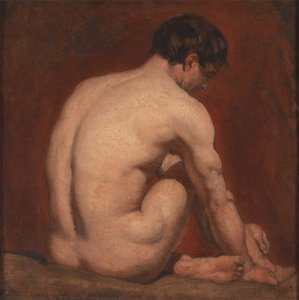
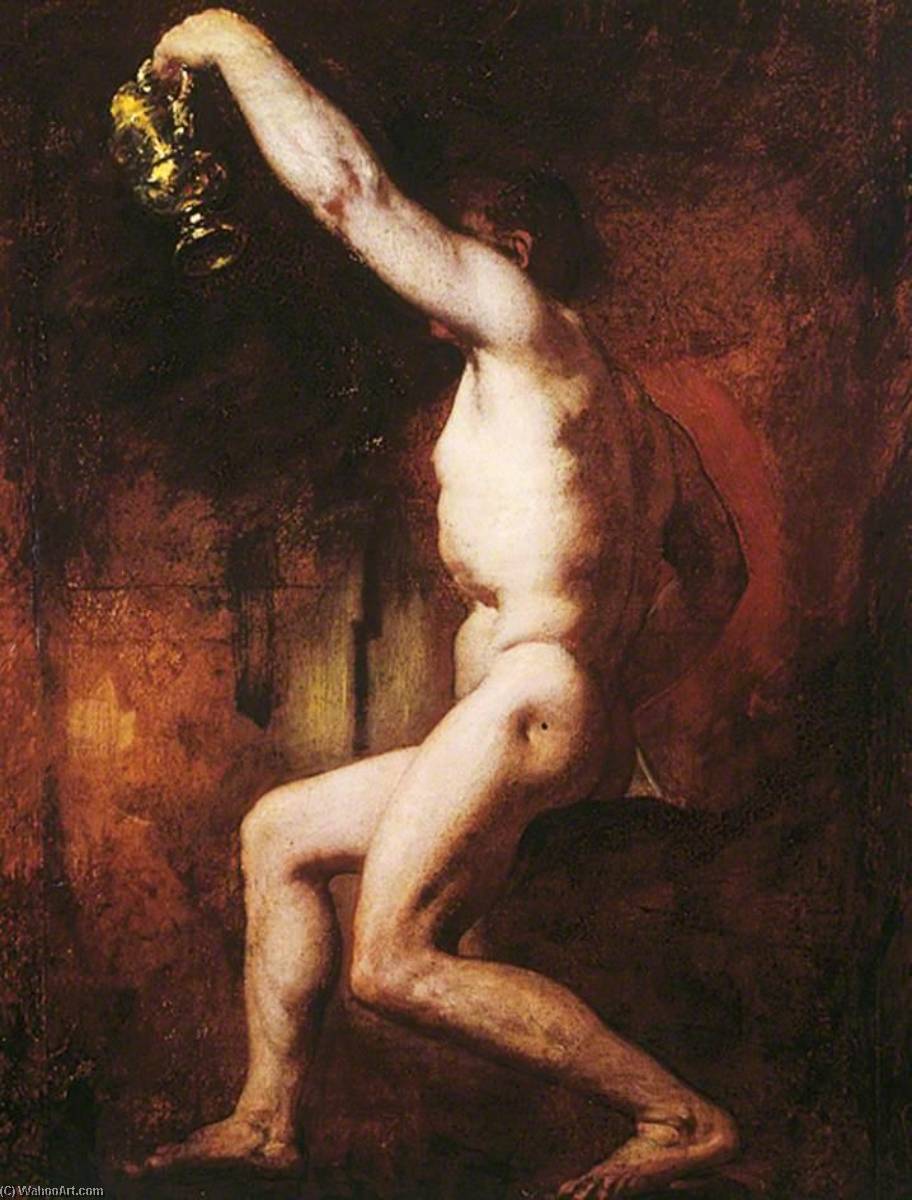
Male Nude Figure Holding a Jug


 Weiterlesen
Handgefertigte Ölreproduktion
Handgemaltes Ölgemälde auf Leinwand in Ihrer Wunschgröße und mit Rahmen, auf Bestellung von unseren Künstlern angefertigt. ( Druck bestellen Bild kaufen)




P118B $10

P118H $10

P118W $10

P438Z $10

P508JH $12

P508YH $12

P805H $10

P805Z $10

P919BZ $10

P919G $10

P919XJ $10

P959ZH $10

P968JZ $12

W106C $8

W218G $10

W218JH $8

W218Y $10

W307PJ $10

W316G $10

W316PJ $8

W316Y $10

W398PJ $8

W4111J $10

W500HY $15

W500JH $15

W692G $12

W849H $8

W940BG $15

W953PJ $8




Wählen Sie aus unseren vordefinierten Formaten, die den ursprünglichen Proportionen des Kunstwerks entsprechen.

Sie können Ihre eigenen Maße eingeben, um einen bestimmten Rahmen oder Platz auszufüllen. Wenn die gewählte Größe nicht den Proportionen des Originalbildes entspricht, werden wir das Kunstwerk entweder beschneiden oder das Gemälde durch zusätzliche, handgemalte Elemente erweitern. Ein digitales Mockup wird Ihnen zur Genehmigung zugesandt, bevor die Produktion beginnt.
Bitte beachten Sie, dass die Bildschirmvorschau nicht die tatsächliche Beschneidung oder Erweiterung widerspiegelt. Nur das Mockup zeigt die endgültige Komposition exakt an.
Obwohl Sondermaße verfügbar sind, empfehlen wir, eine Größe aus der vordefinierten Liste zu wählen, um die ursprünglichen Proportionen beizubehalten.
Nach der Bestellung wird das ArtsDot.com-Team dem Kunden Anweisungen per E-Mail zusenden und eine Mockup-Vorschau bereitstellen.
Weltweiter Versand () in nur 3 bis 4 Wochen statt der üblichen 5 Wochen. (21 August). Keine Kompromisse bei der Qualität.

Kostenloser weltweiter Expressversand

Hochwertige Leinenleinwand

Umfassender Versicherungsschutz beim Versand

Zollgebühren-Rückerstattungsgarantie

Garantie für exakte Farbtreue

60 Tage Rückgaberecht (nur bei Mängeln)

100% Geld-zurück-Garantie

Mengenrabatt verfügbar
 Die Glasoption ist nur für Größen unter 110 cm verfügbar.

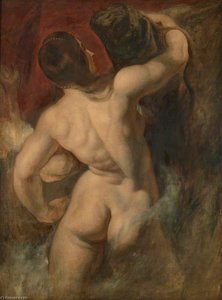
Male Nude Figure Holding a Jug
Art der Reproduktion
Format der Reproduktion
-


Gesamtpreis
$ 263
Beschreibung des Kunstwerks
A Renaissance Reverie: Unveiling Etty’s ‘Male Nude Figure Holding a Jug’
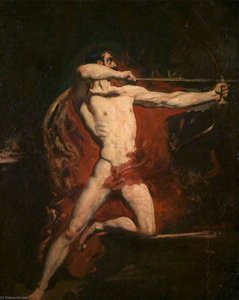
William Etty's “Male Nude Figure Holding a Jug” isn’t merely a painting; it’s a carefully constructed tableau of late 18th-century British aesthetics, steeped in classical ideals and subtly infused with the burgeoning anxieties of the Romantic era. Completed around 1835-1840, this work stands as a pivotal example of Etty's pioneering approach to depicting the male nude – a bold departure from the prevailing academic traditions that prioritized historical or mythological subjects. Rather than presenting a heroic figure in a grand narrative, Etty focuses on an intimate, almost vulnerable portrayal of a single man, inviting viewers into a quiet moment of contemplation.
The scene unfolds within what appears to be a modestly furnished interior – a chair positioned to the right suggests a domestic setting, while the background hints at another individual, though their presence is deliberately understated. The central figure, powerfully built and possessing a palpable sense of strength, holds aloft a jug, its form echoing the curves of his body. This isn’t a display of brute force; instead, there's an element of gentle humor and perhaps even a touch of melancholy in the gesture. Etty masterfully utilizes light and shadow to sculpt the musculature of the figure, creating a remarkable sense of realism that was revolutionary for its time. The skin tones are rendered with astonishing accuracy – a testament to Etty’s meticulous observation and his dedication to capturing the nuances of human flesh.
The Artist's Context: William Etty and the Victorian Nude
William Etty’s journey as an artist was marked by both triumph and controversy. Born in York in 1787, he began his career as a printer before pursuing his artistic ambitions with unwavering determination. His early works, particularly his depictions of historical scenes featuring nudes, generated considerable scandal and criticism within the Royal Academy – an institution deeply invested in upholding traditional artistic values. Etty’s willingness to challenge these conventions, to portray the male nude with such directness and emotional honesty, made him a figure of both admiration and disapproval.
The Victorian era, which overlapped significantly with Etty's career, was a period of profound social and moral change. The rise of industrialization, urbanization, and scientific inquiry challenged established beliefs about the body and sexuality. Etty’s work, therefore, can be interpreted as a response to these shifting cultural dynamics – a celebration of the human form in its natural state, while simultaneously acknowledging the complex emotions and anxieties associated with it. His willingness to depict the nude figure without resorting to mythological or allegorical framing was considered radical and provocative.
Symbolism and Emotional Resonance
Beyond its technical brilliance, “Male Nude Figure Holding a Jug” is rich in symbolic meaning. The jug itself could represent abundance, nourishment, or even domesticity – elements of everyday life brought to the forefront by the solitary figure. The pose—one leg raised, suggesting both strength and vulnerability—evokes a sense of quiet contemplation, inviting viewers to consider themes of masculinity, mortality, and the relationship between the individual and his surroundings. The subtle expression on the man’s face – a hint of weariness or perhaps even sadness – adds another layer of emotional depth to the composition.
Etty's work resonates with the burgeoning Romantic movement, which emphasized emotion, imagination, and the beauty of nature. While not overtly dramatic like some Romantic paintings, “Male Nude Figure Holding a Jug” captures a similar sense of intimacy and psychological complexity. It’s a painting that rewards careful observation and invites viewers to engage with its subtle nuances – a testament to Etty's artistic skill and his profound understanding of the human condition.
A Legacy in Reproduction: Bringing Etty Home
Today, reproductions of “Male Nude Figure Holding a Jug” continue to captivate art lovers and collectors alike. Whether displayed as a striking centerpiece or incorporated into a carefully curated interior design scheme, this painting offers a glimpse into the artistic sensibilities of a pivotal era. High-quality reproductions capture the richness of Etty’s technique and the emotional depth of his subject matter, allowing you to bring this remarkable work into your own home.
Ähnliche Kunstwerke
Über den Künstler
Frühes Leben und Ausbildung
William Etty, ein bedeutender englischer Künstler, wurde am 10. März 1787 in York, im Vereinigten Königreich, geboren. Er verließ die Schule bereits mit 12 Jahren, um eine Druckerlehre in Hull zu beginnen und schloss sie sieben Jahre später ab. Im Jahr 1807 trat er in die Royal Academy Schools in London ein, wo er unter Thomas Lawrence studierte und durch das Kopieren von Werken anderer Künstler ausgebildet wurde.Künstlerische Karriere
Ettys Durchbruch gelang ihm mit Kleopatras Ankunft in Kilizien, gemalt im Jahr 1821, das zahlreiche Akte zeigte und große Anerkennung fand. Dieser Erfolg führte zu weiteren Darstellungen historischer Szenen mit Aktfiguren, was ihm den Ruf der Unanständigkeit einbrachte. Trotzdem war er kommerziell erfolgreich und von Kritikern hoch angesehen und wurde 1828 zum Royal Academician ernannt.Bemerkenswerte Werke und Kontroversen
- Stehende weibliche Akt, ein Gemälde, das Ettys Meisterschaft in der Darstellung realistischer Hauttöne demonstriert.
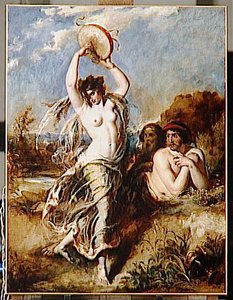
- Die Sirenen und Odysseus, ein Werk, das seine Fähigkeit zeigt, historische Szenen mit Nacktheit in Einklang zu bringen.
- Ettys Aufnahme in die bahnbrechende Ausstellung Exposed: The Victorian Nude im Tate Britain im Jahr 2001–02 führte zu einem erneuten Interesse an seiner Arbeit.
Vermächtnis und Späteres Leben
Trotzdem er ein schüchterner Mann war, der selten Kontakte pflegte und nie heiratete, malte Etty weiterhin sowohl männliche als auch weibliche Akte, was heftige Kritik hervorrief. Er starb am 13. November 1849 in York, aber seine Werke wurden sehr begehrt und erzielten hohe Preise. Wichtige Links: * William Ettys Kunstwerke * William Etty auf Wikipedia * Stehende weibliche Akt von William EttySchlussfolgerung
William Etty, ein Pionier der britischen Nacktdarstellung, hat eine bleibende Spur in der Kunstwelt hinterlassen. Seine Werke, die einst umstritten waren, dienen nun als Zeugnis für seine Fähigkeiten und sein Engagement für die Darstellung des menschlichen Körpers. Entdecken Sie weitere Werke von Etty auf ArtsDot.com.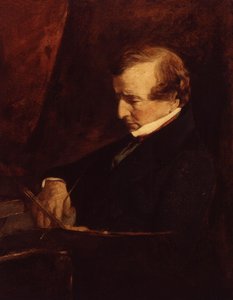
William Etty
1787 - 1849 , Vereinigtes Königreich
Kurzinfos
- Bemerkenswerte Werke:
- Kleopatra in Kilizien
- Die Sirenen und Odysseus
- Stehende weibliche Akte
- Einflussreiche Künstler: ['Thomas Lawrence']
- Geburtsdatum: 10. März 1787
- Geburtsort: York, Vereinigtes Königreich
- Künstlerische Richtung: Historismus, Romantik
- Nationalität: Britisch
- Todatum: 13. November 1849
- Vollständiger Name: William Etty
Ähnliche Artikel
William Etty: Die Wiederentdeckung viktorianischer Sinnlichkeit und des Erhabenen in der historischen Malerei
Entdecken Sie die faszinierende Welt von William Etty! Unsere Expertenanalyse beleuchtet seine provokanten Historienmalereien, die Verbindung von Sinnlichkeit und Erhabenem im viktorianischen England. Jetzt lesen!
The Enduring Allure of the Nude: A Historical & Artistic Exploration of the Human Form
Explore the captivating history of nude art! Discover iconic paintings & artists from classical to modern eras. Uncover symbolism, techniques & find museum-quality reproductions at ArtsDot.

Paul Cézanne: Die 25 Meisterwerke des Impressionismus | ArtsDot
Entdecken Sie die 25 Meisterwerke von Paul Cézanne! Tauchen Sie ein in die Welt des Impressionismus und Postimpressionismus. Erfahren Sie mehr über seine Stillleben, Landschaften & berühmten Gemälde – jetzt hochwertige Kunstdrucke auf ArtsDot.com.
The Eloquent Form: A Historical & Aesthetic Exploration of the Nude in Art
Explore the captivating history of the nude in art! From ancient Greece to modern masters, discover its evolving symbolism, techniques & enduring beauty. Expert insights for collectors and enthusiasts.
William Powell Frith: Gesellschaftsbilder des Viktorianismus und der Aufstieg des Realismus
Entdecken Sie das Werk von William Powell Frith und die Gesellschaftsbilder des Viktorianismus! Analysen, Biografie & der Aufstieg des Realismus in der englischen Malerei. Jetzt lesen!