

 Vorschau anzeigen
 Versenden
 Teilen
 Details anzeigen

 Herunterladen
 Ähnliche Objekte
 Röntgenaufnahme
 Diashow
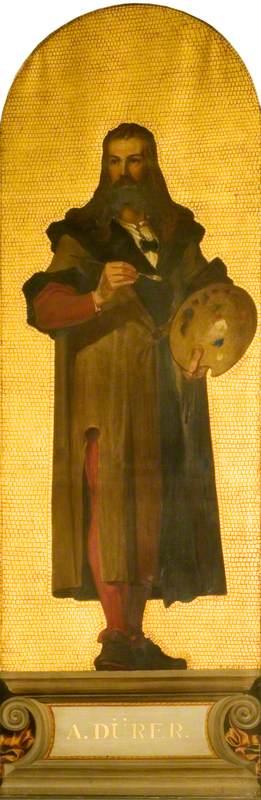
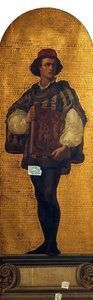
Albrecht Dürer (1471–1528) (design for a mosaic in the Victoria and Albert Museum)
 1869
1869 265.0 x 62.0 cm
 Weiterlesen
Handgefertigte Ölreproduktion
Handgemaltes Ölgemälde auf Leinwand in Ihrer Wunschgröße und mit Rahmen, auf Bestellung von unseren Künstlern angefertigt. ( Druck bestellen Bild kaufen)




































Wählen Sie aus unseren vordefinierten Formaten, die den ursprünglichen Proportionen des Kunstwerks entsprechen.

Sie können Ihre eigenen Maße eingeben, um einen bestimmten Rahmen oder Platz auszufüllen. Wenn die gewählte Größe nicht den Proportionen des Originalbildes entspricht, werden wir das Kunstwerk entweder beschneiden oder das Gemälde durch zusätzliche, handgemalte Elemente erweitern. Ein digitales Mockup wird Ihnen zur Genehmigung zugesandt, bevor die Produktion beginnt.
Bitte beachten Sie, dass die Bildschirmvorschau nicht die tatsächliche Beschneidung oder Erweiterung widerspiegelt. Nur das Mockup zeigt die endgültige Komposition exakt an.
Obwohl Sondermaße verfügbar sind, empfehlen wir, eine Größe aus der vordefinierten Liste zu wählen, um die ursprünglichen Proportionen beizubehalten.
Nach der Bestellung wird das ArtsDot.com-Team dem Kunden Anweisungen per E-Mail zusenden und eine Mockup-Vorschau bereitstellen.
Weltweiter Versand () in nur 3 bis 4 Wochen statt der üblichen 5 Wochen. (30 August). Keine Kompromisse bei der Qualität.

Kostenloser weltweiter Expressversand

Hochwertige Leinenleinwand

Umfassender Versicherungsschutz beim Versand

Zollgebühren-Rückerstattungsgarantie

Garantie für exakte Farbtreue

60 Tage Rückgaberecht (nur bei Mängeln)

100% Geld-zurück-Garantie

Mengenrabatt verfügbar
 Die Glasoption ist nur für Größen unter 110 cm verfügbar.

Albrecht Dürer (1471–1528) (design for a mosaic in the Victoria and Albert Museum)
Art der Reproduktion
Format der Reproduktion
-


Gesamtpreis
$ 263
Ähnliche Kunstwerke

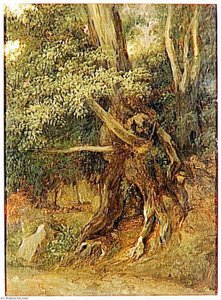
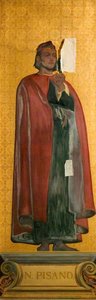
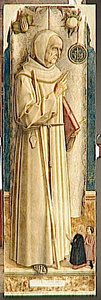
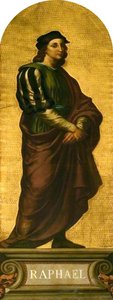


Über den Künstler
The Visionary Draughtsman: The Life and Legacy of William Henry Fisk
In the vibrant tapestry of nineteenth-century British art, few figures possess the multifaceted brilliance of William Henry Fisk. Born in 1827 in Homerton, Middlesex, Fisk was a man whose very identity was woven from the threads of artistic lineage and academic rigor. As the son of the successful portrait painter William Fisk, his introduction to the world of aesthetics was not merely an education but an inheritance. This early immersion under his father’s tutelage provided him with a foundational mastery of form and light, yet it was his subsequent journey through the prestigious Royal Academy Schools that truly forged his unique artistic voice. Alongside contemporaries such as Frederic Leighton, Fisk honed a meticulous attention to detail and an uncanny ability to capture the ephemeral qualities of atmosphere, preparing him for a career that would traverse the realms of landscape, history, and anatomical precision.
Fisk’s technical prowess was not confined solely to the canvas; he possessed a rare, scientific clarity of vision. His appointment as the anatomical draughtsman to the Royal College of Surgeons speaks to a profound understanding of the human form, a skill that lent an unparalleled authenticity to his historical and religious compositions. This intersection of scientific accuracy and romantic imagination allowed him to breathe life into the past, making the figures of history appear not as distant icons, but as living, breathing entities caught in moments of profound tension or quiet reflection. His ability to balance the logical precision of a draughtsman with the emotive depth of a painter made him a standout figure in the London exhibition circuits, where his works frequently graced the walls of the Royal Academy and the Society of British Artists.
Royal Commissions and the Sublime Landscape
Perhaps the most enchanting chapter of Fisk’s career was his intimate connection to the British monarchy and the romanticized landscapes of the North. In a moment of extraordinary distinction, Fisk was selected as one of the premier artists invited to participate in Queen Victoria’s Balmoral Watercolours project between 1853 and 1856. Tasked with capturing the rugged, sublime majesty of the Scottish Highlands, Fisk produced a series of four canvases that immortalized the grandeur of Balmoral Castle and its surrounding wilderness. These works were more than mere topographical records; they were poetic evocations of the landscape's emotional resonance, designed to be cherished within the Queen’s own souvenir albums. Through these commissions, Fisk became a visual chronicler of the era's fascination with the wild, untamed beauty of the British Isles.
Beyond the sweeping vistas of Scotland, Fisk’s creative spirit found expression in the monumental task of designing mosaics for the Kensington Valhalla. This ambitious project, situated within the South Kensington Museum (now the Victoria and Albert Museum), sought to honor the giants of art history. Fisk’s designs for portraits of figures such as Lorenzo Ghiberti and Albrecht Dürer demonstrated his ability to translate classical grandeur into a medium of permanence and light. While only the depiction of Ghiberti was realized in mosaic, his full-sized oil versions remain as testament to his capacity to bridge the gap between historical reverence and contemporary artistic innovation.
A Legacy of Instruction and Historical Depth
As his career matured, Fisk transitioned into the role of a respected educator, serving as a drawing and painting master at University College School, London. He was not merely a practitioner but a communicator of art, known for his clear, logical lectures that attracted large audiences across both London and the provinces. His pedagogical success mirrored his artistic reputation; he possessed the rare gift of demystifying the practical complexities of art for his students while maintaining the high standards of the Royal Academy tradition. This period of his life ensured that his influence would extend far beyond his own brushstrokes, shaping the hands and minds of a new generation of British artists.
The breadth of Fisk’s subject matter remains one of his most enduring legacies. From the harrowing political drama of Robespierre Receiving Letters from Friends of his Victims—now housed in the Musée de la Révolution française—to the delicate genre scenes and historical narratives that populated his exhibitions, his work captured the turbulent spirit of the nineteenth century. Whether exploring the anatomical truth of a medical specimen or the misty heights of a Highland glen, William Henry Fisk remained a master of the sublime, leaving behind a body of work that continues to resonate with the profound emotional and historical complexities of the Victorian age.
william henry fisk
1827 - 1884
Kurzinfos
- Artistic Movement Or Style: Romantic Landscape Painting
- Artists Or Movements Influenced By This Artist: ['Balmoral Watercolors']
- Artists Who Influenced This Artist: ['George Catlin']
- Date Of Birth: 1827
- Date Of Death: 1884
- Full Name: William Henry Fisk
- Nationality: British
- Notable Artworks:
- The Old Noblesse in the Conciergerie
- Love and War
- Place Of Birth: Homerton, Middlesex

