 Vorschau anzeigen
 Versenden
 Teilen
 Details anzeigen

 Herunterladen
 Ähnliche Objekte
 Röntgenaufnahme
 Diashow
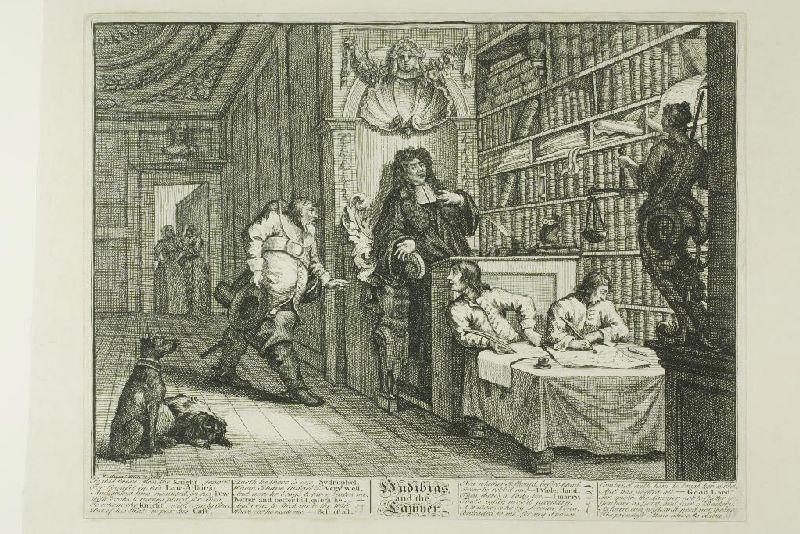
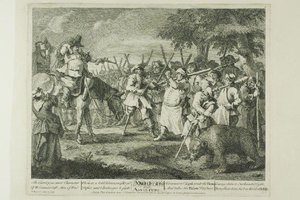
Hudibras and the Lawyer, plate twelve from Hudibras

 Weiterlesen
Handgefertigte Ölreproduktion
Handgemaltes Ölgemälde auf Leinwand in Ihrer Wunschgröße und mit Rahmen, auf Bestellung von unseren Künstlern angefertigt. ( Druck bestellen Bild kaufen)




P118B $10

P118H $10

P118W $10

P438Z $10

P508JH $12

P508YH $12

P805H $10

P805Z $10

P919BZ $10

P919G $10

P919XJ $10

P959ZH $10

P968JZ $12

W106C $8

W218G $10

W218JH $8

W218Y $10

W307PJ $10

W316G $10

W316PJ $8

W316Y $10

W398PJ $8

W4111J $10

W500HY $15

W500JH $15

W692G $12

W849H $8

W940BG $15

W953PJ $8




Wählen Sie aus unseren vordefinierten Formaten, die den ursprünglichen Proportionen des Kunstwerks entsprechen.

Sie können Ihre eigenen Maße eingeben, um einen bestimmten Rahmen oder Platz auszufüllen. Wenn die gewählte Größe nicht den Proportionen des Originalbildes entspricht, werden wir das Kunstwerk entweder beschneiden oder das Gemälde durch zusätzliche, handgemalte Elemente erweitern. Ein digitales Mockup wird Ihnen zur Genehmigung zugesandt, bevor die Produktion beginnt.
Bitte beachten Sie, dass die Bildschirmvorschau nicht die tatsächliche Beschneidung oder Erweiterung widerspiegelt. Nur das Mockup zeigt die endgültige Komposition exakt an.
Obwohl Sondermaße verfügbar sind, empfehlen wir, eine Größe aus der vordefinierten Liste zu wählen, um die ursprünglichen Proportionen beizubehalten.
Nach der Bestellung wird das ArtsDot.com-Team dem Kunden Anweisungen per E-Mail zusenden und eine Mockup-Vorschau bereitstellen.
Weltweiter Versand () in nur 3 bis 4 Wochen statt der üblichen 5 Wochen. (22 August). Keine Kompromisse bei der Qualität.

Kostenloser weltweiter Expressversand

Hochwertige Leinenleinwand

Umfassender Versicherungsschutz beim Versand

Zollgebühren-Rückerstattungsgarantie

Garantie für exakte Farbtreue

60 Tage Rückgaberecht (nur bei Mängeln)

100% Geld-zurück-Garantie

Mengenrabatt verfügbar
 Die Glasoption ist nur für Größen unter 110 cm verfügbar.

Hudibras and the Lawyer, plate twelve from Hudibras
Art der Reproduktion
Format der Reproduktion
-


Gesamtpreis
$ 263
Beschreibung des Kunstwerks
William Hogarth’s Satirical Masterpiece: “Hudibras and the Lawyer”
William Hogarth's "Hudibras and the Lawyer," plate twelve from his monumental series illustrating Samuel Butler’s satirical epic, is far more than a mere illustration; it’s a meticulously crafted social commentary frozen in ink and etching. Created between 1725 and 1726 during a period of profound societal change in England – a nation grappling with burgeoning commerce, shifting moral values, and the rise of a skeptical public – this image offers a sharp-edged critique of legal corruption, vanity, and the deceptive allure of appearances. Hogarth, a visual historian at his core, doesn’t simply depict a scene; he dissects it, revealing the hypocrisy beneath the veneer of respectability.
The composition is immediately arresting. We find ourselves within a richly appointed, yet subtly cluttered, law office – a space designed to project an air of authority and wealth. A lawyer, resplendent in his wig and robes, occupies the central position, radiating an almost regal self-importance. He’s seated at a table, ostensibly engaged in considering Hudibras' plea, but his posture and expression betray a thinly veiled disdain. Around him, clerks bustle with activity, their faces reflecting a mixture of eagerness and boredom – symbols of the lower echelons of the legal profession, caught in the orbit of this powerful figure. A dog lies at the base of the scene, adding an element of domesticity and perhaps subtly hinting at the moral failings within the household.
The Anatomy of Satire: Technique and Detail
Hogarth’s genius lay not just in his subject matter but also in his masterful execution. The print is a testament to his meticulous approach, employing a complex technique of etching and engraving on cream paper. He utilized a wide range of tonal values – from the darkest blacks to delicate washes of white – to create astonishingly realistic textures and expressions. Note the intricate detailing of the lawyer’s robes, the sheen of the polished furniture, and the subtle wrinkles around the clerks' eyes. These details aren’t merely decorative; they are crucial to conveying the scene’s overall sense of realism and, more importantly, its satirical intent.
Crucially, Hogarth employed a technique known as ‘cross-hatching,’ layering intersecting lines to build up tonal values and create depth. This method allows him to capture the play of light and shadow with remarkable precision, highlighting the artificiality of the lawyer’s setting and emphasizing the contrast between his outward appearance and his inner character. The use of perspective is equally deliberate, drawing the viewer's eye towards the central figure and subtly undermining the authority he projects.
Symbolism and Social Critique
“Hudibras and the Lawyer” is replete with symbolic elements that amplify Hogarth’s critique. Hudibras himself, a character from Butler’s satirical poem, represents the embodiment of stubbornness and folly – a figure who consistently finds himself embroiled in misfortune due to his own pride and obstinacy. The lawyer, on the other hand, embodies the corruption and self-serving nature of the legal profession. He is not simply dispensing justice; he is exploiting his position for personal gain.
The presence of the clerks further underscores this critique. They represent the individuals who are most vulnerable to the lawyer’s manipulations – those seeking redress through the courts, often at great expense and with little hope of success. The dog, a common symbol of loyalty and fidelity, is placed in an almost subservient position, suggesting that even these fundamental virtues can be corrupted by the prevailing social climate.
A Timeless Commentary on Human Nature
Despite being created over three centuries ago, “Hudibras and the Lawyer” remains remarkably relevant today. Hogarth’s depiction of legal corruption, vanity, and the manipulation of power speaks to enduring human flaws. The image serves as a potent reminder that appearances can be deceiving and that true justice is often obscured by self-interest and social inequality. Reproductions of this iconic work offer a valuable opportunity to engage with a pivotal moment in British art history and to contemplate the timeless themes explored within its intricate details – a piece that continues to provoke thought and inspire debate.
Ähnliche Kunstwerke
Über den Künstler
frühes Leben und Einflüsse
William Hogarth, ein vielseitiger englischer Künstler, wurde am 10. November 1697 in London geboren. Sein frühes Leben war geprägt von seiner Lehre beim Graveur Ellis Gamble in Leicester Fields, wo er seine Fähigkeiten im Bereich der Werbeplakatinlagen entwickelte. Diese Erfahrung beeinflusste seinen künstlerischen Ton erheblich und trug zu seinem oft scharfen, kritischen Stil bei.Künstlerische Karriere
Hogarths kreativer Horizont umspannte realistische Porträts bis hin zu bahnbrechenden, humorvollen Bildreihen, die als "moderne moralische Themen" bezeichnet wurden. Er ist berühmt für seine Werke A Harlot's Progress, A Rake's Progress und Marriage a-la-Mode. Sein unverwechselbarer Stil war so einflussreich, dass ähnliche satirische politische Illustrationen oft als "hogarthian" bezeichnet werden.Bekannte Werke und ihre Bedeutung
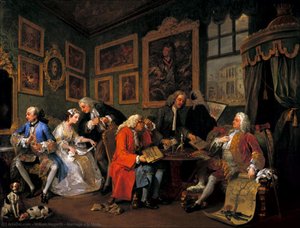
- The Marriage Contract (Klassizismus, Öl auf Leinwand): Dieses Gemälde zeigt Hogarths Meisterschaft in der Satire und kritisiert die gesellschaftlichen Narrative seiner Zeit. [https://ArtsDot.com/@@/8bwmb6-william-hogarth-the-marriage-contract](https://ArtsDot.com/@@/8bwmb6-william-hogarth-the-marriage-contract)
- A Harlot's Progress (satirische Kunst, Holzschnitt): Diese Reihe von Gemälden ist ein Beweis für Hogarths Fähigkeit, die menschliche Form mit Anmut und Kraft einzufangen und oft explizit sexuelle Inhalte zu integrieren. [https://ArtsDot.com/@/william-hogarth](https://ArtsDot.com/@/william-hogarth)
Vermächtnis und Einfluss
Hogarths Kunst erlangte immense Popularität und wurde durch Drucke massenproduziert, was ihn zum bedeutendsten englischen Künstler seiner Zeit machte. Charles Lamb, der Essayist, bemerkte berühmt, dass Hogarths Bilder wie Bücher waren, die man lesen musste, anstatt sie nur anzusehen.Museen und Sammlungen
Das British Museum, mit seiner umfangreichen Sammlung von kulturellen Kunstobjekten und Antiquitäten, ist eine bedeutende Institution im Vereinigten Königreich. [https://en.wikipedia.org/wiki/british_museum](https://en.wikipedia.org/wiki/british_museum) Obwohl es sich nicht speziell auf Hogarths Werk konzentriert, repräsentiert es den breiteren Kontext der britischen Kunst und Kultur.Fazit
William Hogarths Vermächtnis als satirischer Künstler beeinflusst weiterhin die Kunstwelt. Seine Werke, wie The Marriage Contract und A Harlot's Progress, sind nicht nur für ihren künstlerischen Wert, sondern auch für ihre scharfe Kritik an gesellschaftlichen Narrativen von Bedeutung. Entdecken Sie Hogarths weiteres Werk unter [https://ArtsDot.com/@/william-hogarth](https://ArtsDot.com/@/william-hogarth).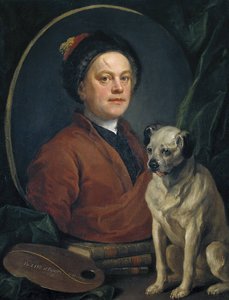
William Hogarth
1697 - 1764 , Vereinigtes Königreich
Kurzinfos
- Beeinflusste Künstler:
- James Gillray
- George Cruikshank
- Bemerkenswerte Werke:
- A Harlot's Progress
- A Rake's Progress
- Marriage A-la-Mode
- The Marriage Contract
- Geburtsdatum: 10. November 1697
- Geburtsort: London, Vereinigtes Königreich
- Künstlerische Bewegung: Satirische Kunst, Realismus
- Künstlerische Einflüsse:
- Niederländische Genremalerei
- Französische Karikatur
- Jonathan Swift, Henry Fielding
- Nationalität: Britisch
- Vollständiger Name: William Hogarth
Ähnliche Artikel
William Hogarth: Satire als Spiegel der Gesellschaft – Eine Neubewertung des Begründers moderner britischer Kunst
Entdecken Sie William Hogarths satirische Meisterwerke! Eine tiefgehende Analyse seiner Gesellschaftskritik im London des 18. Jahrhunderts. Erfahren Sie mehr über seine Kunst und seinen bleibenden Einfluss.
Die 10 legendärsten Radierungen: Meisterwerke, die Kunstgeschichte schrieben | ArtsDot
Entdecken Sie die 10 legendärsten Radierungen von Dürer, Rembrandt & Goya! Erfahren Sie die Geschichten hinter diesen Meisterwerken der Kunstgeschichte und lassen Sie sich von Druckgrafik inspirieren. Hochwertige Kunstdrucke auf ArtsDot.com – für Ihr Zuhause.
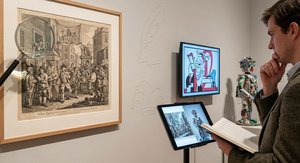
The Sharpest Wit: A Critical Exploration of Satire in Art History – From Hogarth to Contemporary Critique
Explore the history of satire in art! From Hogarth's London to contemporary critique, discover how artists use wit & visual power to reflect and challenge society. Expert insights at ArtsDot.
Die 10 Meisterwerke des 18. Jahrhunderts: Kunst für Ihr Zuhause | ArtsDot
Entdecken Sie die 10 prächtigsten Meisterwerke des 18. Jahrhunderts! Von Rokoko bis Klassizismus – erleben Sie die Kunst von Fragonard, David & Hogarth. Hochwertige Reproduktionen für Ihr Zuhause auf ArtsDot.com.
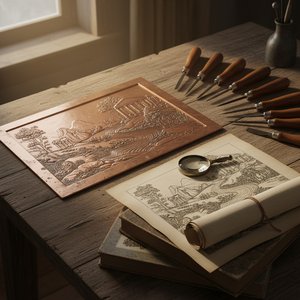
Engraving: A Historical Survey of Technique, Artistic Expression & Enduring Legacy
Explore the rich history of engraving with ArtsDot. Discover techniques, iconic artists like Dürer & Callot, collecting tips, and expert guidance for preserving your art investment. Learn about intaglio printing & more!