 Vorschau anzeigen
 Versenden
 Teilen
 Details anzeigen

 Herunterladen
 Ähnliche Objekte
 Röntgenaufnahme
 Diashow
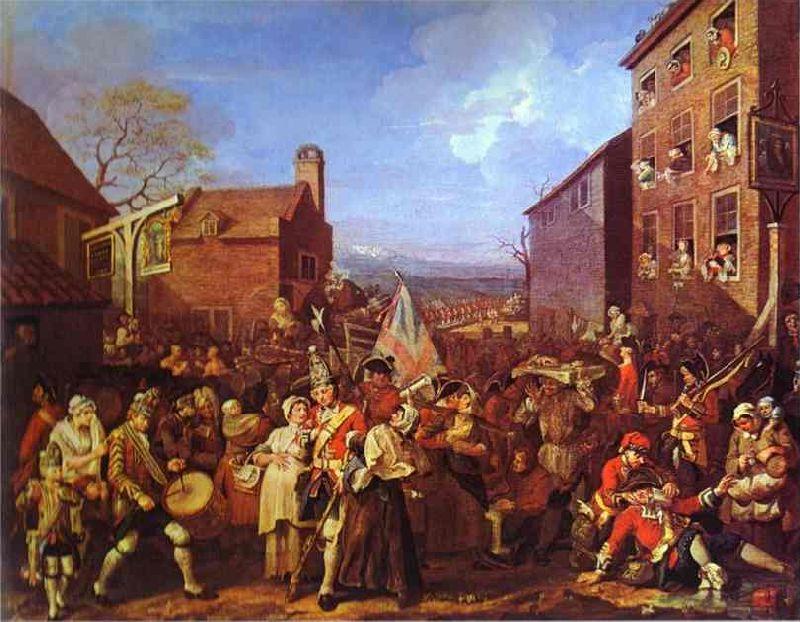
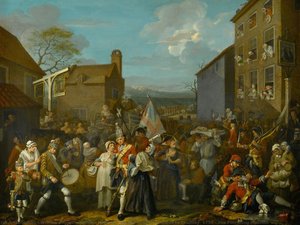
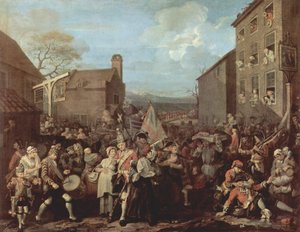
The March to Finchley


 Weiterlesen
Handgefertigte Ölreproduktion
Handgemaltes Ölgemälde auf Leinwand in Ihrer Wunschgröße und mit Rahmen, auf Bestellung von unseren Künstlern angefertigt. ( Druck bestellen Bild kaufen)




P118B $10

P118H $10

P118W $10

P438Z $10

P508JH $12

P508YH $12

P805H $10

P805Z $10

P919BZ $10

P919G $10

P919XJ $10

P959ZH $10

P968JZ $12

W106C $8

W218G $10

W218JH $8

W218Y $10

W307PJ $10

W316G $10

W316PJ $8

W316Y $10

W398PJ $8

W4111J $10

W500HY $15

W500JH $15

W692G $12

W849H $8

W940BG $15

W953PJ $8




Wählen Sie aus unseren vordefinierten Formaten, die den ursprünglichen Proportionen des Kunstwerks entsprechen.

Sie können Ihre eigenen Maße eingeben, um einen bestimmten Rahmen oder Platz auszufüllen. Wenn die gewählte Größe nicht den Proportionen des Originalbildes entspricht, werden wir das Kunstwerk entweder beschneiden oder das Gemälde durch zusätzliche, handgemalte Elemente erweitern. Ein digitales Mockup wird Ihnen zur Genehmigung zugesandt, bevor die Produktion beginnt.
Bitte beachten Sie, dass die Bildschirmvorschau nicht die tatsächliche Beschneidung oder Erweiterung widerspiegelt. Nur das Mockup zeigt die endgültige Komposition exakt an.
Obwohl Sondermaße verfügbar sind, empfehlen wir, eine Größe aus der vordefinierten Liste zu wählen, um die ursprünglichen Proportionen beizubehalten.
Nach der Bestellung wird das ArtsDot.com-Team dem Kunden Anweisungen per E-Mail zusenden und eine Mockup-Vorschau bereitstellen.
Weltweiter Versand () in nur 3 bis 4 Wochen statt der üblichen 5 Wochen. (20 August). Keine Kompromisse bei der Qualität.

Kostenloser weltweiter Expressversand

Hochwertige Leinenleinwand

Umfassender Versicherungsschutz beim Versand

Zollgebühren-Rückerstattungsgarantie

Garantie für exakte Farbtreue

60 Tage Rückgaberecht (nur bei Mängeln)

100% Geld-zurück-Garantie

Mengenrabatt verfügbar
 Die Glasoption ist nur für Größen unter 110 cm verfügbar.

The March to Finchley
Art der Reproduktion
Format der Reproduktion
-


Gesamtpreis
$ 263
Beschreibung des Kunstwerks
William Hogarth's 'The March to Finchley': A Window into 18th-Century London
William Hogarth’s ‘The March to Finchley,’ completed in 1735, is more than simply a depiction of a street scene; it’s a meticulously crafted social commentary and a remarkably astute snapshot of London life during the mid-18th century. This large oil on canvas offers an immersive experience, transporting the viewer directly into the bustling heart of the city, where everyday encounters reveal both the charm and the inherent contradictions of the era. The painting's enduring appeal lies not just in its technical brilliance – Hogarth’s mastery of composition, detail, and narrative – but also in his uncanny ability to capture the spirit of a particular moment in time.
Subject Matter and Composition
The scene unfolds with remarkable immediacy. A diverse crowd, numbering at least fourteen individuals, occupies Finchley Lane, a street then on the outskirts of London. Some are engaged in animated conversation, others observe with quiet contemplation, while a few kneel or sit, suggesting varying levels of social status and engagement. The composition is deliberately layered, drawing the eye through the scene from foreground to background. Hogarth’s strategic placement of figures – closer to the viewer for greater impact, receding into the distance to create depth – mimics the way the human eye naturally processes information, enhancing the sense of realism and immersion. Notably, two clocks punctuate the composition, subtly reinforcing the theme of time and its relentless march, a recurring motif in Hogarth’s work.
Technique and Style: The Hogarthian Narrative
Hogarth was a pioneer in using sequential narrative paintings – a technique he developed to tell stories through a series of works. ‘The March to Finchley’ exemplifies this approach, though it functions effectively as a single, powerful image. His meticulous attention to detail is immediately apparent; the clothing, the architecture, even the expressions on the faces of the figures are rendered with astonishing accuracy. Hogarth employed a technique known as 'redrawing,' where he would meticulously copy engravings and prints, then rework them in his own style, adding his unique artistic vision. This process allowed him to build upon existing visual culture while simultaneously developing his distinctive voice. The use of light and shadow further enhances the drama and realism of the scene, guiding the viewer’s eye and emphasizing key elements.
Symbolism and Historical Context
'The March to Finchley' is deeply rooted in the social and political context of 18th-century London. The painting reflects the burgeoning middle class, eager for leisure activities and social engagements, alongside the enduring influence of the aristocracy. The drum, a prominent feature on the left side, suggests a public event or procession – perhaps a military parade or a celebratory gathering. Hogarth’s work frequently served as a subtle critique of societal norms, exposing hypocrisy and highlighting the disparities between wealth and poverty. By depicting ordinary people in their daily lives, he offered a powerful commentary on the values and behaviors of his time. This painting is a testament to Hogarth's role as a keen observer and astute social critic, solidifying his place as one of Britain’s most important artists.
Ähnliche Kunstwerke
Über den Künstler
frühes Leben und Einflüsse
William Hogarth, ein vielseitiger englischer Künstler, wurde am 10. November 1697 in London geboren. Sein frühes Leben war geprägt von seiner Lehre beim Graveur Ellis Gamble in Leicester Fields, wo er seine Fähigkeiten im Bereich der Werbeplakatinlagen entwickelte. Diese Erfahrung beeinflusste seinen künstlerischen Ton erheblich und trug zu seinem oft scharfen, kritischen Stil bei.Künstlerische Karriere
Hogarths kreativer Horizont umspannte realistische Porträts bis hin zu bahnbrechenden, humorvollen Bildreihen, die als "moderne moralische Themen" bezeichnet wurden. Er ist berühmt für seine Werke A Harlot's Progress, A Rake's Progress und Marriage a-la-Mode. Sein unverwechselbarer Stil war so einflussreich, dass ähnliche satirische politische Illustrationen oft als "hogarthian" bezeichnet werden.Bekannte Werke und ihre Bedeutung
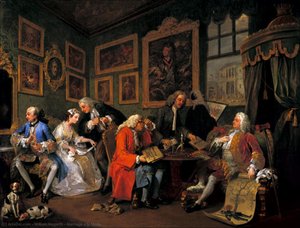
- The Marriage Contract (Klassizismus, Öl auf Leinwand): Dieses Gemälde zeigt Hogarths Meisterschaft in der Satire und kritisiert die gesellschaftlichen Narrative seiner Zeit. [https://ArtsDot.com/@@/8bwmb6-william-hogarth-the-marriage-contract](https://ArtsDot.com/@@/8bwmb6-william-hogarth-the-marriage-contract)
- A Harlot's Progress (satirische Kunst, Holzschnitt): Diese Reihe von Gemälden ist ein Beweis für Hogarths Fähigkeit, die menschliche Form mit Anmut und Kraft einzufangen und oft explizit sexuelle Inhalte zu integrieren. [https://ArtsDot.com/@/william-hogarth](https://ArtsDot.com/@/william-hogarth)
Vermächtnis und Einfluss
Hogarths Kunst erlangte immense Popularität und wurde durch Drucke massenproduziert, was ihn zum bedeutendsten englischen Künstler seiner Zeit machte. Charles Lamb, der Essayist, bemerkte berühmt, dass Hogarths Bilder wie Bücher waren, die man lesen musste, anstatt sie nur anzusehen.Museen und Sammlungen
Das British Museum, mit seiner umfangreichen Sammlung von kulturellen Kunstobjekten und Antiquitäten, ist eine bedeutende Institution im Vereinigten Königreich. [https://en.wikipedia.org/wiki/british_museum](https://en.wikipedia.org/wiki/british_museum) Obwohl es sich nicht speziell auf Hogarths Werk konzentriert, repräsentiert es den breiteren Kontext der britischen Kunst und Kultur.Fazit
William Hogarths Vermächtnis als satirischer Künstler beeinflusst weiterhin die Kunstwelt. Seine Werke, wie The Marriage Contract und A Harlot's Progress, sind nicht nur für ihren künstlerischen Wert, sondern auch für ihre scharfe Kritik an gesellschaftlichen Narrativen von Bedeutung. Entdecken Sie Hogarths weiteres Werk unter [https://ArtsDot.com/@/william-hogarth](https://ArtsDot.com/@/william-hogarth).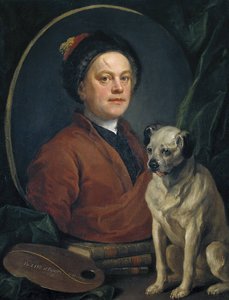
William Hogarth
1697 - 1764 , Vereinigtes Königreich
Kurzinfos
- Beeinflusste Künstler:
- James Gillray
- George Cruikshank
- Bemerkenswerte Werke:
- A Harlot's Progress
- A Rake's Progress
- Marriage A-la-Mode
- The Marriage Contract
- Geburtsdatum: 10. November 1697
- Geburtsort: London, Vereinigtes Königreich
- Künstlerische Bewegung: Satirische Kunst, Realismus
- Künstlerische Einflüsse:
- Niederländische Genremalerei
- Französische Karikatur
- Jonathan Swift, Henry Fielding
- Nationalität: Britisch
- Vollständiger Name: William Hogarth
Ähnliche Artikel
William Hogarth: Satire als Spiegel der Gesellschaft – Eine Neubewertung des Begründers moderner britischer Kunst
Entdecken Sie William Hogarths satirische Meisterwerke! Eine tiefgehende Analyse seiner Gesellschaftskritik im London des 18. Jahrhunderts. Erfahren Sie mehr über seine Kunst und seinen bleibenden Einfluss.
The Sharpest Wit: A Critical Exploration of Satire in Art History – From Hogarth to Contemporary Critique
Explore the history of satire in art! From Hogarth's London to contemporary critique, discover how artists use wit & visual power to reflect and challenge society. Expert insights at ArtsDot.

Giclée Prints: Archival Quality & Aesthetic Nuances for the Discerning Collector
Explore the world of giclée prints with ArtsDot. Learn about archival quality, aesthetic nuances & investment potential. Expert guidance for discerning art collectors seeking museum-quality reproductions and lasting value.
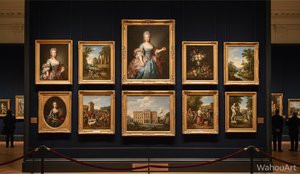
Die 10 Meisterwerke des 18. Jahrhunderts: Kunst für Ihr Zuhause | ArtsDot
Entdecken Sie die 10 prächtigsten Meisterwerke des 18. Jahrhunderts! Von Rokoko bis Klassizismus – erleben Sie die Kunst von Fragonard, David & Hogarth. Hochwertige Reproduktionen für Ihr Zuhause auf ArtsDot.com.

The Enduring Legacy of Fine Art Prints: Technique, History & Aesthetic Impact
Explore the rich history & techniques of fine art prints. Discover investment potential, assess authenticity, and learn how to preserve your collection with expert guidance. Trusted insights for discerning collectors.